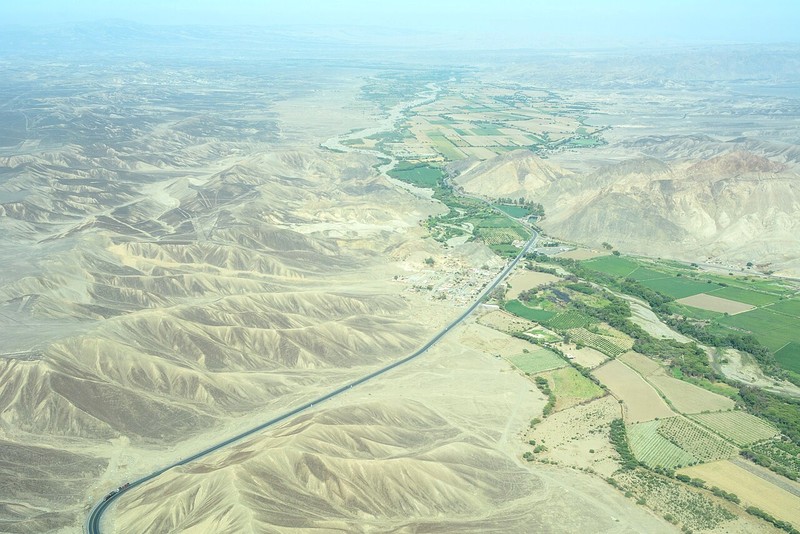
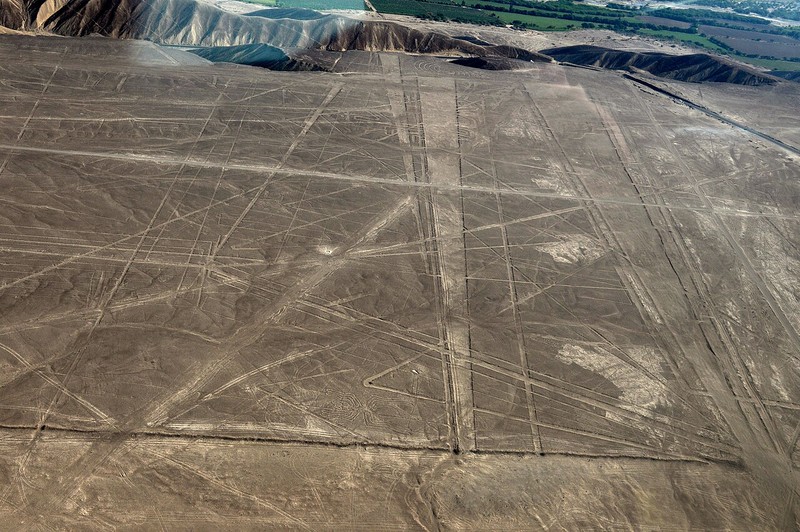
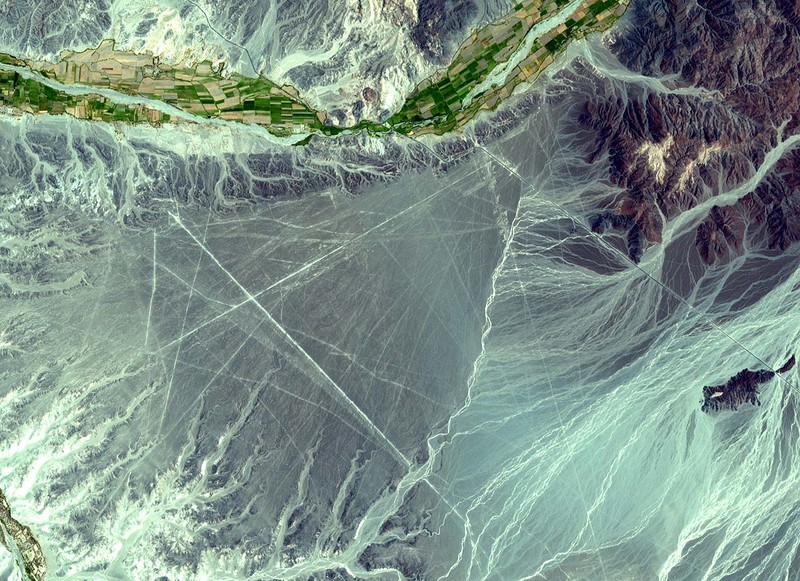
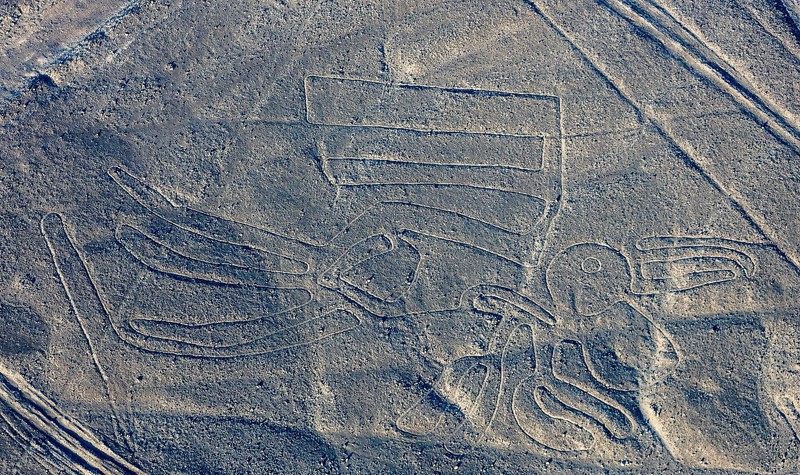
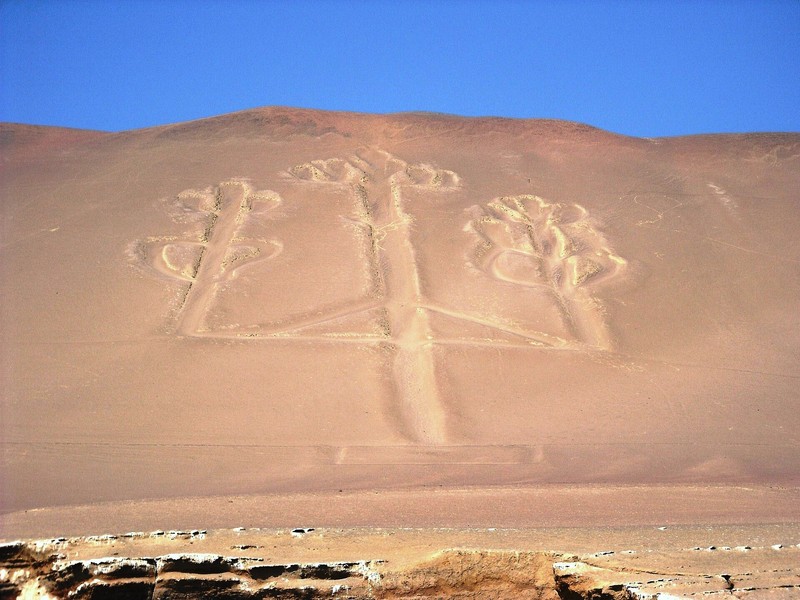
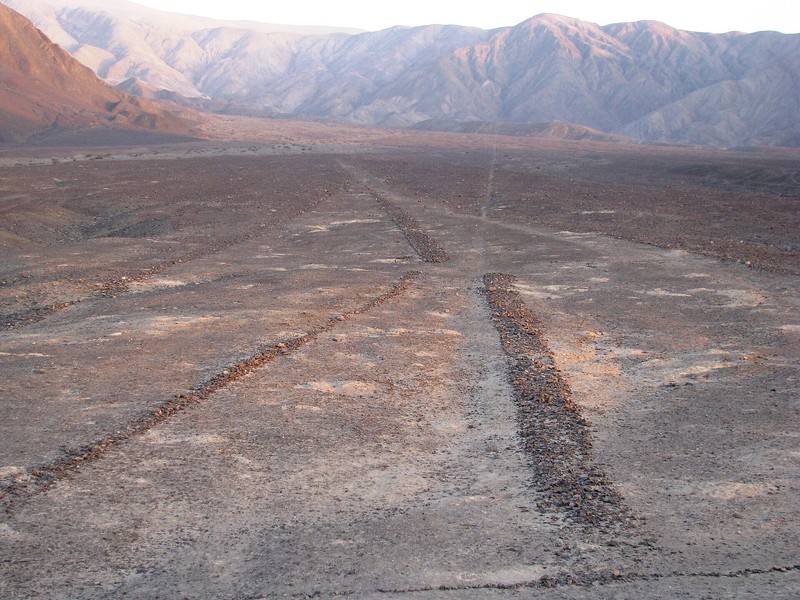
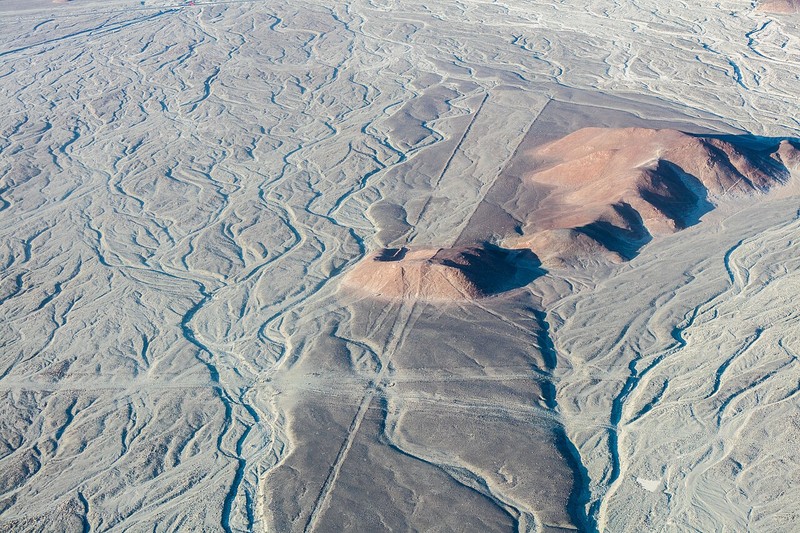
The Nazca Lines are among Peru’s most mysterious archaeological attractions. Across the arid Nazca Plateau, amid sandy plains and rocky desert, enormous designs were created on the ground more than a thousand years ago. They depict animals, birds, plants, geometric shapes, and long straight lines that stretch across the desert for many kilometres.
The designs were made by the ancient inhabitants of the Nazca region roughly between 500 BC and AD 500. They removed dark stones from the desert surface to reveal the lighter soil beneath. Thanks to the dry climate, limited rainfall, and stable ground, many of these geoglyphs have survived to the present day.
The Most Famous Figures
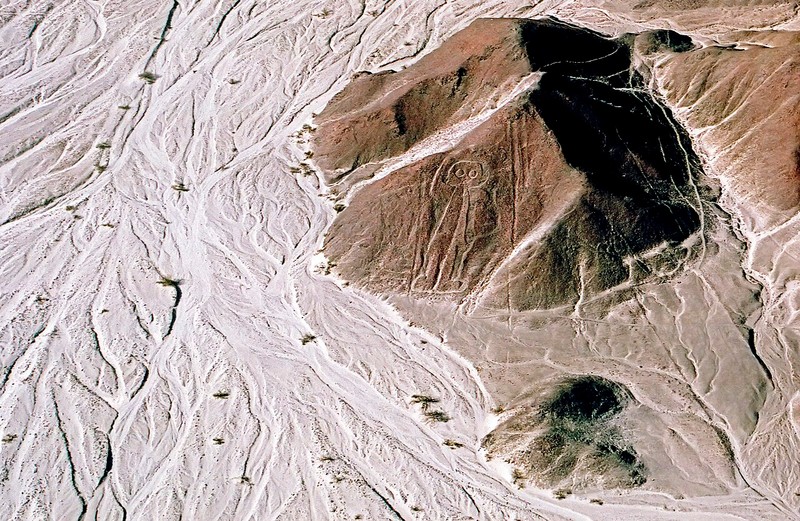
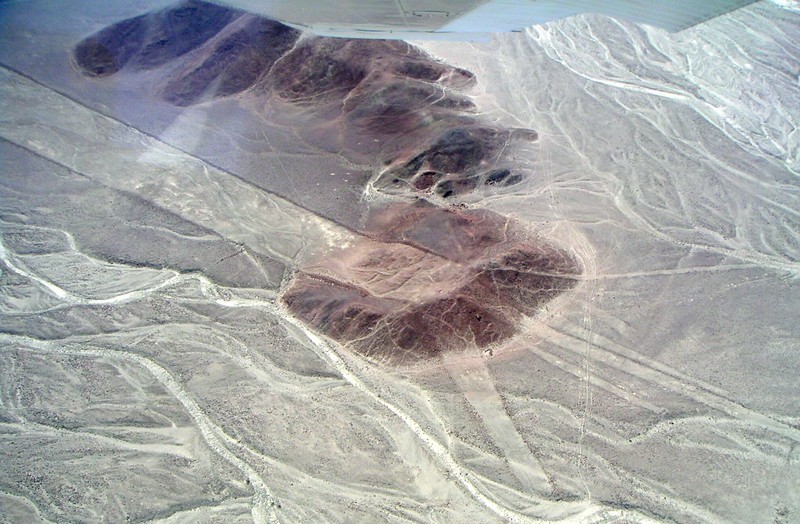
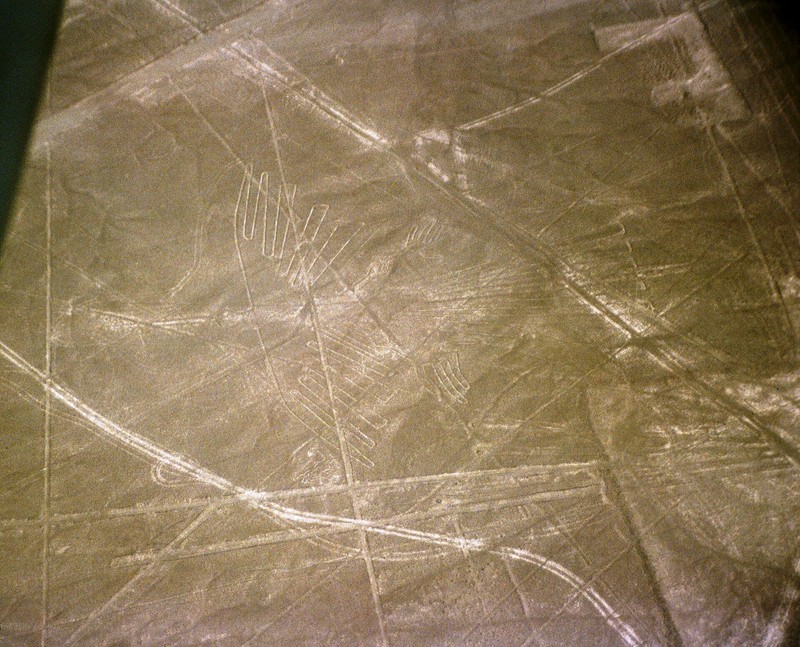
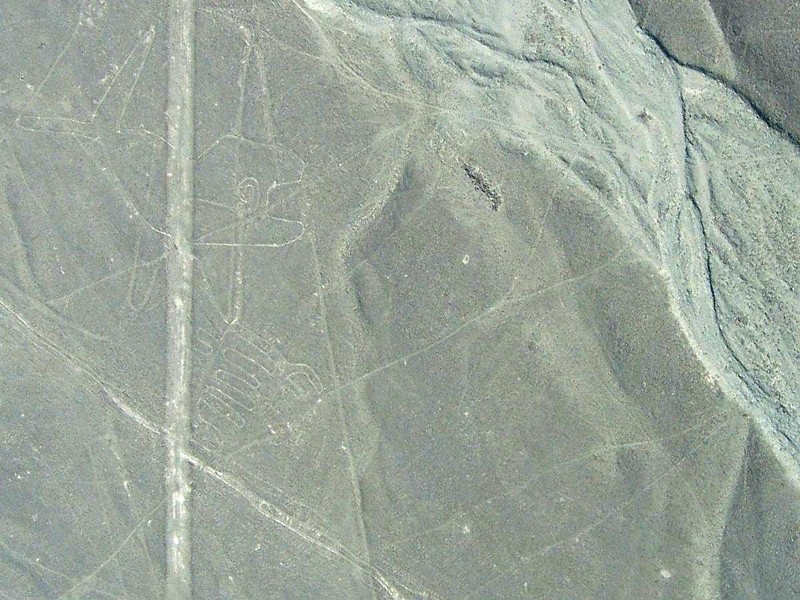
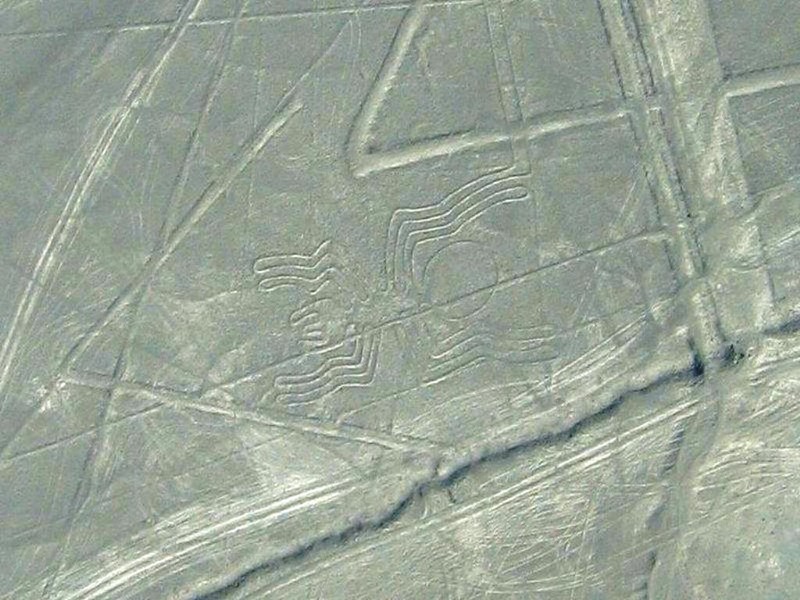
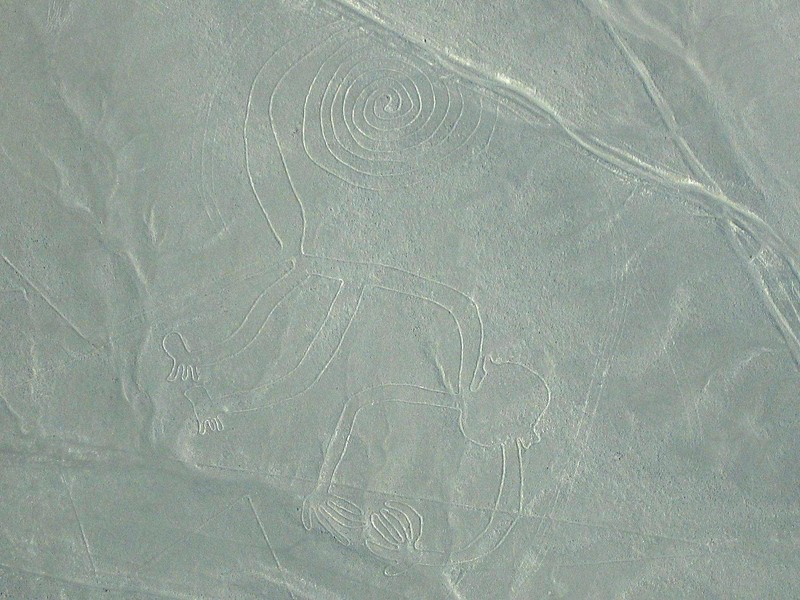
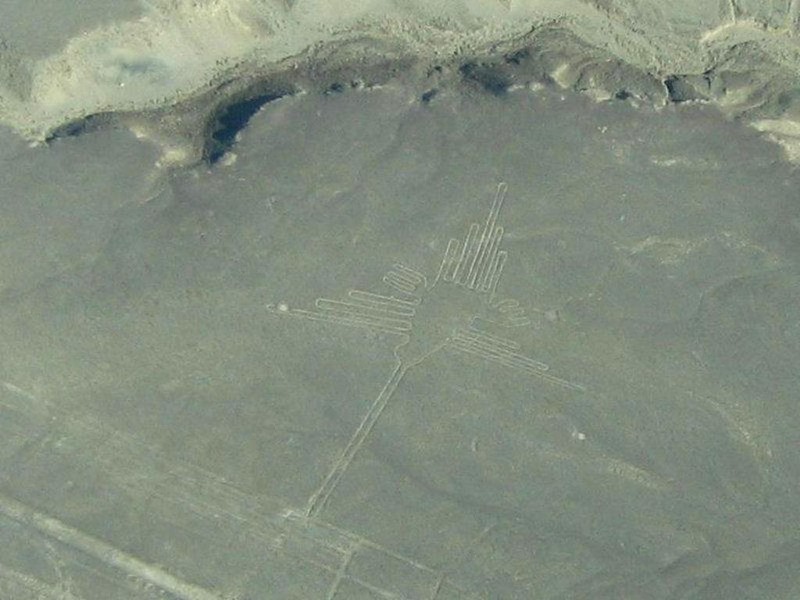
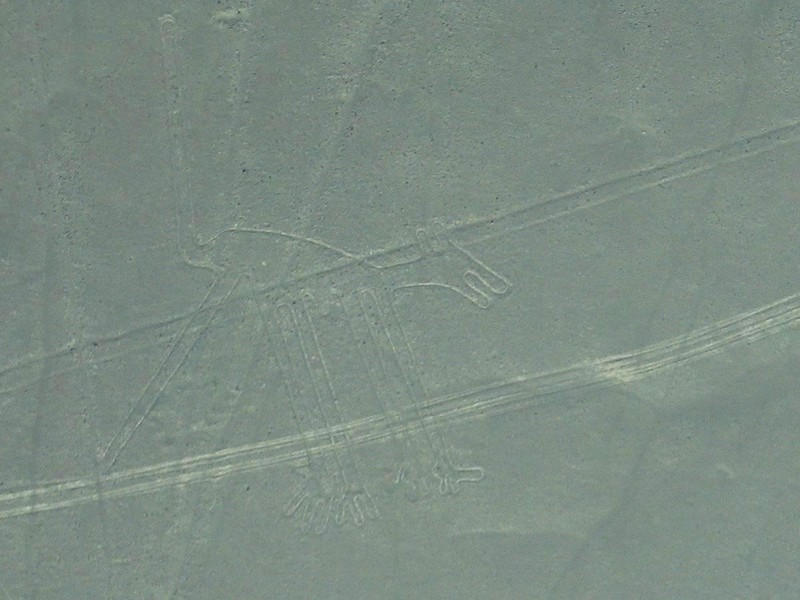
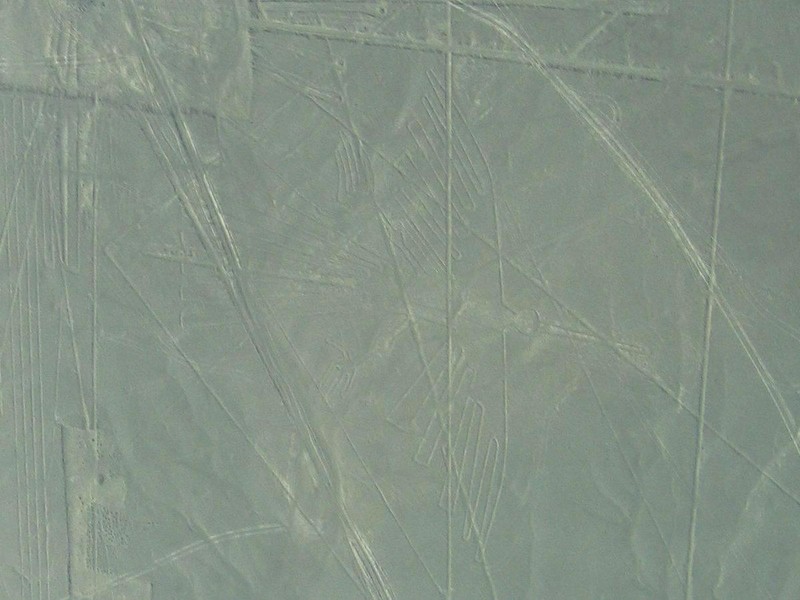
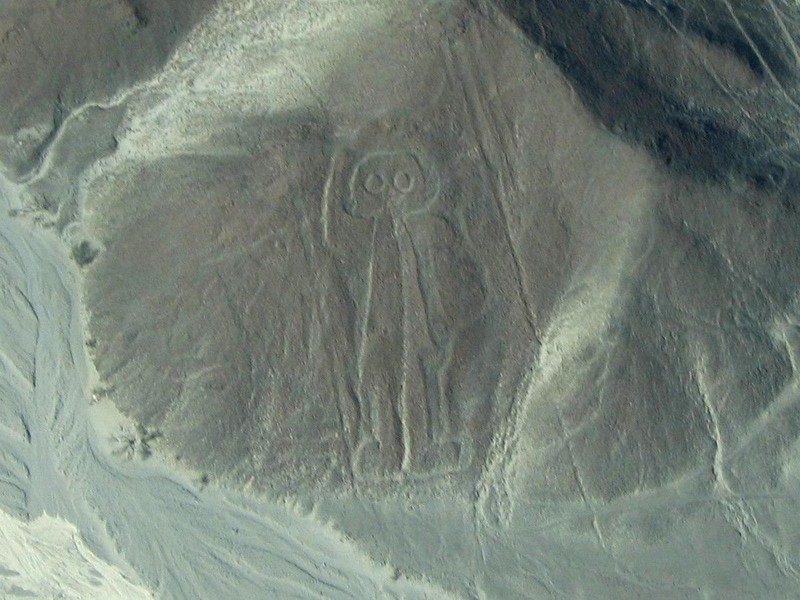
Among the best-known images are a hummingbird with a long beak, a monkey with a curled tail, a spider, a condor, a whale, and a figure known as the “Astronaut.” Some designs measure tens or even hundreds of metres in length. Their scale is difficult to appreciate from the ground, so many geoglyphs are best seen from above.
Why Were the Nazca Lines Created?
The exact purpose of the geoglyphs remains under investigation. Researchers suggest that they may have been connected with religious ceremonies, the worship of natural forces, rituals related to water and fertility, or routes used for ceremonial processions. Some hypotheses propose that certain lines had astronomical significance, but no single explanation accounts for all the designs.
How to See the Geoglyphs
One of the most popular ways to view the Nazca Lines is on a small-aircraft flight over the plateau. From the air, the outlines of animals and geometric figures are easier to distinguish. Flights commonly depart from the Nazca area, and may also be available from other regional tourist centres depending on the season and operator. Visitors should consider weather conditions and the possibility of air turbulence before booking.
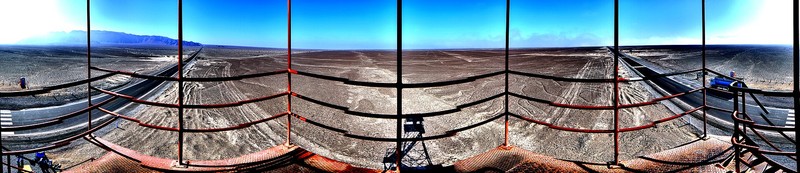
Some geoglyphs can also be viewed from roadside observation points and dedicated towers along the Pan-American Highway. These provide a way to see selected lines without flying, although the view from the ground is limited.
Historical Significance
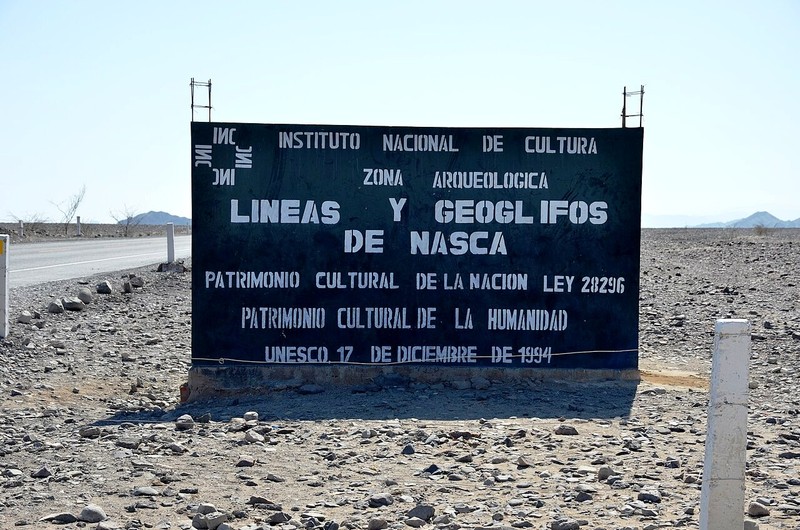
The Nazca Lines demonstrate the remarkable ability of ancient societies to organise space and create monumental designs within a natural landscape. In 1994, the Nazca and Palpa geoglyphs were inscribed on the UNESCO World Heritage List. Today, the area is regarded as one of South America’s most important archaeological sites and attracts researchers and travellers from around the world.
Gallery