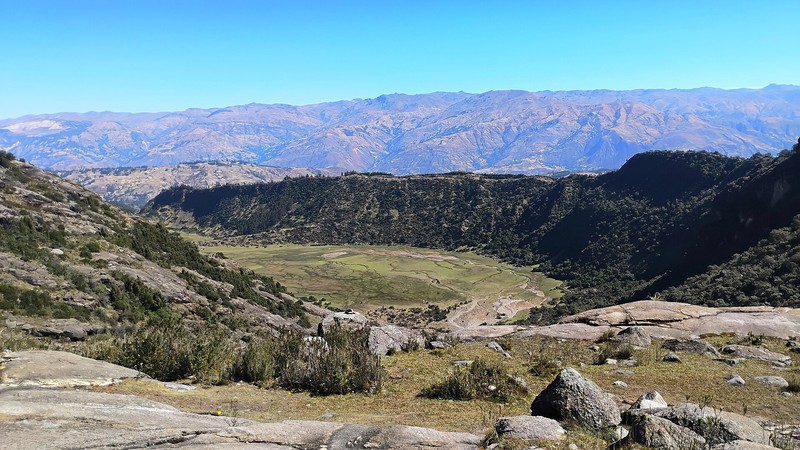
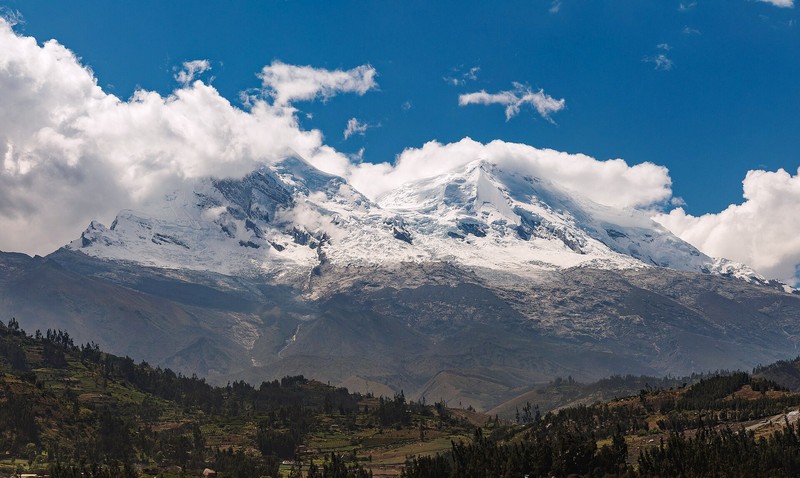
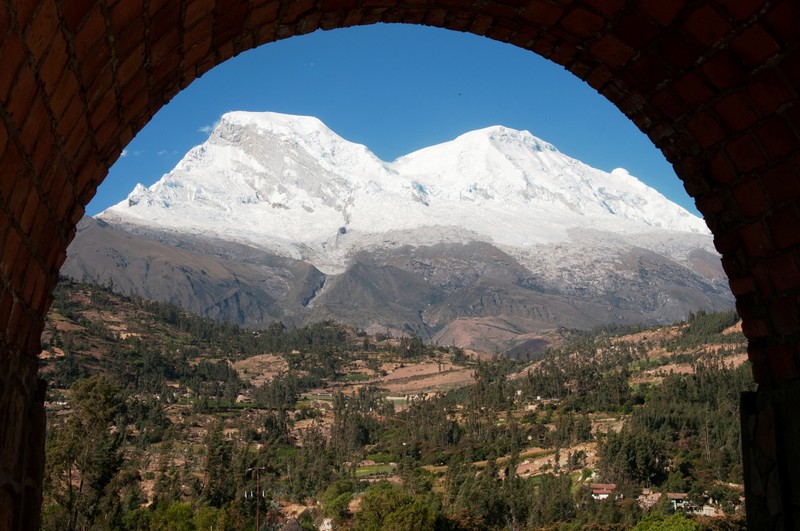
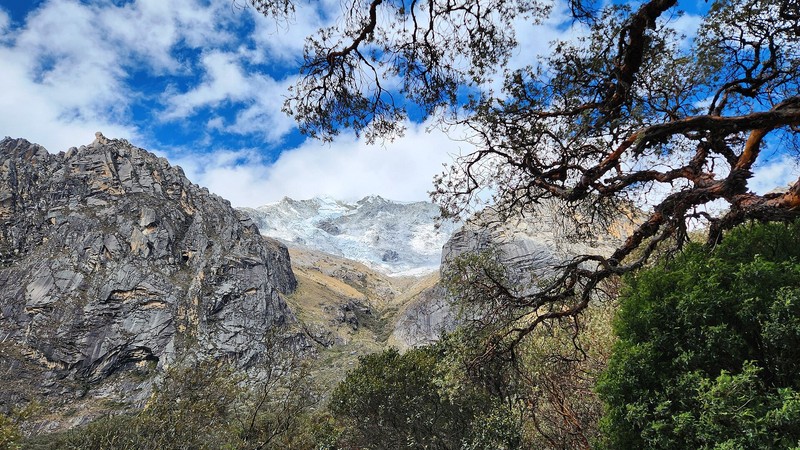
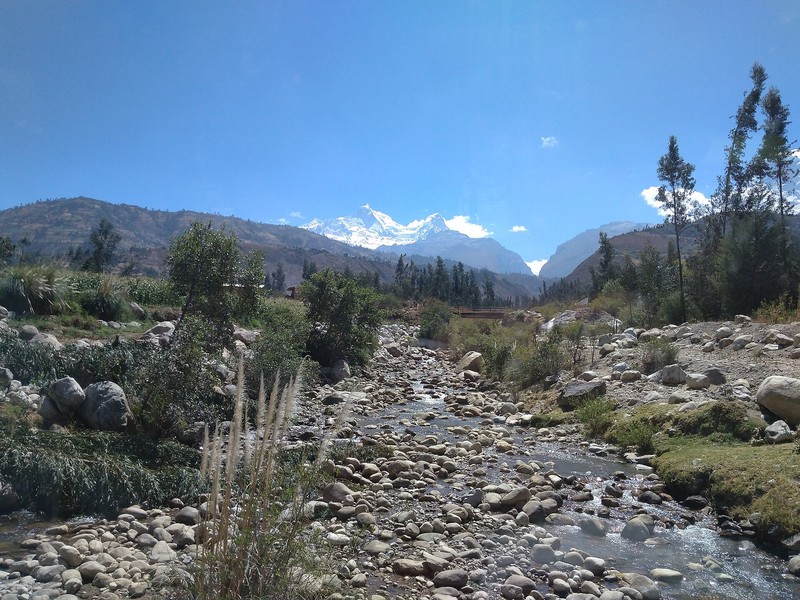
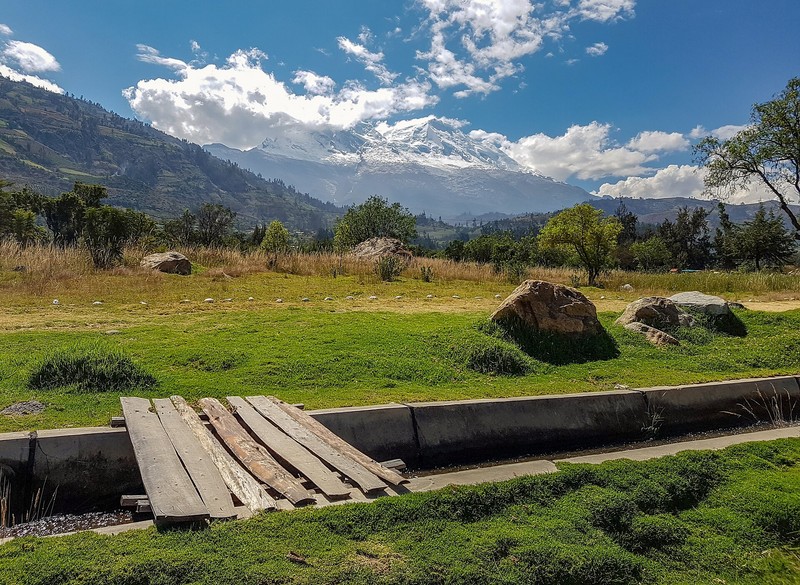
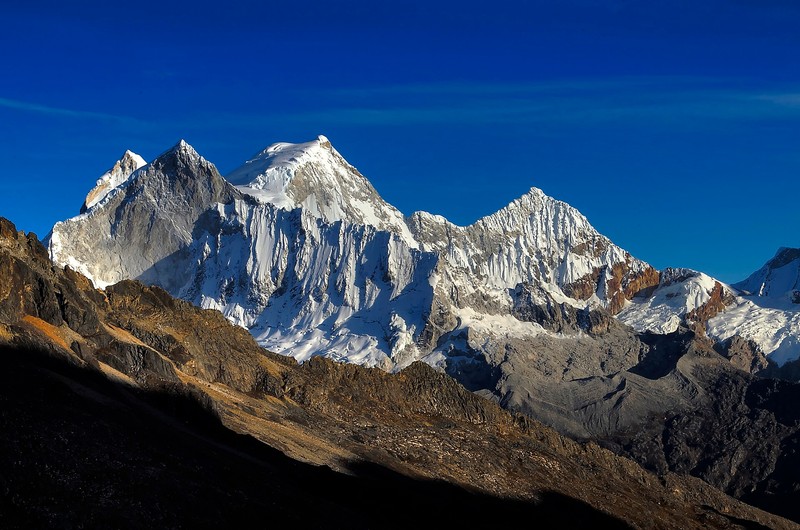
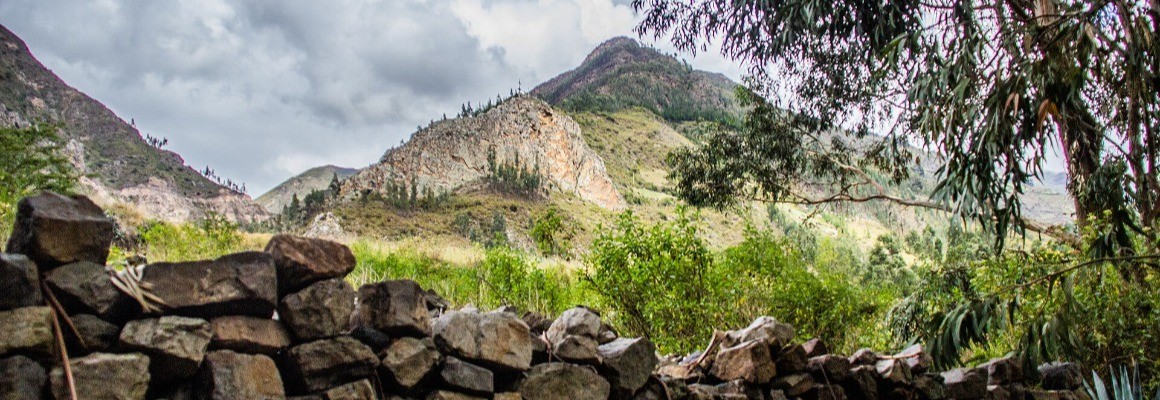
Huascarán National Park is one of Peru’s most spectacular natural areas, located in the Ancash region in the central Peruvian Andes. It protects the snow-covered peaks of the Cordillera Blanca, turquoise glacial lakes, deep ravines, mountain rivers and high-altitude valleys. The park safeguards unique ecosystems within one of the world’s highest tropical mountain ranges and is considered one of Peru’s most important natural treasures.
The park covers approximately 340,000 hectares. It was established in 1975, became part of the Huascarán Biosphere Reserve in 1977 and was inscribed on the UNESCO World Heritage List in 1985. Its most famous landmark is Mount Huascarán, at 6,768 metres, the highest mountain in Peru. The park is also renowned for its many glacial lakes, diverse vegetation and rare animals adapted to demanding high-altitude conditions.
Where Huascarán National Park is located
The park lies in the Ancash region, north of Lima, and protects a large part of the Cordillera Blanca mountain range. It extends across several provinces, including Huaraz, Yungay, Carhuaz and Recuay. The city of Huaraz, situated in the Callejón de Huaylas valley, is the region’s main tourism hub and a common starting point for trips to mountain lakes, glaciers and hiking trails.
The Cordillera Blanca is one of the highest tropical mountain ranges on Earth. Dozens of its peaks rise above 6,000 metres. The contrast between snowy summits, green valleys, rocky slopes and clear lakes creates an exceptionally varied landscape. Elevations range from mountain valleys at around 2,500 metres to peaks where the air is thin and weather conditions can be severe.
Mount Huascarán: the symbol of the park
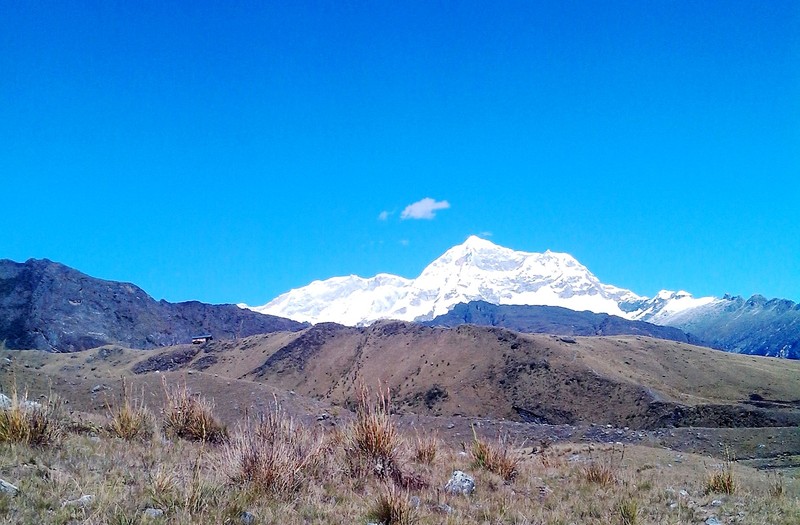
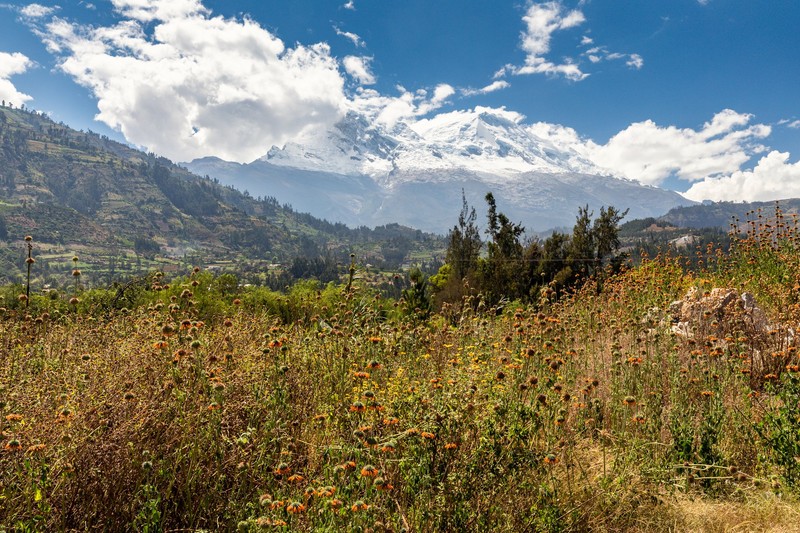
The national park takes its name from Mount Huascarán, which reaches 6,768 metres. The massif has two principal summits, North and South Huascarán. Glaciers cover its upper slopes, and the mountain rises above the surrounding valleys to form one of the most recognisable silhouettes in the Peruvian Andes. On clear days, it can be seen from many parts of the Ancash region.
Climbing Huascarán is a serious mountaineering undertaking. It requires high-altitude experience, strong physical fitness, specialised equipment and qualified mountain guides. Hazards include altitude, low oxygen levels, crevasses, steep snow slopes, rockfall and rapidly changing weather. For most visitors, hiking to viewpoints and lakes is a more accessible way to enjoy the mountain scenery without attempting the summit.
Glaciers and high-altitude lakes
One of the park’s defining features is its abundance of glaciers and glacial lakes. According to Peru’s protected-area service, the park contains hundreds of glaciers and more than four hundred lakes. Meltwater feeds streams and rivers that flow through mountain valleys and are essential to the region’s ecosystems and communities.
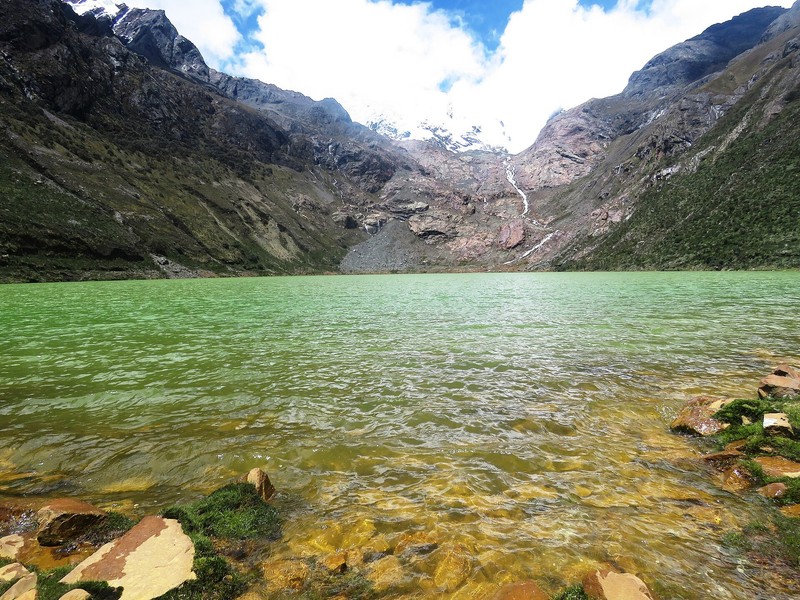
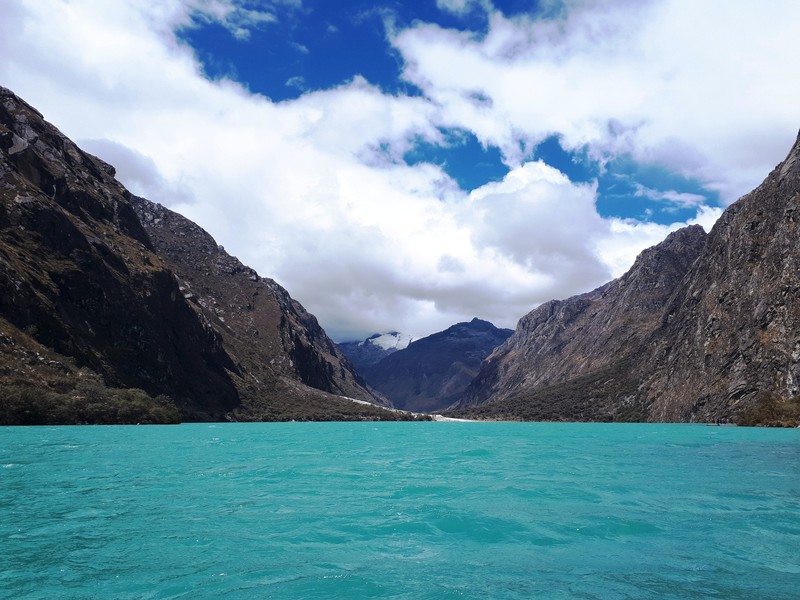
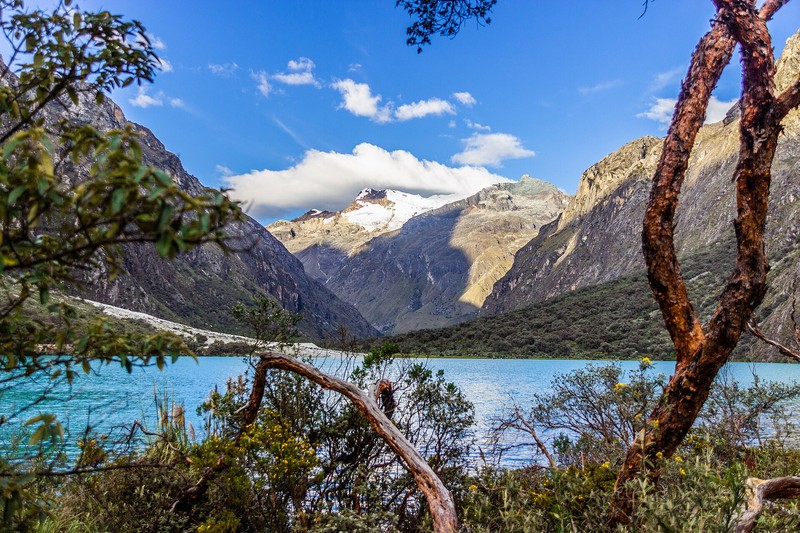
Among the best-known destinations are the Llanganuco Lakes, located in a valley between towering mountain slopes. The most visited lakes are Chinancocha and Orconcocha. Chinancocha is famous for its vivid turquoise-green water, which contrasts with dark rocks, vegetation and snowy peaks. It is one of the park’s most popular places for photography and short walks.
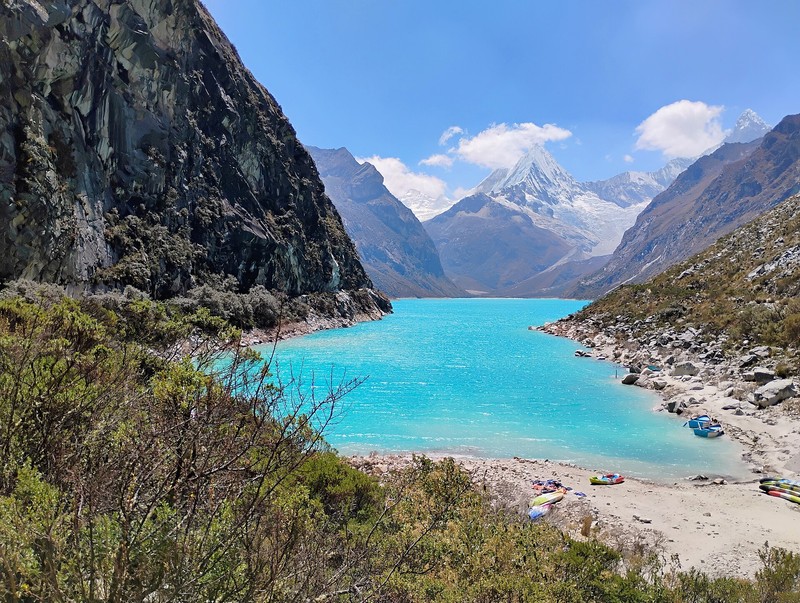
Another celebrated destination is Laguna 69, surrounded by dramatic mountain slopes. Its bright blue water and snow-covered peaks have made it one of Peru’s best-known natural attractions. The hike crosses high-altitude terrain and usually takes several hours uphill. The elevation can make the route strenuous even for fit travellers, so it is important to walk at a suitable pace, drink water and watch for signs of altitude sickness.
The park’s glaciers are important for more than their beauty. They act as natural freshwater reserves, supporting river systems and water supplies in inhabited valleys. Climate change is reducing glacier ice, affecting the landscape and the long-term availability of water. Protecting this glacial environment is one of the region’s major conservation challenges.
Llanganuco Valley
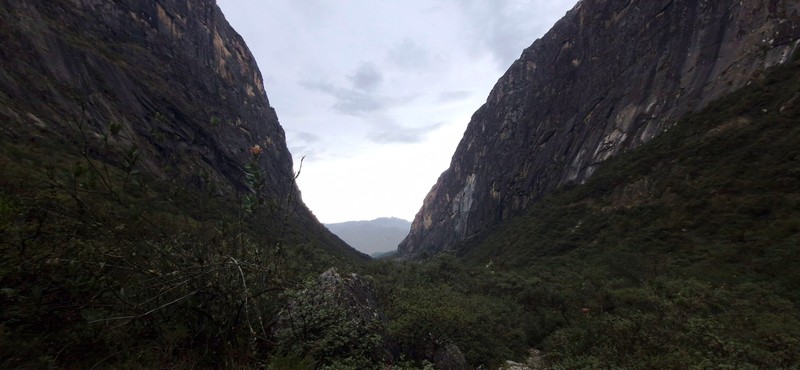
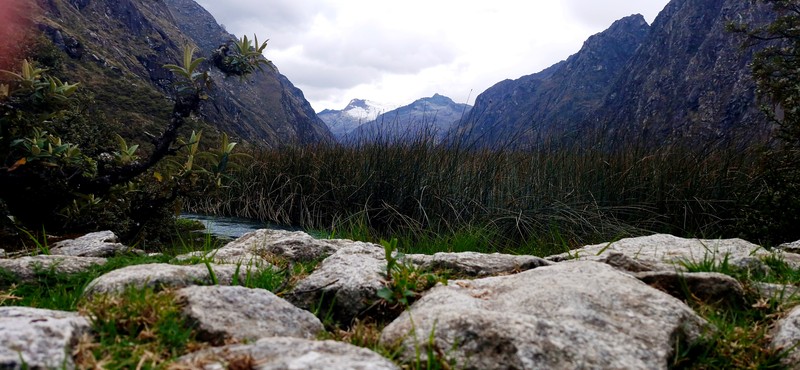
Llanganuco Valley is one of the park’s most famous areas. It lies beneath impressive mountain massifs, and the road passes high cliffs, forests and slopes covered with alpine vegetation. The valley’s two lakes, Chinancocha and Orconcocha, differ in water colour and surrounding scenery. On clear days, the mountain peaks are reflected in the still water.
Visitors can walk along accessible paths, take photographs and observe the local vegetation. Some parts of the area can be reached by vehicle, but walking provides a better sense of the scale of the surrounding mountains. Access conditions, visitor rules and the availability of activities may change with the season and park management decisions.
Laguna 69 and mountain trails
Laguna 69 is considered one of Peru’s most beautiful high-altitude lakes. It lies at approximately 4,600 metres above sea level, surrounded by steep cliffs and snowy peaks. Its brilliant blue water, glacial scenery and remote setting make it especially appealing to hikers.
The trail usually begins in the Llanganuco Valley area. Along the way, hikers cross mountain meadows, streams, rocky sections and open terrain with views of the surrounding peaks. The ascent takes several hours, depending on pace and trail conditions. Because of the altitude, it is best to attempt the hike after acclimatising in Huaraz or another settlement in the region.
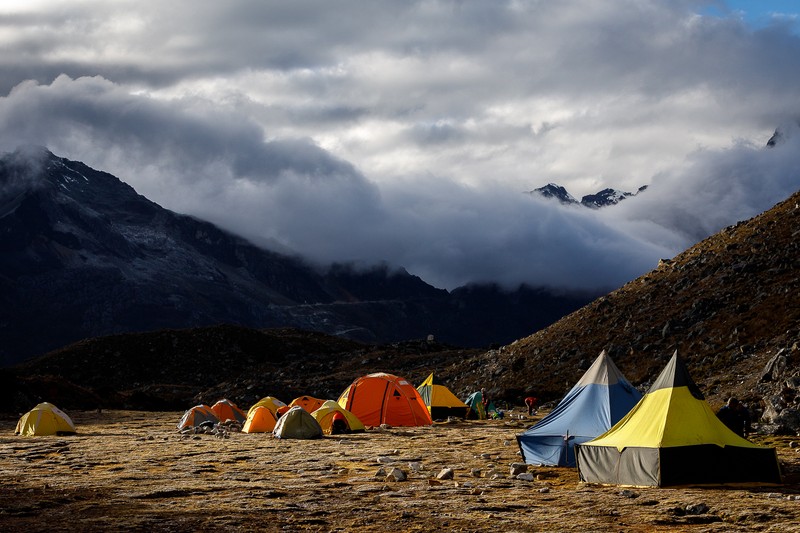
The park offers other routes of varying lengths and difficulty, including multi-day treks through the Cordillera Blanca, walks to glacial lakes, high mountain passes and approaches to mountaineering base camps. Before setting out, check trail conditions, the weather forecast and current visitor regulations. A local guide is recommended for difficult routes.
Plant life: from mountain grasslands to forests
The park’s vegetation is highly diverse because of its wide range of elevations. Lower valleys contain patches of montane forest, shrubs and plants adapted to milder conditions. Higher up, high-altitude grasslands and low-growing plants dominate, surviving strong winds, cold nights and intense sunlight.
One of the region’s most unusual plants is Puya raimondii, also known as the Queen of the Andes. This giant bromeliad produces an enormous flowering spike that can grow several metres tall. It grows slowly and flowers only once in its life cycle, after which the plant usually dies. Its limited distribution and vulnerability make it a significant conservation priority.
Some areas contain Polylepis forests, formed by trees adapted to the cold conditions of the high Andes. These forests help protect soils, retain moisture and support local ecosystems. The park’s plants shape its varied landscapes while providing food and shelter for wildlife.
Wildlife in the national park
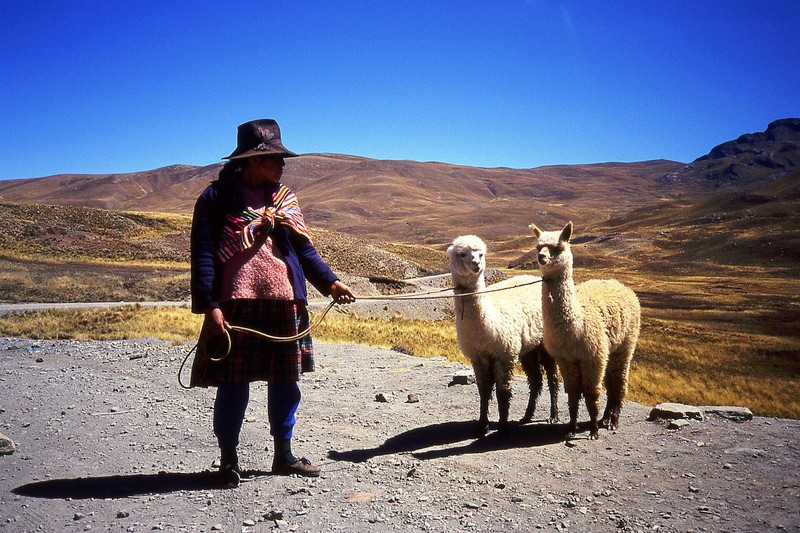
Huascarán is an important refuge for Andean wildlife. The park is home to vicuñas, graceful relatives of llamas known for their fine wool and ability to survive at high elevations. Andean deer, mountain foxes, pumas and other mammals also occur here. Some species are elusive, so observing them requires patience and respect for their natural habitat.
The spectacled bear, the only surviving bear species native to South America, is particularly important. It favours forested mountain habitats and plays a valuable role in the ecosystem. Another symbol of the Andes is the Andean condor, a large bird that uses rising air currents to soar above ravines and valleys. Many bird species have been recorded in the park, including hummingbirds adapted to mountain environments.
Wildlife conservation depends on protecting habitats, managing human activity and encouraging responsible tourism. Visitors should not feed wild animals, approach them for photographs or leave food waste behind. Observe wildlife from a distance without disturbing its normal behaviour.
Archaeological heritage of the Andes
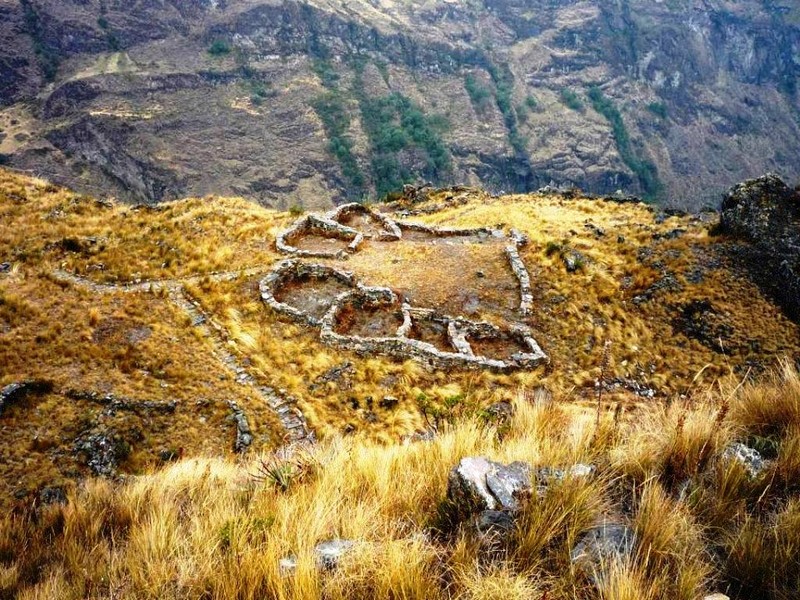
Huascarán National Park is important not only as a natural reserve but also for its rich archaeological heritage. People have lived in this part of the Andes for thousands of years, adapting to rugged terrain and a cold climate. Ancient terraces, stone structures, remnants of roads and irrigation canals, burial sites and rock art have been found within and around the park.
These discoveries show that mountain valleys were used for farming, livestock grazing, travel between settlements and trade. Archaeological sites add cultural value to the region and help explain the history of the peoples who inhabited the Andes before the arrival of Europeans. Visitors should not touch ancient structures, move artefacts or ignore conservation rules.
Things to do in Huascarán National Park
The main activities in the park involve hiking, nature observation and exploring high-altitude landscapes. Visitors can walk to glacial lakes, follow mountain valleys, photograph snow-covered peaks and watch birds. More experienced travellers choose multi-day treks and routes crossing high mountain passes.
The Cordillera Blanca also attracts mountaineers from around the world. Climbing high peaks requires specialised training, acclimatisation, ice and mountaineering equipment, and knowledge of glacier travel. Even relatively short walks at high elevations can be physically demanding. Assess your experience before choosing a route and never underestimate mountain weather.
Photographers will find turquoise lakes, mountain reflections, glacier walls, alpine flowers and wildlife particularly rewarding. Early morning often brings softer light, although conditions in the mountains can change quickly. Camera protection against rain, dust and cold is useful.
When to visit the park
The dry season, from May to October, is generally considered the best time to visit. Rainfall is usually less frequent, making hikes and trips to the lakes more convenient. Days can be sunny, but nights and early mornings remain cold at high elevations. Even during the dry season, weather can change rapidly, with strong winds and snow possible at higher altitudes.
The rainy season generally runs from October or November to April, although timing varies with the year and elevation. Rain can worsen trail conditions, trigger rockfalls and make some areas difficult to reach. Before travelling, check the forecast, current trail conditions and any restrictions imposed by park authorities.
How to get to Huascarán National Park
Most travellers begin in Huaraz, which can be reached by road from Lima. Depending on the route and transport schedule, the journey takes several hours or much of the day. Tours from Huaraz visit popular park destinations, including the Llanganuco Lakes and trailheads for hiking routes.
The park covers a large area, so visiting different sections may require separate trips. Some places are accessible by road, while others can only be reached on foot. Before travelling, confirm the entrance point, opening arrangements, access rules and transport availability. For remote areas and multi-day treks, consider using an experienced local guide or reputable operator.
Practical travel advice
Altitude is one of the most important factors to consider when visiting Huascarán. After arriving in Huaraz, allow time to acclimatise and avoid beginning with the most difficult route. Headache, nausea, weakness and unusual shortness of breath can be signs of altitude sickness. If symptoms worsen, stop ascending and seek medical assistance when needed.
Bring sturdy hiking boots, warm layers, a waterproof jacket, a hat, sunglasses, sunscreen and sufficient drinking water. Ultraviolet radiation is particularly intense at high elevations, and mountain weather can change in minutes. For remote routes, carry cash, an offline map and a charged phone or another means of communication.
Follow the rules of the protected area: do not leave rubbish, pick plants, disturb wildlife or leave authorised trails. Keep away from the edges of glacial lakes, never venture onto glaciers without proper training and equipment, and do not cross dangerous sections without a guide. Responsible behaviour helps preserve the park’s unique environment for future generations.
Why visit Huascarán National Park
Huascarán National Park brings together the most recognisable features of the Peruvian Andes: towering snowy peaks, ancient glaciers, turquoise lakes, diverse wildlife and traces of ancient civilisations. Visitors can take a short walk to a mountain lake, spend several days trekking or watch mountaineers tackling icy summits. The park reveals Peru’s natural richness and shows how closely human communities depend on mountain ecosystems and their water resources. For nature lovers and mountain travellers, Huascarán is one of the country’s most memorable destinations.
Gallery