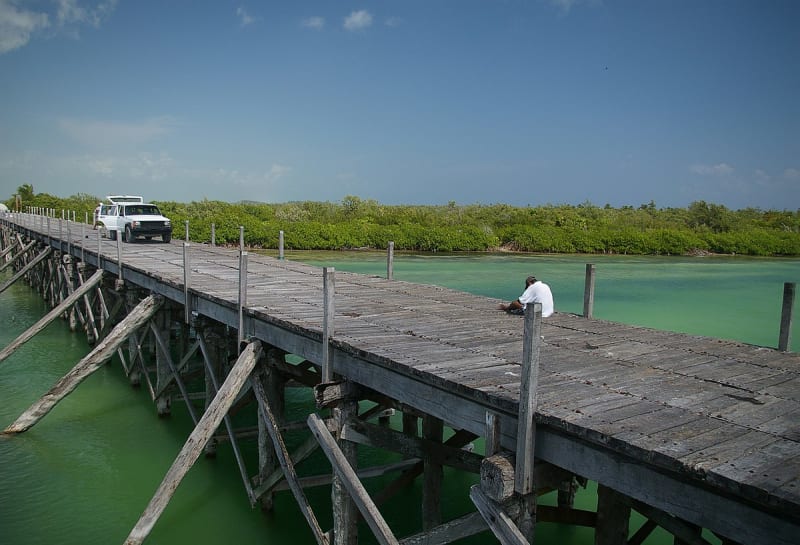

Sihan Kaan is a famous nature reserve in Mexico. It is located in the popular tourist area of the Riviera Maya, created by a private non-profit company to preserve the unique biosphere of the Yucatan Peninsula. It has been a national park since 1986.
Geographical features
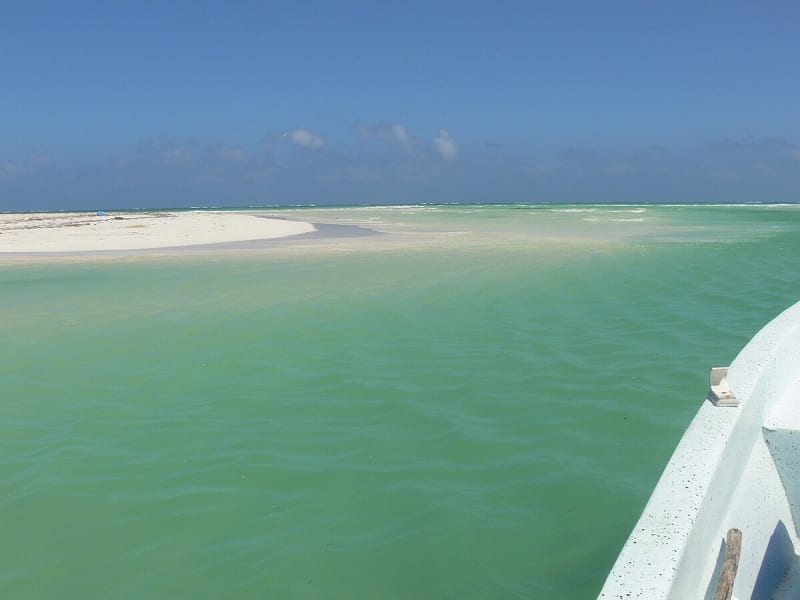
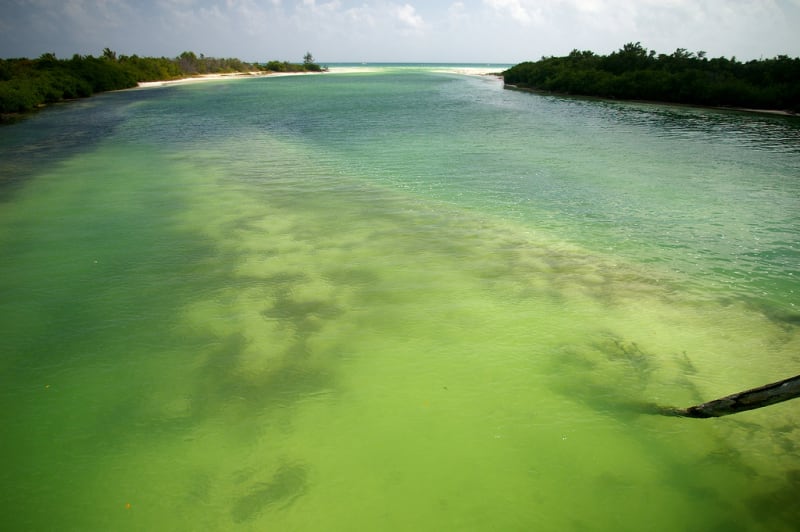
Sihan Kaan covers 5,280 square kilometers. The park stretches along the Caribbean coast for 120 kilometers. There are tropics, wetlands and coastal lagoons. The Mesoamerican Barrier Reef, the largest in the world after the Great Barrier Reef, also belongs to the protected area. Hundreds of species of trees, shrubs and herbaceous plants grow in the park. It has become home to many animals and insects, it is not surprising that Sihan Kaan has been protected by UNESCO since 1987.
The diversity of the landscape, plants and animals is determined by the climatic features of the zone. It's always warm here. The average annual temperature is +27 °C. The rainy season with heavy precipitation (from June to September) alternates with a dry period (from October to May).
History of geology
The name of Xian Kaan Park is translated from the ancient Mayan language as "the place where the sky is born." According to another version, it is a "gift from heaven." In any case, it's poetic and completely justified. The Yucatan Peninsula is unique: it is an extensive limestone platform descending into the Gulf of Mexico and the Caribbean Sea. There are no rivers on the peninsula, but it does not experience a shortage of fresh water, it is sufficient in underground reservoirs.
Many thousands of years ago, the area of Xian Kaan was covered with dense vegetation, but then it sank under water for a long time. This is evidenced by countless underground rivers and reservoirs, as well as periodically discovered remains of ancient marine life. Then the water disappeared, giving way to a modern landscape. Scientists believe that the geology of the peninsula was also affected by the fall of a meteorite that occurred more than 60 million years ago. A ring with a diameter of 5 kilometers has formed in its crater, consisting of many underground channels and caves filled with fresh water. The Indians called them cenotes.
Flora and fauna of the park
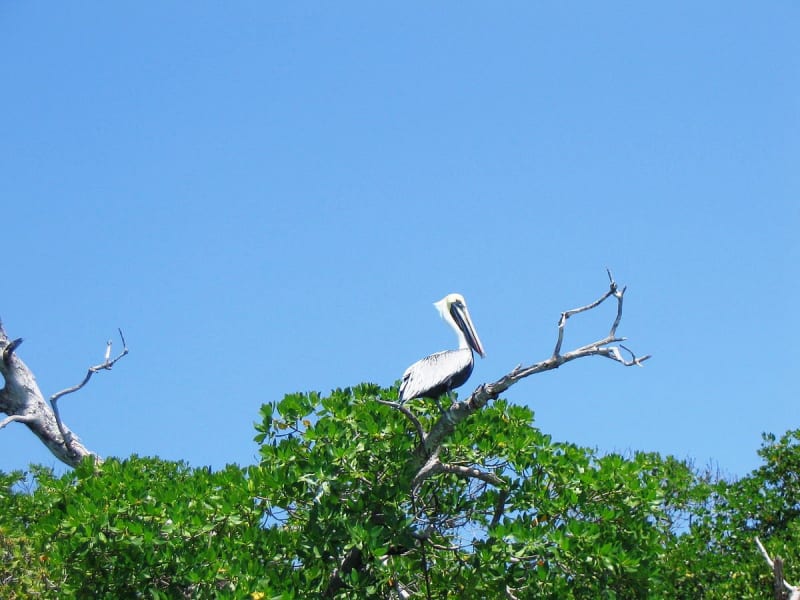
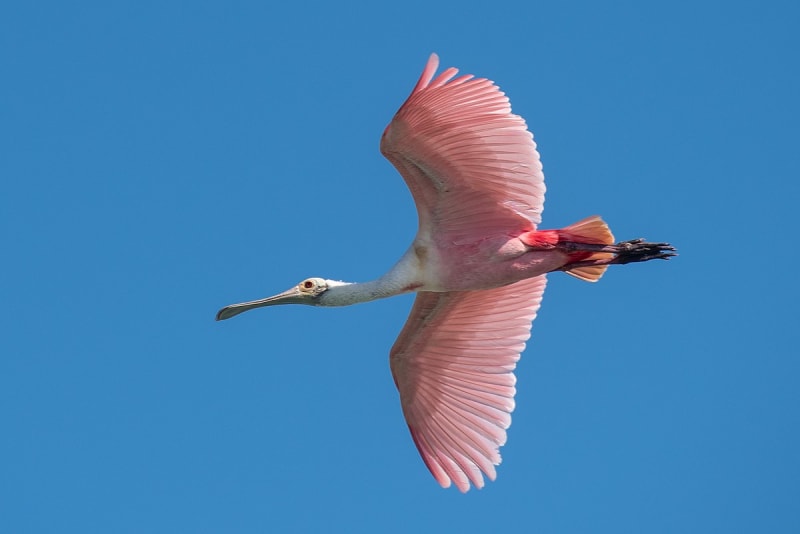
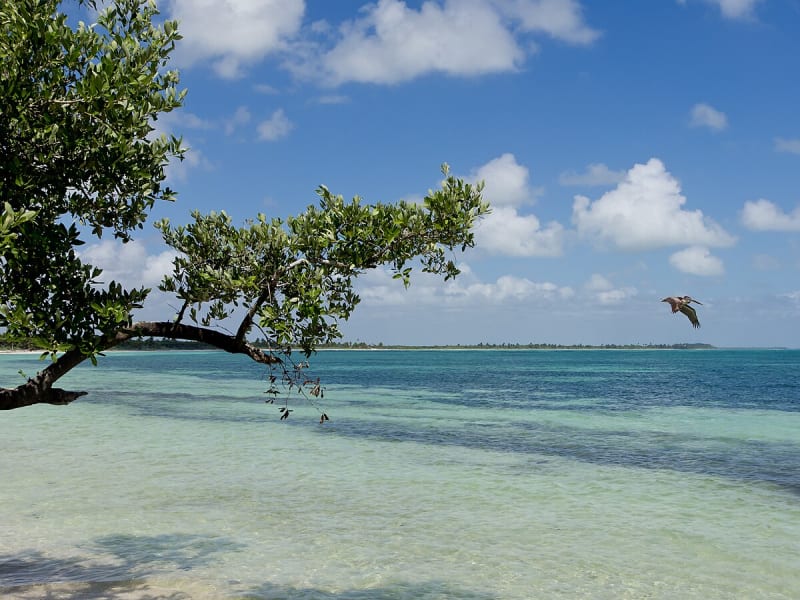
The protected area of Sihan Kaan Park is home to more than 300 species of birds and more than a hundred species of mammals. In winter, birds from many northern countries flock here. Pelicans, ibises, herons, storks, cormorants, and frigates can be found here. Monkeys, crocodiles, cougars, ocelots, and jaguars can be seen among the large animals. The coral reef provides shelter to many species of marine life. These are crabs, sea turtles, moray eels, barracudas, and sharks.
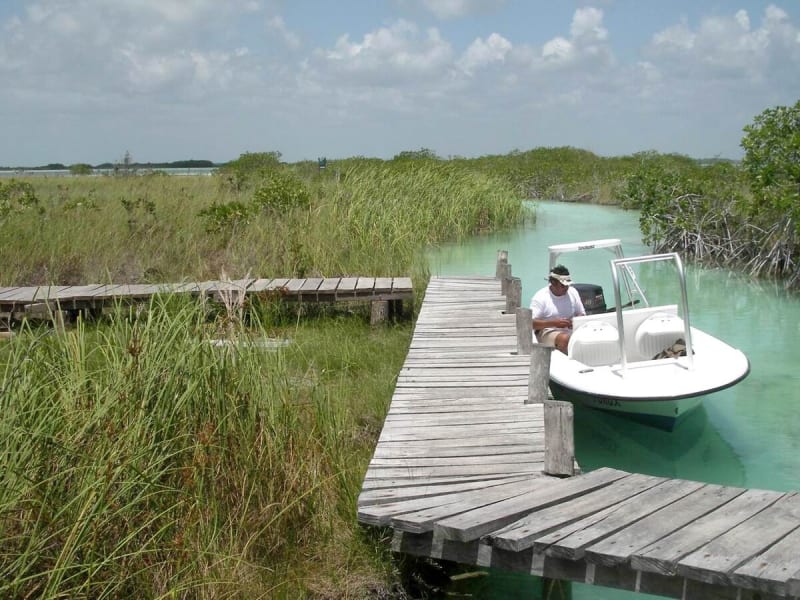
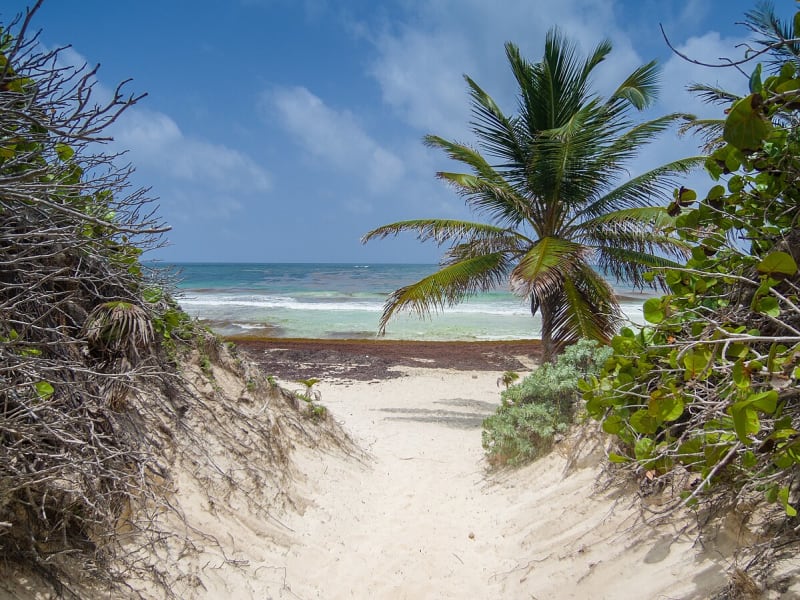
The flora is no less diverse. Palm trees, reeds, and tall savannah grasses can be seen in the reserve. Evergreen mangrove trees grow along the shores. The salty soil was also mastered by sea grapes. Its delicious fruits are similar to muscadine grapes.
Tourism
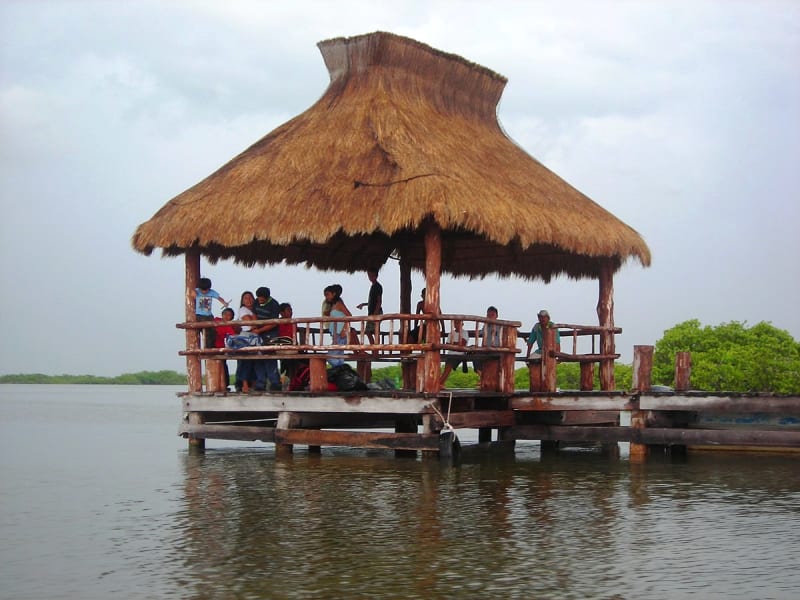
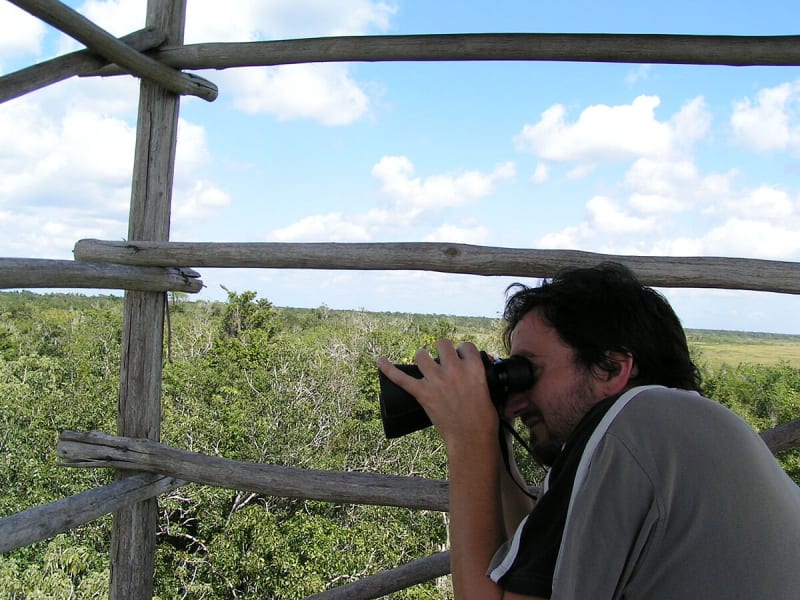
Numerous tours are organized for tourists in the Xian Kaan Nature Reserve. This includes safaris, boat trips along the mangroves, and sport fishing. Scuba divers can admire the colorful world of the reef barrier. The depth of the sea here does not exceed five meters, diving is very popular.
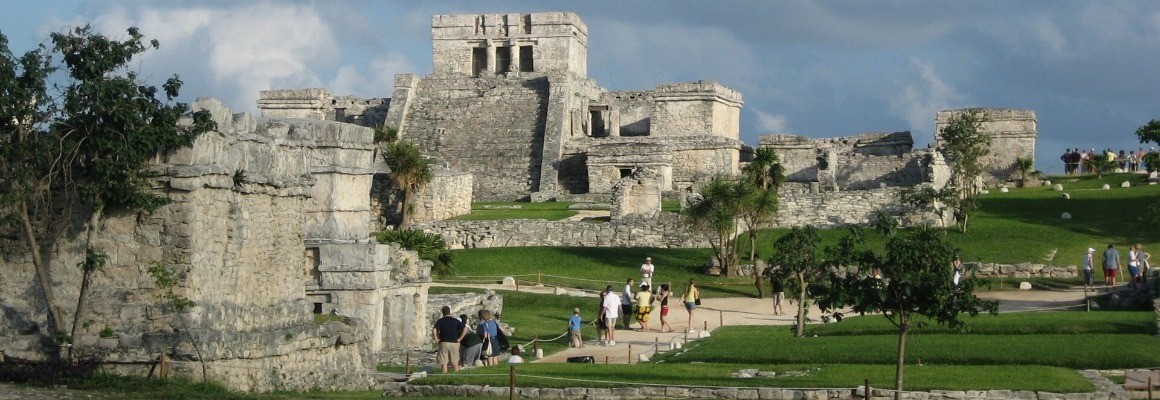
The territories of the national park were once inhabited by the Maya civilization. Today, numerous excavations are underway in these places. Some of them can be visited by tourists. The Muyil, Huaymil and Culebra Island zones, where scientific research is conducted, are restricted to visits. You can get to Sihan Kaan by car or taxi. The nature reserve is only a 2-hour drive from Cancun. The city of Tulum is even closer, and it takes less than half an hour to get there by highway. The entrance to the park is limited, the easiest way to get here is for organized tourists.
Gallery