Joshua Tree National Park is one of the most distinctive natural areas in the United States, located in southern California. It is known for its unusual Joshua trees, enormous granite boulders, desert valleys, cacti and remarkably dark night skies. Two different desert ecosystems meet here–the Mojave and the Colorado–so the scenery changes noticeably as visitors travel from west to east.
The park covers approximately 3,218 km². It attracts hikers, rock climbers, photographers, geology enthusiasts and stargazers. Weathered rocks resemble giant sculptures, plants are adapted to limited water, and mountain ranges and open plains stretch across the horizon.
Location
The park lies in southern California, east of Los Angeles and northeast of Palm Springs. It protects desert landscapes between the Coachella Valley and the Morongo Basin. Main entrances are near the communities of Joshua Tree and Twentynine Palms. Driving from Los Angeles usually takes several hours, while the journey from Palm Springs is much shorter.
The landscape includes mountains, rocky plains, dry valleys, seasonal watercourses and a few natural oases. Elevation changes create different conditions for plants and animals. Because attractions are spread across a large area, exploring by car and combining scenic drives with short walks is often the most convenient approach.
History of the park
On August 10, 1936, President Franklin D. Roosevelt established Joshua Tree National Monument to protect the area's unusual desert landscapes, plants and cultural resources. In 1994, the California Desert Protection Act elevated it to national park status and expanded the protected area.
Human history in the region extends back thousands of years. Indigenous peoples, including the Cahuilla, Serrano, Chemehuevi and Mojave, have longstanding connections to this landscape. They used native plants to make baskets, sandals and other everyday objects, and some plant parts provided food. Later, ranching, mining and small settlements left traces that can still be found in the park.
Today, the National Park Service manages the area. Its mission includes protecting not only Joshua trees and rock formations, but also desert ecosystems, archaeological sites, historic structures and the natural processes that sustain native species.
The Joshua tree: the park's signature plant
The park's best-known plant is the Joshua tree, Yucca brevifolia. Despite its name, it is not a true tree in the botanical sense, but a large tree-like yucca in the agave family. It has a thick trunk that often divides into several branches, with clusters of stiff, pointed leaves at their ends. Its unusual shape resembles a fantastical sculpture against the desert sky.
Joshua trees are especially characteristic of the Mojave Desert and grow in the park's cooler, higher-elevation areas. They grow slowly and are adapted to irregular rainfall, hot summers and occasional winter freezes. Most reach several metres in height, while some individuals can exceed 12 metres.
The average lifespan is estimated at around 150 years, although some plants may live for more than 300 years. Their exact age is difficult to determine because they do not form conventional annual growth rings. Researchers estimate age using height, branching patterns and growth rates. National Park Service estimates suggest that about 870,000 Joshua trees grow within the park.
Where the name comes from
A popular explanation links the name to Mormon settlers in the nineteenth century. According to the story, the plant's raised branches reminded them of the biblical Joshua guiding people westward. Historical evidence for this account is limited, so it is best regarded as a widely repeated explanation rather than a definitively proven origin.
Indigenous communities used the plant long before European settlers arrived. Strong leaf fibres could be made into baskets, ropes and sandals, while flower buds and seeds were used as food. The Joshua tree is therefore both a symbol of the desert and part of the region's cultural history.
Joshua tree flowering
In spring, clusters of whitish or greenish-cream flowers may appear at the ends of branches. Flowering depends on weather conditions, including rainfall and winter temperatures, and does not occur equally every year. Blooms most often appear from late winter into spring.
Joshua tree reproduction is closely connected to specialised pollinators known as yucca moths. The moth transfers pollen, while its larvae consume some of the developing seeds. When conditions are favourable, flowers produce fruits containing seeds from which new plants may grow.
The future of Joshua trees is affected by climate. Changing temperatures, more frequent droughts and altered fire patterns may make it harder for young plants to establish and may change the areas suitable for their growth. Protecting the species is therefore an important focus of ecological research.
Two deserts in one park
A distinctive feature of Joshua Tree is the meeting of the Mojave and Colorado deserts. They differ in elevation, temperature, rainfall and vegetation, allowing visitors to experience several desert landscapes in one trip.
The western and higher-elevation parts belong to the Mojave Desert, where Joshua trees, junipers, pinyon pines and other plants adapted to cooler winters grow. The southern and eastern parts belong to the Colorado Desert, a western extension of the Sonoran Desert. Creosote bush, ocotillo, desert ironwood and different cacti are common there.
The transition is visible while driving through the park. Some areas feature Joshua trees and granite formations, while others are dominated by low shrubs and spiny cacti. This diversity makes the park valuable to tourists, botanists and desert ecologists alike.
Granite formations and geology
Joshua Tree is famous for its unusual rock formations. Rounded granite boulders, towers, cracks and piles of stone have developed over millions of years. Some rocks are extremely ancient: certain metamorphic formations are estimated to be about 1.4–1.7 billion years old.
The granite formed from magma that rose through Earth's crust and cooled underground. Cracks developed in the rock, allowing groundwater to enter and chemically weather the material, gradually rounding its corners. Erosion later removed surrounding soil and exposed the boulder piles. Today, these formations resemble natural mazes and are among the park's most recognisable features.
The rocks change colour throughout the day. They may look grey in the morning and take on warm golden or reddish tones at sunset. The contrast between boulders, spiny plants and open sky makes Joshua Tree a favourite destination for landscape photographers and climbers.
Notable places in the park
Hidden Valley is one of the park's best-known natural areas. A short trail passes between granite walls and boulders that enclose a small valley. It is an accessible place to discover characteristic rock formations and desert vegetation.
Jumbo Rocks is an area filled with especially large granite boulders, with walking routes winding between them. The unusual shapes attract climbers, and nearby campgrounds make it convenient to explore the surroundings and enjoy the night sky.
Skull Rock takes its name from a rock formation resembling a human skull. It is a popular roadside photo stop. Visitors can explore nearby boulders but should avoid unstable areas and protect the fragile desert soil.
Cholla Cactus Garden contains a dense concentration of cholla cacti. Under certain lighting, their spines can appear to glow golden, although the plants are hazardous to touch. Visitors should stay on the marked trail.
Keys View is an elevated viewpoint overlooking the Coachella Valley and surrounding mountains. On clear days, it offers broad views across the desert region. Popular viewpoints can become crowded around sunset, so visitors should plan for parking and possible access restrictions.
The Cottonwood area offers different desert vegetation, palm oases and traces of mining history. It illustrates how varied the park's natural conditions can be.
Palm oases in the desert
Although the desert appears dry, groundwater reaches the surface in a few places and supports California fan palms. Joshua Tree contains several natural palm oases. These green pockets provide important habitat for birds, insects and other wildlife.
Oases are sensitive to changes in water availability. Their survival depends on underground sources, so pollution, excessive water use and climate change can threaten them. Visitors should remain on designated routes and avoid disturbing the soil around water sources.
Desert wildlife
Despite harsh conditions, the park supports a wide range of wildlife. Desert hares, kangaroo rats, coyotes, foxes, bobcats, bats and other mammals live here. Many are nocturnal or most active at dawn and dusk, avoiding daytime heat. Animals may remain hidden during the day, even when signs of their presence are common.
Reptiles include lizards, rattlesnakes and the protected desert tortoise. Tortoises are vulnerable to habitat disturbance and should never be approached, handled or moved.
More than 250 bird species have been recorded in the park. Visitors may see roadrunners, quail, hawks, ravens and many other desert birds. The species present depend on season, vegetation and water availability. Bird and insect activity often increases in spring following rainfall.
Plants adapted to drought
Desert plants survive through specialised adaptations. Many have small leaves or spines that reduce water loss. Others germinate and flower quickly after rain, taking advantage of a brief period of favourable conditions. Some develop deep roots to reach water below the surface.
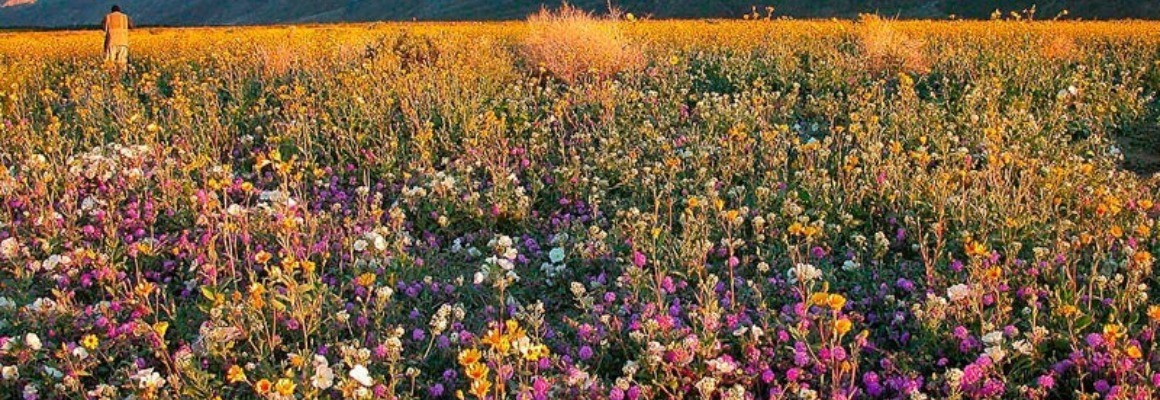
Cholla cacti, ocotillo, creosote bush, yuccas and many desert wildflowers grow in the park. After sufficient rainfall, some areas may bloom in spring, but the intensity of flowering varies from year to year.
Hiking and rock climbing
Joshua Tree offers hiking routes of different lengths and difficulty. Short trails provide views of Joshua trees, granite formations, small dams and desert plants without requiring a long trek. Longer routes lead to mountain summits, oases and remote valleys, but require fitness and careful planning.
The park is one of the best-known rock-climbing destinations in the United States. Thousands of routes cross granite faces and individual boulders. Climbers should choose suitable equipment, check the forecast and account for heat: exposed rock can become extremely hot and offers little shade.
Before setting out, consider distance, elevation gain, water availability and the time needed to complete the route. Even a short desert walk can become dangerous if heat and hydration needs are underestimated. Tell someone your plans and avoid leaving established routes without appropriate preparation.
Stargazing and the night sky
One of Joshua Tree's special attractions is its night sky. Away from city lights, visitors can see countless stars, the Milky Way and, under suitable conditions, meteor showers. The park is popular with astrophotographers because silhouettes of rocks and Joshua trees make striking foregrounds for night-sky images.
Choose clear nights and locations away from artificial light. Moon phases matter because bright moonlight reduces the visibility of faint stars. Desert temperatures can fall sharply at night, so warm clothing is useful even after a hot day. Visitors should respect the quiet and avoid shining bright lights at others.
Best time to visit
October through May is generally the most comfortable period to visit. Autumn and spring often offer suitable temperatures for hiking, while winter days can be cool, especially at higher elevations. In spring, some desert plants flower after sufficient rainfall, although the display varies each year.
Summer can be extremely hot. On the hottest days, temperatures may exceed 38°C, and exposed rocks and soil become even hotter. Long midday hikes are dangerous in these conditions. Summer visitors should favour short early-morning walks, scenic drives and viewpoints reached by car.
Winter days can be pleasant, but nights are cold and snow occasionally falls at higher elevations. Rain can cause sudden flows in dry washes and make dirt roads difficult. Check the forecast and current park alerts before travelling.
Getting there and accommodation
Most visitors arrive by car. Several entrances and roads connect the main attractions, making it possible to plan a day trip or a multi-day visit. Public transport to individual natural sites is limited, so a car or organised tour is usually more convenient.
Campgrounds, hotels and other accommodation options are available in and around the park. Camping offers the chance to spend a night beneath the stars, but popular sites can fill quickly during busy periods. Check reservation rules and the availability of water, toilets and other facilities, since desert infrastructure is limited and not every campground provides drinking water.
Before entering, fill the fuel tank and bring plenty of drinking water, food, sun protection and an offline map. Mobile coverage can be unreliable or unavailable. Do not assume that help or water will be easy to find everywhere in the park.
Desert safety
The main risks are heat, dehydration, sudden weather changes and the remoteness of some areas. Drink water regularly, protect yourself from the sun, dress for the conditions and start longer walks early in the day. Do not rely solely on a phone without a downloaded map.
Do not touch snakes or other wildlife, climb unstable rocks or leave trails without proper preparation. Rain can cause sudden flows in dry washes. Driving off authorised roads damages fragile soil and vegetation and is prohibited.
Conservation and cultural heritage
Desert ecosystems recover slowly. Footprints, damaged plants and litter may remain for a long time, so visitors should leave natural places as they found them. Do not pick plants, remove rocks, damage historic structures or disturb archaeological sites.
The park faces threats from climate change, fire, invasive plants, air pollution, light pollution and pressure from expanding communities. Protecting wildlife corridors and cultural sites requires ongoing research and cooperation with local communities, including Indigenous peoples with longstanding ties to the land.
Why visit Joshua Tree
Joshua Tree National Park combines unusual botany, ancient geology and striking desert scenery. Visitors can walk among granite boulders, see the famous Joshua trees, explore cactus gardens, watch birds and spend an evening beneath the stars. It works well for a short scenic drive as well as a multi-day trip with hikes and camping.
The defining impression is a sense of space and silence. The park shows how varied a desert can be and how plants, animals and people have adapted to life with limited water. Respectful travel helps preserve this fragile landscape for future generations.
Gallery