Great Smoky Mountains National Park lies along the border of Tennessee and North Carolina in the eastern United States. It protects part of the southern Appalachian Mountains, with forested ridges, deep valleys, mountain streams, and waterfalls. Covering approximately 2,113 square kilometres, it is one of the most visited national parks in the country and is renowned for its exceptional biodiversity and scenic landscapes.
Why the mountains look smoky
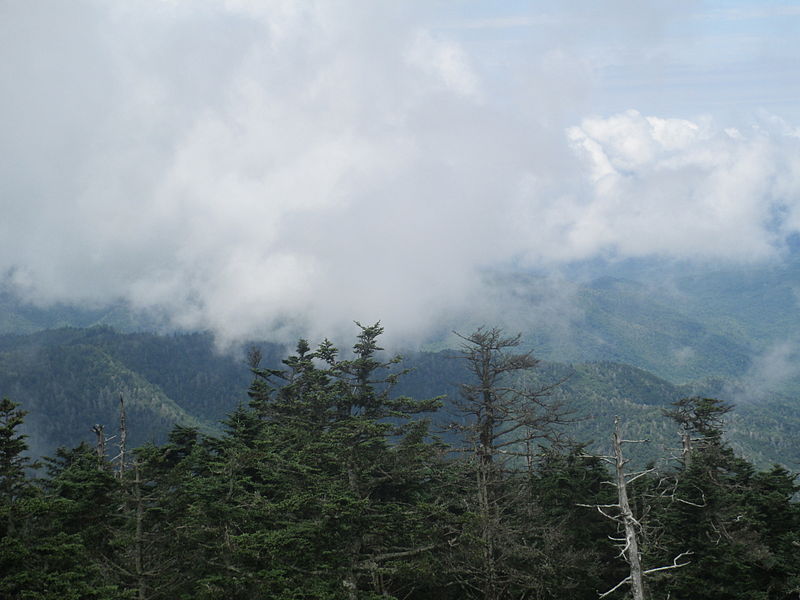
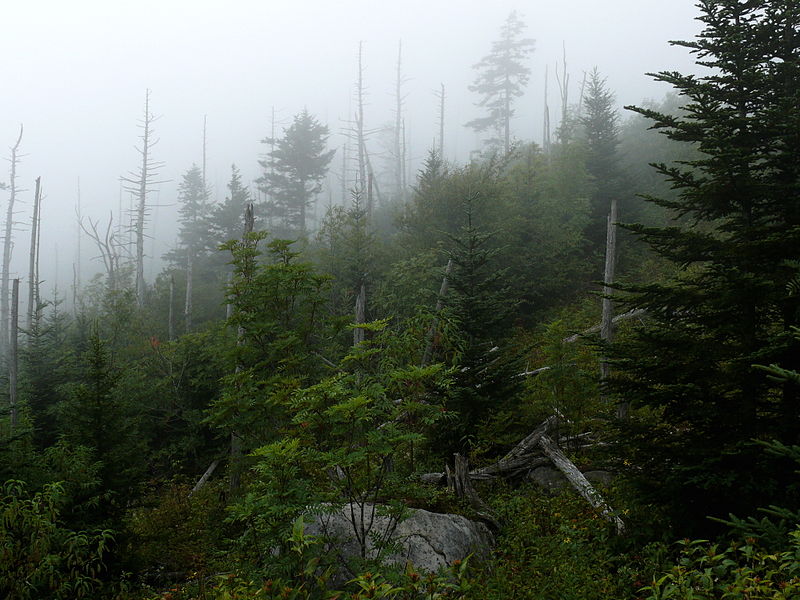
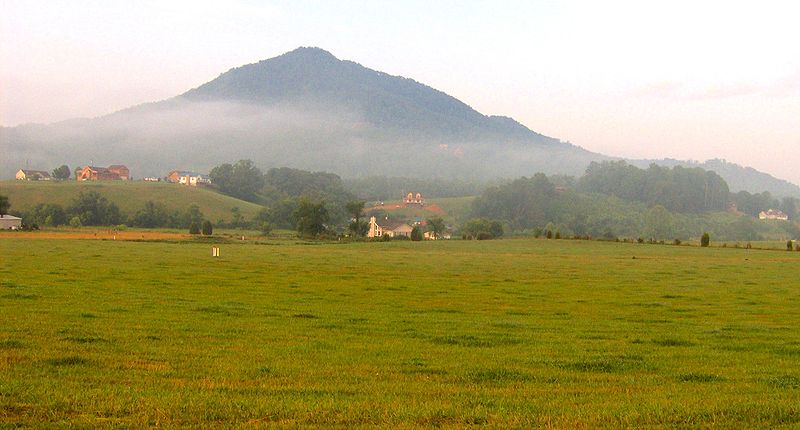
The name Great Smoky Mountains refers to the blue-grey haze that often hangs over the forested slopes. It forms partly from natural volatile compounds released by vegetation interacting with atmospheric conditions. The effect is especially striking in the morning, when clouds cling to the peaks and gradually drift away from the valleys.
Kuwohi and mountain views
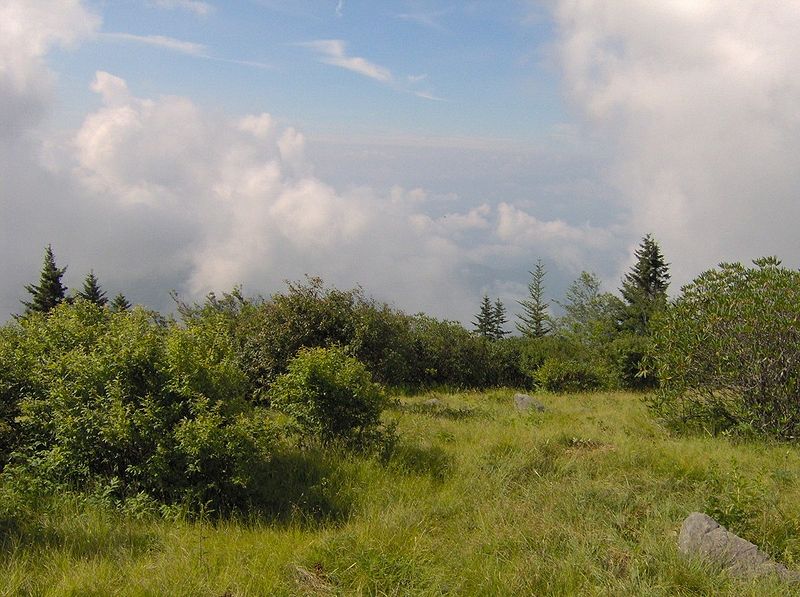
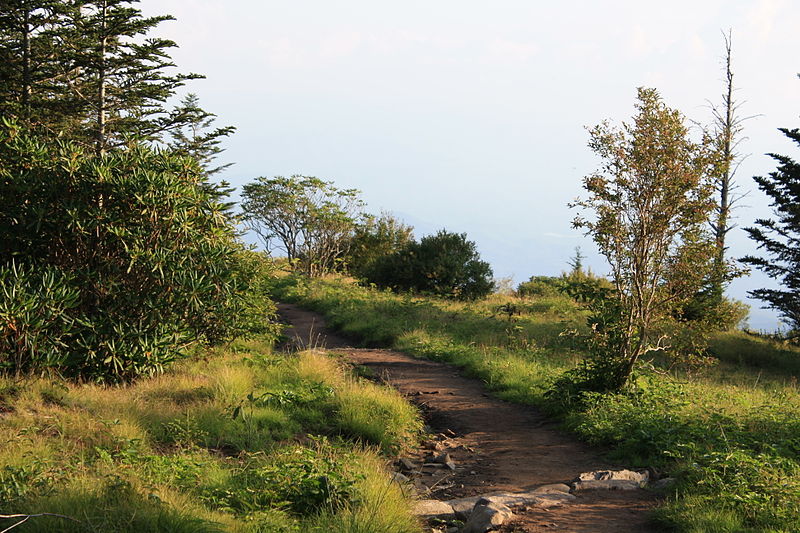
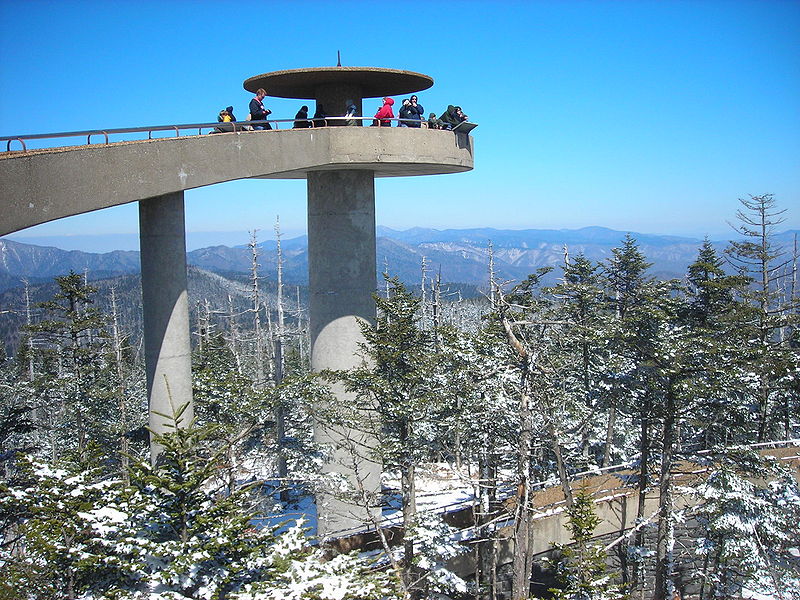
The park's highest point is Kuwohi, rising to approximately 2,025 metres. It was formerly widely known as Clingmans Dome. A paved path leads from the parking area to an observation tower, offering broad views across the Appalachian ridges. Temperatures near the summit can be considerably lower than in the valleys.
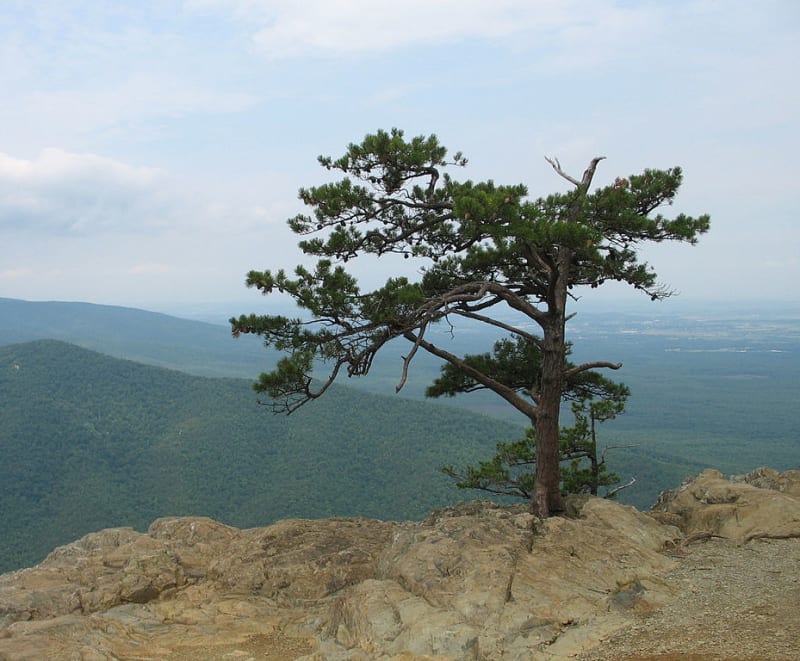
Other popular viewpoints include Newfound Gap, on the Tennessee–North Carolina border, and Charlies Bunion, known for its distinctive rocky outcrops.
Forests and biodiversity
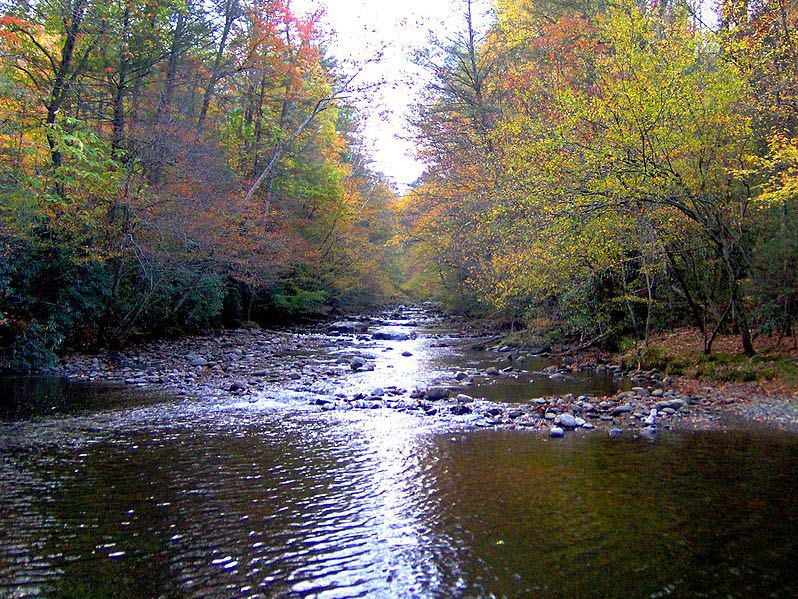
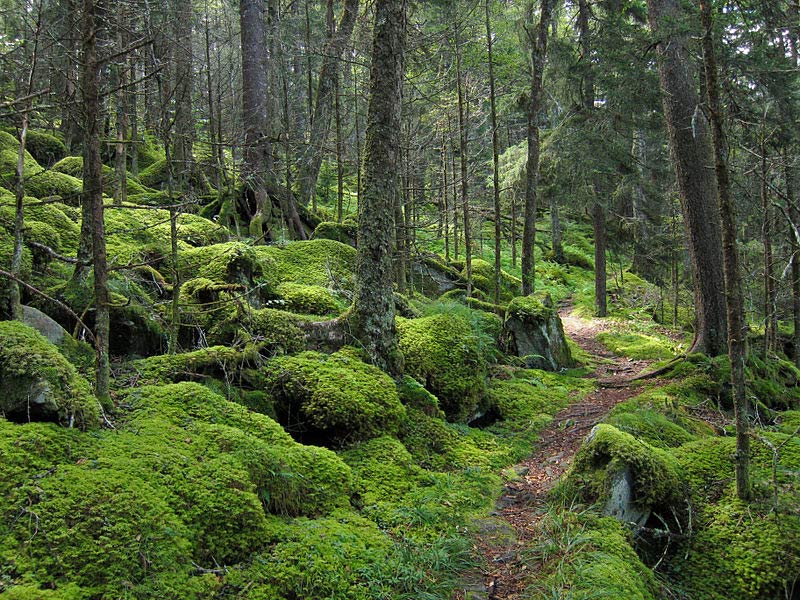
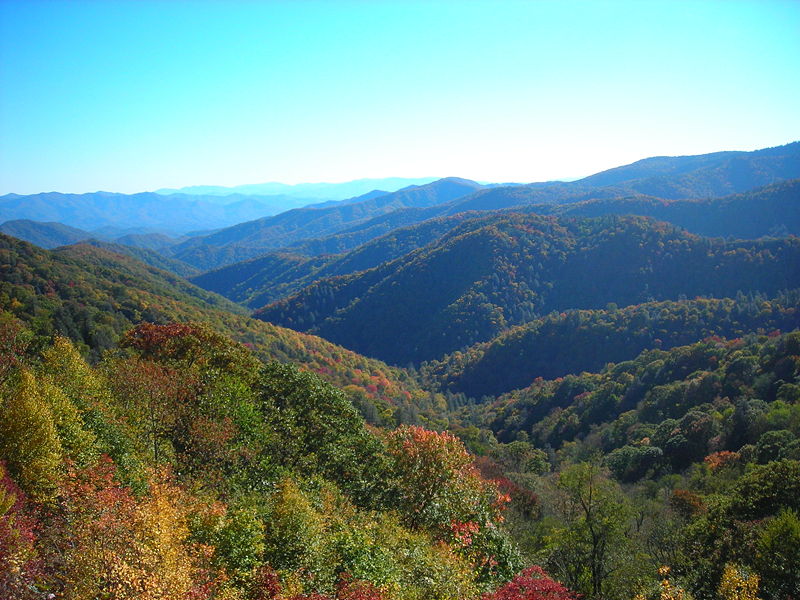
The park contains more than 100 native tree species. Deciduous and coniferous forests, ferns, mosses, and flowering plants form a wide range of habitats. Spring brings woodland flowers, while autumn transforms the slopes into shades of yellow, orange, and red.
More than 22,000 species of living organisms have been documented in the park, and scientists believe the true total is much higher. The Smokies are particularly famous for their salamanders. Moist forests, streams, and layers of fallen leaves provide ideal conditions for these amphibians.
Wildlife
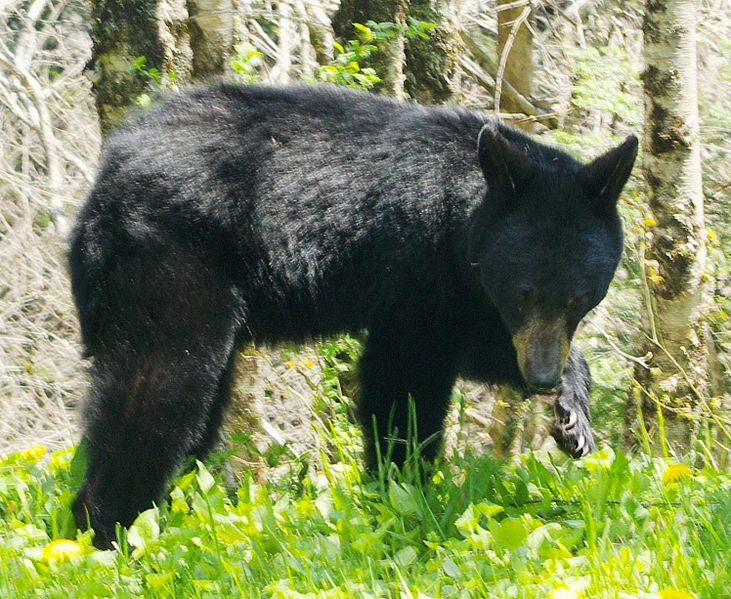
American black bears, white-tailed deer, raccoons, foxes, coyotes, and many small mammals inhabit the forests. Elk have also been reintroduced in certain areas. Birdlife includes numerous woodland and predatory species, while mountain streams support fish and aquatic invertebrates.
Wildlife should always be observed from a safe distance. Feeding animals or approaching them for photographs is dangerous, especially when bears or large deer are present.
Waterfalls and mountain streams
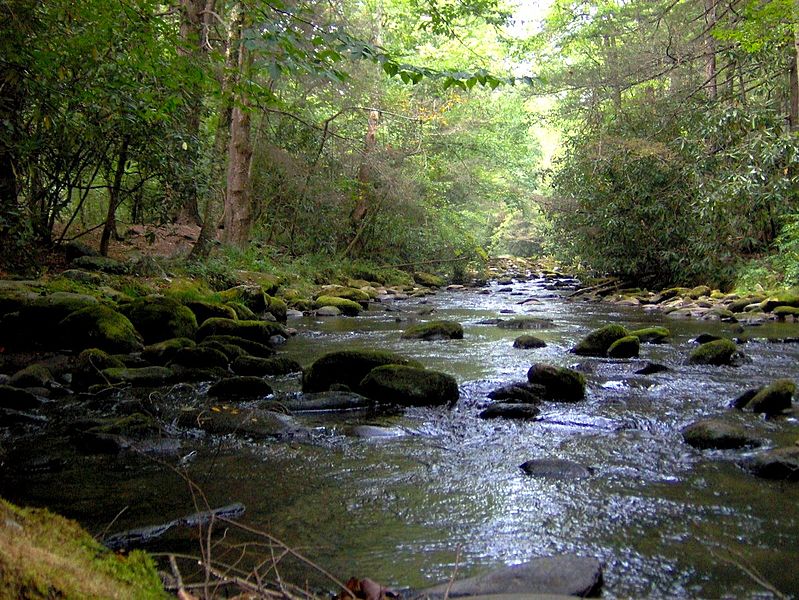
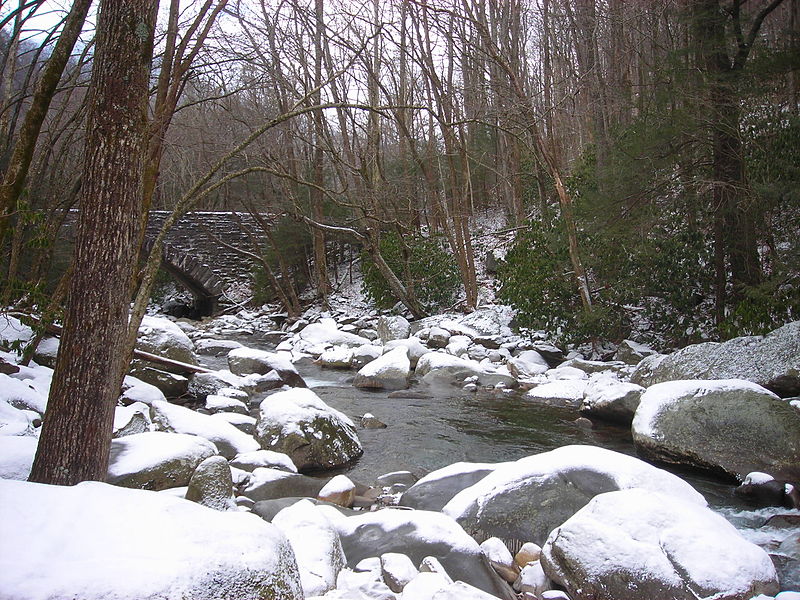
Thousands of kilometres of streams and rivers flow through the park, supplied by abundant rainfall. Water moves through forested valleys, crosses rocky cascades, and forms waterfalls. Popular hiking destinations include Laurel Falls, Grotto Falls, and Rainbow Falls. Some can be reached on relatively short walks, while others require longer hikes.
Mosses, ferns, and other moisture-loving plants thrive along the waterways. Streams are often fuller in spring, and water levels can rise rapidly after heavy rain. Rocks may be slippery, so visitors should follow trail guidance and avoid unsafe areas.
Cades Cove and mountain history
Cades Cove is a scenic valley surrounded by mountains and known for its historic buildings. Before the park was established, farming families lived here and grew corn and other crops. Log houses, barns, churches, and a gristmill survive as reminders of nineteenth-century mountain life.
The Cherokee used the area long before European settlement. European settlers began arriving in the early nineteenth century. During the creation of the park, many residents sold their land and moved away, while some were permitted to remain for a time under special arrangements. Today, visitors can explore the valley along an approximately 18-kilometre one-way loop road.
Park history and UNESCO
The national park was officially established in 1934 after years of efforts to acquire and protect land in Tennessee and North Carolina. In 1983, Great Smoky Mountains National Park was inscribed on the UNESCO World Heritage List for its outstanding natural value and the diversity of its temperate forest ecosystems.
The park is internationally important as a refuge for species and plant communities that survived the climatic changes of the Ice Ages. Its forests also provide opportunities to study ecological evolution and environmental change.
Hiking and recreation
The park offers trails for different abilities, from short walks to waterfalls and historic structures to long-distance hikes along mountain ridges. Popular areas include Kuwohi, Cades Cove, and Roaring Fork. A section of the Appalachian Trail also crosses the park.
Visitors enjoy nature photography, birdwatching, picnicking, and camping. Before setting out, check trail conditions, the weather forecast, and seasonal restrictions.
Best time to visit
Spring is known for woodland wildflowers, summer is ideal for walks beside rivers and waterfalls, and autumn attracts visitors with colourful foliage. Fall is especially busy, so roads and viewpoints may be crowded. Winter can bring snow and icy conditions at higher elevations, and some roads or facilities may close temporarily.
Great Smoky Mountains National Park combines ancient mountains, diverse forests, waterfalls, and the cultural heritage of the southern Appalachians. It offers rewarding experiences for both casual visitors and hikers planning multi-day adventures.
Gallery