The Trevi Fountain is one of the world's most famous fountains and a masterpiece of late Baroque art in the historic centre of Rome. Its monumental design combines palace architecture, sculptures of classical deities, rocky forms and flowing water. The fountain stands in the small Piazza di Trevi and occupies almost an entire side of the square.
At the centre is Oceanus, the god of the sea, standing on a shell-shaped chariot drawn by sea horses and accompanied by tritons. The fountain was designed by architect Nicola Salvi in the 18th century. Construction began in 1732 and was completed in 1762, after Salvi's death.
History and architecture
The site is connected to the ancient Aqua Virgo aqueduct, built in 19 BC under Marcus Vipsanius Agrippa. In 1732, Pope Clement XII announced a competition for a new fountain. Nicola Salvi's design was selected, and Giuseppe Pannini completed the work after Salvi died.
The fountain is approximately 26 metres high and 49 metres wide. Built against the façade of Palazzo Poli, it resembles a theatrical stage. Oceanus is surrounded by sculptures, columns and reliefs illustrating the legend of the spring and the history of Rome's water supply.
Sculptures and symbolism
Oceanus stands on a shell-shaped chariot pulled by two sea horses. One horse appears restless, while the other is calm. Tritons guide them, symbolising the changing nature of water. Allegorical figures of Abundance and Health stand to the sides, recalling the importance of water for life and the prosperity of the city.
The façade's reliefs refer to the legend of a young woman who showed Roman soldiers a water source and to the aqueduct built under Agrippa. Sculptures, stone and water form a unified Baroque composition.
The coin-throwing tradition
According to a popular tradition, visitors throw a coin over their left shoulder with their right hand while standing with their back to the fountain. One coin is said to ensure a return to Rome, two symbolise romance, and three are associated with marriage. These are popular beliefs rather than proven facts.
The coins are collected regularly, and the proceeds are used for charitable purposes. The custom has become one of Rome's best-known traditions and attracts travellers from around the world.
The fountain in cinema
The fountain gained further international fame through Federico Fellini's 1960 film La Dolce Vita. The famous scene featuring Anita Ekberg and Marcello Mastroianni became an icon of Italian cinema. Bathing in the fountain is now prohibited, and breaking the rules may result in a fine.
When to visit
Early morning is usually quieter and better for photography. In the evening, lighting highlights the sculptures and moving water, although crowds can still be large. Spring and autumn are often more comfortable for walking around Rome than the hot summer months.
Since 2 February 2026, tourists and non-residents have needed a €2 ticket to enter the inner basin area. Viewing the fountain from the square remains free. Check the official website before visiting because access rules and hours may change.
Nearby attractions
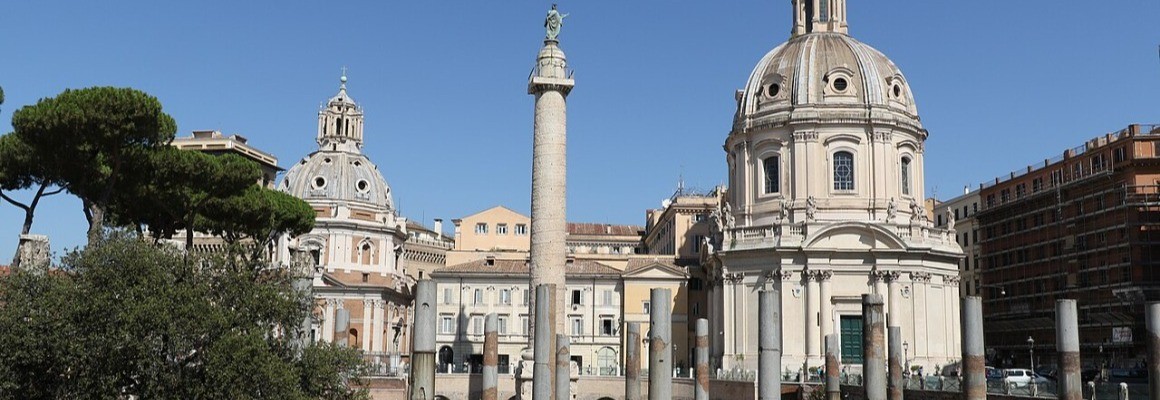
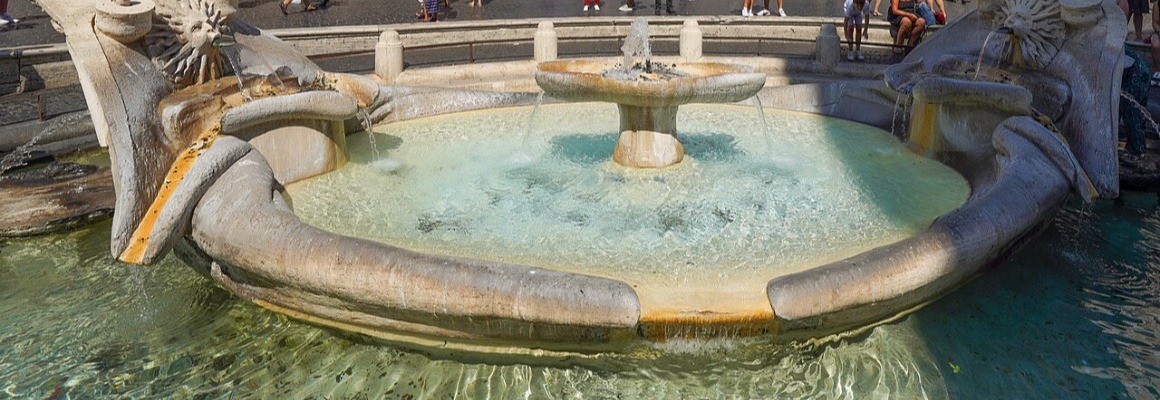
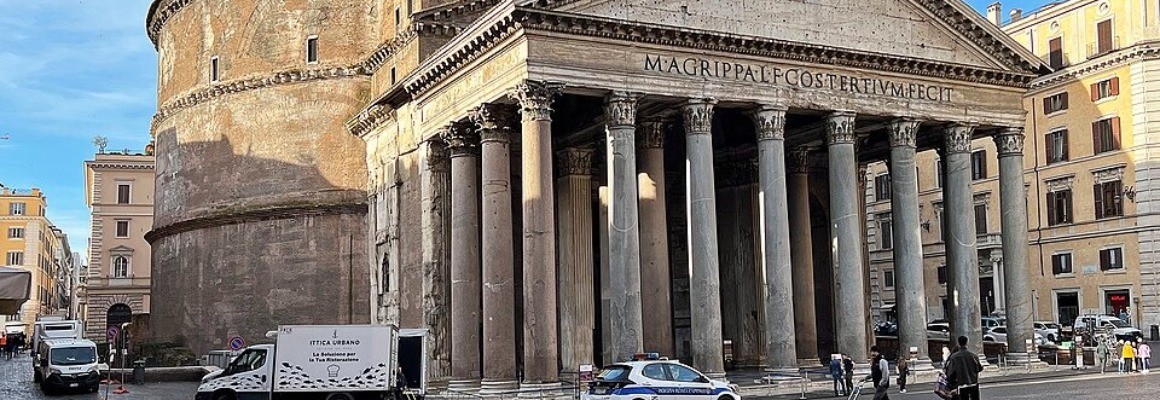
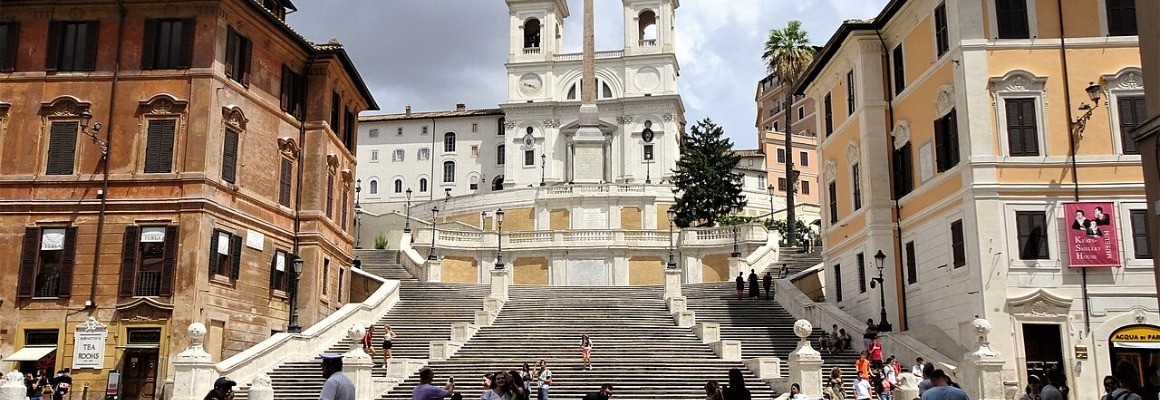
The fountain is in central Rome, within walking distance of the Spanish Steps, the Pantheon and Piazza Navona. These landmarks can be combined into a walking tour of the historic centre. The Trevi Fountain remains a symbol of the Eternal City, uniting ancient engineering, Baroque art and modern travel traditions.
Gallery