St Mark's Basilica is one of Venice's most famous landmarks, standing in Piazza San Marco beside the Doge's Palace. This remarkable medieval church combines Byzantine, Romanesque, and Gothic elements. It is renowned for its five domes, marble façades, glittering mosaics, and extraordinary collection of artworks gathered over many centuries.
The basilica is dedicated to Saint Mark the Evangelist, the patron saint of Venice. For centuries, it served not only as a religious centre but also as a symbol of the political power of the Venetian Republic. Important ceremonies took place here, while its interior was enriched with artworks and relics brought from across the Mediterranean.
History of the basilica
According to tradition, Venetian merchants brought the relics of Saint Mark from Alexandria in 828. A church was built near the Doge's residence to house them. The early building was completed in the ninth century but was damaged by fire in 976 and subsequently restored. The present architectural form developed mainly from the eleventh century onward, and the renewed church was consecrated in 1094.
Venice's connections with the Byzantine Empire strongly influenced the basilica's design. After the Crusaders captured Constantinople in 1204, numerous works of art and relics arrived in Venice. In 1807, the basilica became the cathedral of Venice.
Architecture and five domes
The plan is based on a Greek cross, with five large domes rising above the central spaces. The façades feature arches, columns, sculptures, and marble decoration. Byzantine foundations are combined with Romanesque and Gothic details, creating a distinctive architectural ensemble.
Golden mosaics and interior
The domes, vaults, and walls are covered with mosaics, many set against shimmering gold backgrounds. Their subjects include biblical stories, the life of Christ, the Virgin Mary, and Saint Mark. Created and renewed over centuries, the mosaics reveal both Byzantine traditions and later artistic influences.
The floor is decorated with marble inlays, geometric patterns, and animal motifs. Its varied stones and intricate designs complement the richly decorated interior.
Pala d'Oro and the horses of Saint Mark
Behind the high altar stands the Pala d'Oro, a celebrated golden altarpiece decorated with enamels and precious stones. Its present form developed over several centuries and reflects Venice's close artistic connections with Constantinople.
Copies of four ancient horses appear on the basilica's façade. The original quadriga reached Venice after the events of the Fourth Crusade in 1204 and is now preserved in the basilica's museum. The museum loggia also offers a view over Piazza San Marco.
The basilica and the Venetian Republic
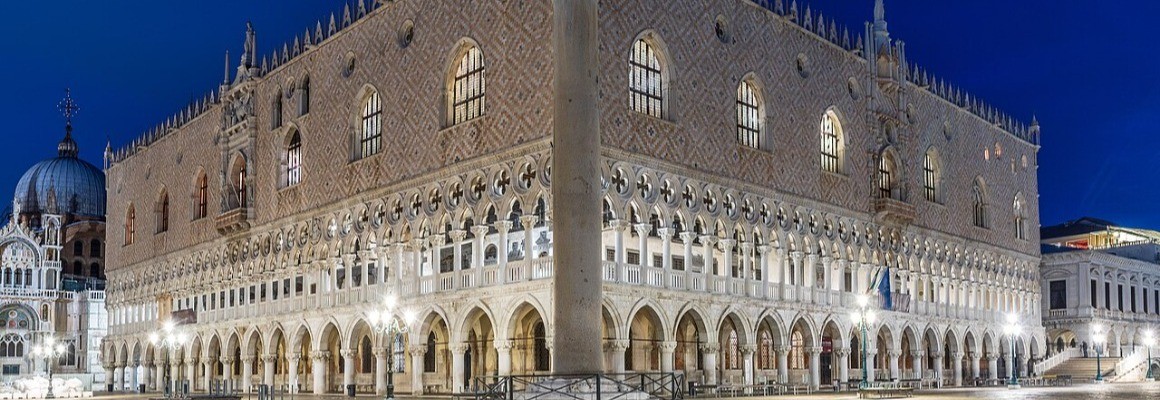
The church was closely associated with the doges and state ceremonies. Its position beside the Doge's Palace reflected the relationship between religious and political life. Marble, mosaics, and precious objects displayed the wealth of Venice and its international trading connections.
Nearby attractions
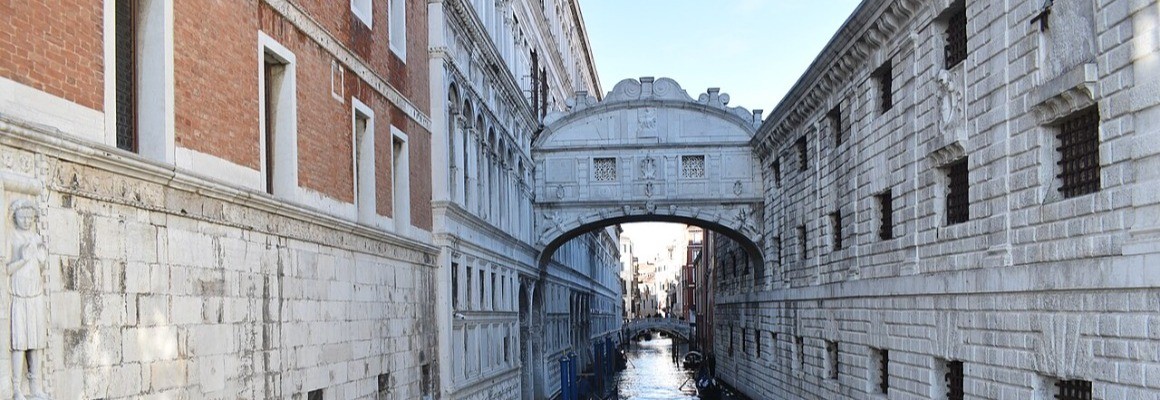
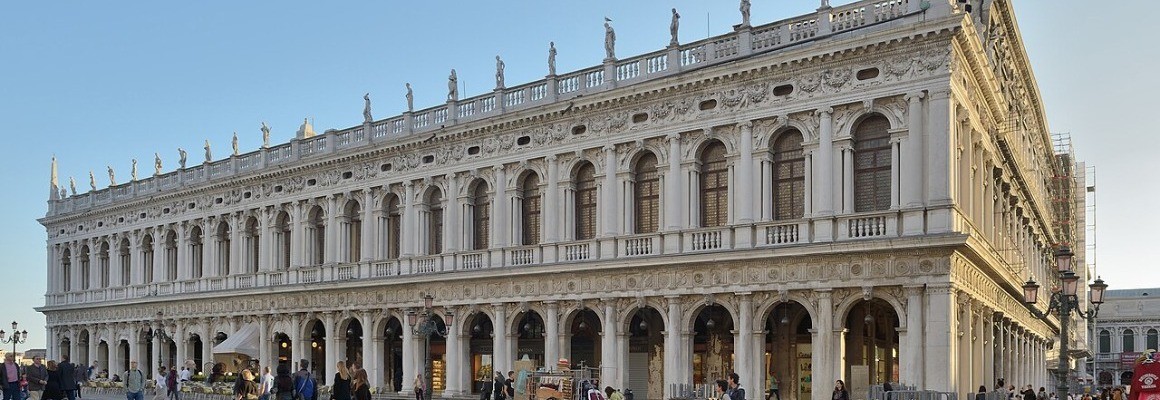
The basilica stands in Piazza San Marco, near the Campanile, the Doge's Palace, the Bridge of Sighs, and the Marciana Library. From the bell tower, visitors can admire Venice's rooftops, the basilica's domes, and the lagoon.
Visitor information
The basilica can be reached on foot through the historic centre or by vaporetto to stops around San Marco. Opening times and access to the museum, treasury, and Pala d'Oro may change because of services, religious holidays, or restoration work. Check the official basilica website before visiting.
Allow around 30–60 minutes for the main interior, and more time if you plan to visit the museum and additional exhibitions. St Mark's Basilica is an exceptional monument that tells the story of Venetian art, religion, and history.
Gallery