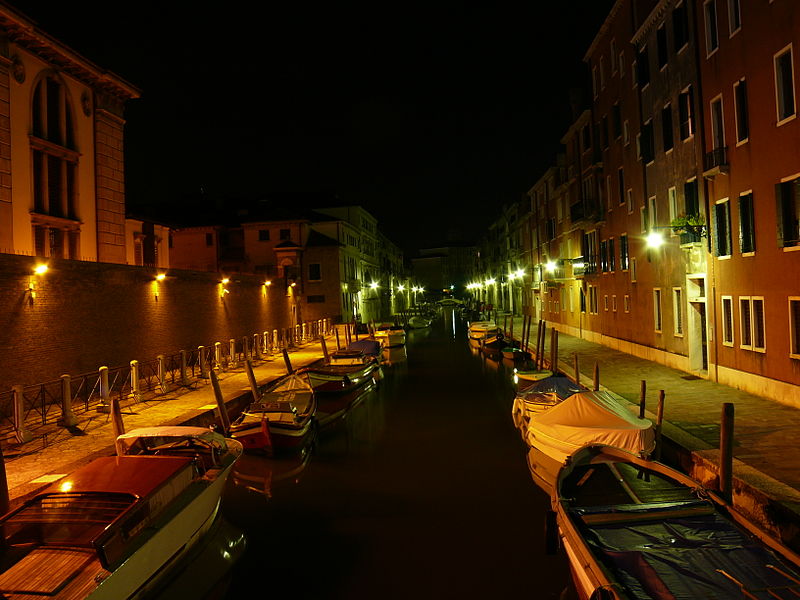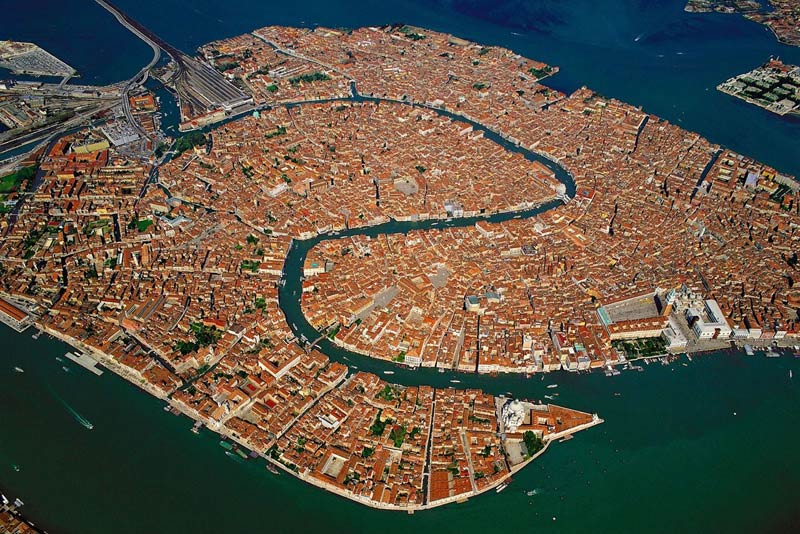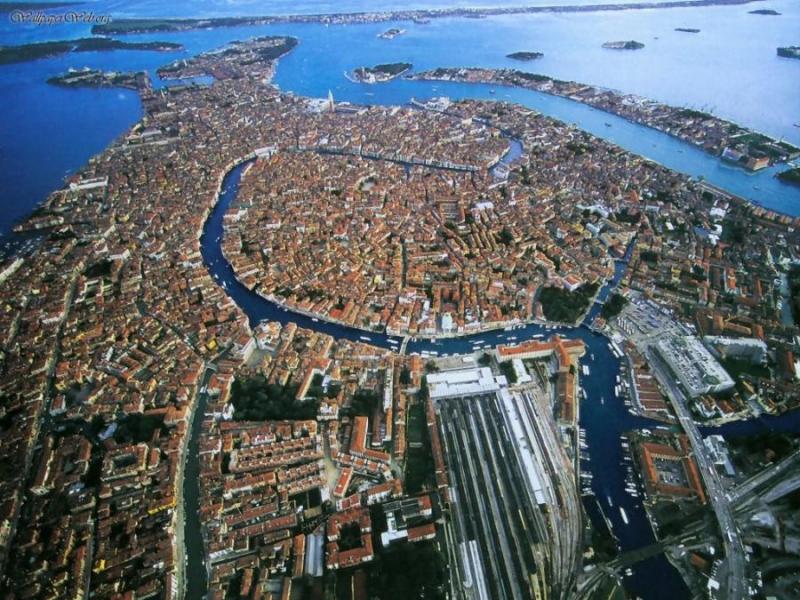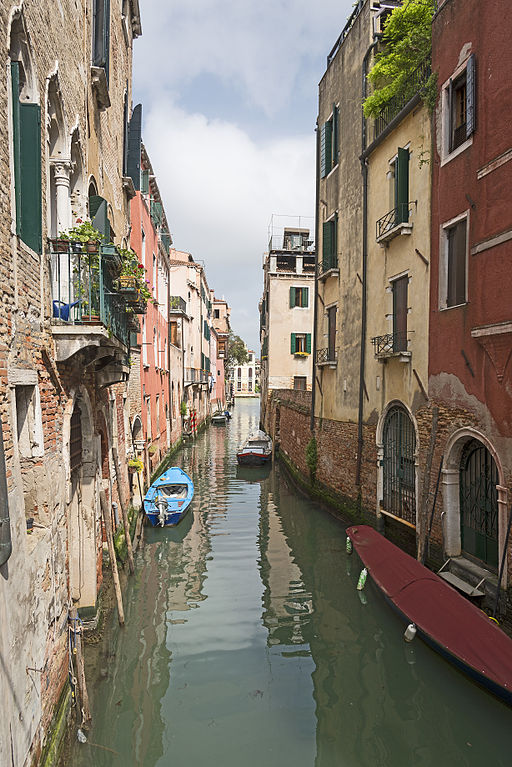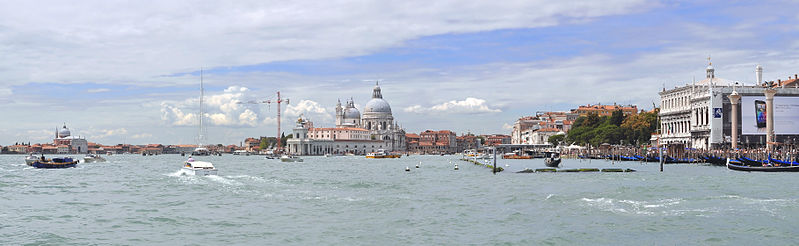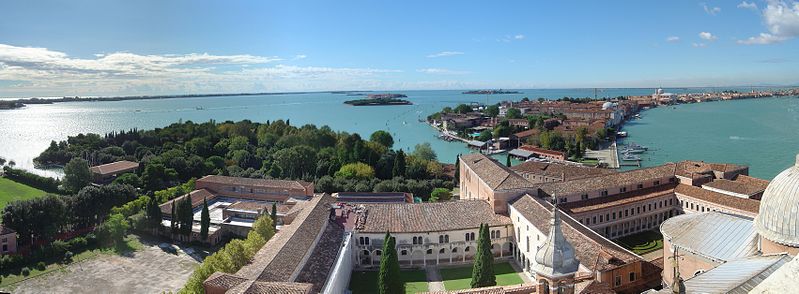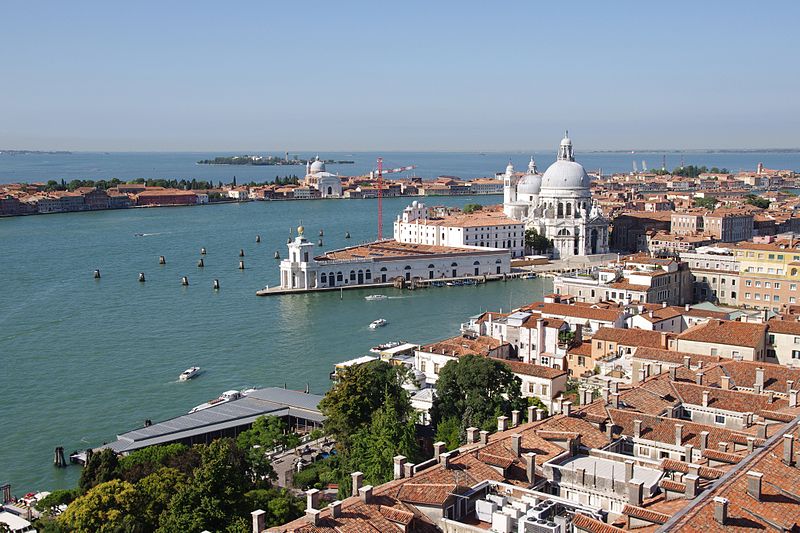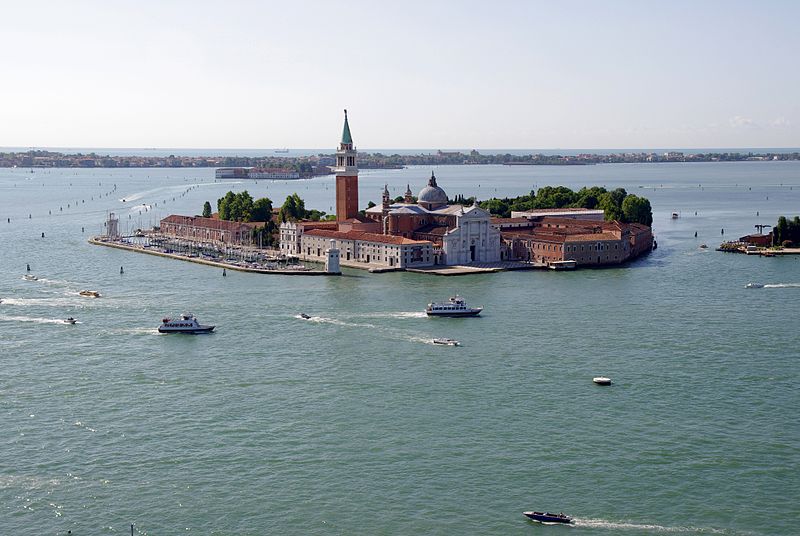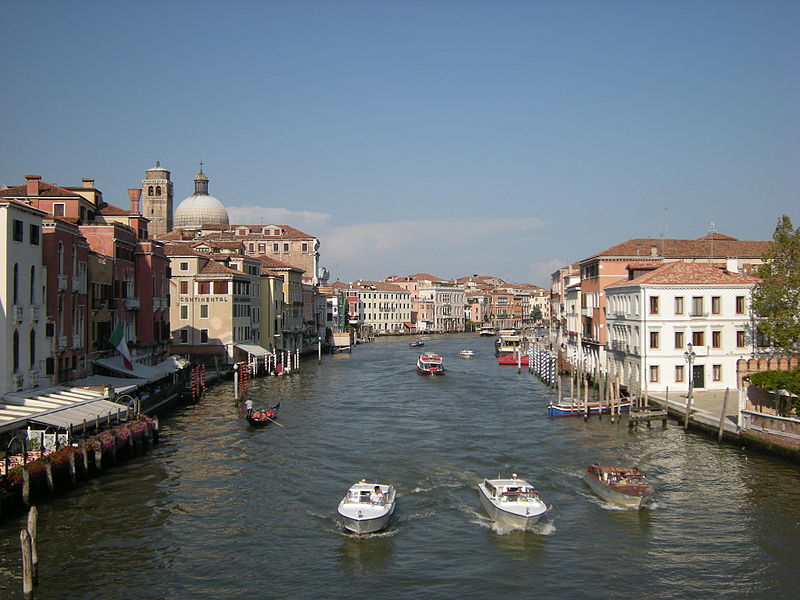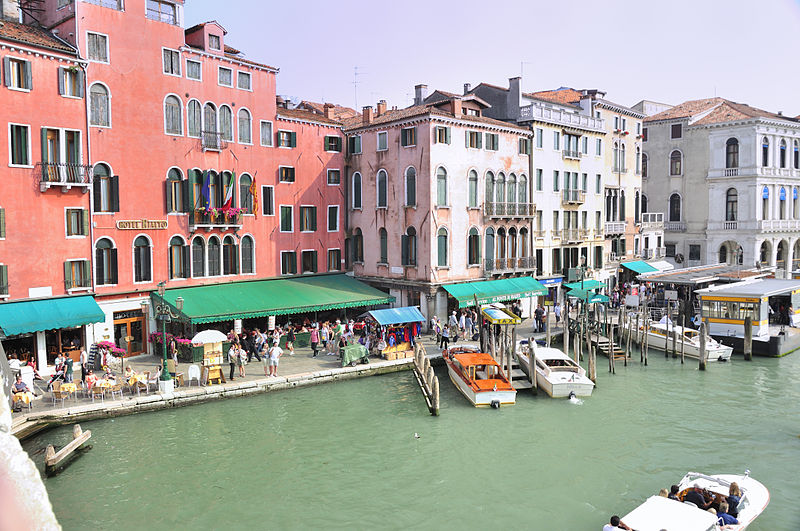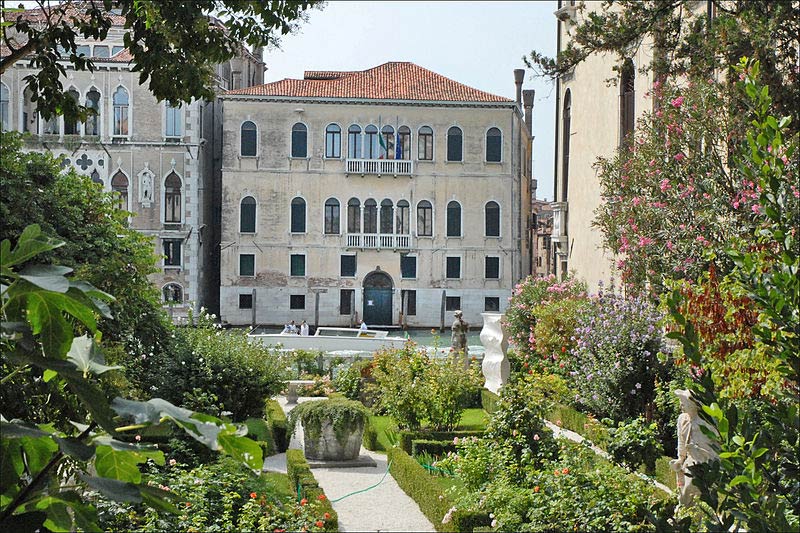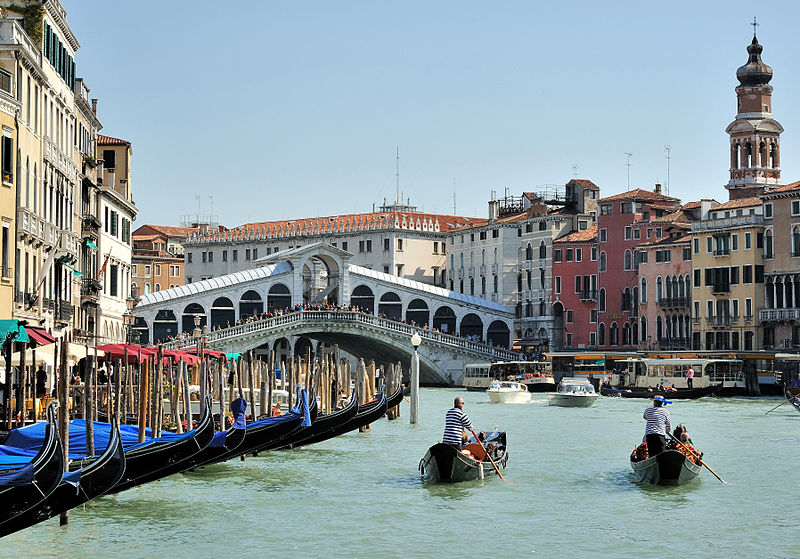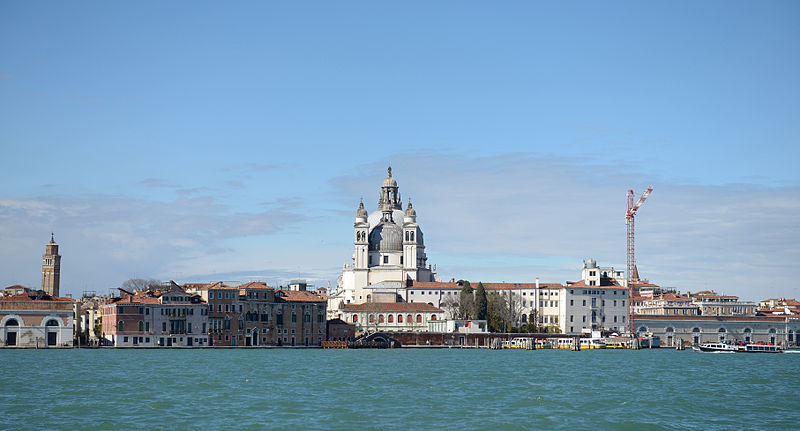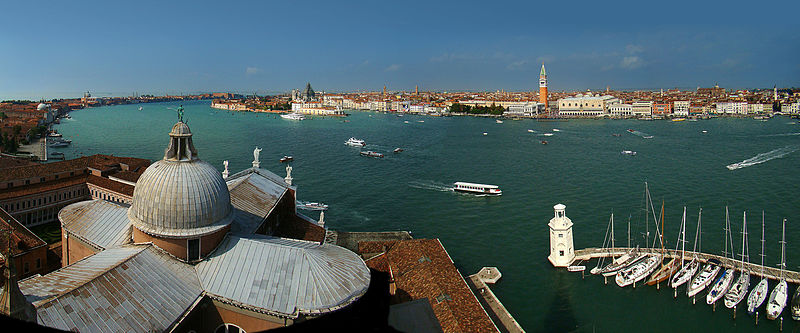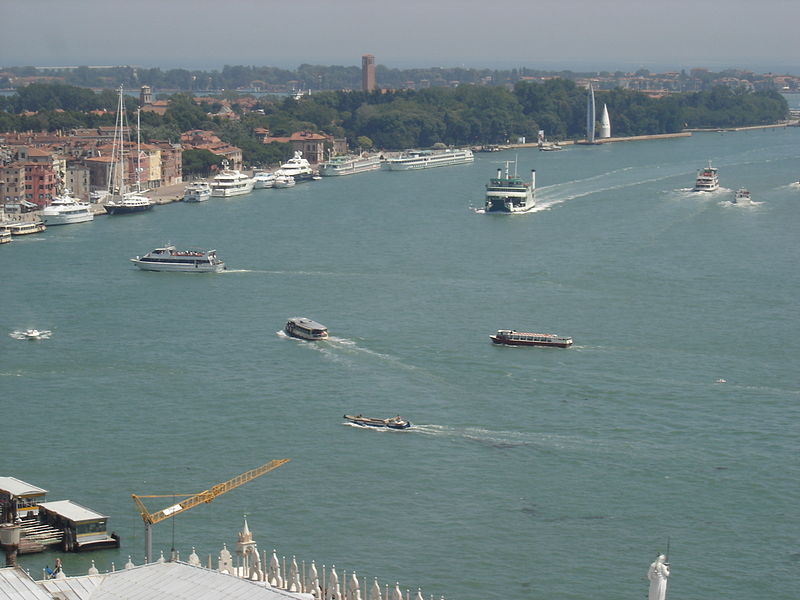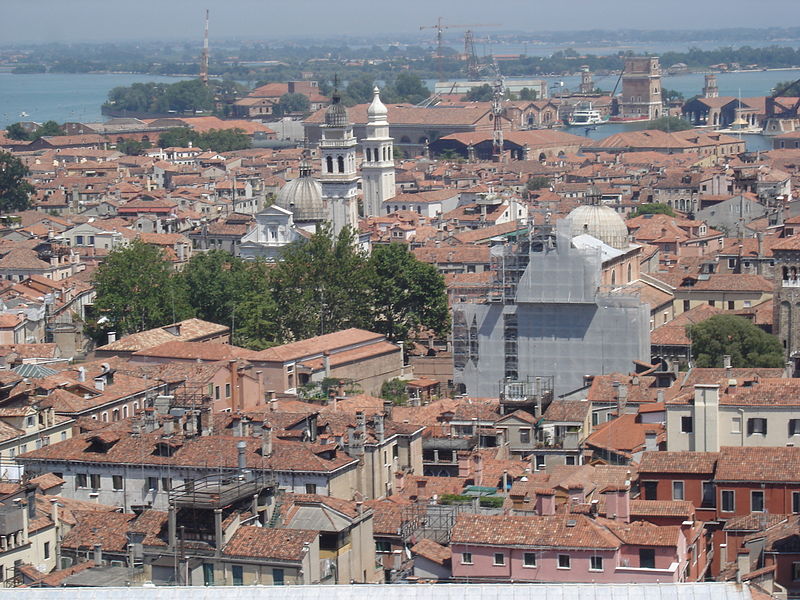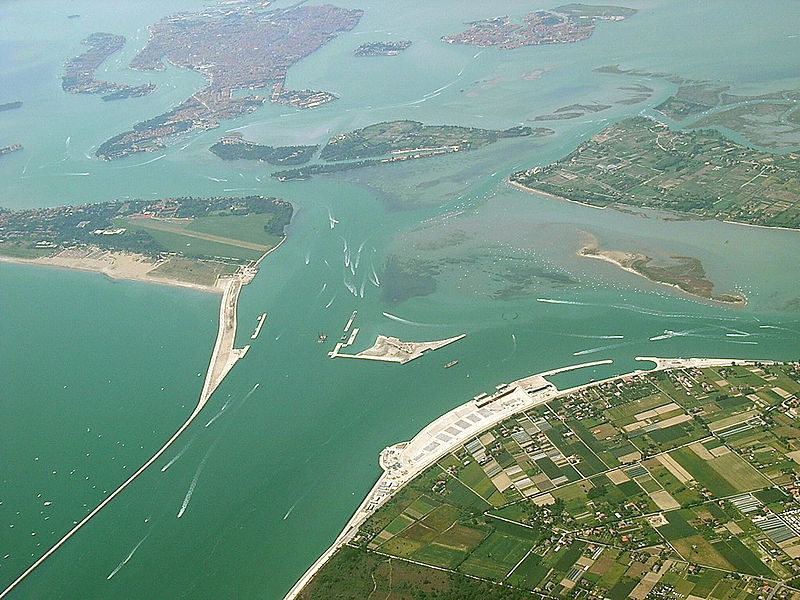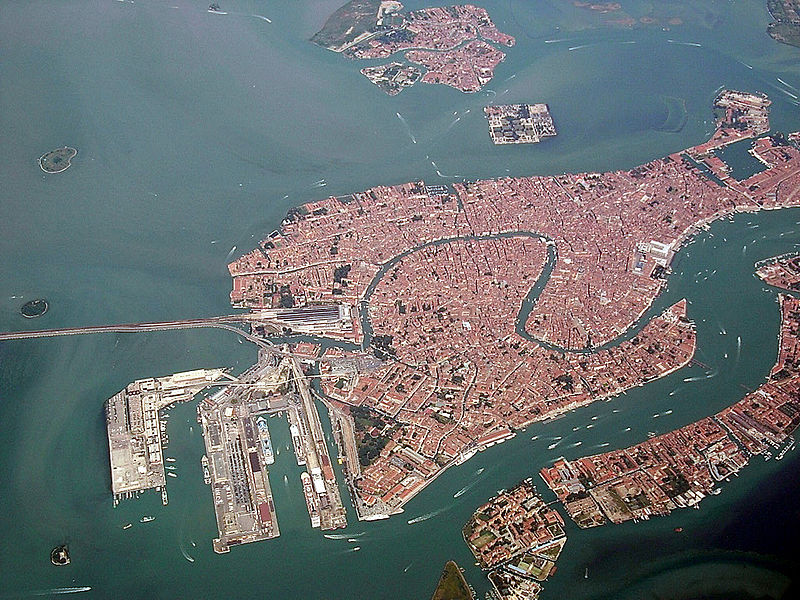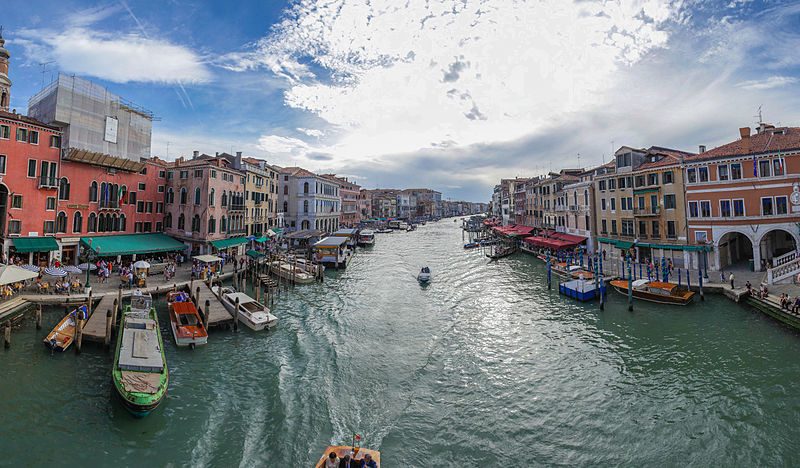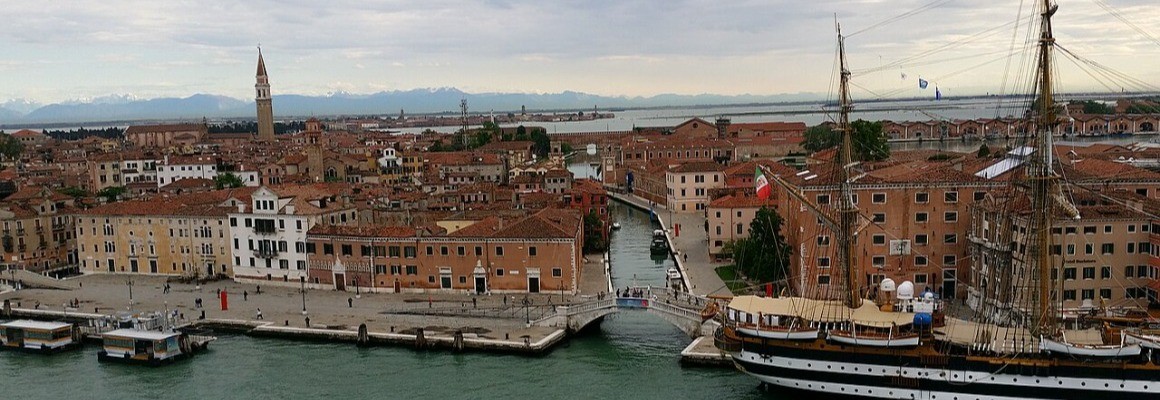

Venice is one of Italy's most distinctive cities, located in the northeast of the country in the Veneto region. It is built across numerous small islands in the Venetian Lagoon, connected by bridges and separated by canals. Gondolas, water buses, and motorboats travel along waterways that take the place of ordinary streets. Historic palaces, churches, squares, and reflections on the water create a unique urban landscape.
For centuries, Venice was the centre of the powerful Republic of Venice and an important trading port linking Europe with the eastern Mediterranean. Today, visitors come for its architecture, museums, art, Carnival, and the atmosphere of its historic neighbourhoods.
History of Venice
Permanent settlements in the Venetian Lagoon developed gradually during the fifth and sixth centuries, as people sought refuge from conflict and instability on the mainland. Fishing, trade, and seafaring helped the island communities grow. Venice emerged through a long historical process rather than being founded by one person on a specific date.
During the Middle Ages, the city became a major trading centre connecting Western Europe, Byzantium, and the eastern Mediterranean. The Venetian Republic lasted for more than a thousand years and ended in 1797 after Napoleon's forces conquered the city. Venice joined unified Italy in 1866. Its history remains visible in its architecture, art, and traditions.
St Mark's Square
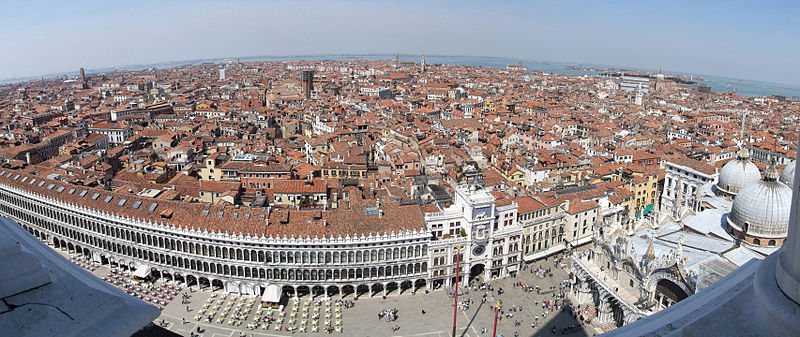
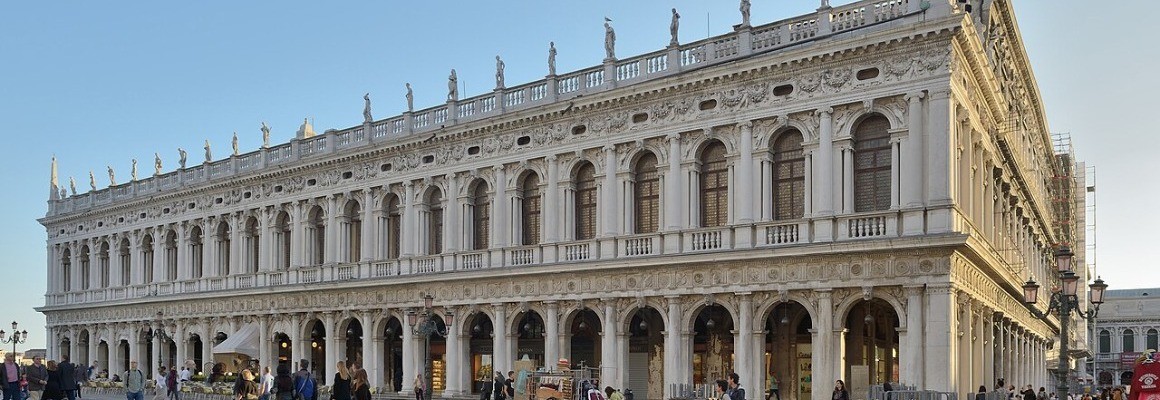
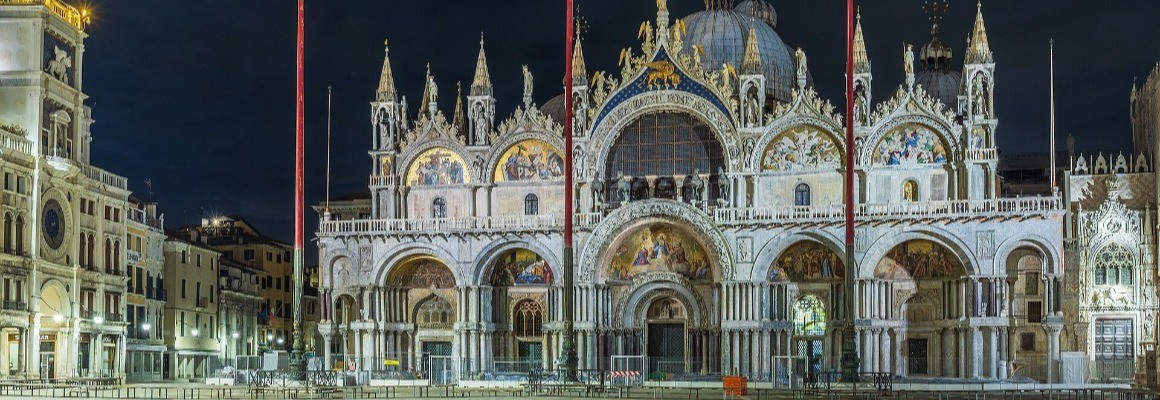
St Mark's Square is Venice's principal public space and one of Europe's most famous squares. It is surrounded by St Mark's Basilica, the Doge's Palace, and the Campanile of St Mark. The basilica combines Byzantine, Romanesque, and Gothic elements and is renowned for its mosaics, sculptures, and decorative arches. The campanile offers views across the rooftops and lagoon.
The Doge's Palace
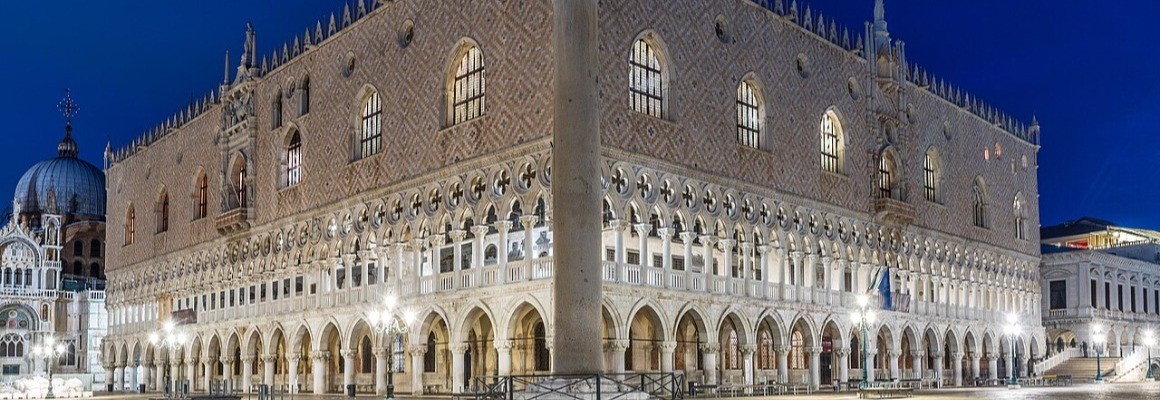
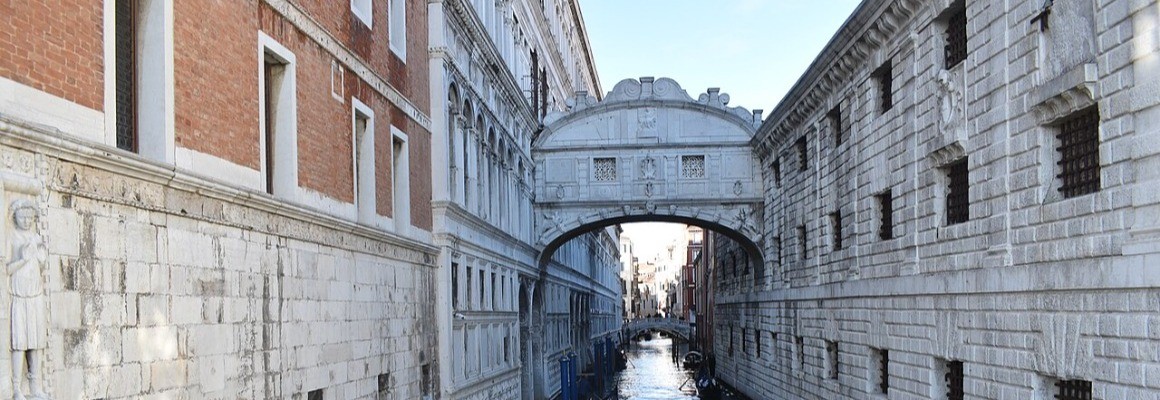
The Doge's Palace served as the residence of the head of the Venetian Republic and housed important government and judicial institutions. Its architecture features delicate arcades, pale stone, and a combination of Gothic and Renaissance elements. Inside, visitors can see ceremonial halls, historic paintings, and ornate ceilings. The palace is connected to the former prison by the Bridge of Sighs.
The Grand Canal and gondolas
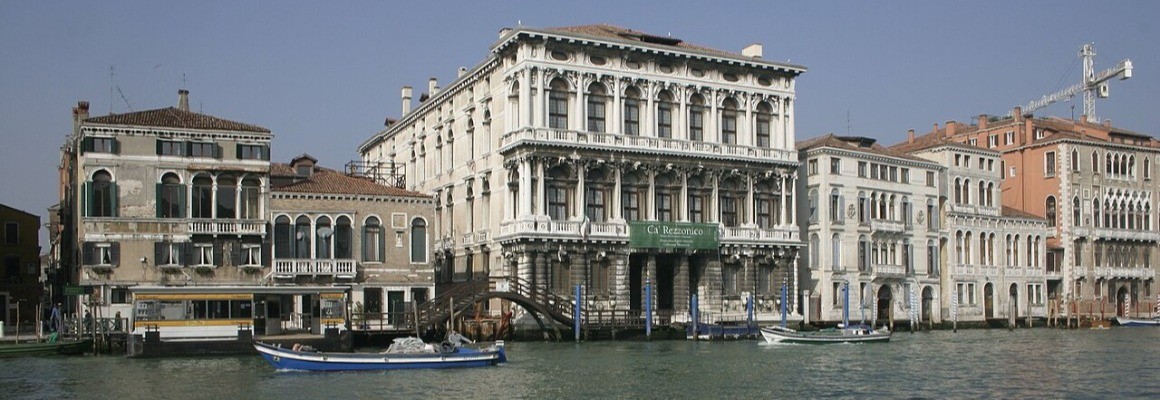
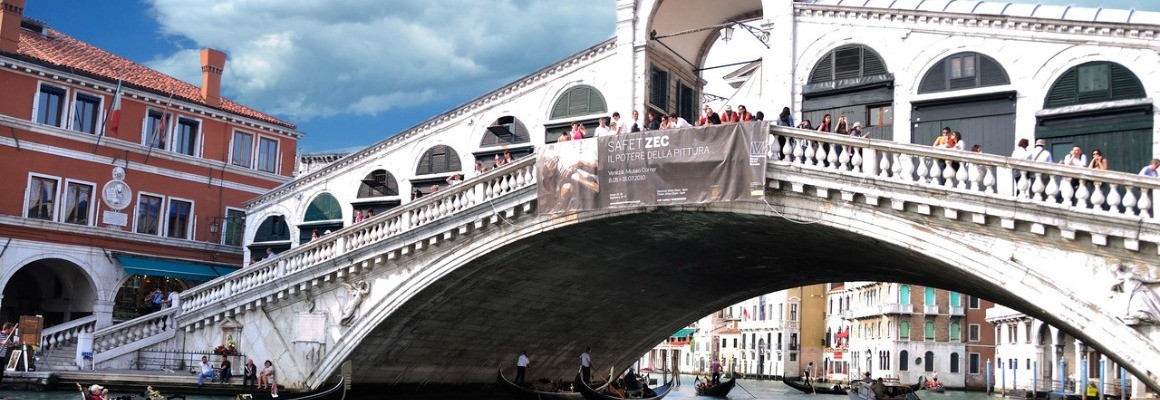
The Grand Canal is Venice's main waterway. Palaces, churches, and buildings from different periods line its winding route through the historic centre. The Rialto Bridge is one of the city's most recognisable landmarks. Visitors can see Venice from the water aboard a vaporetto, the public water bus, or take a traditional gondola ride.
The historic centre is divided into six districts known as sestieri: San Marco, Castello, Cannaregio, Dorsoduro, San Polo, and Santa Croce. Each has its own character, from monumental squares to quiet residential streets and art museums.
Murano, Burano, and Torcello
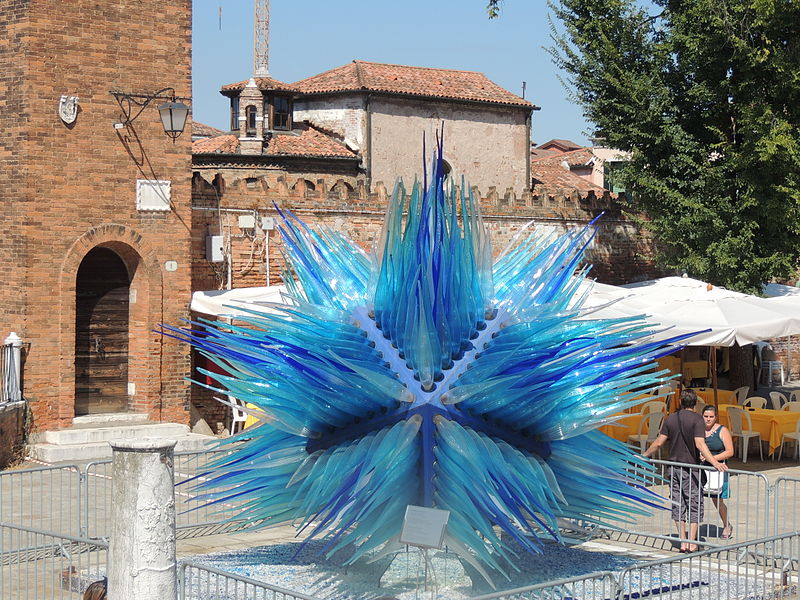
Murano is famous for its traditional glassmaking. Visitors can explore workshops and the Glass Museum. Burano is known for its brightly coloured houses and lace-making tradition. Torcello is closely connected with the early settlement of the lagoon and preserves ancient religious buildings and mosaics. The islands can be reached by public water transport, although journey times depend on the route.
Art and museums
Venice played a major role in European art. Titian, Tintoretto, and Paolo Veronese are among the artists associated with the city. The Gallerie dell'Accademia holds an important collection of Venetian painting, while the Peggy Guggenheim Collection focuses on modern art. Other notable buildings include the Basilica of Santa Maria della Salute and the Church of San Giorgio Maggiore.
Venice Carnival
Venice Carnival is famous for masks, historical costumes, theatrical performances, and festive events. The modern celebration usually takes place in February or early March, with dates changing each year. The city becomes especially busy during Carnival, so accommodation and tickets for popular events should be booked in advance.
Venetian cuisine
Local food reflects the city's maritime location and trading history. Popular dishes include sarde in saor, marinated sardines with onions, raisins, and pine nuts, and risotto with cuttlefish ink. Small bars known as bacari serve cicchetti, bite-sized snacks that are part of Venice's social dining tradition.
Best time to visit
Spring and early autumn are generally pleasant for walking around the city. Summer can be hot and crowded, while winter is often damp and windy. Venice sometimes experiences acqua alta, a periodic rise in water levels that can affect low-lying areas, including St Mark's Square. Check forecasts and local announcements before travelling.
Getting there and getting around
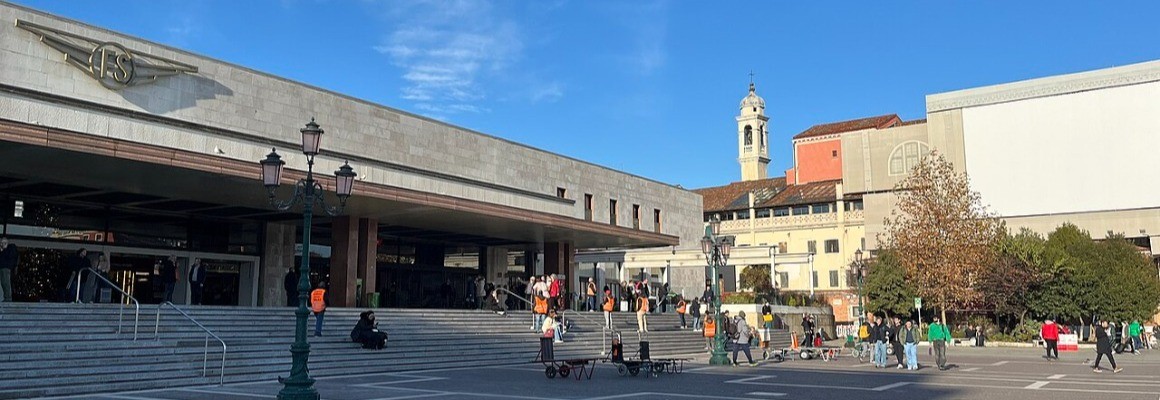
Venice is connected to the mainland by rail and road. Trains arrive at Venezia Santa Lucia station beside the Grand Canal, while buses and cars generally reach the Piazzale Roma area. The historic centre is best explored on foot or by water transport. Vaporetti connect the main districts and many lagoon islands.
Practical information
Venice's historic environment is fragile, so visitors should avoid littering, swimming in canals, or disturbing residents. In 2026, the access fee for the historic centre applied only on selected dates and ended on 26 July. As of October 2026, the official portal states that the fee is no longer in effect; check the rules for 2027 before travelling. Official access-fee information.
Venice is best explored at an unhurried pace. Its great monuments tell the story of a powerful maritime republic, while quiet canals, bridges, and island settlements reveal the everyday life of this remarkable city.
Gallery