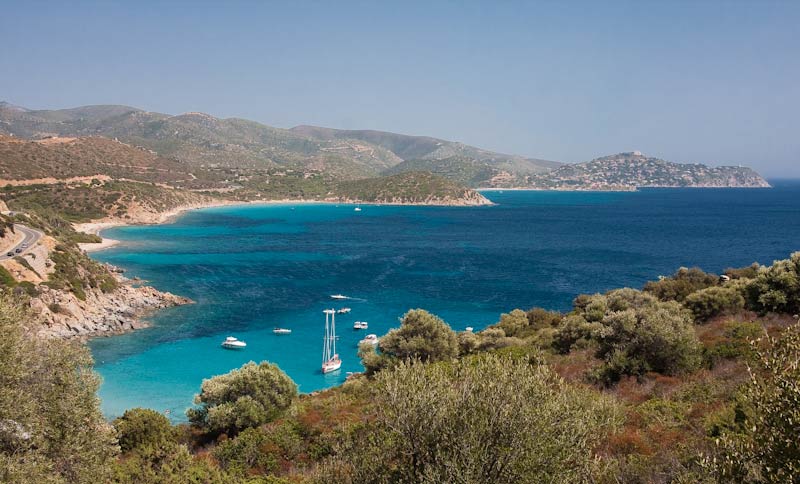
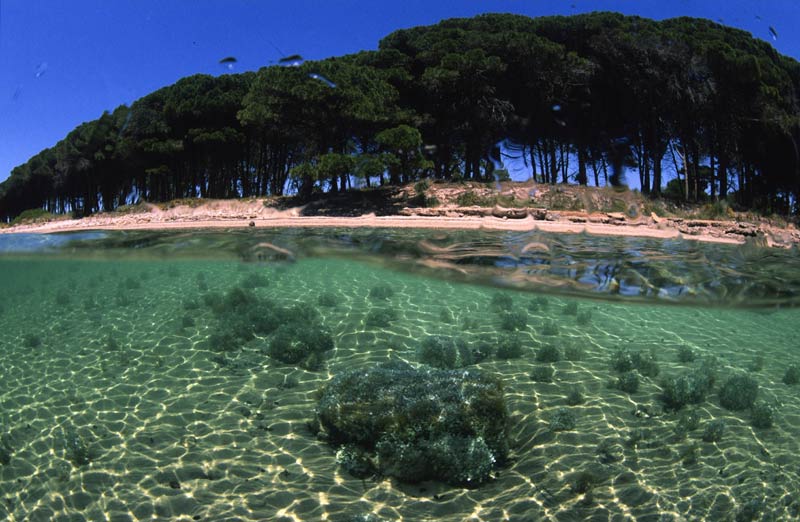
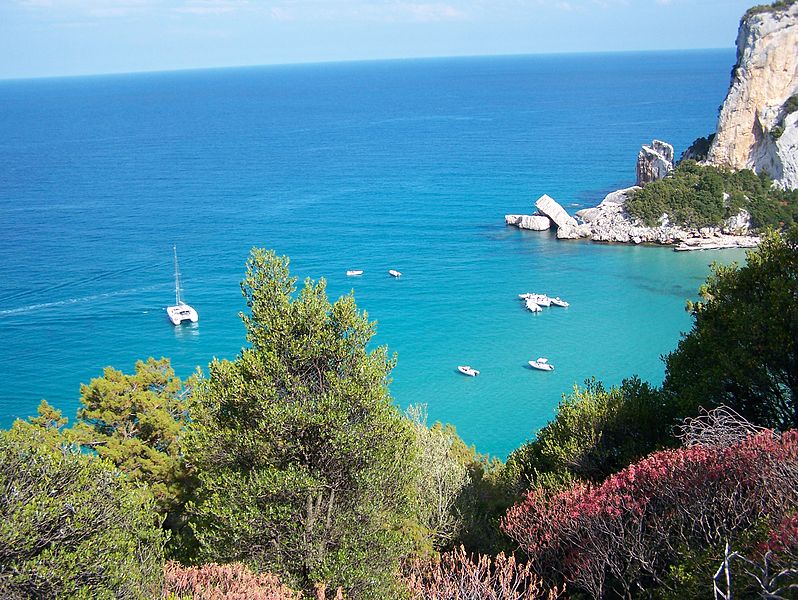
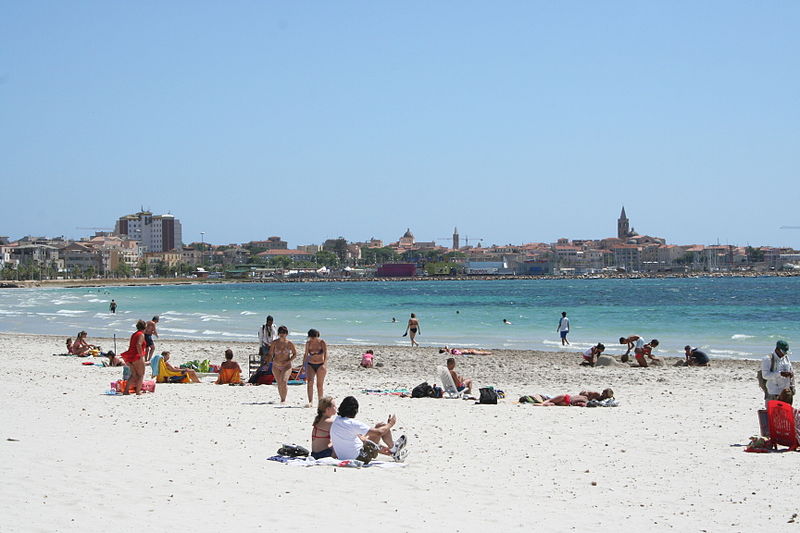
Sardinia is the second-largest island in the Mediterranean Sea, located west of the Italian Peninsula and south of the French island of Corsica. It is part of Italy and has a distinctive cultural identity shaped by thousands of years of history, maritime trade and encounters with different civilizations. Sardinia is famous for white-sand beaches, clear turquoise water, rocky coves, mountains and remarkable archaeological sites. Alongside lively seaside resorts, visitors can discover quiet villages where ancient customs remain part of everyday life.
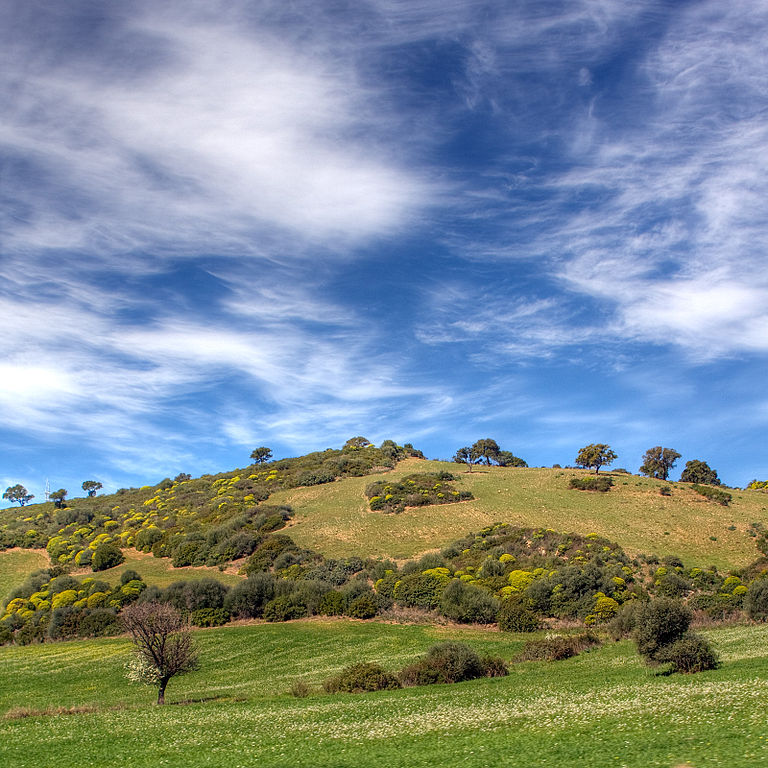
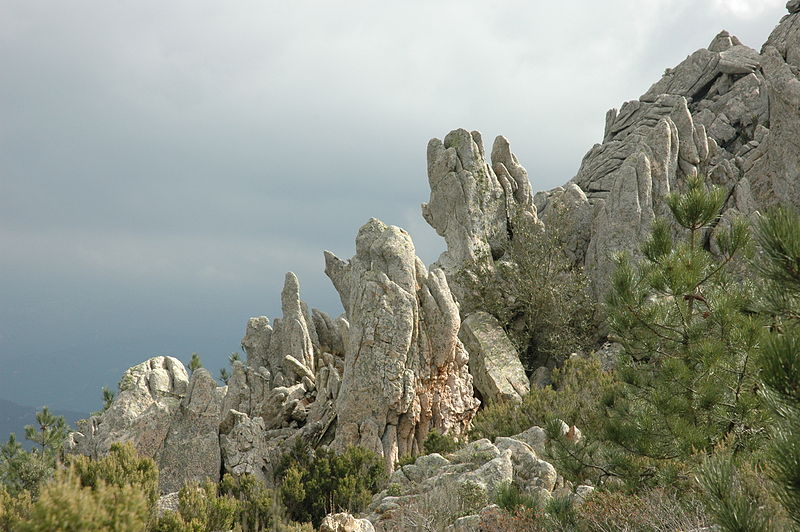
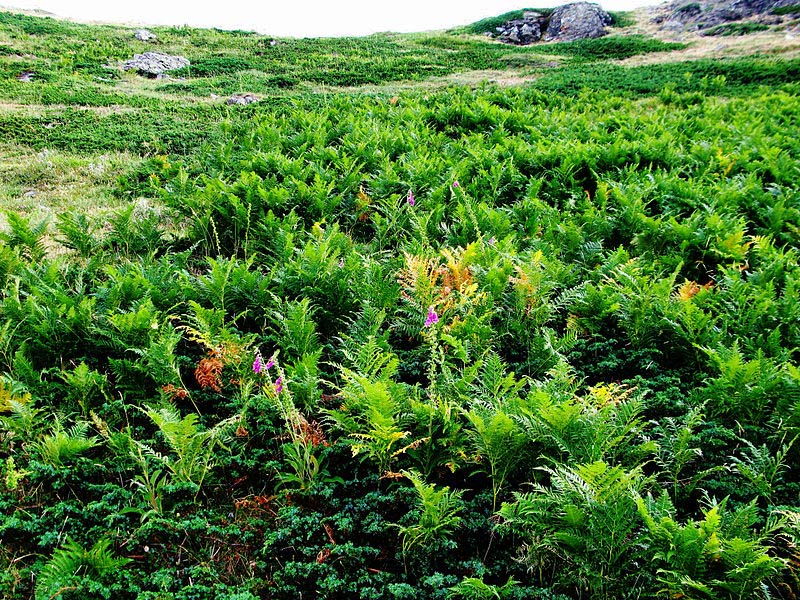
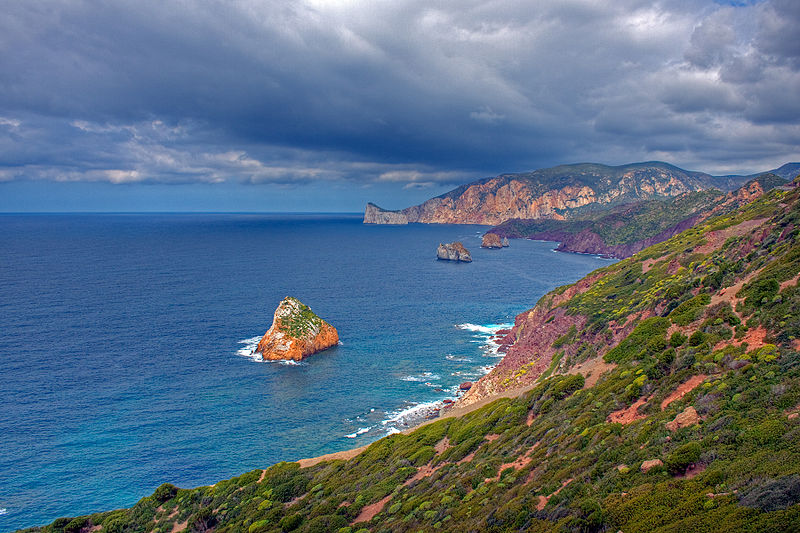
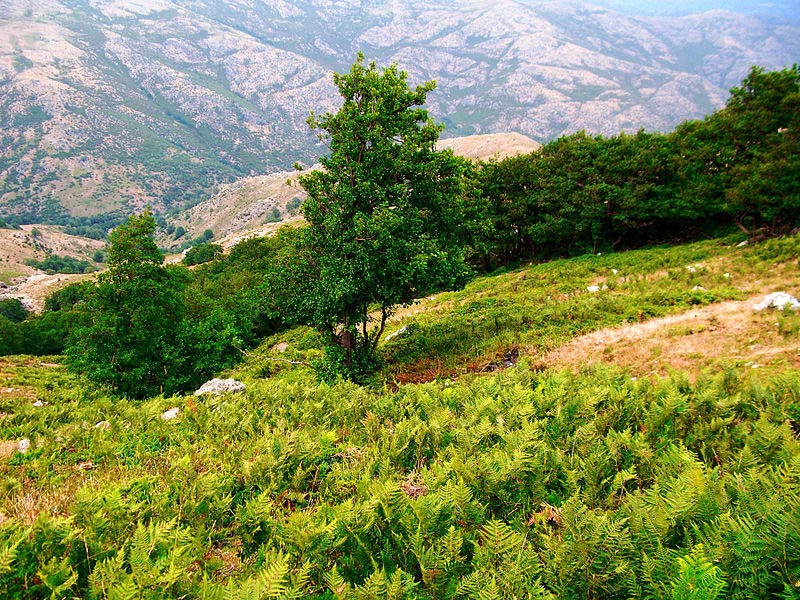
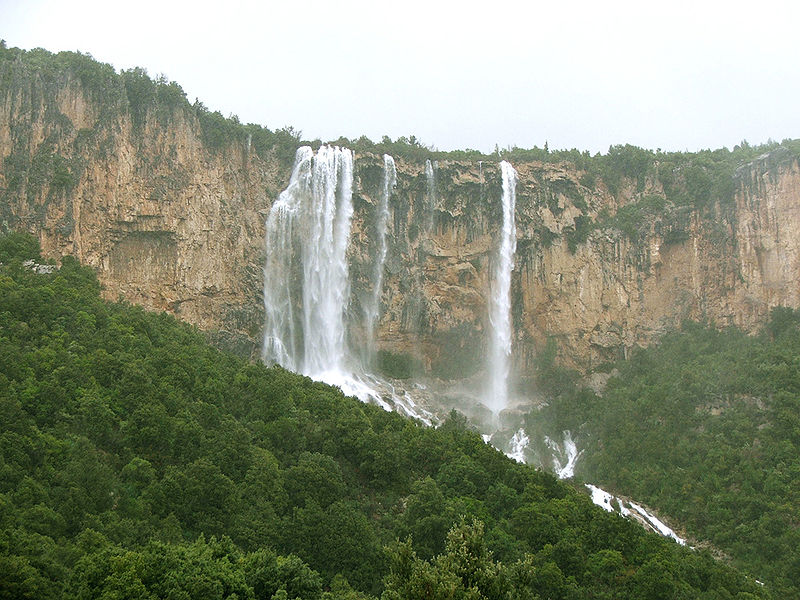
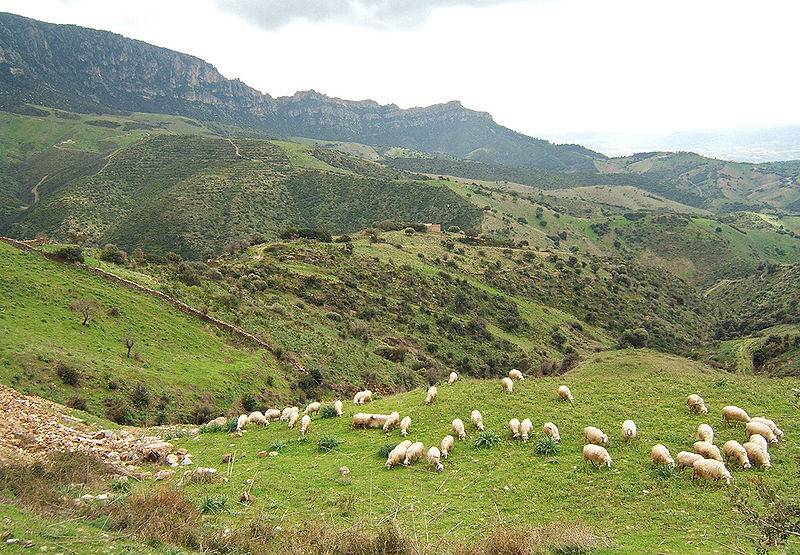
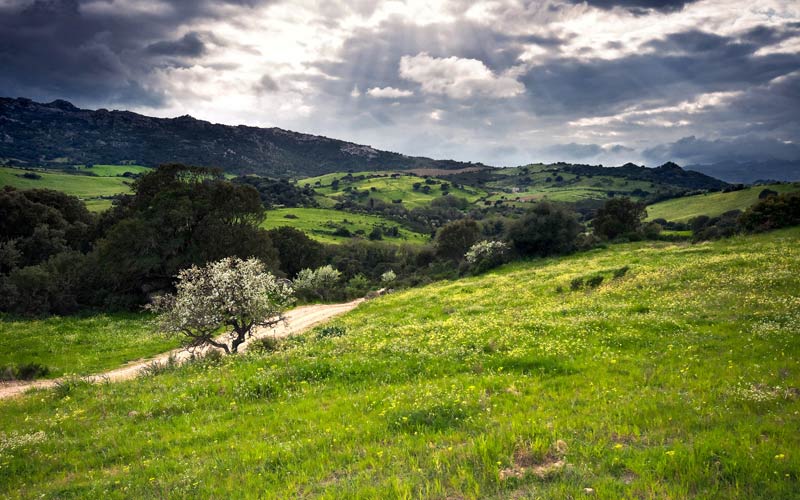
The island has a remarkable variety of landscapes. Its coastline alternates between sandy beaches, limestone cliffs, granite formations and small offshore islands. Inland, hills and mountains rise above pastures, forests and valleys. Mediterranean vegetation includes myrtle, juniper, mastic trees and aromatic herbs. Thanks to its mild climate and varied scenery, Sardinia is appealing beyond the summer season, particularly for exploring historic towns and walking routes.
Ancient history and the Nuragic civilization
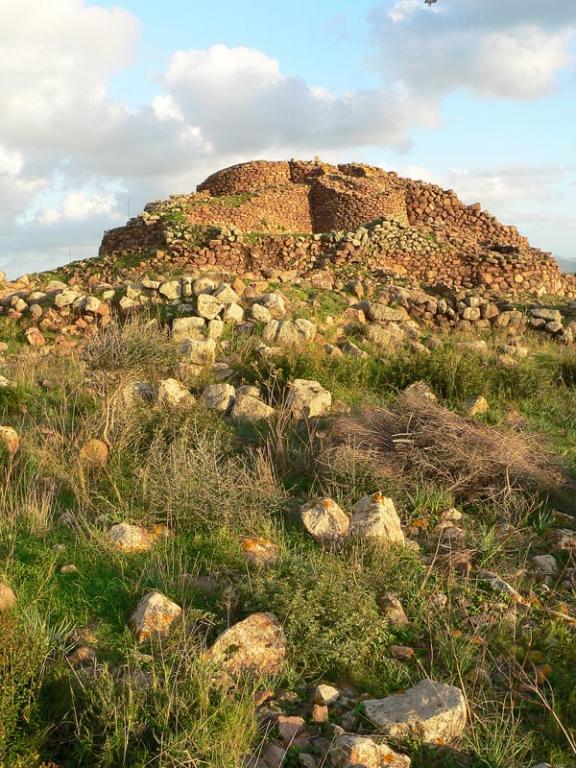
Sardinia has one of the most distinctive archaeological heritages in the Mediterranean. A central chapter of its past is the Nuragic civilization of the Bronze Age, which developed from around the eighteenth century BCE. Its people built massive stone structures known as nuraghi. These towers were constructed from large blocks of stone and may have served defensive, communal or ritual purposes, although the function of individual monuments remains debated.
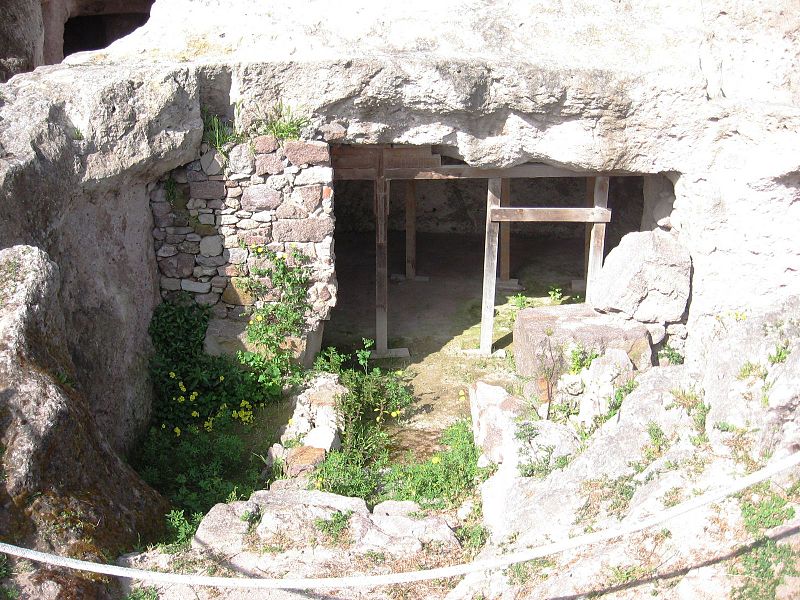
Thousands of nuraghi survive on the island, along with settlement remains, burial monuments, menhirs and sacred wells. One of the best-known sites is Su Nuraxi at Barumini, inscribed on the UNESCO World Heritage List in 1997. Visitors can explore its central stone tower, defensive structures and the remains of the surrounding settlement. Other archaeological sites reveal the sophistication and distinctive character of ancient Sardinian society.
Phoenicians, Romans and the Middle Ages
Sardinia's position in the western Mediterranean made it an important destination for traders and conquerors. Phoenicians, Carthaginians and Romans all left their mark on the island. The ruins of Tharros on the Sinis Peninsula reveal the trading connections and urban life of antiquity. Elsewhere, remains of Roman roads, baths, settlements and port facilities offer further evidence of the island's long history.
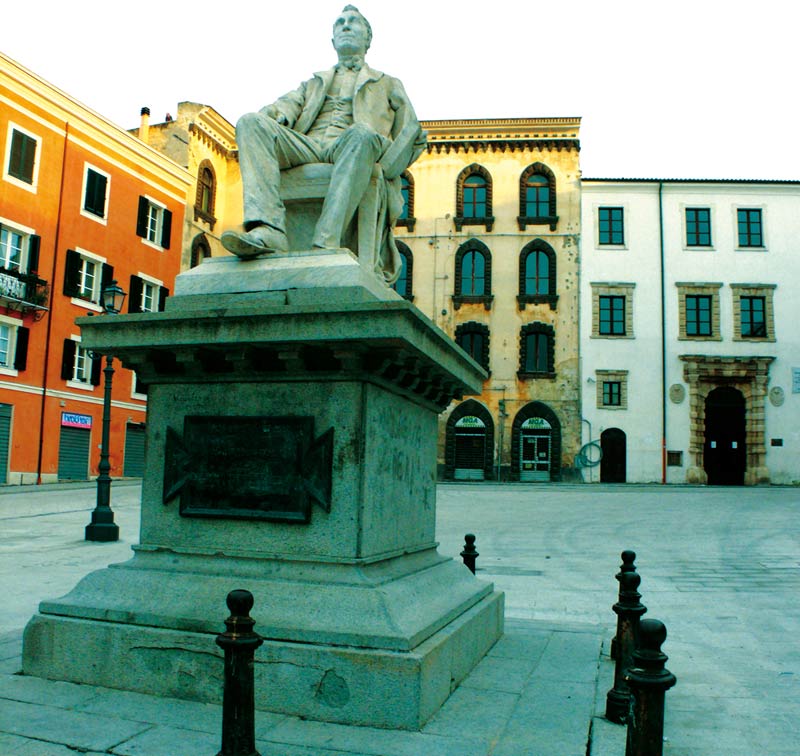
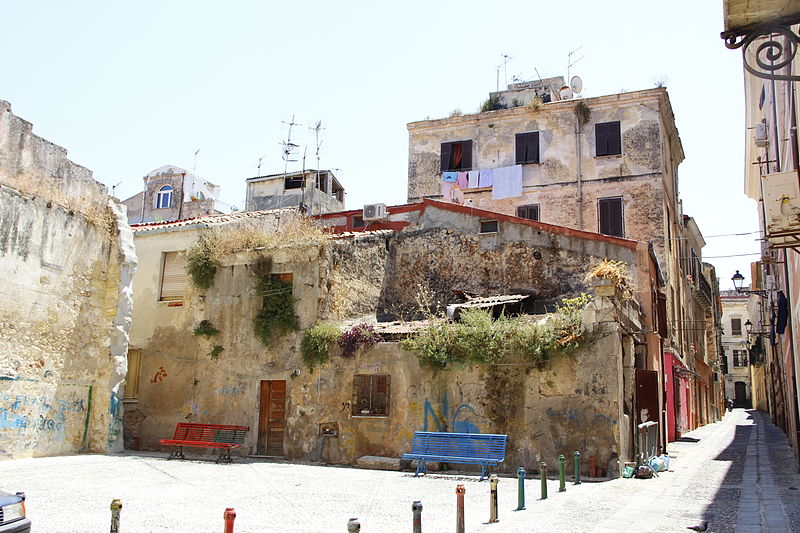
During the Middle Ages, Sardinia was divided into independent territories known as giudicati. Pisa, Genoa and the Crown of Aragon later gained considerable influence. These periods shaped the architecture, fortifications, churches and traditions of local communities. In the nineteenth century, the island came under the House of Savoy and became part of the unified Kingdom of Italy in 1861. The different historical layers remain visible in the old quarters of Cagliari, Alghero, Sassari and Castelsardo.
Cagliari, the island's capital
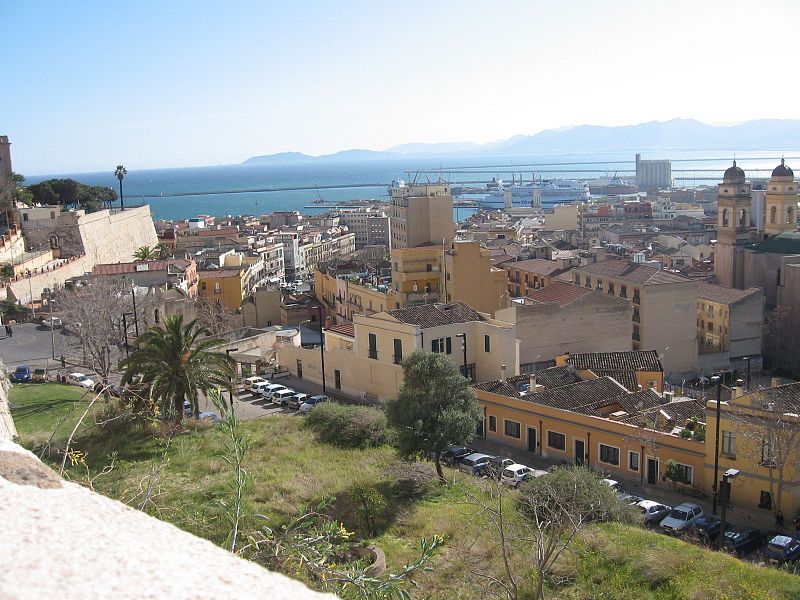
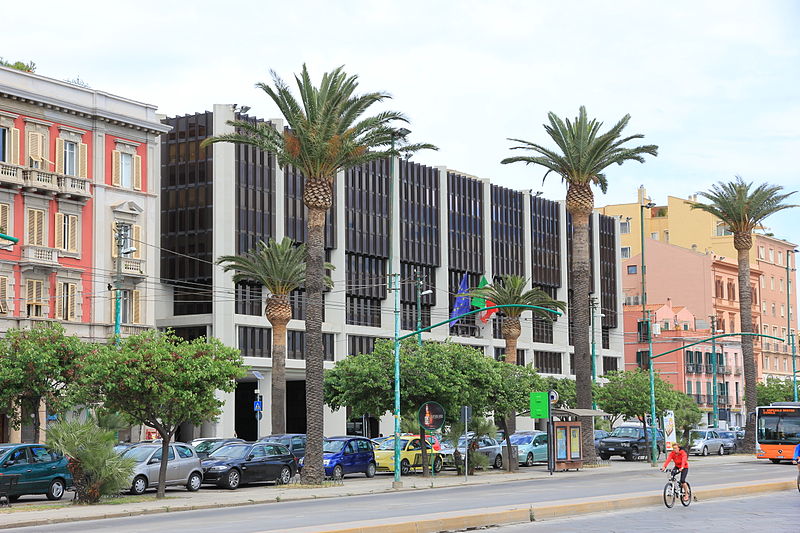
Cagliari lies on the southern coast and is Sardinia's principal city. Its historic Castello district rises above the port and sea from a hilltop. Narrow streets, old buildings, defensive walls and panoramic terraces create the atmosphere of a Mediterranean city with a long history. Notable sights include the Bastion of Saint Remy, the cathedral, the Roman amphitheatre and archaeological remains from different periods.
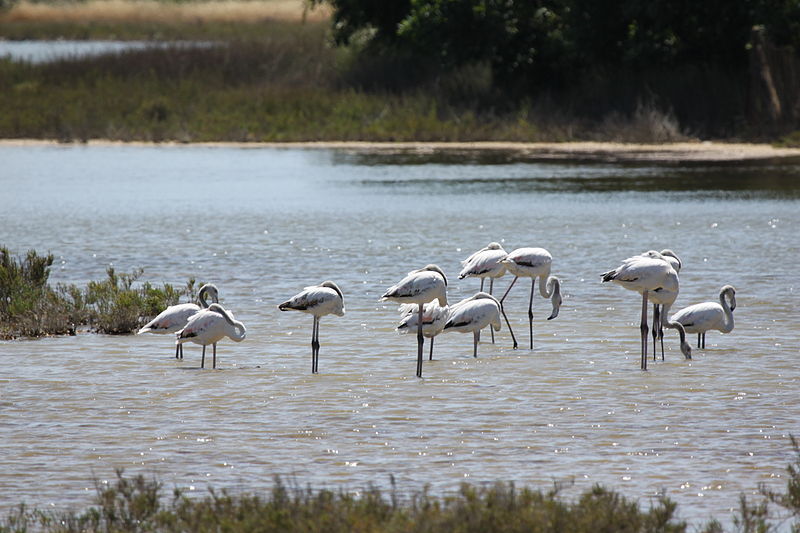
Nearby, Poetto is a long sandy beach popular with residents and visitors. The surrounding lagoons and wetlands provide habitat for birds, including flamingos. Cagliari combines historic attractions, restaurants, urban beaches and useful transport connections, making it a convenient starting point for exploring southern Sardinia.
Costa Smeralda and famous beaches
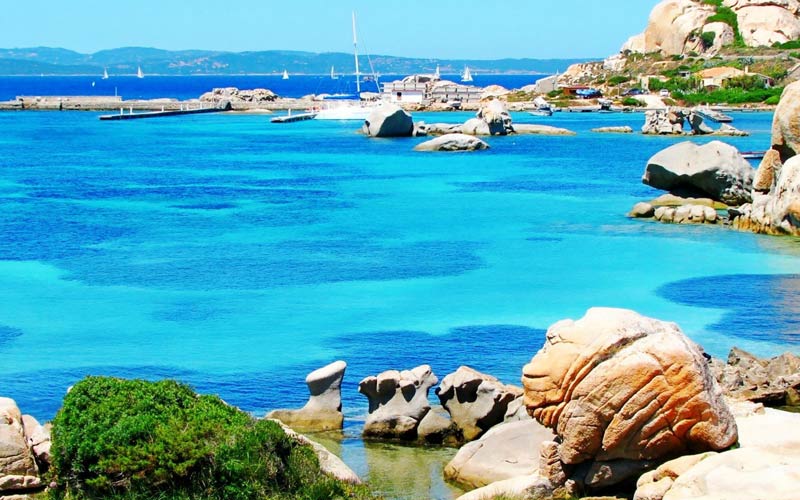
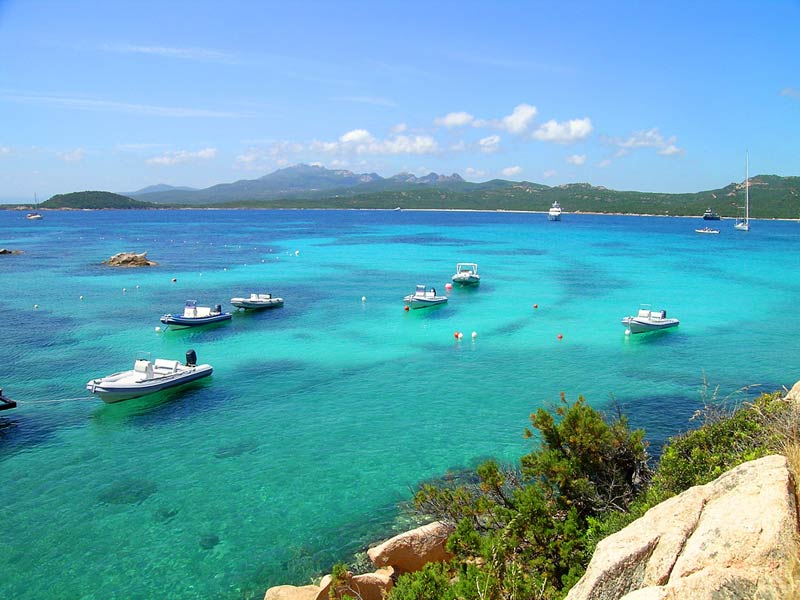
The northeastern coast is known as Costa Smeralda, or the Emerald Coast. It is celebrated for clear water, small coves, pale sand and unusual granite formations. Popular destinations include Porto Cervo, Porto Rotondo and the area around Olbia. The region has marinas, hotels, restaurants and resort villages, but quieter stretches of coastline can also be found beyond the best-known centres.
In the northwest, La Pelosa Beach near Stintino is known for its shallow water and brilliant turquoise colour. The eastern coast attracts visitors to the coves of the Gulf of Orosei, including Cala Luna and Cala Goloritzé. The latter is famous for its pale limestone cliffs and striking natural arch. In the south, Costa Rei and the beaches near Villasimius are popular. Some coves can only be reached on foot or by sea, so visitors should check access rules and seasonal restrictions before travelling.
Mountains, caves and nature parks
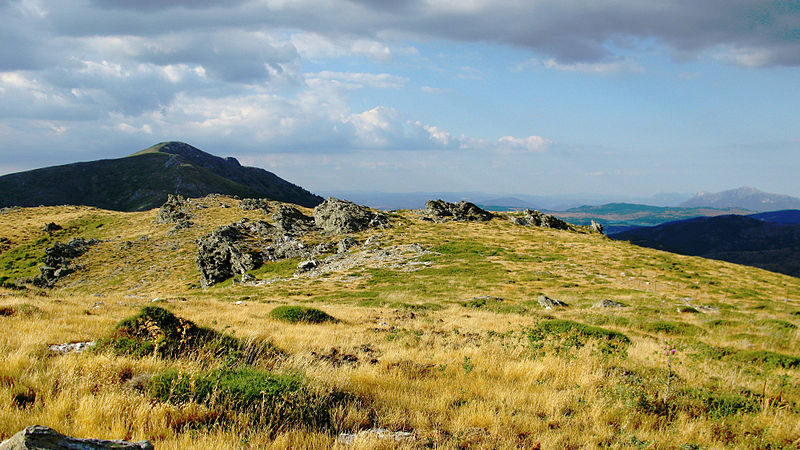
Sardinia is much more than a beach destination. The Gennargentu mountain range rises in the centre of the island and contains some of the region's highest peaks. Forests, rocky slopes, pastures and traditional mountain settlements define the landscape. The Barbagia area is particularly appealing to travellers seeking a less tourist-oriented side of Sardinia, with hiking routes, distinctive villages and local crafts.
The island also has impressive caves, gorges and protected natural areas. Neptune's Grotto near Alghero features underground chambers, stalactites, stalagmites and a saltwater lake. It can be reached by boat or by descending a long staircase carved into the coastal cliffs, when conditions permit. The La Maddalena Archipelago National Park protects islands and marine habitats northeast of Sardinia. It is known for granite landscapes, clear water, beaches and rich marine life.
Towns and traditional villages
Alghero in the northwest is known for its historic centre, defensive walls and connections with Catalan culture. Bosa attracts visitors with its colourful houses along the Temo River and its medieval castle. Castelsardo sits on a rocky headland and is celebrated for its old town, panoramic views and traditional crafts.
Inland, Orgosolo is famous for murals depicting history, community life and political events. Mountain villages preserve traditional festivals, music, dances and customs of hospitality. Visiting these places reveals a side of Sardinia that goes beyond its beaches and resort towns.
Food and local traditions
Sardinian cuisine is built around simple ingredients and strong regional traditions. One of its best-known dishes is porceddu, spit-roasted suckling pig often served at celebrations and family gatherings. Other specialities include malloreddus pasta, culurgiones filled pasta, Pecorino Sardo sheep's cheese and thin, crisp carasau bread. Almonds and honey feature in many traditional sweets.
The island is also known for its wine. Local grape varieties include the red Cannonau and the white Vermentino, especially associated with Gallura. Throughout the year, towns and villages host religious processions, music festivals, craft fairs and food celebrations. Many traditions have been passed down through generations and remain an important part of local identity.
When to visit Sardinia
Summer is ideal for beach holidays, swimming, boat trips and visits to smaller islands. In July and August, the most popular resorts can be crowded and accommodation prices may be high. Late spring and early autumn are often well suited to combining beaches, sightseeing and hiking in more moderate temperatures. Winter is quieter and offers a chance to explore historic towns and rural areas without the summer crowds.
Sardinia appeals to travellers interested in the sea, history, archaeology, food and outdoor activities. Its greatest strength is its diversity: ancient stone monuments stand alongside colourful coastal towns, mountain landscapes and exceptionally beautiful beaches. To experience the island fully, it is worth exploring both the coastline and the interior.
Gallery