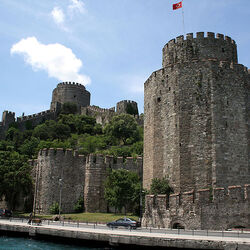
Gulhane Park
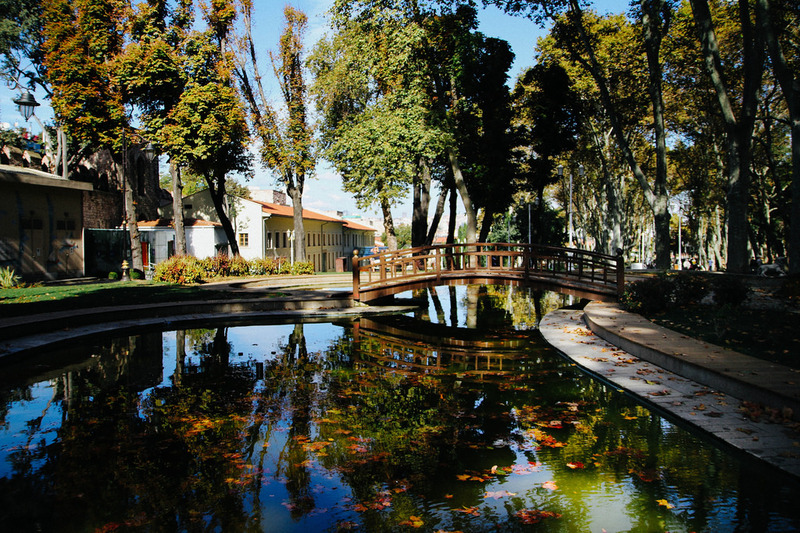
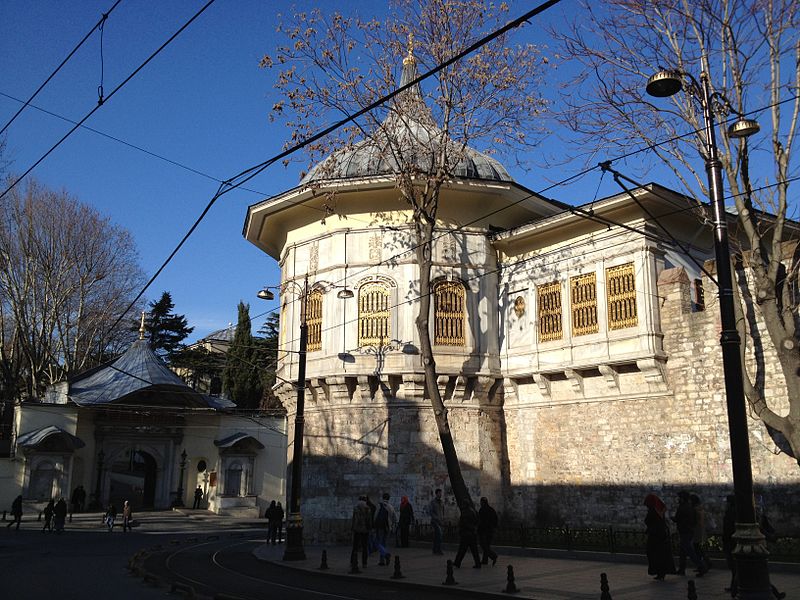
In the historical part of Istanbul, in the Eminenyu district, there is one of the oldest parks in the city, Gulhane Park. During the Ottoman Empire, it was part of the gardens of the Topkapi Palace.
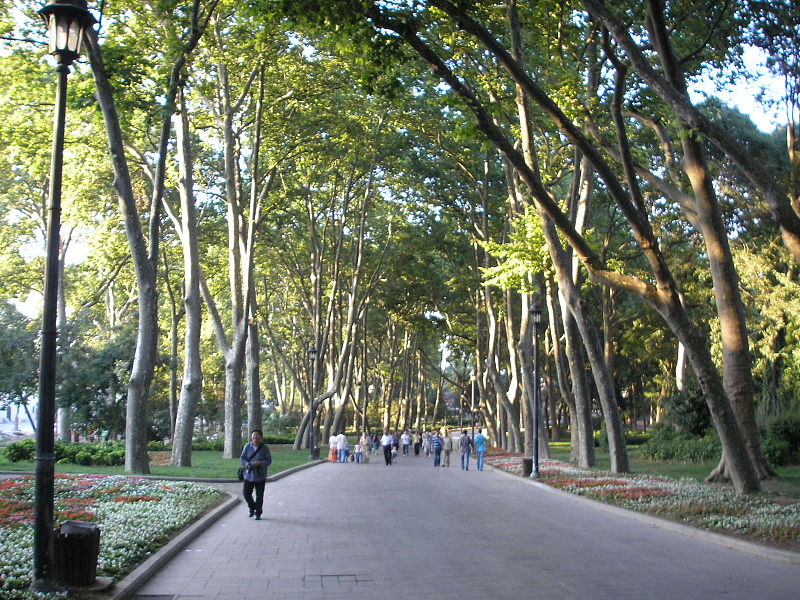
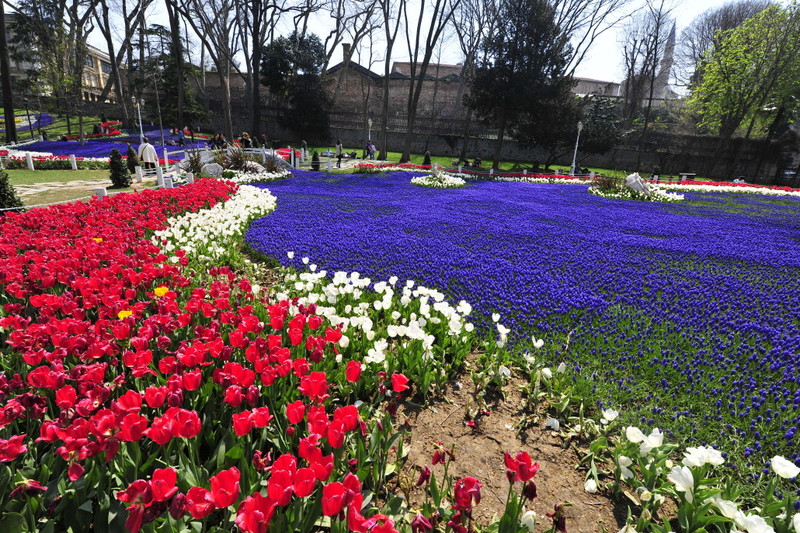
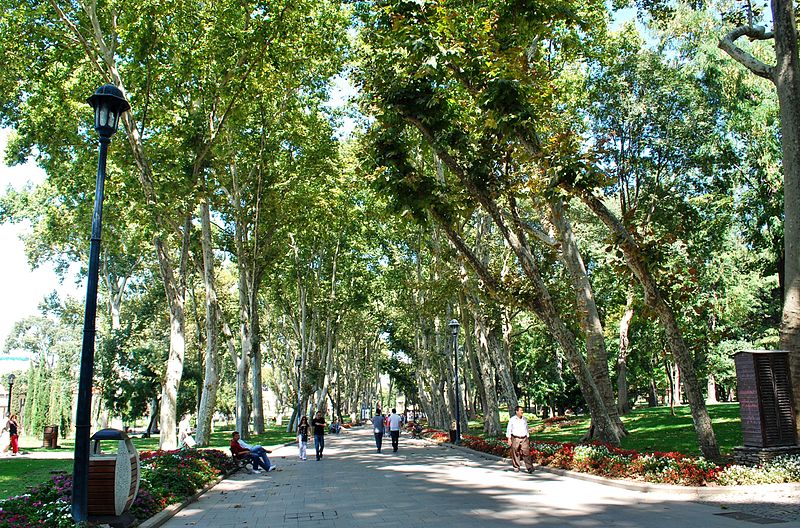
Translated from Persian, the name of the park sounds like "house of roses". Magnificent roses were grown here, and the sultan and his advisers and courtiers rested in wooden pavilions. In 1863, a fire burned down all the pavilions. Over time, the park began to slowly decline. In 1912, the park became accessible to everyone. In 1926, a statue of Mustafa Kemal Ataturk, the founder of Turkey, was erected in Gulkhan Park. In 1955, a small zoo was set up. The life of the park began to boil again only in 2000, when a large-scale reconstruction began. Then, to the delight of the visitors, 80,000 roses and almost 25,000 tulips were planted, paths were tiled, benches were put up, unnecessary fences, a zoo, coffee shops were removed, illuminated fountains were installed.
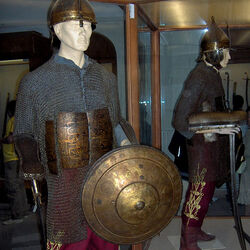
One of the most important historical events happened here in 1839, when the Grand Vizier Mustafa Reshid Pasha proclaimed the Gulhaney Act, which equalized all citizens of the Ottoman Empire, regardless of their religion and race. If you go to the northern part of Gulhane Park, you can see the Gothic Column, 18 meters high. It was erected by the Romans in the 3rd-4th century in honor of the final victory over the Goths. In the west, the Museum of Islamic Science and Technology, which was inaugurated in 20008 by Turkish Prime Minister Erdogan, was located on the site of the former imperial stables. 140 copies of various 8th-16th century inventions used in medicine, chemistry, astronomy, physics, military science and other sciences are on display here.
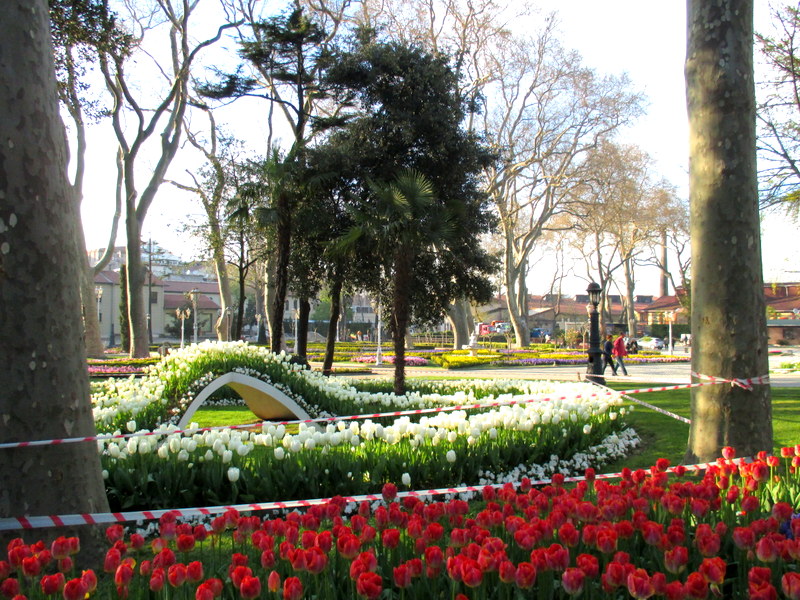
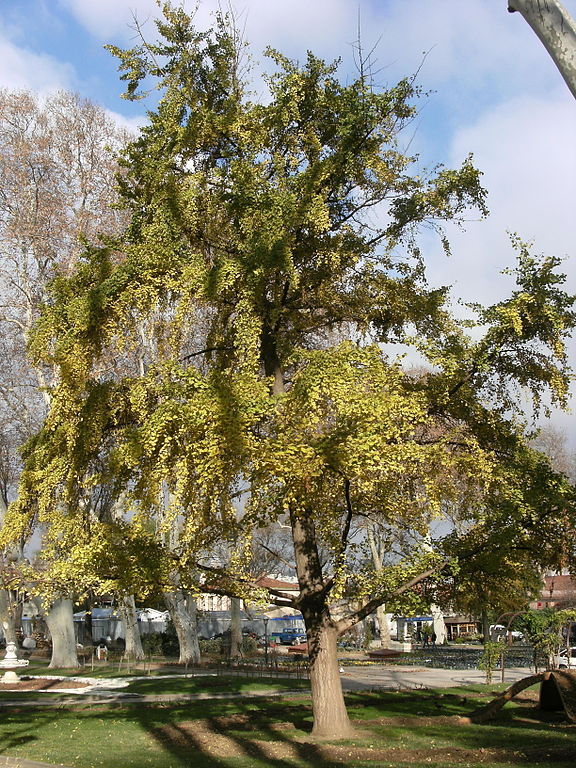
On the outskirts of Gulhane Park there is a cafe with an observation deck, which offers stunning views of the Bosphorus Strait and the Golden Horn Bay. Tired of walking in the park, you can sit on a bench and relax under the shade of huge plane trees, admiring the numerous flowers. With the arrival of spring, storks nest on the sycamores of the park and fly away from here only in August.