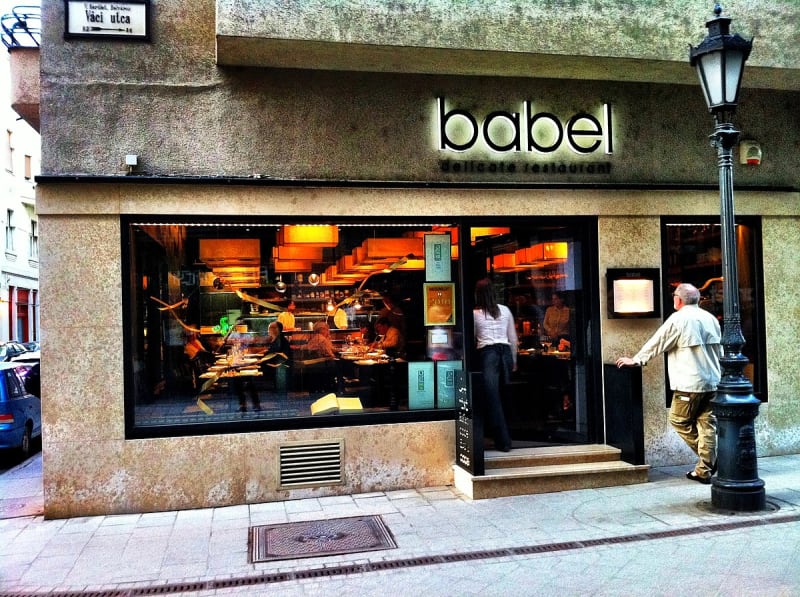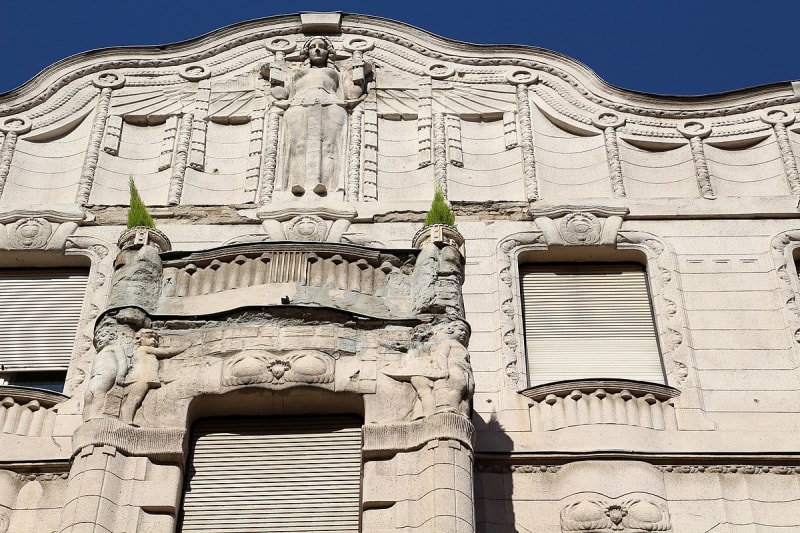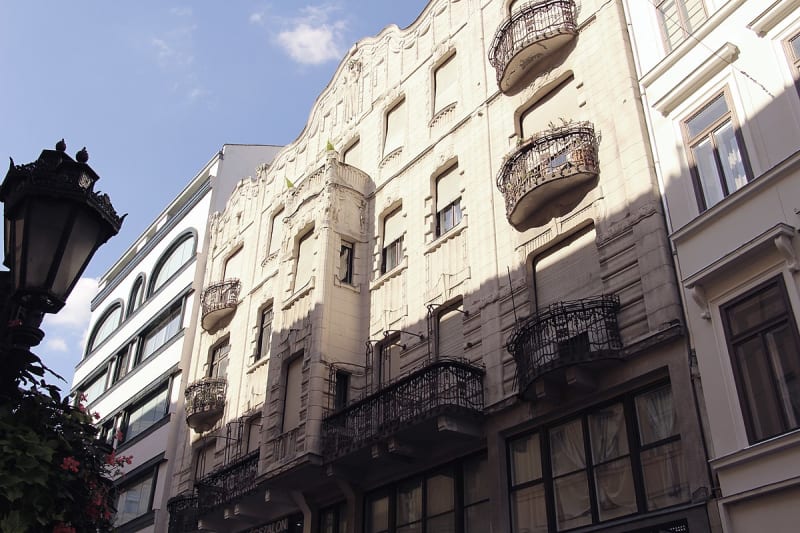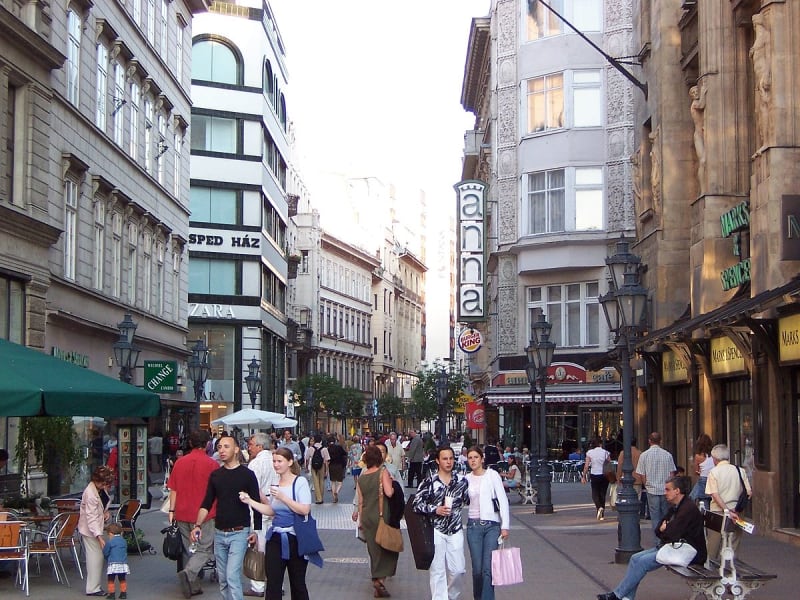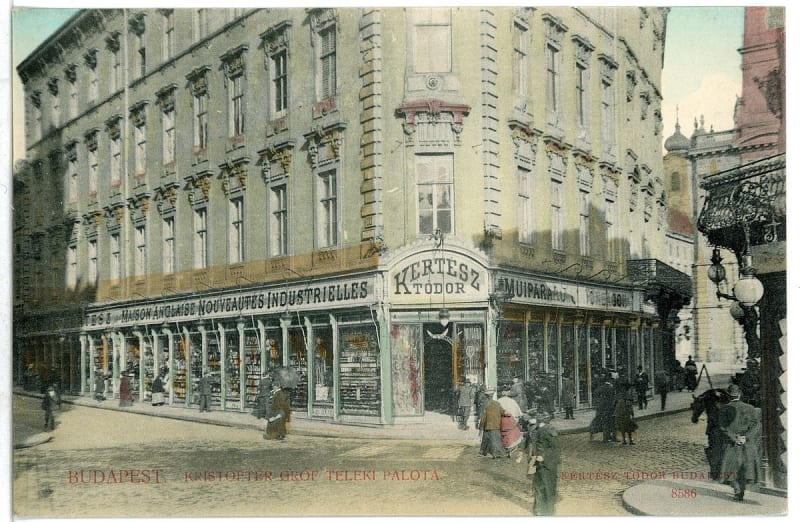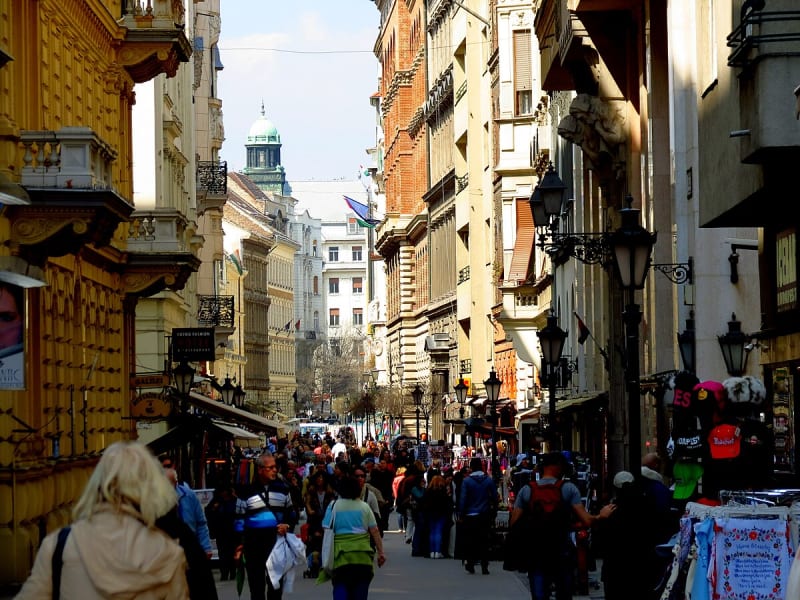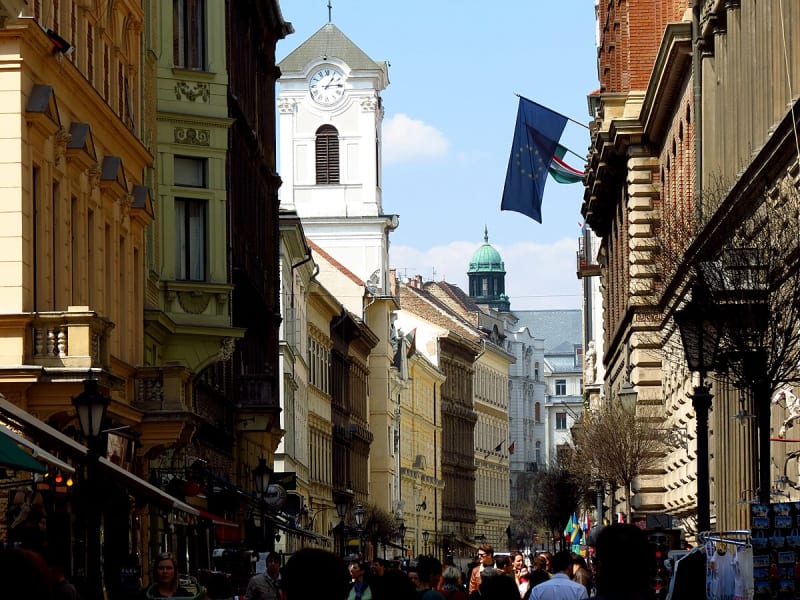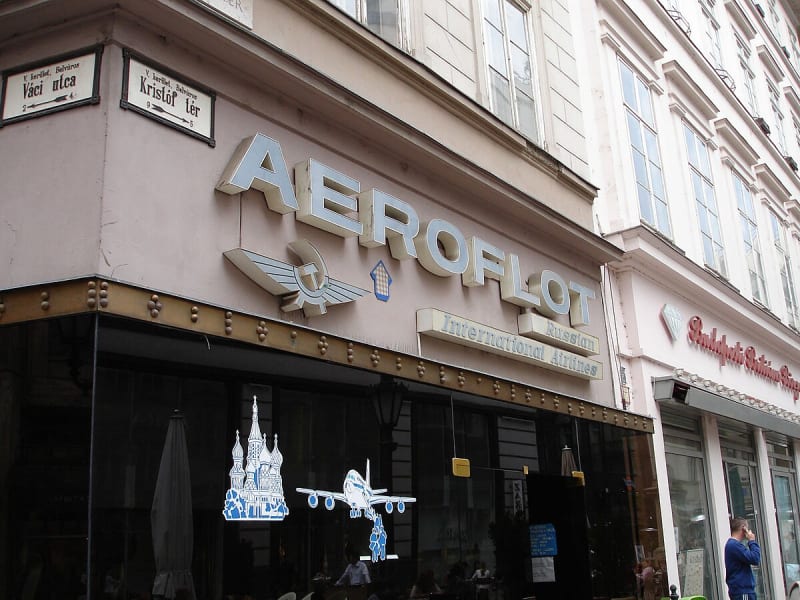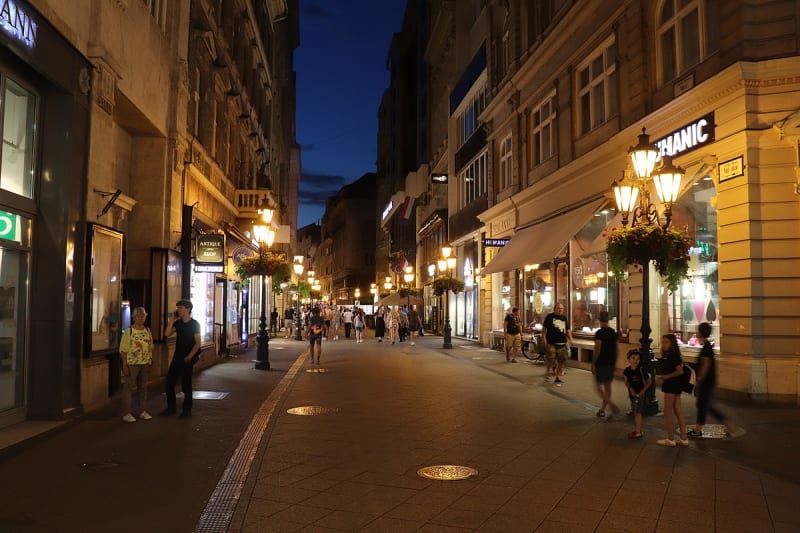

Vaci Street is recognized as the main street of the historic district in the center of Budapest. There are many restaurants and shops serving mainly the tourist market. Many facades of buildings have cast-iron ornaments and mosaics, which immediately attracts the attention of passers-by.
The history of Vaci Street
The most important pedestrian street of the city began its history in the XVI century, but acquired its modern appearance in the XVIII century. At that time, it was considered the most elite part of the city, stretching parallel to the embankment, and its length coincided with the length of the entire Pest. Throughout its existence, Vaci Street has experienced several periods of prosperity and decline, becoming either a habitat for aristocrats or a cluster of shops.
By the way, the proximity of the embankment also played a role in this. Today, the main tourist artery begins at Vereshmarti Square and ends at the Central Market. The northern part of the street became the first area of the city designed exclusively for pedestrians. This event took place in 1964, and more than 20 years later, paving stones were laid on this site. The south side was granted pedestrian status in 1996.
What to see on Vaci Street
Vaci Street is designed, as our wise ancestors said, to show oneself and look at others. Here you can walk for days at a time, looking at the facades of ancient buildings, relaxing by small fountains and tasting local dishes in a huge number of restaurants and cafes that provide places both indoors and outdoors. However, European cuisine can also be found here without much difficulty.
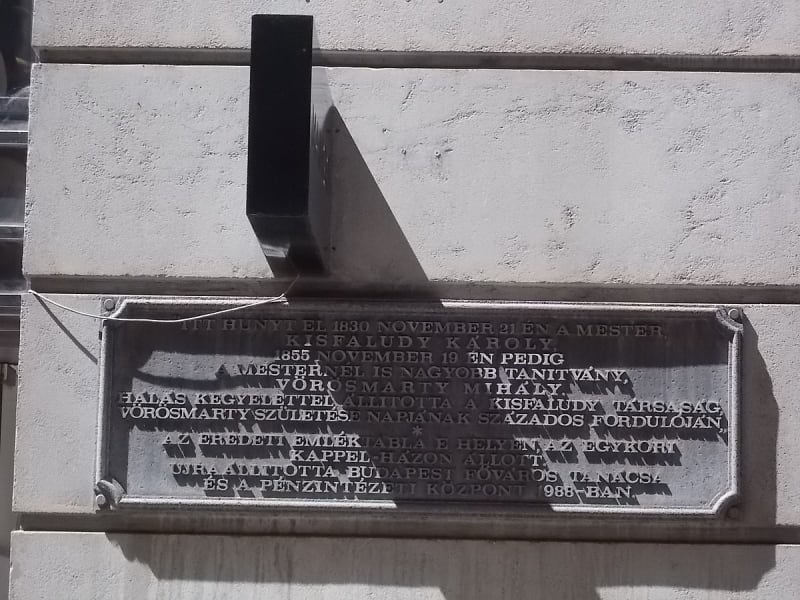
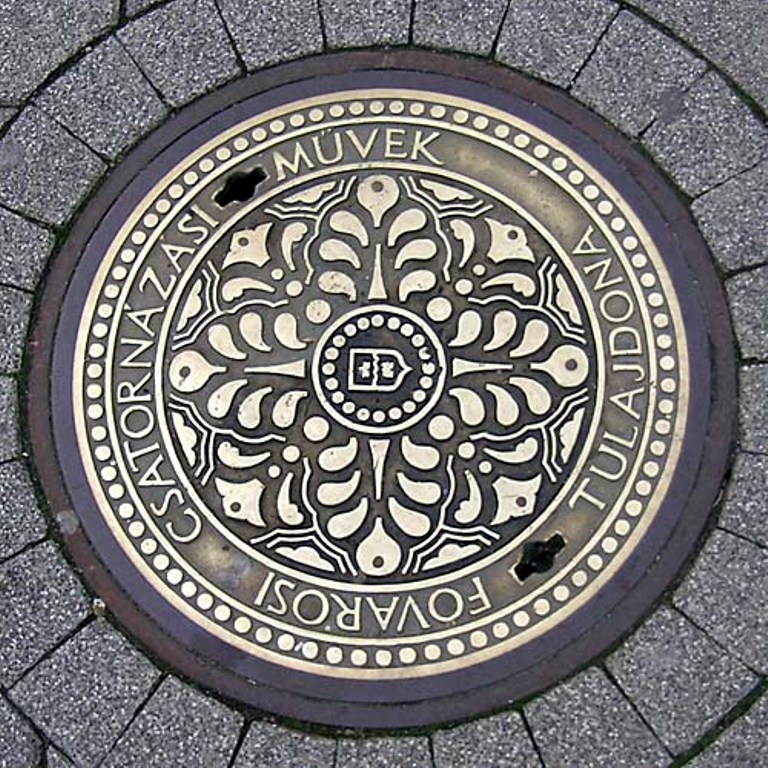
For those who begin their acquaintance with the new city with architectural monuments, it is worth paying attention to the New Town Hall, the Toneta House, the University of Corvin, the Comedy Theater, the Church of St. Michael. All of them are located in the southern part of the "project", characterized by a special cozy privacy. Unusual fences, paved sidewalks, authentic urns and even manholes add additional charm to all the buildings. There are also art galleries and museums here.
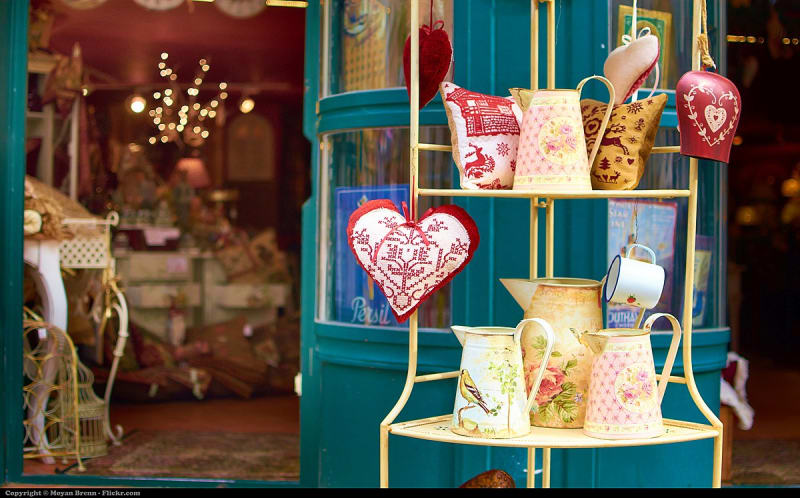
The northern part of Vaci Street is brighter and noisier, it is completely focused on modern travelers who want to buy the most modern things at reasonable prices. Both the giants of the global fashion industry (Mango, Zara, Lacoste, Nike, Swarovski) and small local ateliers are located here, ready to sew exclusive outfits strictly according to the standards of customers.
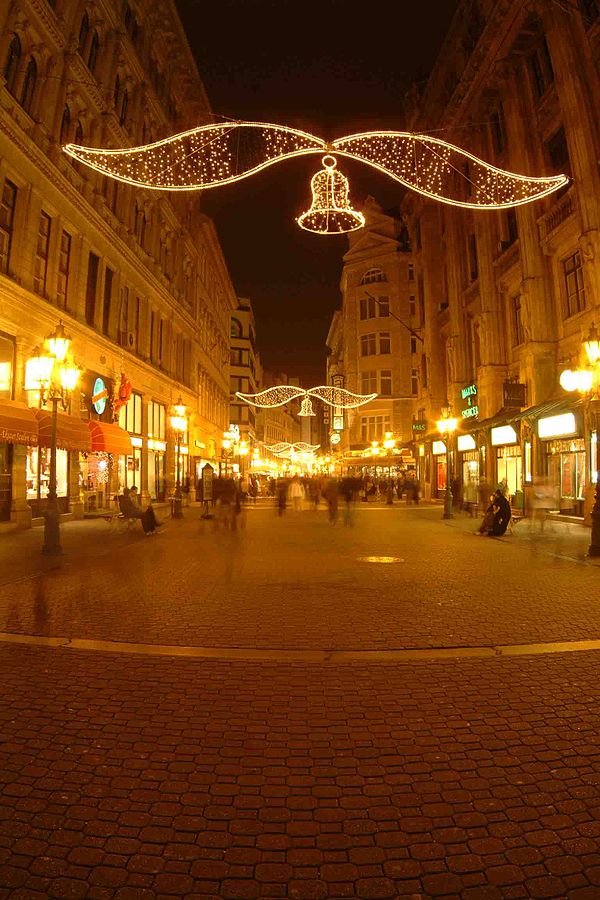
There are luxurious antique salons, the famous Hungarian porcelain store Herend and Zsolnay, and many souvenir shops. At dusk, illumination turns on on Vaci Street, transforming the space in the most magical way and transporting pedestrians into an old charming fairy tale, however, with modern cafes.
You can eat here inexpensively if you use chain eateries (McDonald's, BurgerKing). For gourmets, there are elite restaurants and unusual local pastry shops, where local ice cream, coffee and marzipan are offered to visitors along with pastries melting in their mouths. Small cafes offer mainly national dishes and traditional wines. You can also walk around the surrounding squares or turn onto the embankment.
Gallery