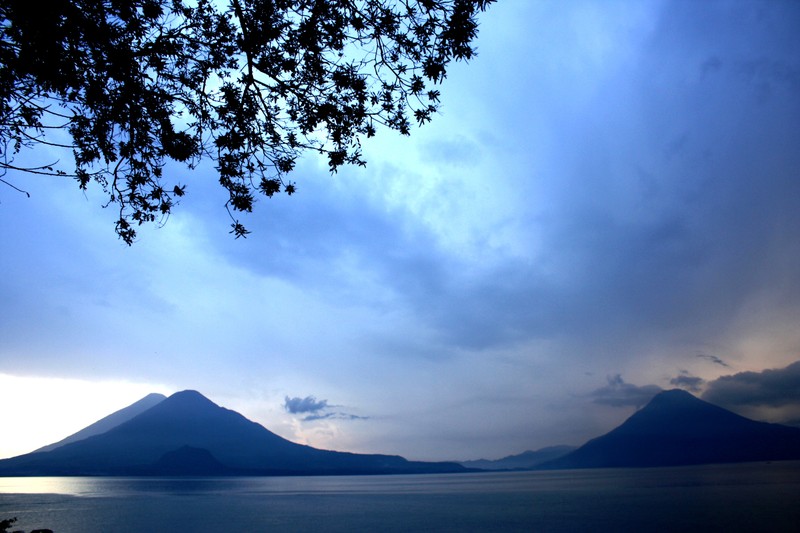
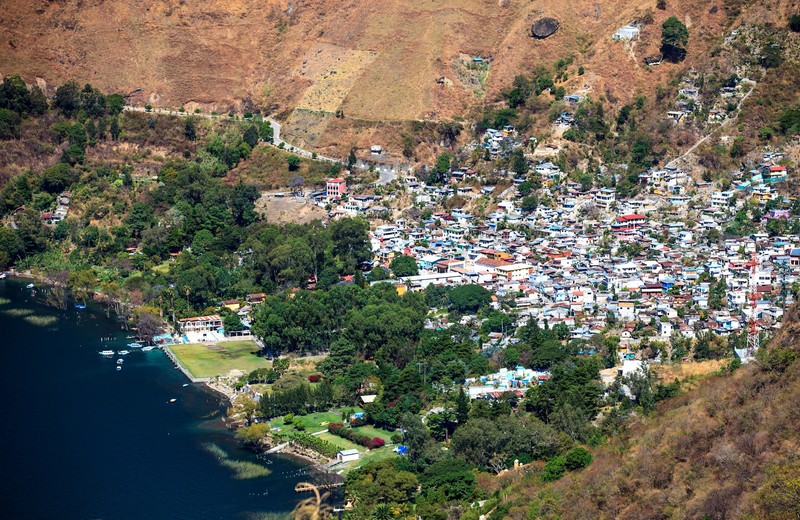
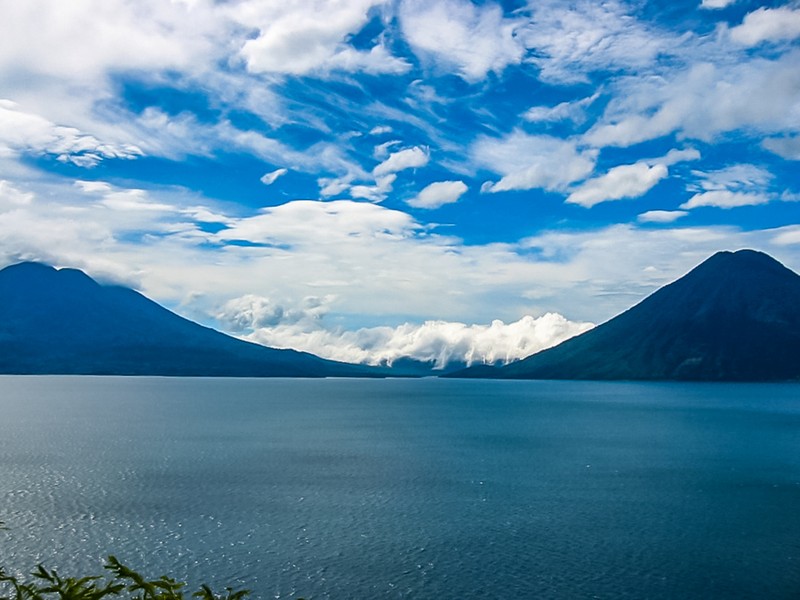
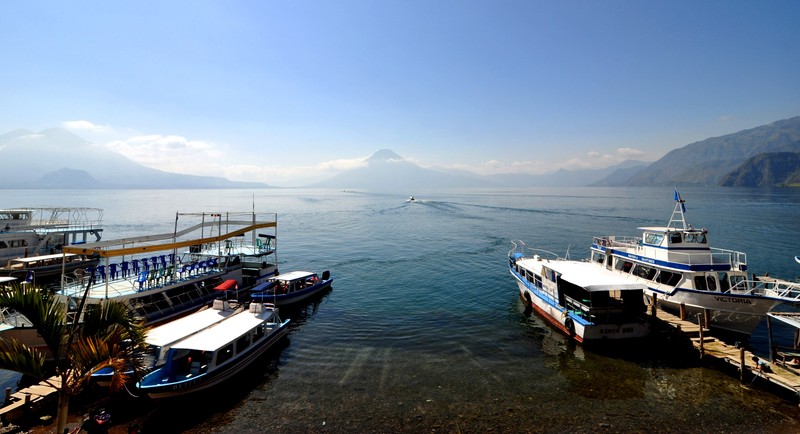
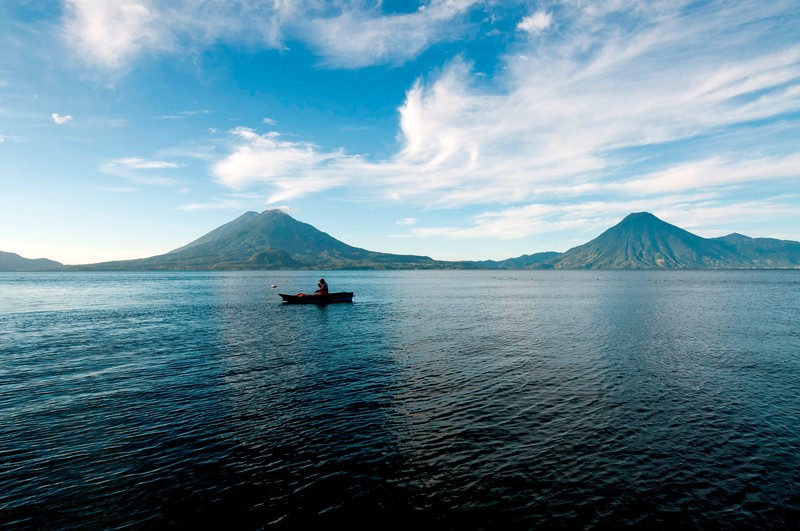
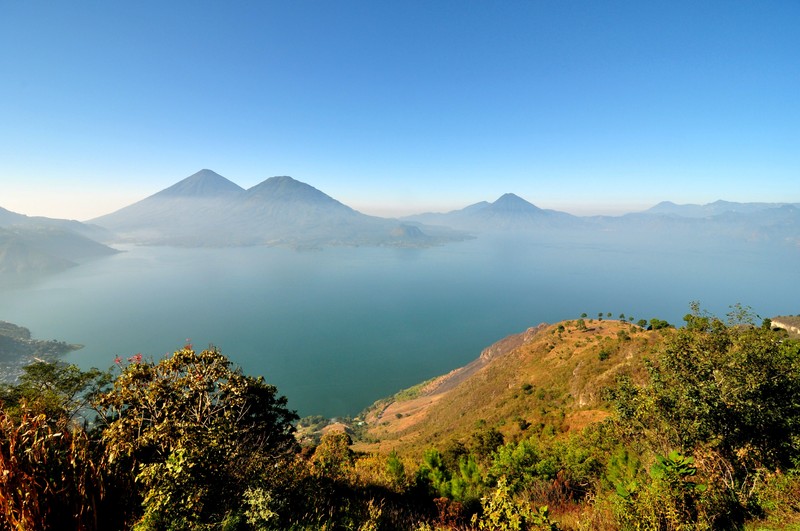
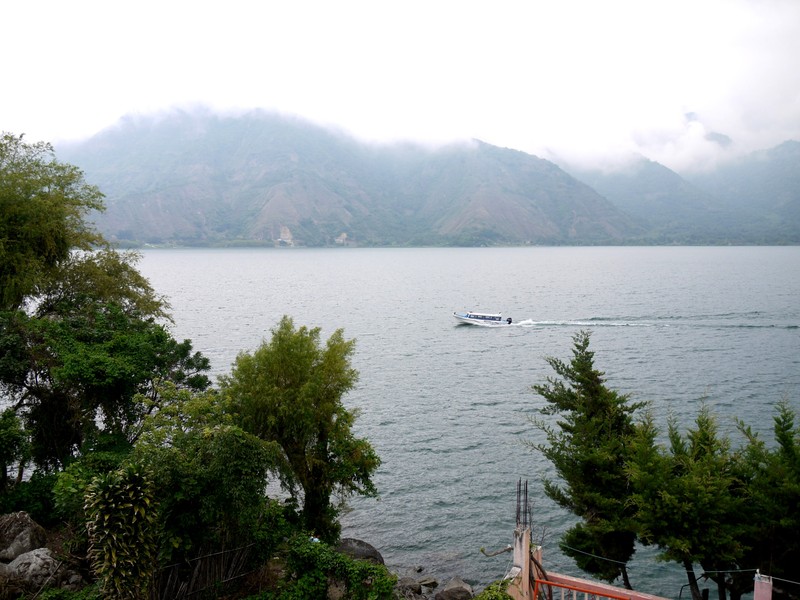
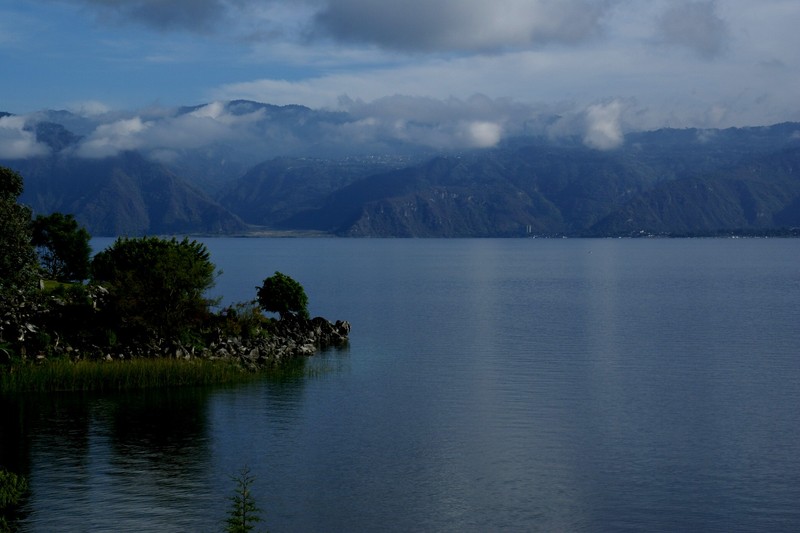
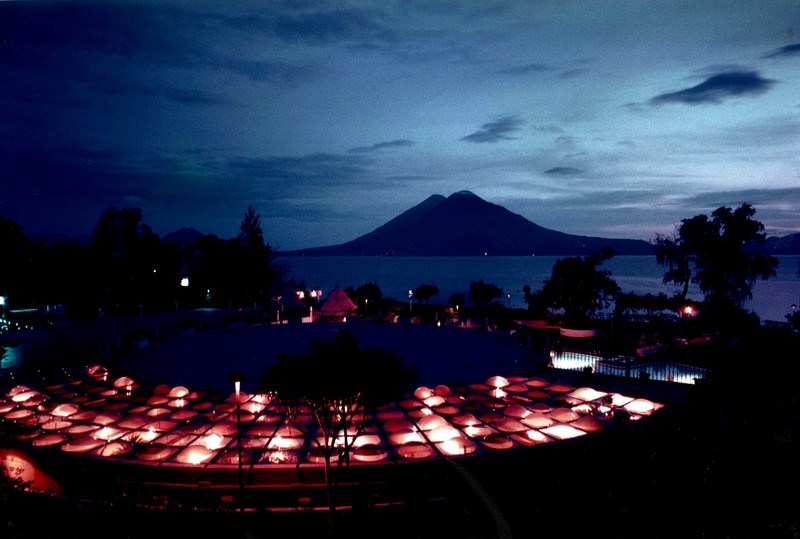
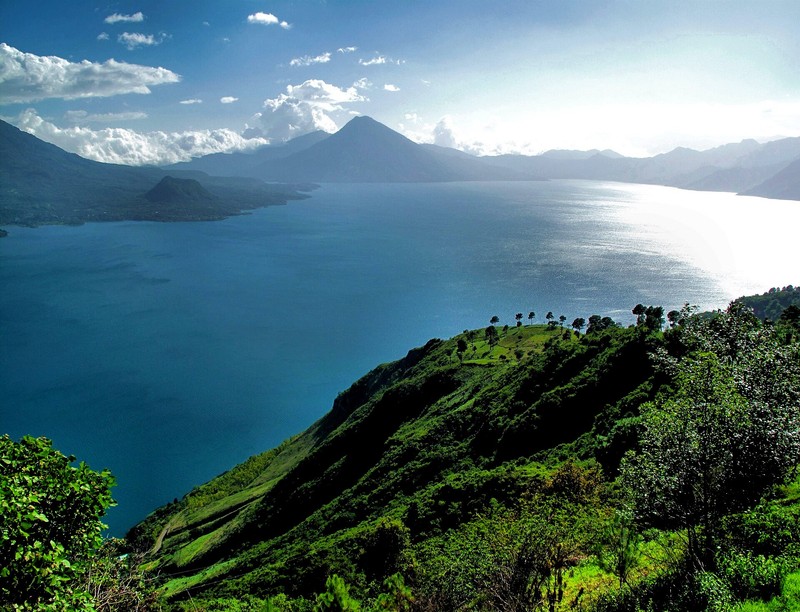
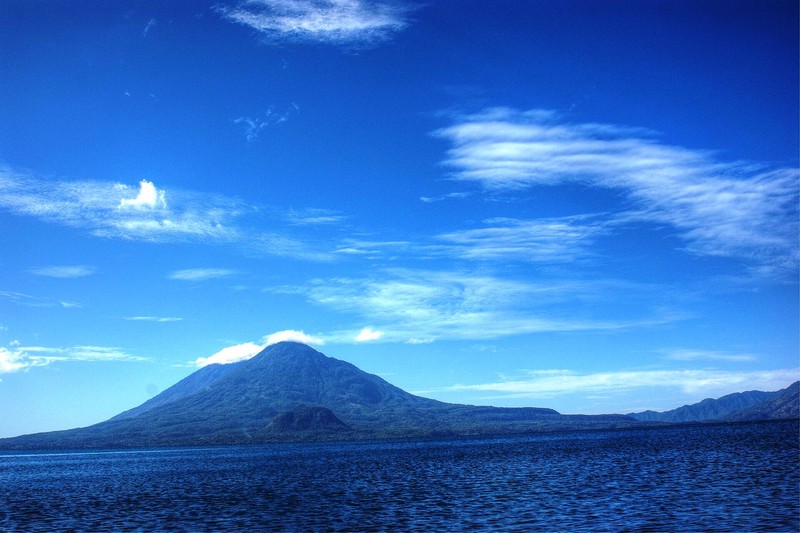
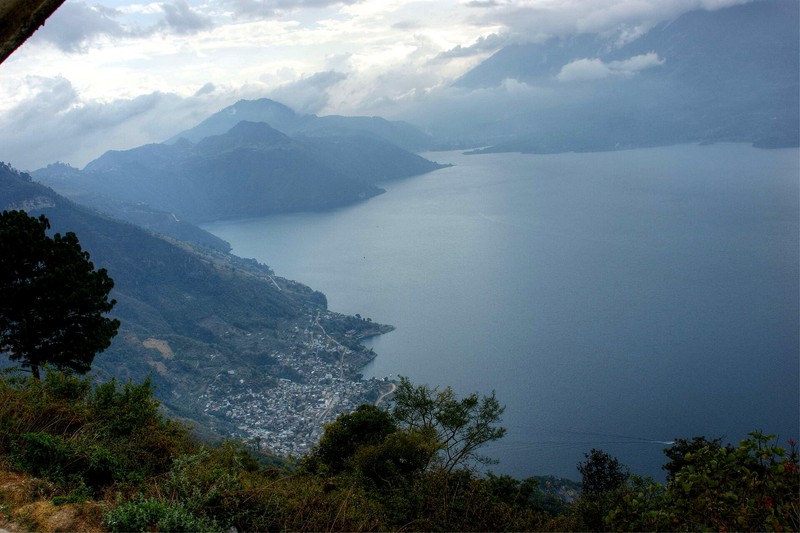
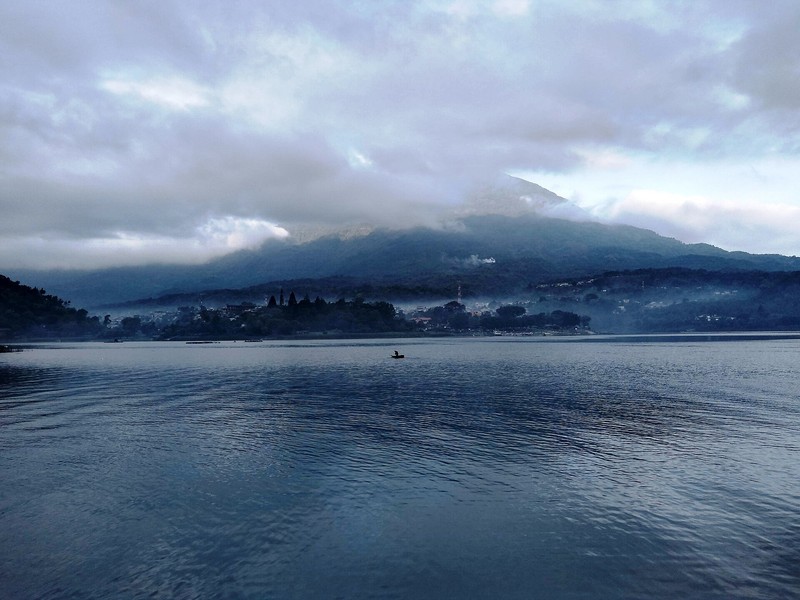
Lake Atitlán is one of Guatemala’s best-known natural wonders, set among the mountains of the western highlands in the department of Sololá. Its deep blue waters are surrounded by green slopes and three impressive volcanoes: Atitlán, Tolimán and San Pedro. Traditional Maya communities line the shores, preserving local languages, crafts, clothing and cultural customs. The combination of volcanic scenery and living traditions makes Atitlán one of the most rewarding places to visit in Central America.
Where is Lake Atitlán?
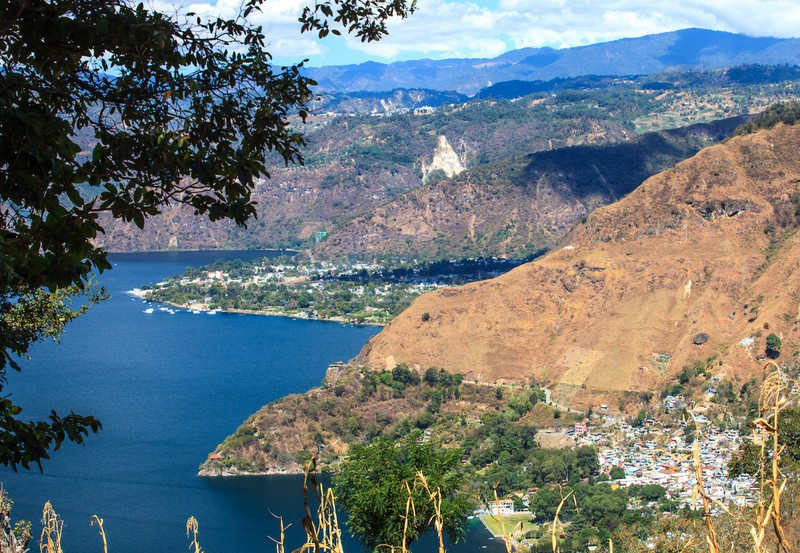
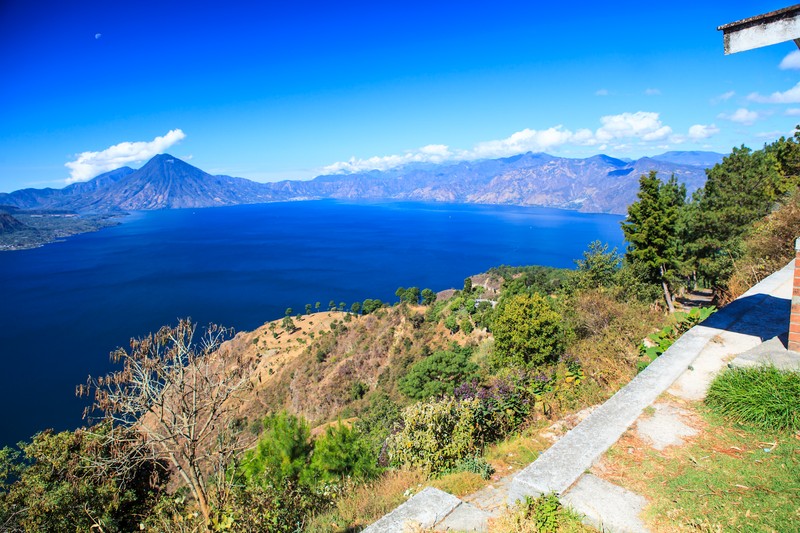
The lake lies in the department of Sololá in western Guatemala, at an elevation of about 1,560 metres above sea level. It fills a large volcanic basin and covers approximately 130 square kilometres. The lake is about 18 kilometres long, and its depth exceeds 300 metres in some places. Atitlán is considered one of the deepest lakes in Central America.
Panajachel, on the northeastern shore, is the main nearby tourist hub. Boats depart from here to other lakeside communities, making the town a common starting point for exploring the region.
The volcanic origins of the lake
Atitlán’s landscape was shaped by intense volcanic activity. Around 84,000 years ago, a major eruption led to the formation of a vast caldera that gradually filled with water. Today, steep mountain slopes and volcanic peaks define its outline.
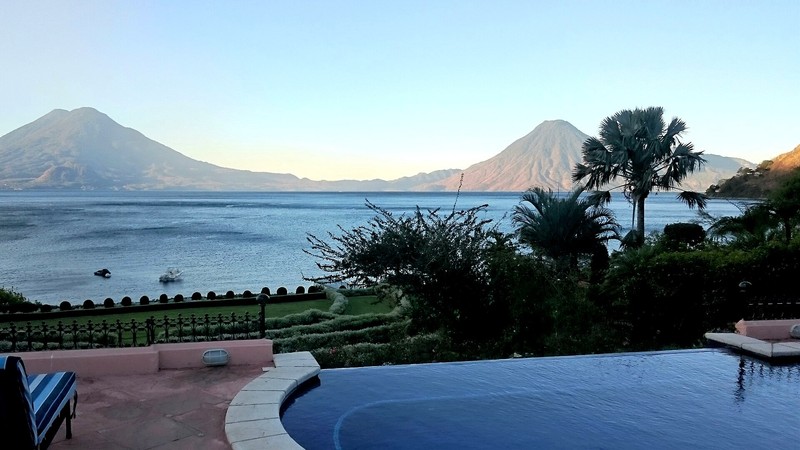
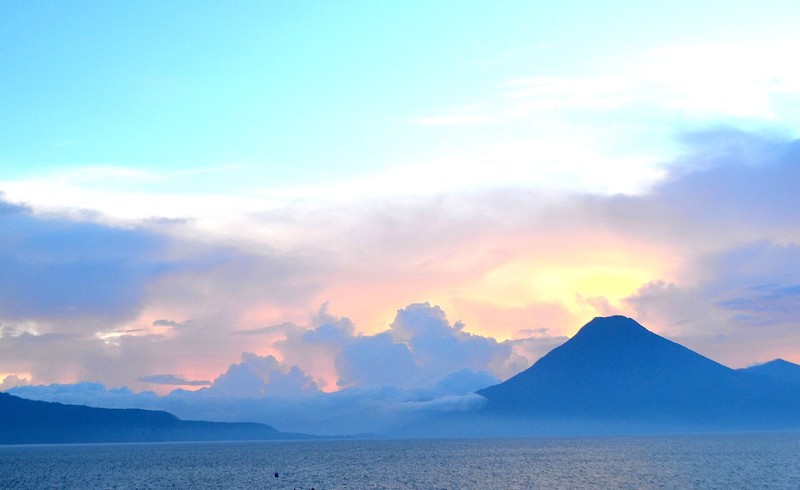
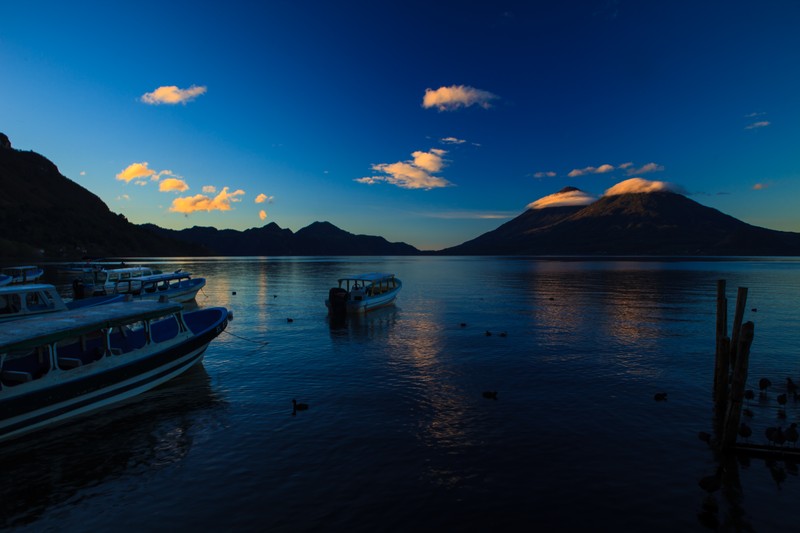
The most prominent peaks in the region are Atitlán, Tolimán and San Pedro volcanoes. They create the lake’s distinctive silhouette and look especially striking at sunrise and sunset, when the light changes across the mountains and their reflections appear on the water.
What to see around Lake Atitlán
Panajachel
Panajachel is one of the region’s main tourist centres and a convenient base for a visit. It has hotels, cafés, restaurants, craft shops and a market. The waterfront offers views of the lake and volcanoes, while boats from the local piers connect the town with other villages.
San Juan La Laguna
San Juan La Laguna is known for art workshops, colourful murals and local craft cooperatives. Visitors can learn about traditional weaving, natural dyes and artists whose work draws inspiration from Maya culture and the surrounding landscape.
Santiago Atitlán
Santiago Atitlán retains a strong Tz’utujil Maya identity. Visitors can see traditional clothing, explore the local market and learn about customs passed down through generations. It is a good place to gain insight into everyday community life.
Santa Catarina Palopó
Santa Catarina Palopó stands out for its houses decorated with vivid geometric patterns and its views across the lake. Walking through the village reveals local art initiatives and offers opportunities to photograph the volcanic landscape.
San Marcos La Laguna
San Marcos La Laguna is known for its peaceful atmosphere, yoga, wellness activities and quiet places to unwind. It suits travellers who want to spend several days by the water away from the busier tourist centres.
Things to do at the lake
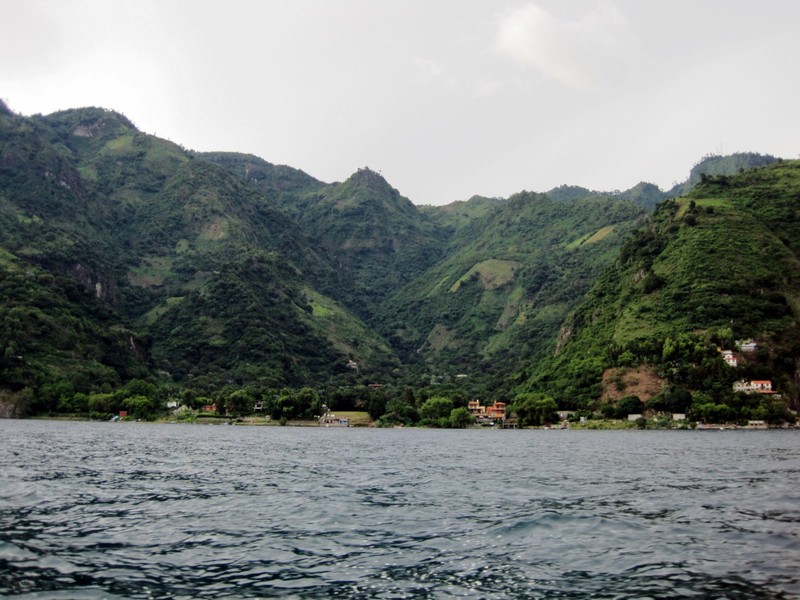
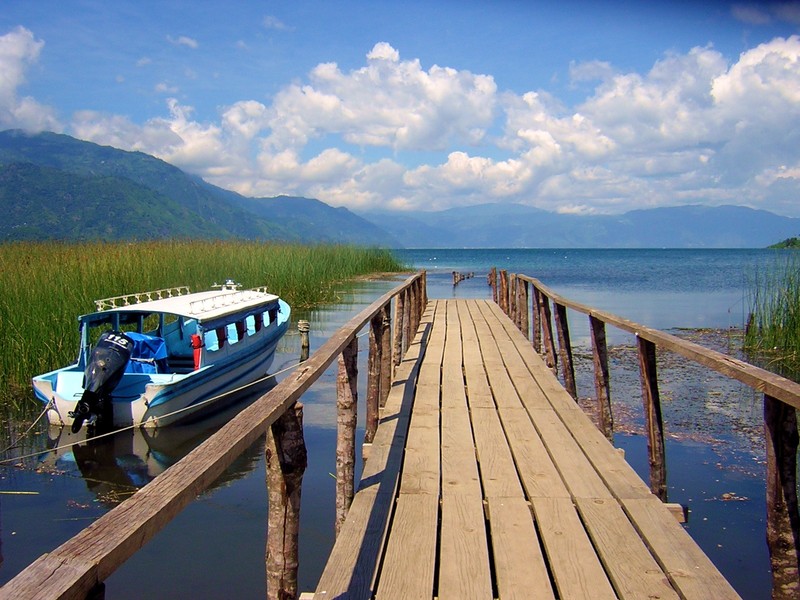
One of the best ways to experience Atitlán is to travel by boat between the lakeside villages. From the water, visitors can see volcanic slopes, small docks and settlements built close to the shore. Boats are not only a tourist attraction but also an important part of local transport.
Outdoor enthusiasts can hike to viewpoints, kayak, watch birds or explore nature trails. Climbing San Pedro Volcano requires good physical fitness; check local conditions beforehand and consider hiring an experienced guide.
In the villages around the lake, visitors can explore craft workshops, markets and small galleries, sample Guatemalan food and learn about Maya culture. Combining boat trips with visits to several communities makes for a more varied experience.
When to visit Lake Atitlán
The lake can be visited throughout the year. The dry season, generally from November to April, often brings clearer days and favourable conditions for walks and panoramic photography. During the rainy season, mainly from May to October, the surrounding mountains become especially green, although afternoon showers and cloud cover are more common.
Weather in the highlands can change quickly. Views are often clearer in the morning, while clouds may cover the peaks later in the day. Bring a light jacket, rain protection and comfortable shoes for boat trips and walks.
How to get to Lake Atitlán
Travellers usually reach Panajachel from Guatemala City or Antigua Guatemala by bus, tourist shuttle or car. The journey from the capital often takes around three hours, depending on traffic and road conditions. From Panajachel, boats provide access to other settlements around the lake.
When planning the trip, remember that travelling by road between villages is not always convenient; a boat may be faster and simpler. Check local schedules and transport conditions, especially if you plan to return in the evening.
How long should you stay?
Allow two to four days for a first visit to Lake Atitlán. This gives you time to visit several villages, take a boat trip, explore viewpoints and discover local crafts. If you plan to climb a volcano or spend more time on nature trails, consider staying longer.
Why visit Lake Atitlán?
Atitlán brings together dramatic scenery, volcanic geology and the living culture of Maya communities. Visitors can admire high volcanoes, travel across the lake, explore craft workshops and spend time in villages with very different atmospheres. It is more than a beautiful lake: it is an entire region that reveals Guatemala’s natural and cultural diversity.
Gallery