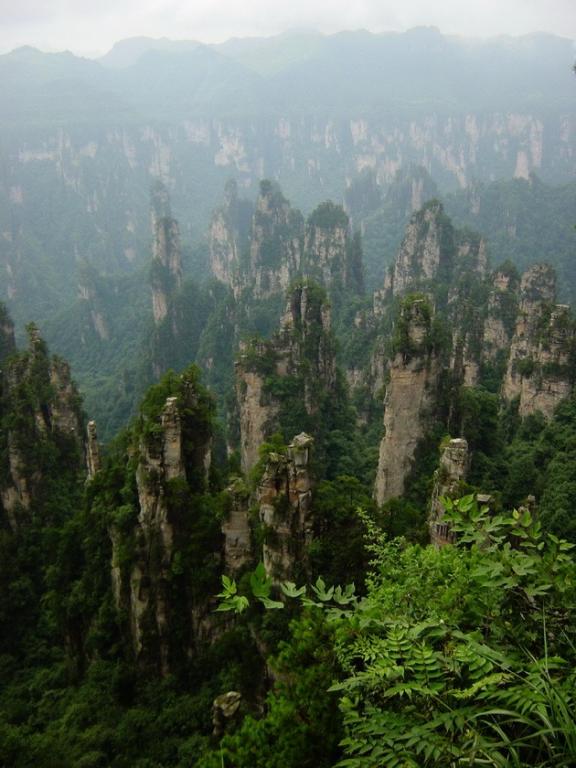
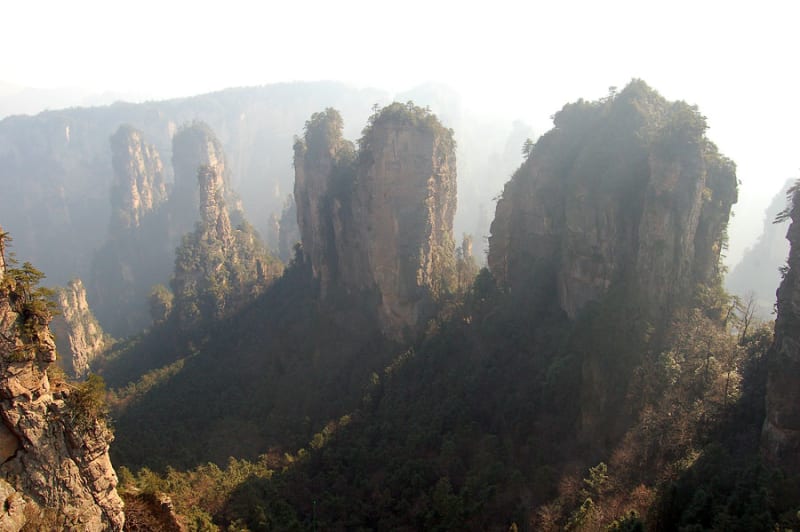
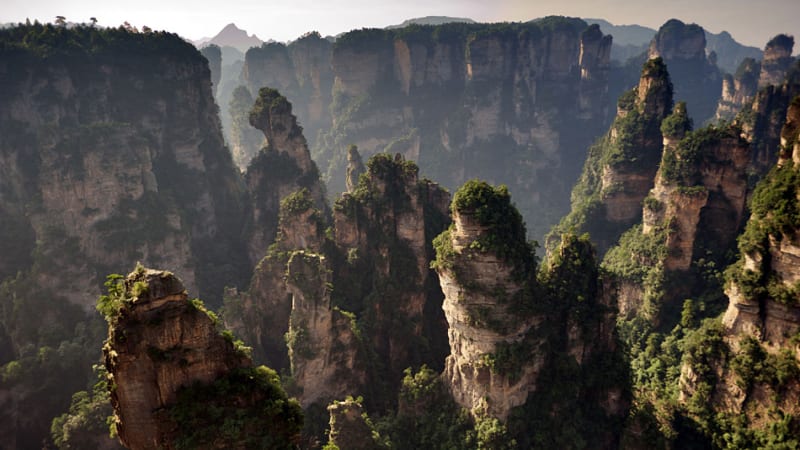
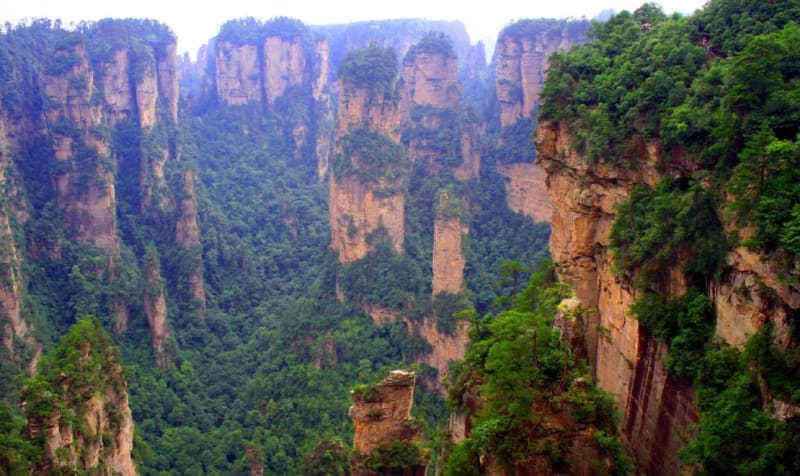
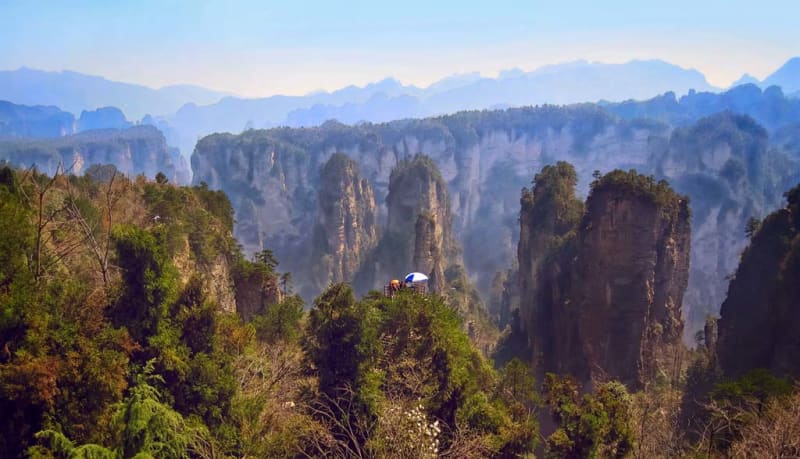
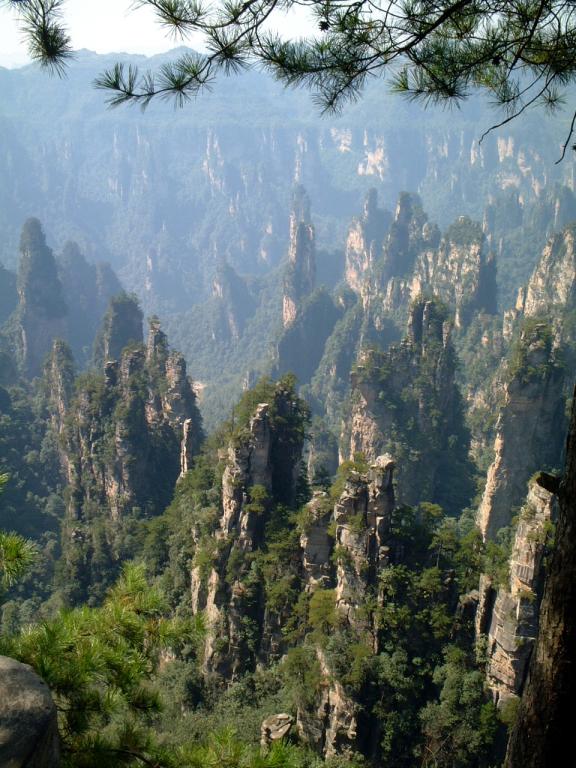
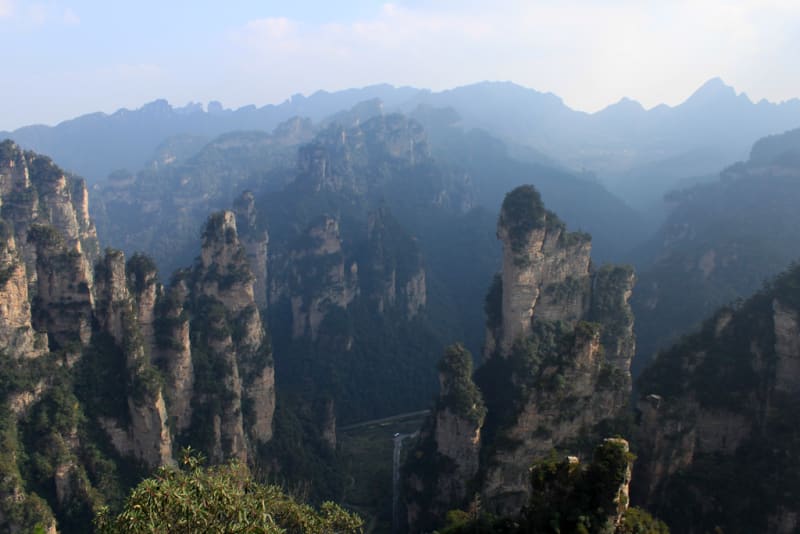
Zhangjiajie National Forest Park is a famous natural attraction in Hunan Province in southern China. It is known for unusual quartz-sandstone rock formations that rise above deep ravines and dense forests as tall, isolated pillars. Some peaks resemble towers, while others look like narrow stone spires surrounded by mist. This extraordinary landscape has made Zhangjiajie one of China's most recognisable natural destinations.
History and significance of the park
Zhangjiajie National Forest Park was established in 1982 and became China's first national forest park. It forms part of the larger Wulingyuan Scenic Area, which was inscribed on the UNESCO World Heritage List in 1992 for its remarkable quartz-sandstone formations. In 2004, the area was also recognised as a UNESCO Global Geopark.
It is important to distinguish Zhangjiajie National Forest Park from the wider Wulingyuan natural area. Wulingyuan includes several scenic zones with their own trails, viewpoints and transport connections. Together, they form an extensive landscape of stone forests, ravines, waterfalls, mountain woodlands and panoramic summits.
Stone pillars and the Avatar Mountains
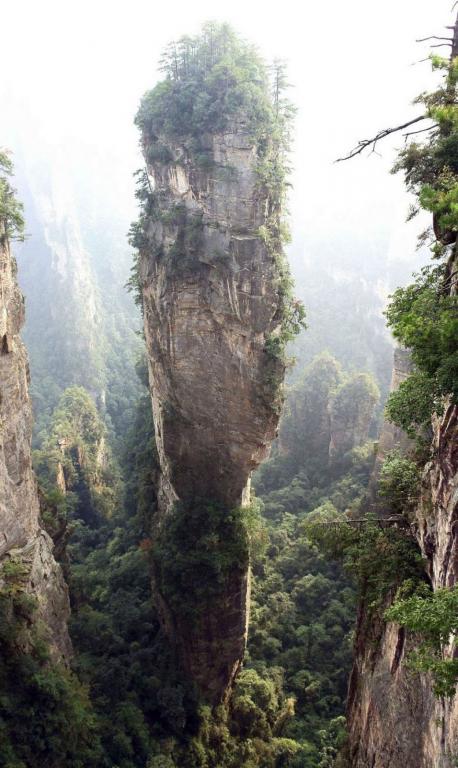
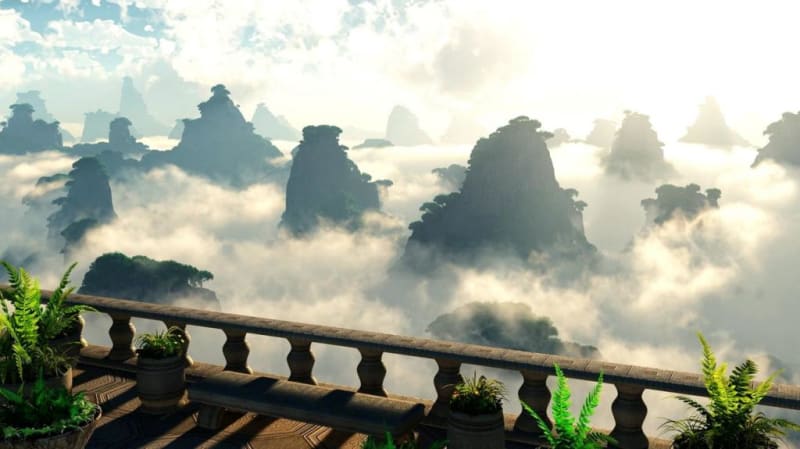
Zhangjiajie's defining feature is its thousands of tall quartz-sandstone pillars, shaped over long periods by weathering and erosion. Their steep walls rise above the forest, and some individual peaks appear almost vertical. When the weather changes, clouds and mist can conceal the rocks, creating the impression of mountains floating in the air.
The Yuanjiajie area is particularly famous for a formation commonly nicknamed Avatar Hallelujah Mountain. Its scenery is often associated with the fantastical floating mountains in the film Avatar. The rock formations themselves, however, existed long before cinema, and their unusual shapes are the result of geological processes.
Another well-known feature of Yuanjiajie is the First Bridge Under Heaven, a natural stone bridge connecting two rocky peaks. Viewpoints offer different perspectives on the pillars, although some sections of the walking routes follow narrow mountain paths and require care.
Tianzi Mountain
Tianzi Mountain is one of Wulingyuan's best-known viewing areas. Its peaks and ledges form a broad panorama of stone pinnacles, ravines and forested slopes. On clear days, visitors can see numerous separate rock formations at different elevations, while after rain the mountains are often wrapped in clouds.
One recognisable landmark is Yubi Peak, a name commonly translated as Imperial Brush Peak. Its slender rock projections resemble upright stone brushes. Viewpoints are provided around the Tianzi Mountain area, and the ascent or descent can be combined with a cable-car ride if the service is operating on the day of the visit.
Golden Whip Stream
Golden Whip Stream, also known as Jinbianxi, offers a different way to experience the park. Instead of looking down at the peaks from above, visitors walk through a valley beside a clear mountain stream, surrounded by high cliffs and dense vegetation. Here, the scale of the rock walls towering above the trail becomes especially striking.
The stream route runs mostly over level ground and suits visitors who prefer a relaxed walk without long climbs. Popular descriptions give the full route as approximately 7.5 kilometres one way, so it is worth deciding in advance how far to walk and how to return. Macaques are sometimes seen along the banks. Observe them from a distance, do not feed them and keep food out of sight.
The Bailong Elevator and cable cars
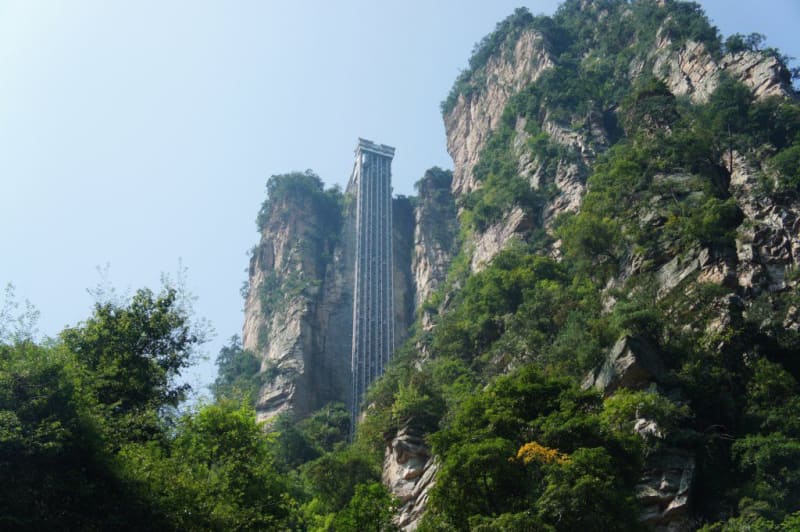
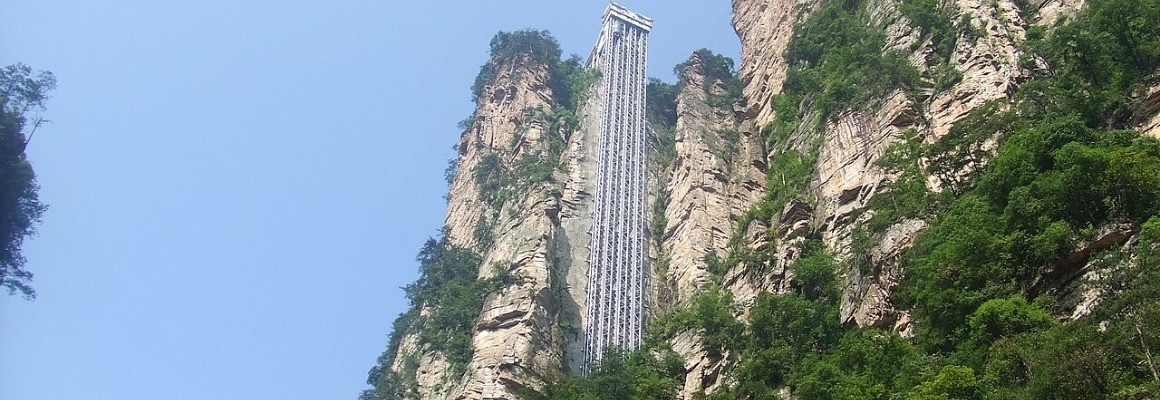
The Bailong Elevator, whose name means “Hundred Dragons Elevator,” is one of the area's most unusual transport attractions. It carries visitors up a sheer cliff to the high plateau of Yuanjiajie. The ride quickly covers a substantial change in elevation and offers views of the stone pillars and forested slopes.
Cable cars and sightseeing shuttle buses also operate in different parts of the park. They help visitors move between valleys, plateaus and viewpoints, but they do not eliminate the need for walking. Separate tickets may be required for some lifts, and operations depend on weather and technical conditions. Check current operating information before visiting.
Plant and animal life
Zhangjiajie's rock formations are surrounded by dense subtropical forests. Trees, shrubs, ferns and other plants adapted to the humid mountain climate grow along the slopes. Ravines remain cool, and mosses and plants on the rocks become especially noticeable after rain. Forests, cliffs and streams combine to create a variety of natural habitats.
Visitors may see many kinds of birds and some representatives of the local wildlife. Macaques sometimes appear along popular trails and are accustomed to human presence. Do not approach, touch or feed them. To protect the fragile ecosystem, remain on authorised paths and avoid picking plants.
When to visit Zhangjiajie
Spring and autumn are often considered convenient seasons for walking because temperatures are moderate and the scenery is striking. In spring, fresh greenery covers the slopes, and rain can create mist in the ravines. In autumn, forest colours change and clear days reveal distant views. Summer brings lush vegetation but can also mean heat, high humidity and heavy rain. Higher elevations can be cold in winter, and some paths may become slippery.
Mist is a characteristic part of the local landscape, but it can limit visibility from viewpoints. Before hiking, check the weather forecast, wear shoes with good grip and carry water. Some trails, elevators and cable cars may temporarily close during strong winds, thunderstorms or icy conditions.
Getting there and planning a visit
Zhangjiajie National Forest Park is located in the Wulingyuan area of Zhangjiajie City, Hunan Province. Travellers can reach the region through Zhangjiajie Hehua Airport or the city's railway stations, then continue by bus, taxi or organised transfer. It is important to decide in advance which park entrance is most convenient, as different gates serve different routes.
The area is extensive, so two or three days are recommended to explore its main sections. A single day allows time for only some of the principal sights. Plan priorities in advance: Yuanjiajie and Tianzi Mountain are ideal for panoramic views, while Golden Whip Stream offers a valley walk. Travel times depend on queues, lift operations and internal shuttle services.
Before travelling, check official tourism resources for entry rules, ticket validity, trail access and lift operating conditions. During busy periods, arriving early is advisable because popular viewpoints can become crowded.
Why visit Zhangjiajie National Forest Park
Zhangjiajie impresses visitors with its unusual geology, vertical stone pillars, forested ravines and panoramas that change with the light and weather. You can climb to a plateau, walk beside a mountain stream, ride a panoramic elevator or spend several days exploring different parts of the natural area. It is one of China's most memorable destinations for nature lovers, hikers and landscape photographers.
Gallery