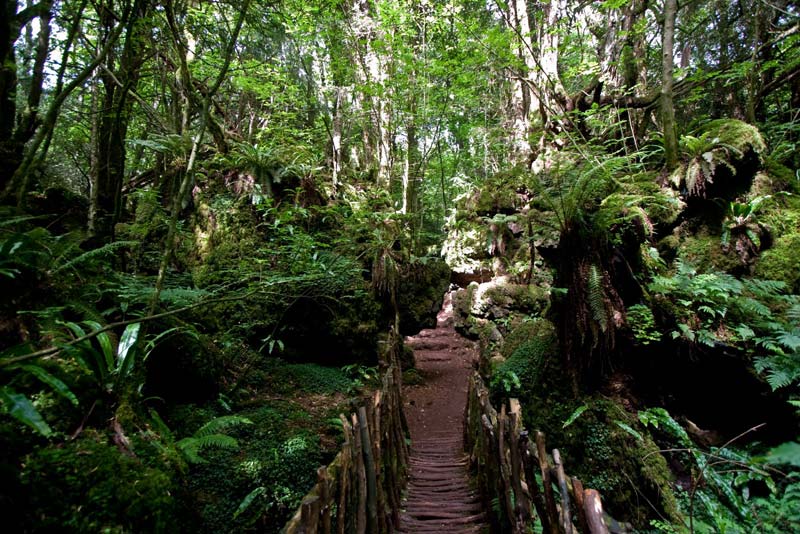
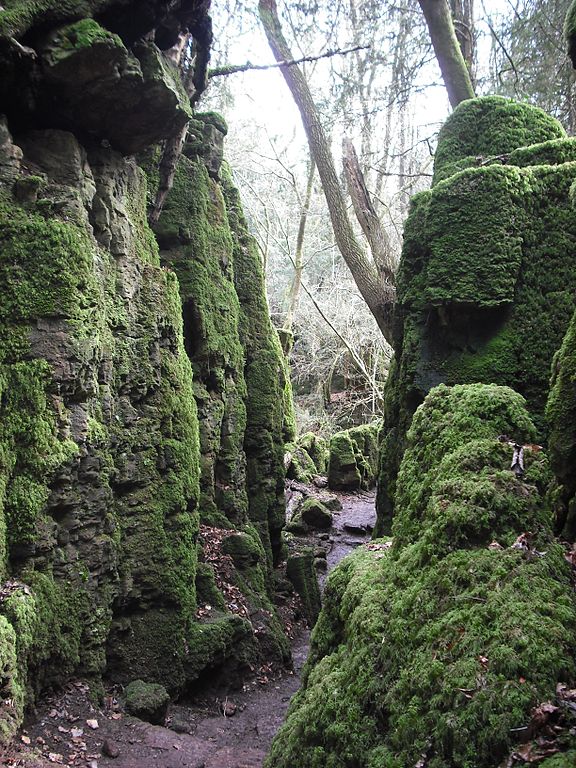
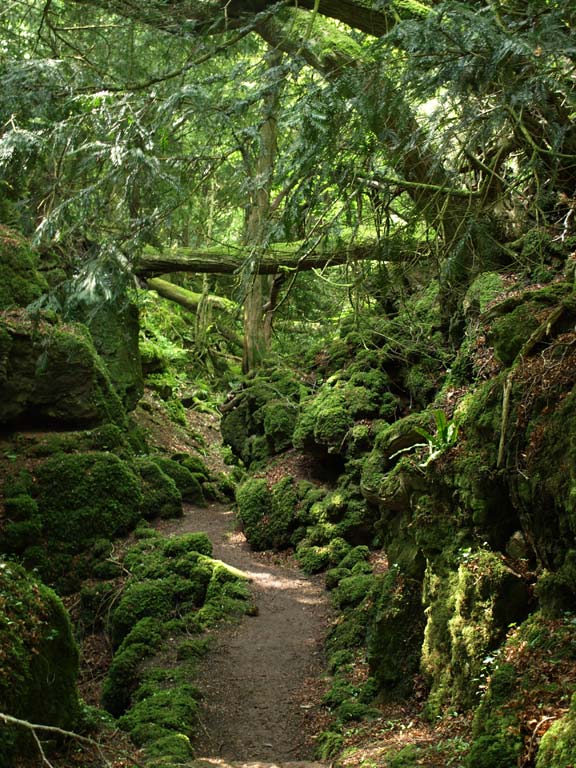
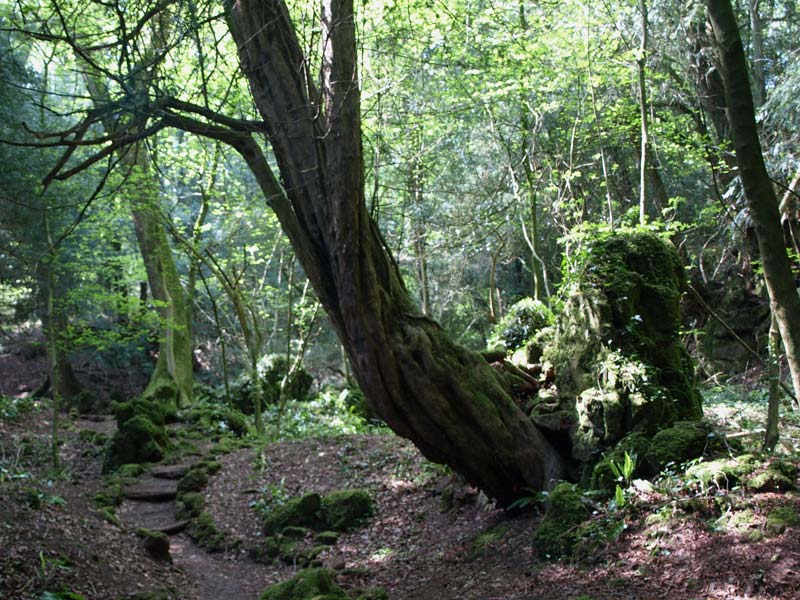
Puzzlewood is an unusual woodland in Gloucestershire, southwest England, near Coleford and the Forest of Dean. It is known for winding paths, moss-covered rocks, narrow stone gullies, old trees and wooden bridges. Its distinctive landscape creates the atmosphere of a fairytale forest and attracts nature lovers, photographers, families and fantasy fans.
The site combines natural geological formations with traces of historic mineral extraction. Visitors can see unusual limestone formations, hollows and winding passages shaped over a long period. Today, Puzzlewood is open as a visitor attraction with maintained walking paths.
Where is Puzzlewood?
Puzzlewood lies near Coleford in Gloucestershire, within the Forest of Dean region and not far from the Welsh border. It can be included in a trip around an area known for woodland walks, caves, historic castles and the Wye Valley.
Puzzlewood is privately managed, so visits follow site rules. Check the official website before travelling for opening dates, hours, ticket arrangements and possible restrictions.
What makes Puzzlewood famous?
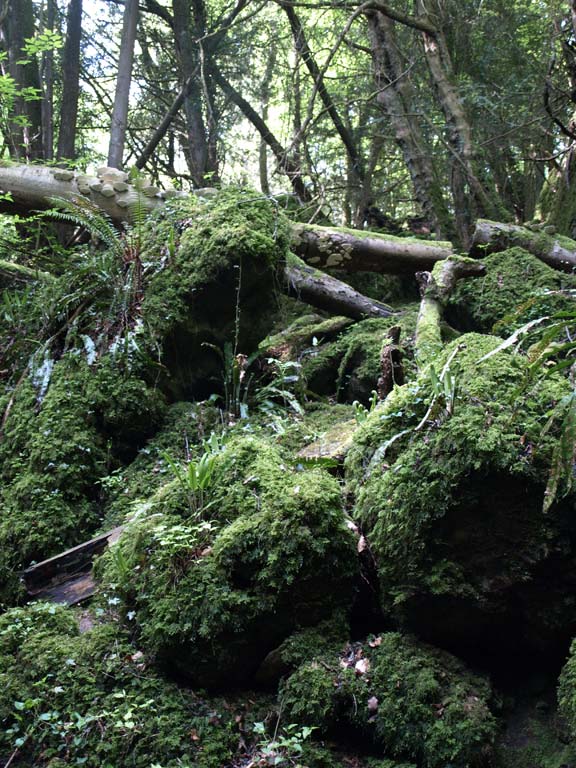
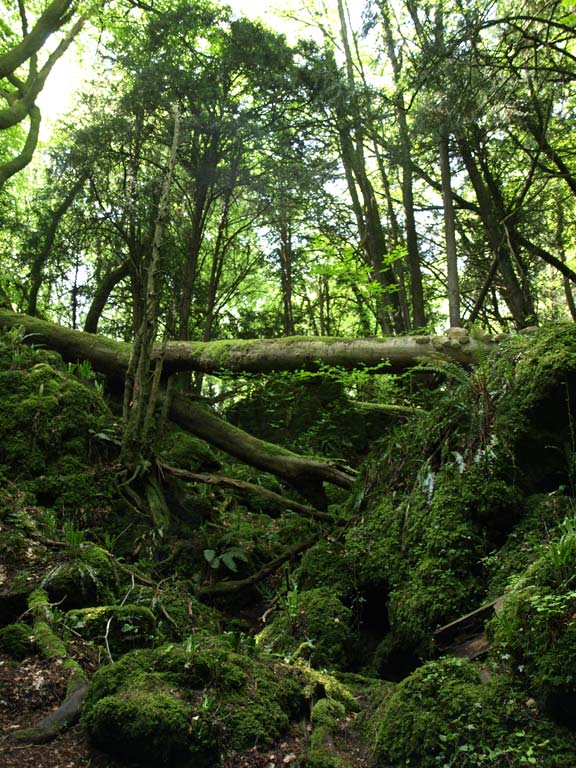
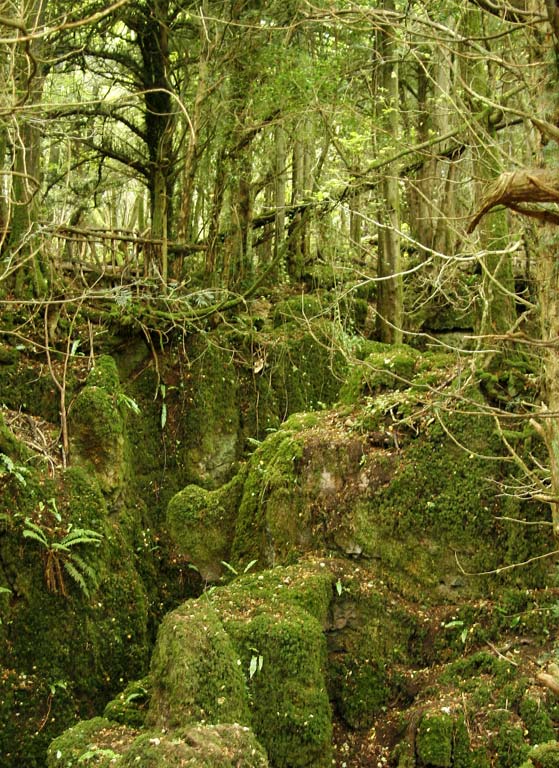
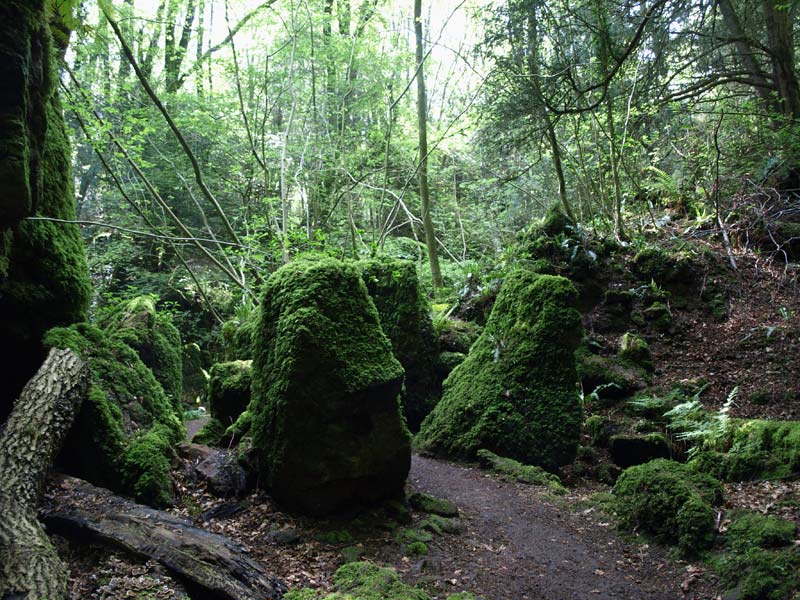
The main feature is its unusual rocky landscape, which sometimes resembles a maze. Narrow paths wind between rock outcrops, crevices and hollows. Moss covers the stones, while tree roots weave through the uneven ground.
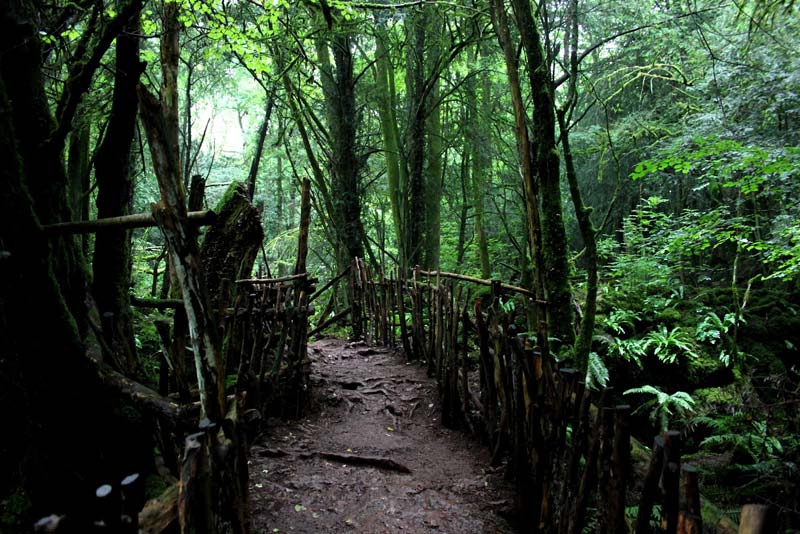
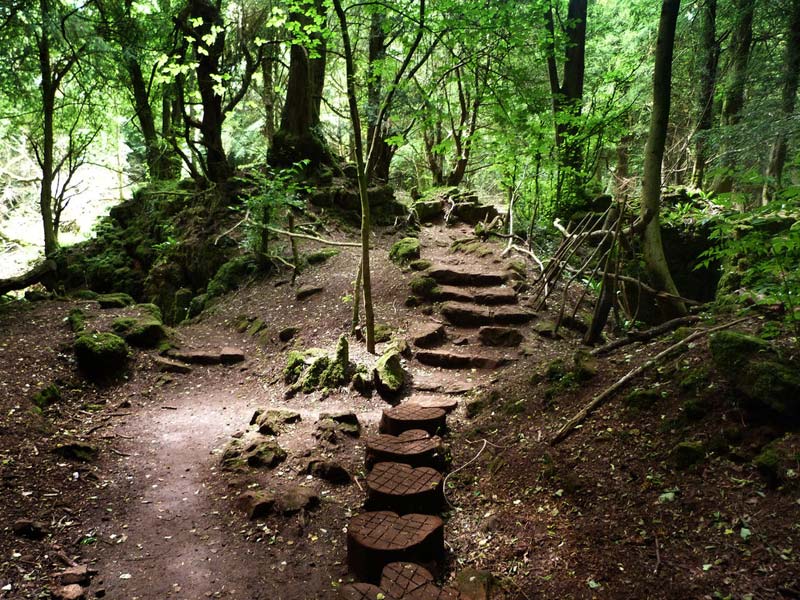
The routes pass through shaded woodland, over wooden bridges and steps, and alongside rocky walls and small gullies. Some paths are narrow and have uneven steps, so visitors should remain on marked routes and take care.
What are the scowles of Puzzlewood?
Puzzlewood's characteristic rocky formations are known as scowles. They are associated with local geology and the weathering of limestone. Over a long period, water erosion affected the carbonate rock, creating cavities, hollows and irregular surfaces.
The formations are also connected with the area's history. People once extracted iron ore here, and old workings became part of the landscape. Over time, moss, trees and ferns grew across the rocks and slopes, giving the former workings a woodland appearance.
The history of Puzzlewood and iron mining
The Forest of Dean has long been known for its iron ore deposits. Mining took place in the Iron Age and continued during the Roman period. Traces of old workings remain visible in Puzzlewood's unusual terrain, where natural hollows sit alongside areas modified by people.
According to Puzzlewood's own history, a hoard of more than 3,000 Roman coins was discovered in the scowles area. In the early nineteenth century, a local landowner laid winding paths through the trees and rocky passages for the enjoyment of family and friends. Puzzlewood opened to a wider public in the early twentieth century.
Puzzlewood as a filming location
Puzzlewood's unusual atmosphere has attracted film and television crews. Its rocky passages, moss-covered stones and dense vegetation provide a natural setting for scenes in fantasy forests. Productions associated with Puzzlewood include Star Wars: The Force Awakens, Doctor Who, Merlin, The Huntsman and Jack the Giant Slayer.
Even without its film connections, the woodland is worth visiting for its natural scenery. Old trees, damp stones and narrow passages create distinctive photographic compositions without artificial sets.
What to see on a walk through Puzzlewood
The walking route passes through rocky corridors, beside moss-covered boulders and stone walls, beneath tree canopies and over wooden bridges. Small viewpoints and places to examine the limestone formations can be found along the way.
Puzzlewood looks especially atmospheric in soft natural light. After rain, the moss and ferns appear vivid, but steps and roots can become slippery. Walk carefully, watch the ground and stay on the designated paths.
Plants and wildlife
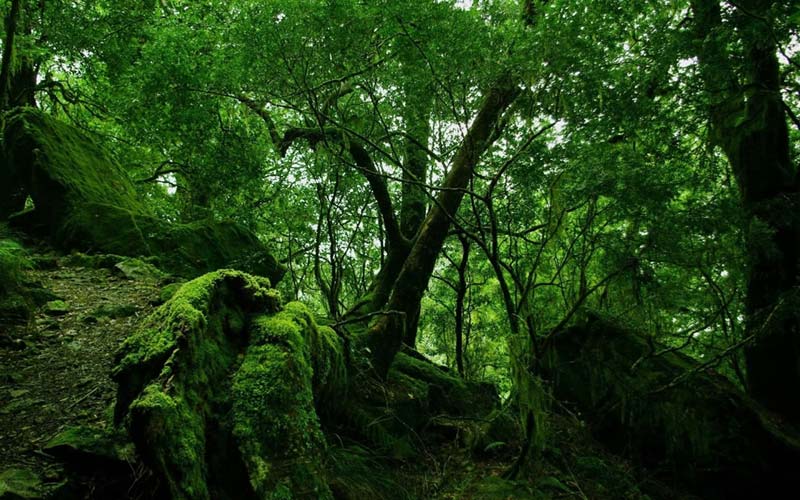
Mosses, ferns and trees give Puzzlewood its characteristic green appearance. In shaded, damp areas, moss covers rocks and trunks, while tree roots wind between limestone outcrops. Visitors can notice seasonal changes in vegetation and the distinctive local terrain.
To protect this environment, do not pick plants, damage moss or leave litter.
How long does a visit take?
Allow approximately one to one and a half hours to explore the woodland, although the time depends on walking pace and photo stops. The site has more than 200 uneven steps, some of which can be slippery, so sturdy footwear with good grip is essential.
Puzzlewood is not suitable for pushchairs and does not provide full access for wheelchairs or some mobility aids.
When is the best time to visit Puzzlewood?
Spring brings fresh greenery, summer provides shade beneath the canopy, and autumn changes the colours of the leaves. After prolonged rain, paths may be slippery. The site can close temporarily in severe weather or strong winds. Check the official website for current opening arrangements before travelling.
How to get to Puzzlewood
Puzzlewood is on Perrygrove Road near Coleford in Gloucestershire. Coleford is a useful reference point for driving. Public transport may also be possible, but check local bus services and the distance from the stop to the entrance in advance.
Practical visitor tips
Check the official Puzzlewood website for opening hours, seasonal dates and visitor rules. Wear closed shoes with non-slip soles and dress for the weather. Stay on the paths, do not climb on rock formations and keep away from dangerous edges. Pets are not permitted on the site.
Puzzlewood is a distinctive English attraction where geology, the history of iron mining and woodland nature combine. It is ideal for a short walk, nature photography and discovering one of Gloucestershire's most unusual woodland landscapes.
Gallery