Krumlov Castle
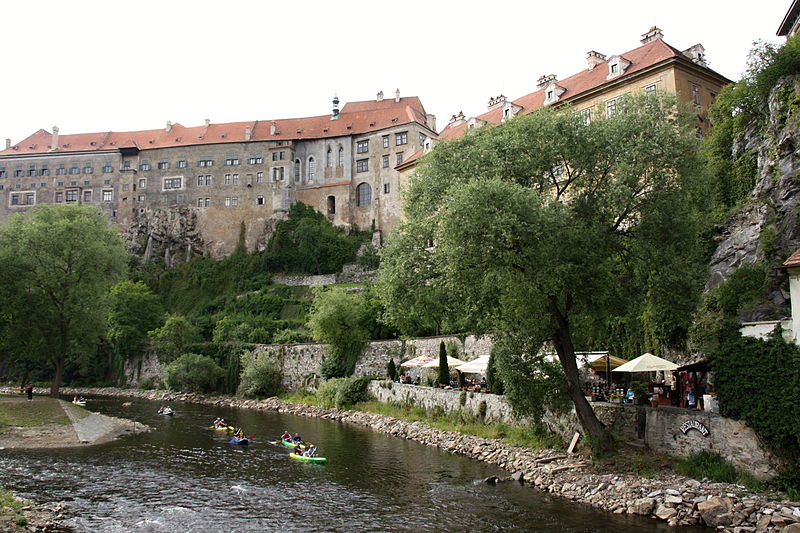
Krumlov Castle is one of the largest castles in the Czech Republic, located in the town of Cesky Krumlov. Since 1992, the castle has been included in the UNESCO World Heritage List.
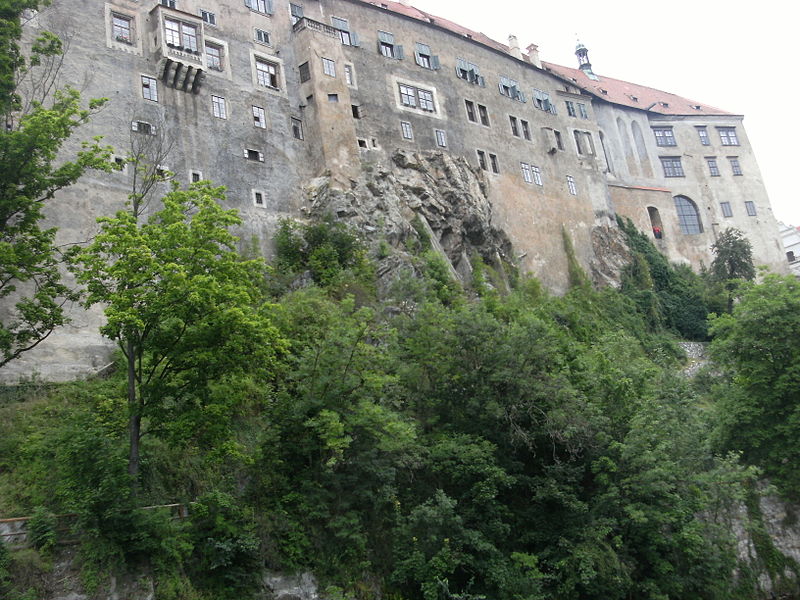
The castle was first mentioned in the chronicles in 1240, and it was apparently built by the feudal lord Vitek II the Elder. In 1253, it was rebuilt, and already in 1274, the settlements near the castle were united into the town of Cesky Krumlov. In 1302, the castle was inherited by the Vitkovich family from Rozhmberk. Since that time, the castle began to expand significantly. But due to the unsuccessful political intrigues of the heads of the family, they went bankrupt, and they had to sell the castle to King Rudolf II for debts. In 1622, the Holy Roman Emperor Ferdinand II gave the castle to Hans Ulrich von Eggenberg, at the same time bestowing the title of Duke of Krumlovsky. Later, a deep reconstruction followed, during which the castle acquired the image of Baroque architecture. A wooden theater was also built nearby. In the 1950s, Krumlov Castle became the property of Czechoslovakia.
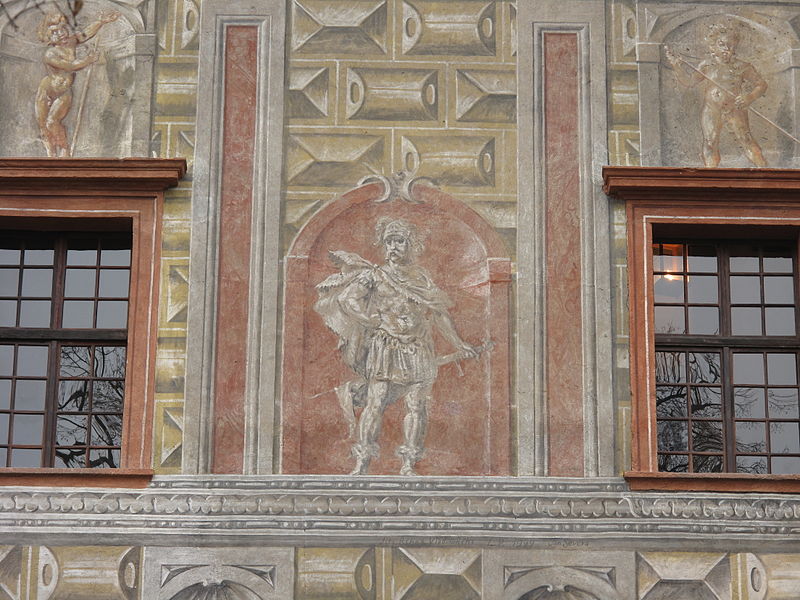
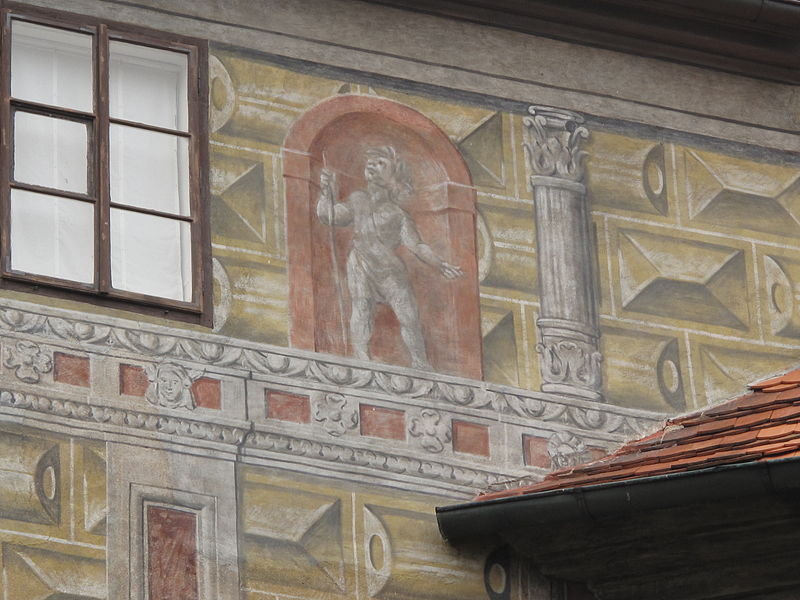
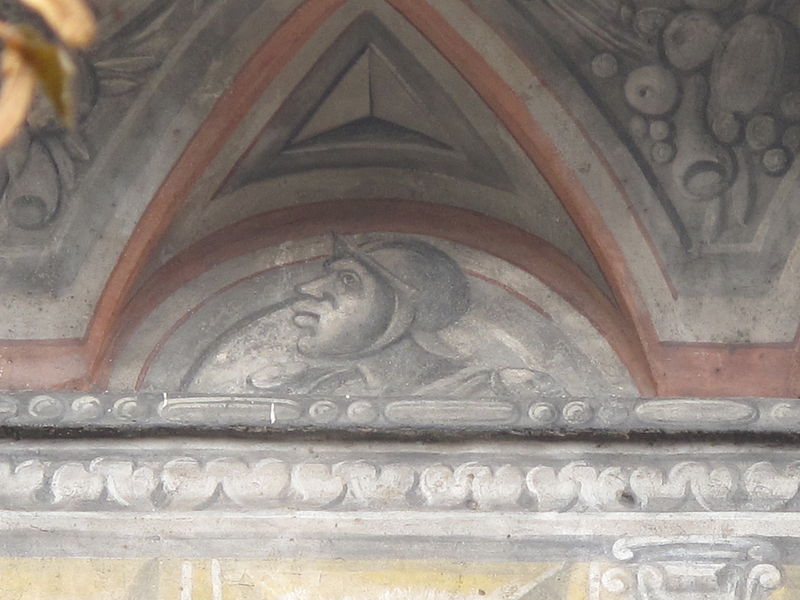
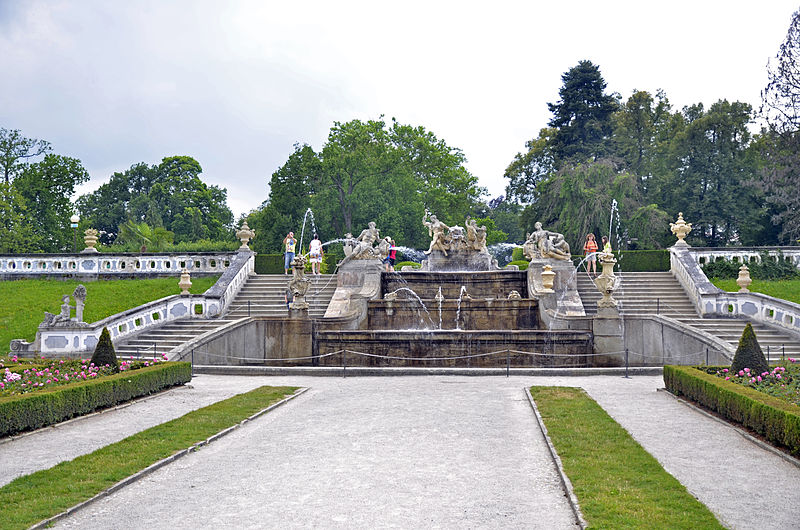
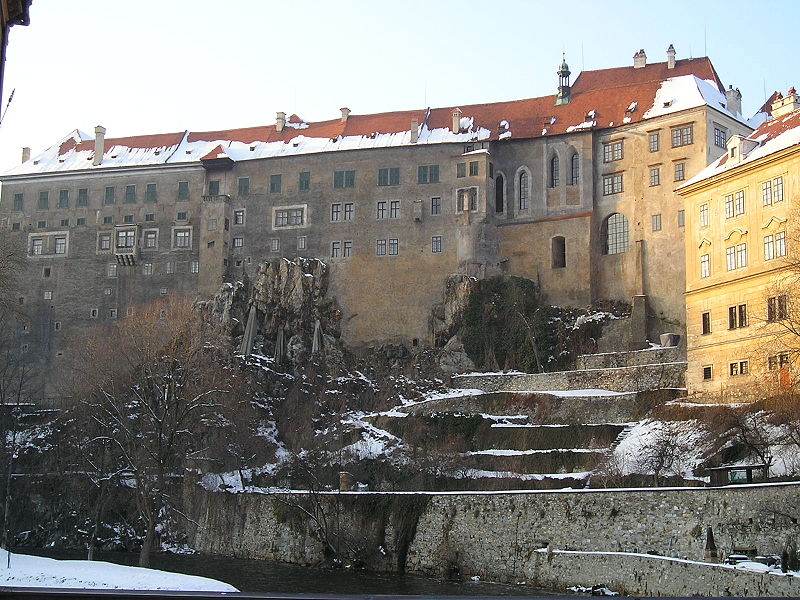
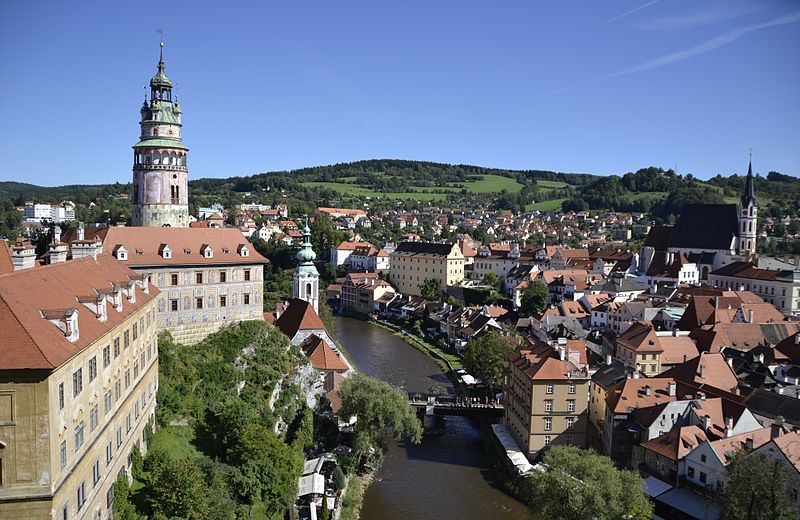
Krumlov Castle is located on a promontory, which is washed by the Vltava River. It is possible to get into it only by crossing the bridge. There are stables, a fountain, and a salt warehouse in the southern part of the castle. After crossing the bridge over the Bear Pits, you can reach the Lower Castle, and nearby you can see a palace with a tower from the 13th century. The tower offers a magnificent view of the entire area. The facade of the lower castle is decorated with frescoes and wall paintings made of plaster (sgraffito). Another bridge leads to the Upper Castle. In this part there is the chapel of St. Jiri, a palace with ancient tapestries and paintings.
From the Upper Castle, a unique five-tiered Cape Bridge leads to the castle theater. The two upper tiers are the corridors of the theater, and the parapets are decorated with replicas of the statues of the castle museum. The Castle Theatre is considered an important landmark of the castle and is notable for being one of the first Baroque palace theatres in Europe. Its stage has been preserved in its original form, and in the dressing rooms and backstage there are costumes and decorations in which castle actors performed in the 17th century.