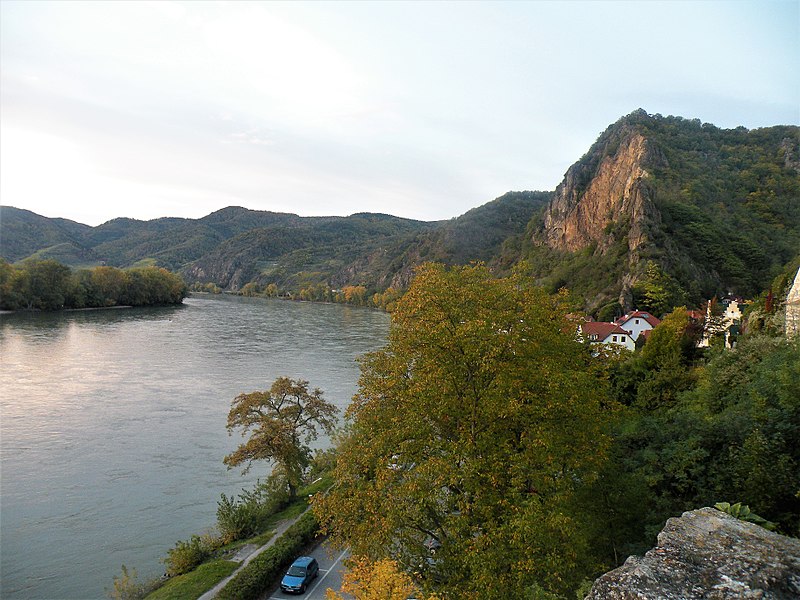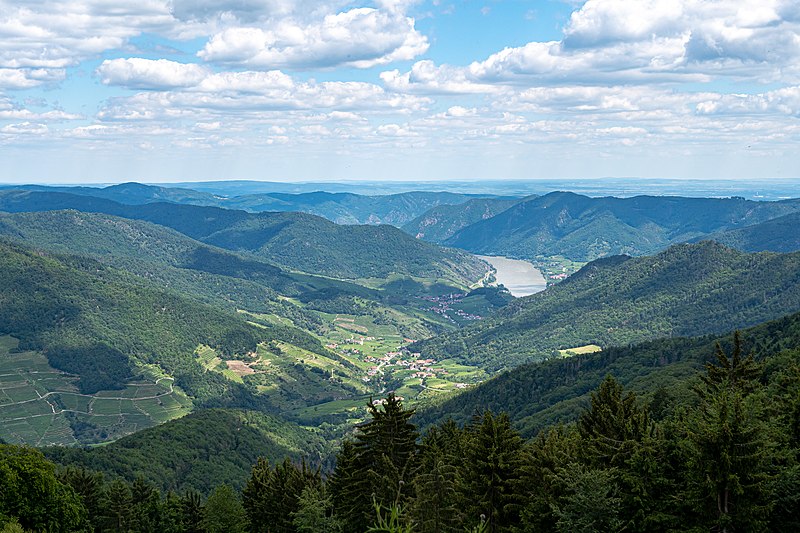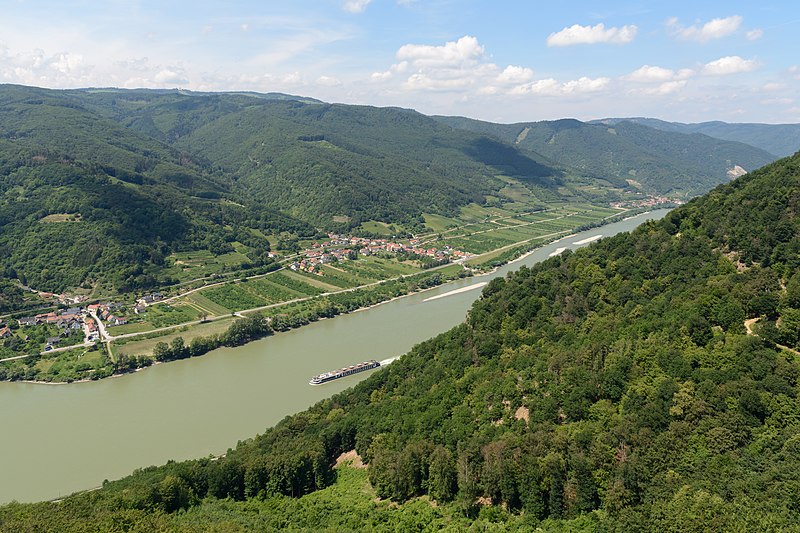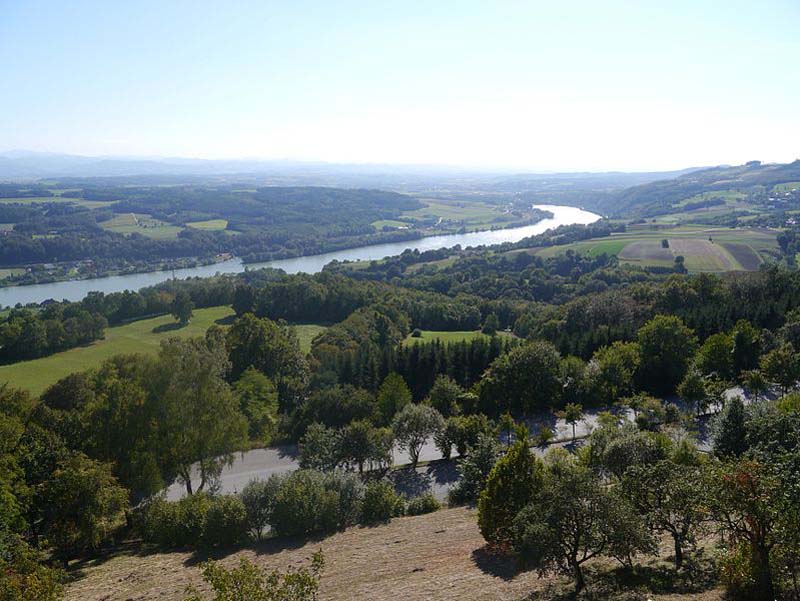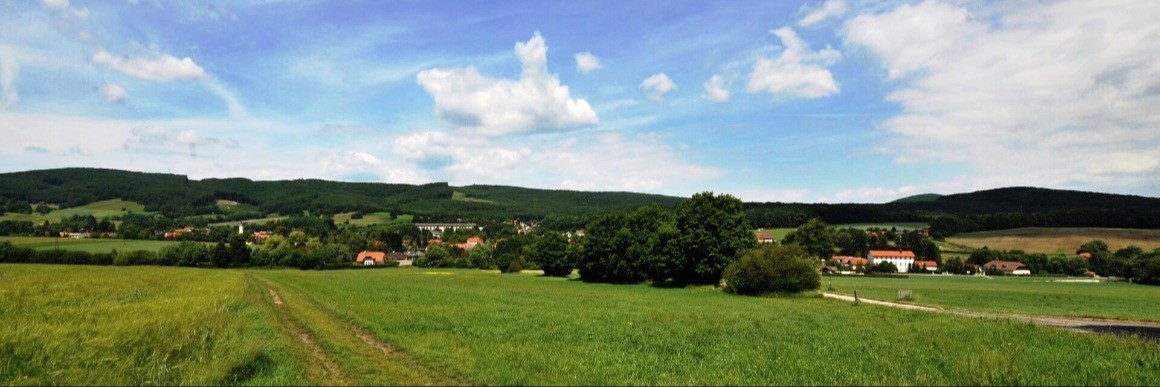

In the north of Austria, the picturesque Wachau Valley is just an hour's drive from Vienna. It stretches for 30 kilometers between the towns of Melk and Krems on the Danube along the Danube River. Its width is bounded on one side by the river, on the other by the hills of the Dunkelstein Forest, densely overgrown with picturesque vegetation. Yarling Mountain, the highest point of the valley, has a height of 960m.
The Wachau Valley is one of the most popular tourist routes in Austria. The presence of a huge number of historical and cultural attractions on its territory became the reason for its inclusion in the UNESCO World Heritage List. The well-developed winemaking industry also attracts tourists here.
Historical and architectural monuments
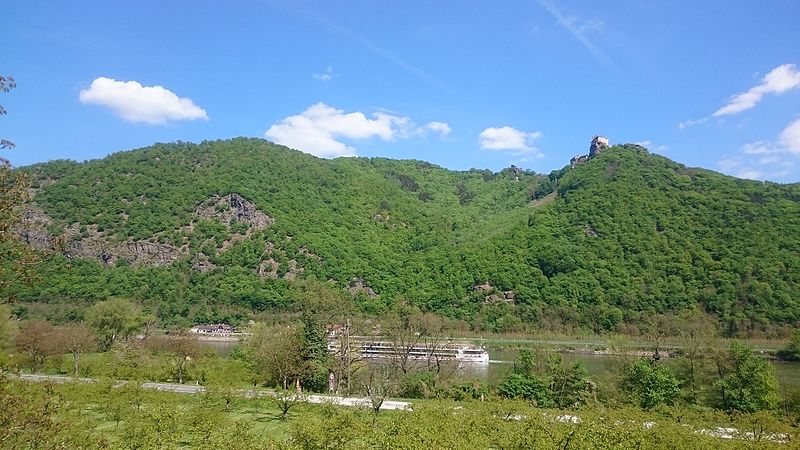
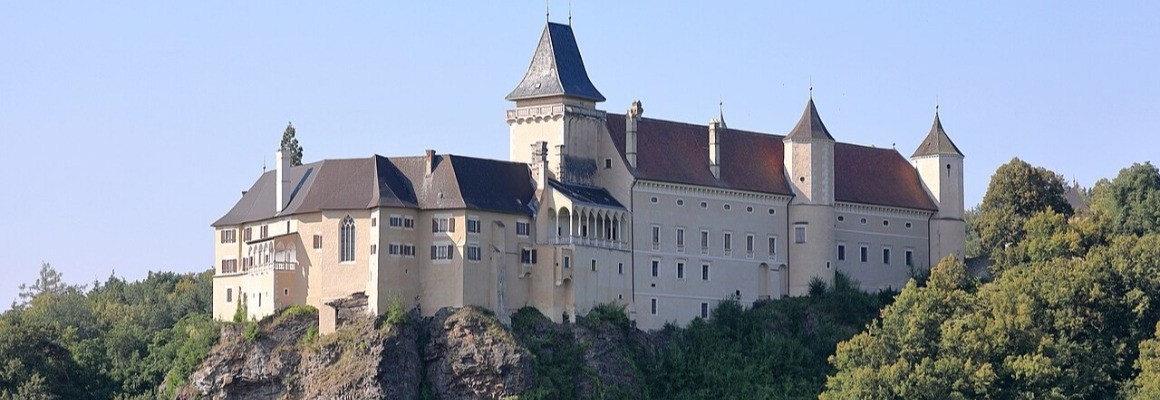
You won't be bored here. The relatively small territory of the Wachau Valley is richly strewn with historical architectural monuments, each of which has an entertaining story associated with it. For example, the castles of Aggstein and Durnstein, of which only picturesque ruins remain, belonged to the noble family of Kunring in the Middle Ages. Historians claim that representatives of the noble class easily robbed merchant ships sailing along the Danube, and at the same time the peasants living nearby. Durstein fortress is also known for the fact that at the end of the XII century, on the orders of Duke Leopold, the famous English King Richard the Lionheart, who was returning from the crusade to Jerusalem, was held here for some time. The king was soon released, and Leopold was excommunicated.
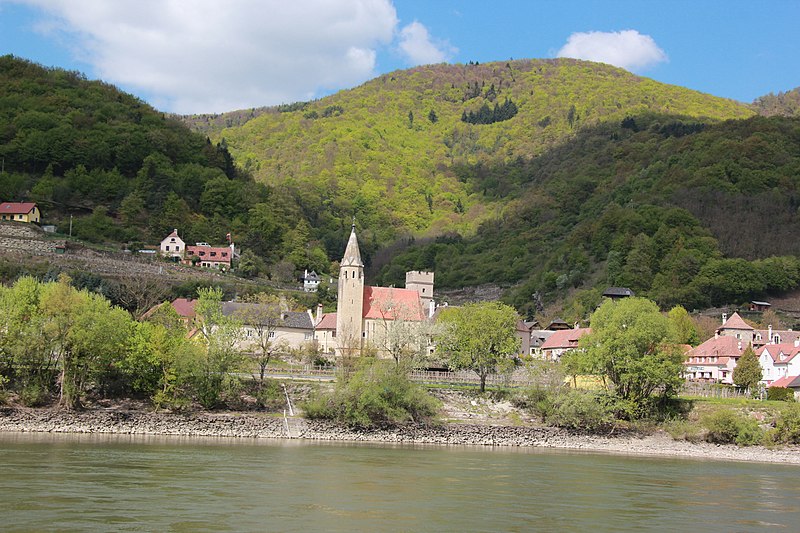
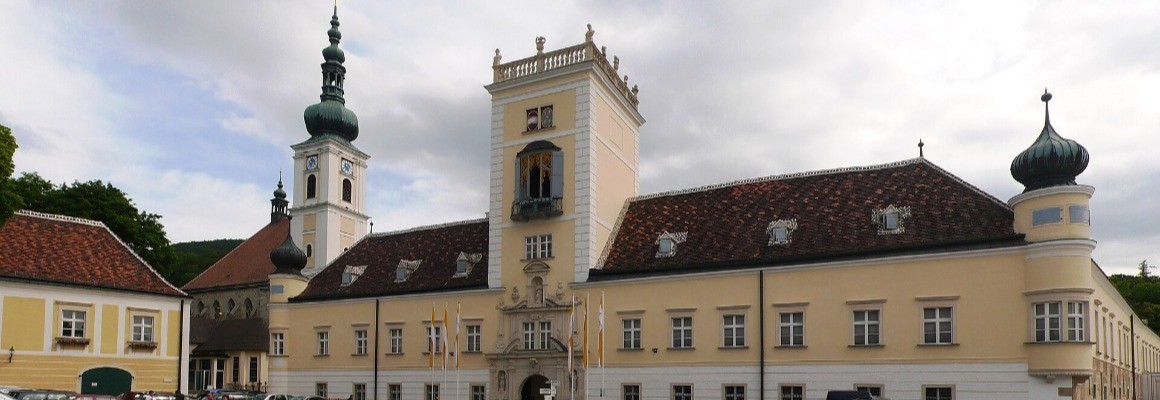
However, most of the rulers of Austria were famous for their piety, along the banks of the Danube there are many churches and monasteries, many of which are still active. The parish church of Marie Himmelfart is built in the Baroque style, with an abundance of architectural decorations, stucco decorations, and unusual color schemes. The blue and white clock tower is visible from afar, it has become a symbol of the city of Durnstein. The interior of the temple is also interesting and rich in unique church utensils made in the distant past. The church is still active, attracting a large number of parishioners.
Fruit growing, viticulture and winemaking
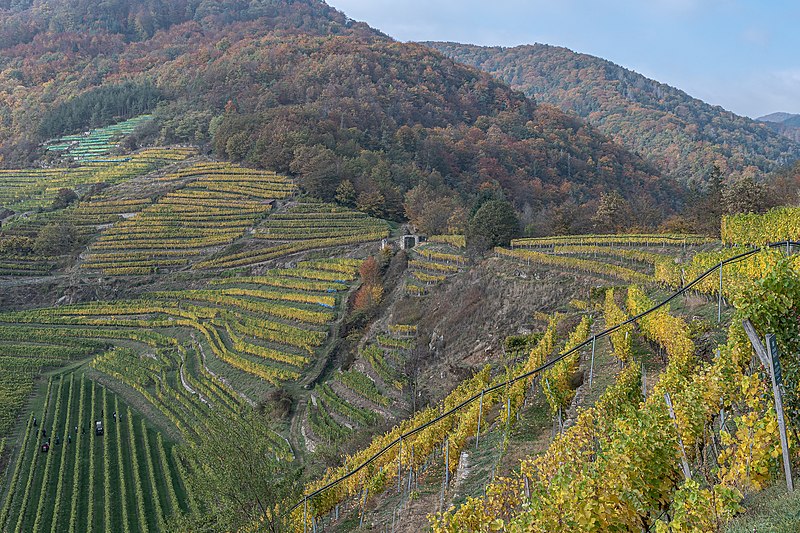
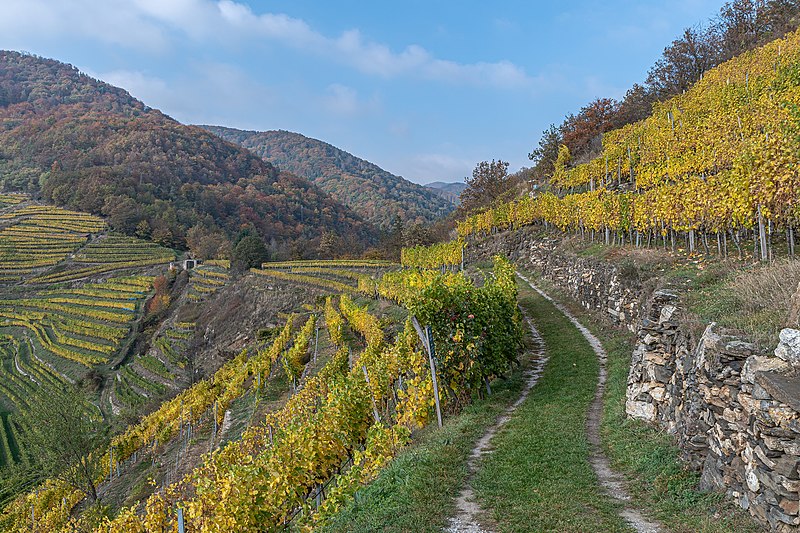
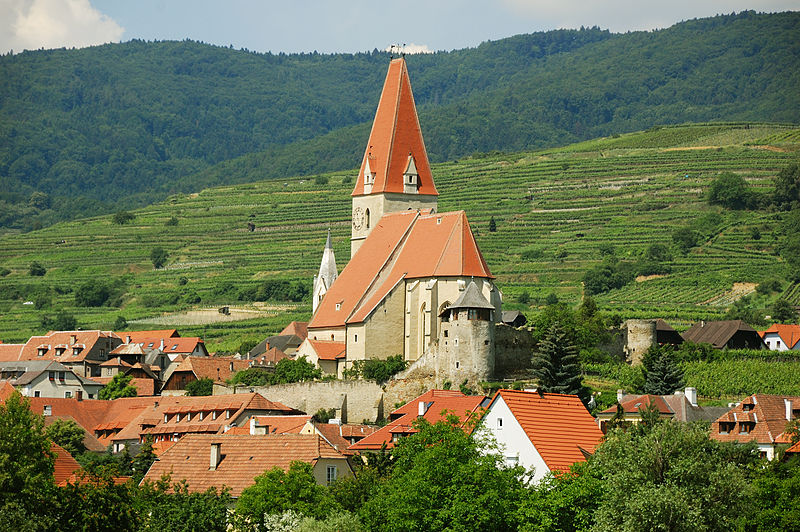
The warm climate and abundance of sun in the Wachau Valley favor fruit cultivation and viticulture. Wachau is famous for its winemaking: many varieties of wines are produced here – from light fruit to noble aged. The wine-growing village of Weissenkirchen in der Wachau, home to about 1,500 residents, is famous for its exquisite white wine, which matures in local wineries. In addition to winemaking, the villagers are fond of painting, as well as making festive and casual clothes in the folk style. All this can be seen in the Wachau Museum, which operates in Weissenkirchen. Active recreation enthusiasts can go hiking and cycling, play tennis and golf, go water rowing and just sunbathe here on the banks of the Danube.
Gallery