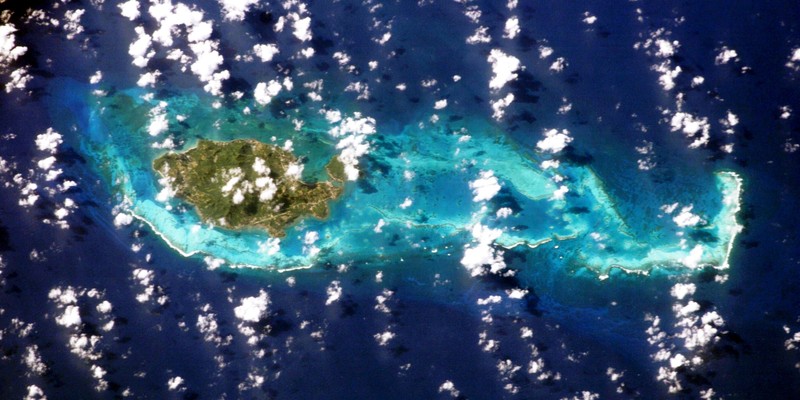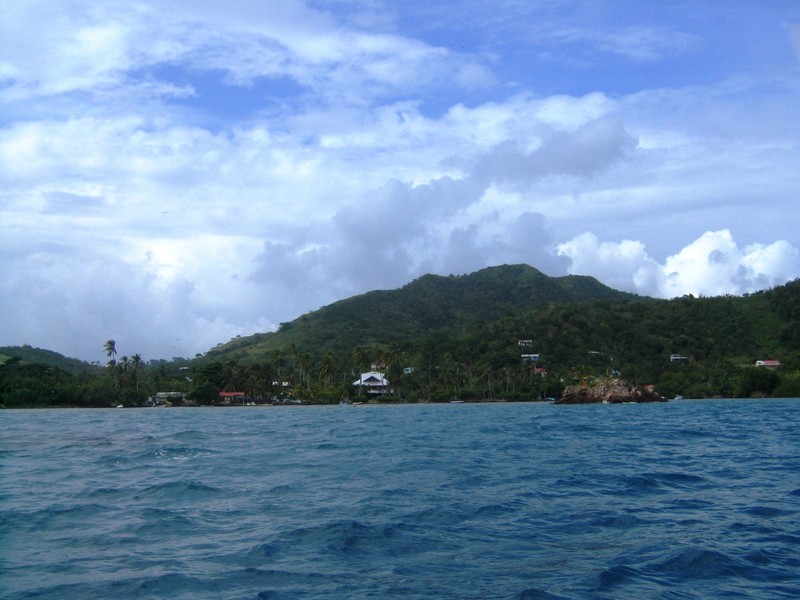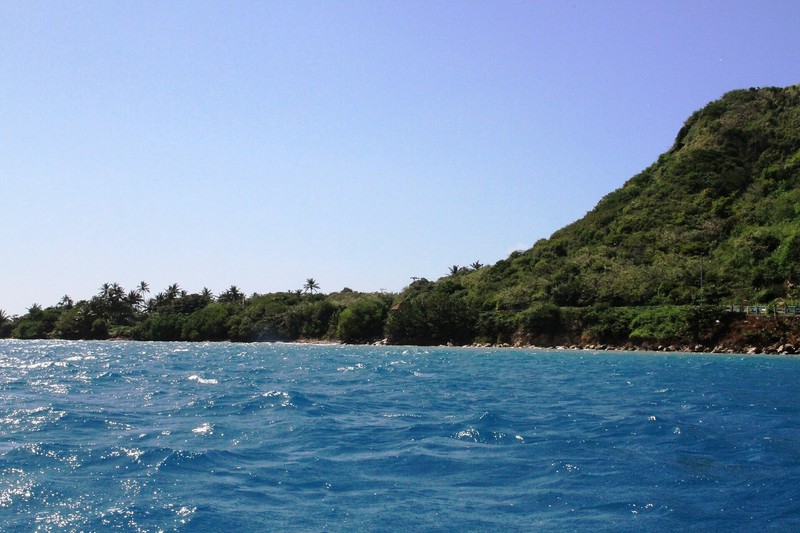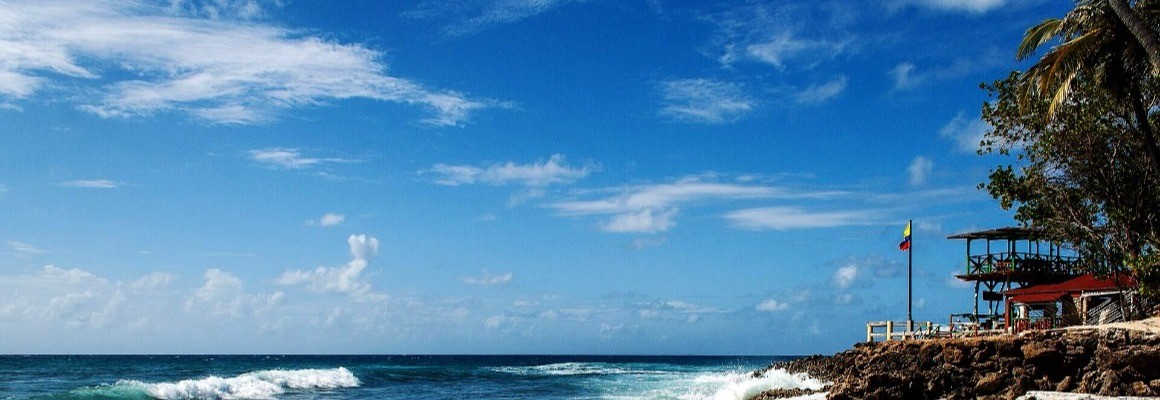

Providencia Island lies in the Caribbean Sea and belongs to Colombia. It is part of the San Andrés, Providencia and Santa Catalina archipelago. The island covers approximately 17 km², and its highest point, El Pico, rises to about 360 metres above sea level.
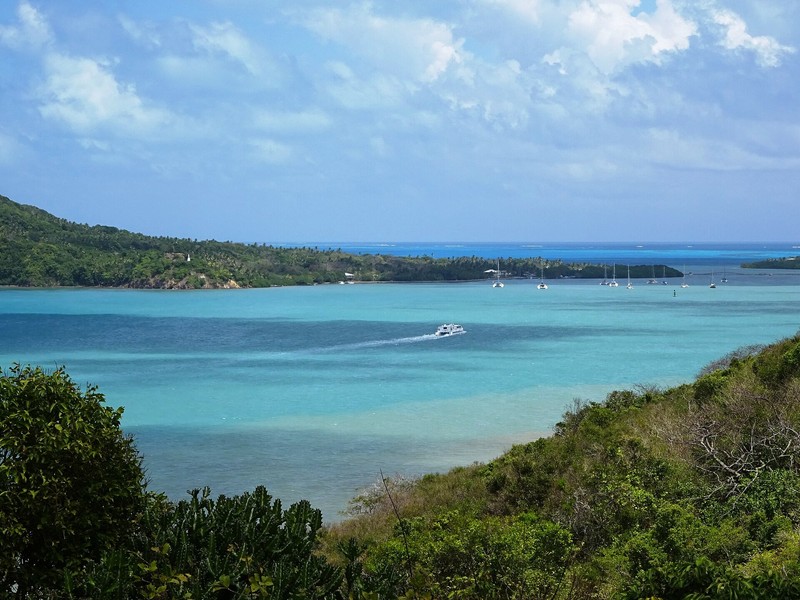
Providencia is known for turquoise waters, sandy beaches, tropical vegetation and coral reefs. Unlike larger resort destinations, it has retained a relaxed atmosphere, small settlements and traditional architecture. Visitors come for beach holidays, snorkelling, scuba diving, hiking and the distinctive culture of the Caribbean island community.
Nature and coral reefs
One of Providencia's greatest natural assets is the coral ecosystem surrounding the island. Coral formations, seagrass beds, mangroves and many tropical fish species can be found here. The underwater scenery attracts divers and snorkellers, while the clear water makes it possible to observe marine life at relatively shallow depths.
The archipelago's barrier reef is among the most significant in the Caribbean. In 2000, the islands and surrounding marine territory became part of the UNESCO-recognised Seaflower Biosphere Reserve. Visitors should avoid touching corals, feeding fish or leaving rubbish on beaches.
Old Providence McBean Lagoon National Natural Park
Old Providence McBean Lagoon National Natural Park lies on the northeastern side of the island. It protects mangrove forests, coastal wetlands, the small Iron Wood Hill and part of the coral reef. Established in 1995, the park is important for conserving marine and coastal ecosystems.
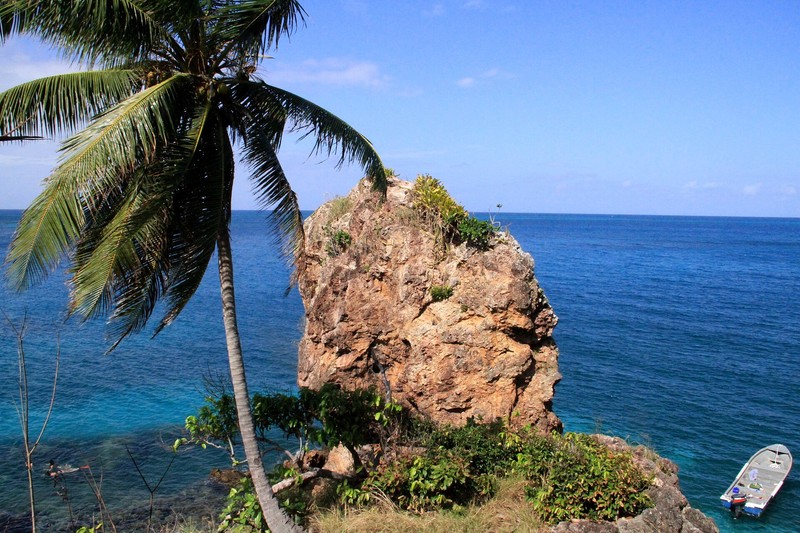
One of the best-known attractions in this area is Cayo Cangrejo, also called Crab Cay. This small rocky islet is surrounded by clear water and is popular for snorkelling and observing tropical fish. From its elevated ground, visitors can enjoy views of the sea, coral reefs and Providencia's coastline. Access is generally by boat, and visitors should check current rules before travelling.
Beaches of Providencia
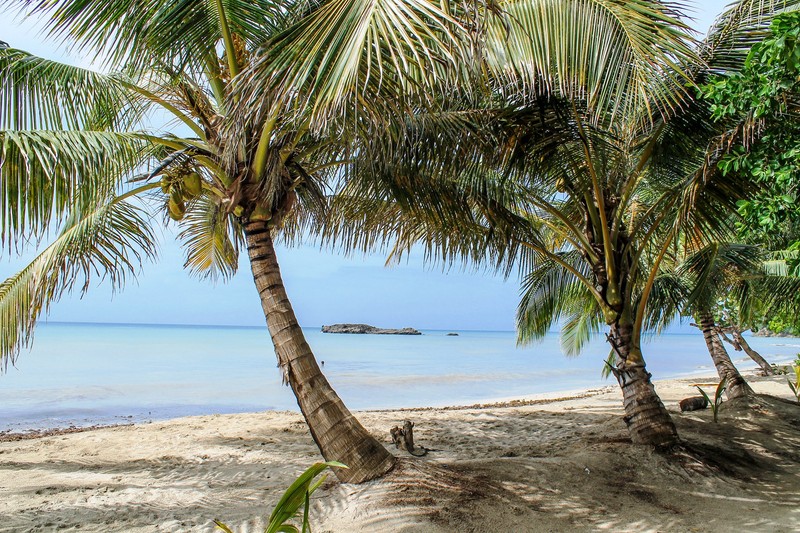
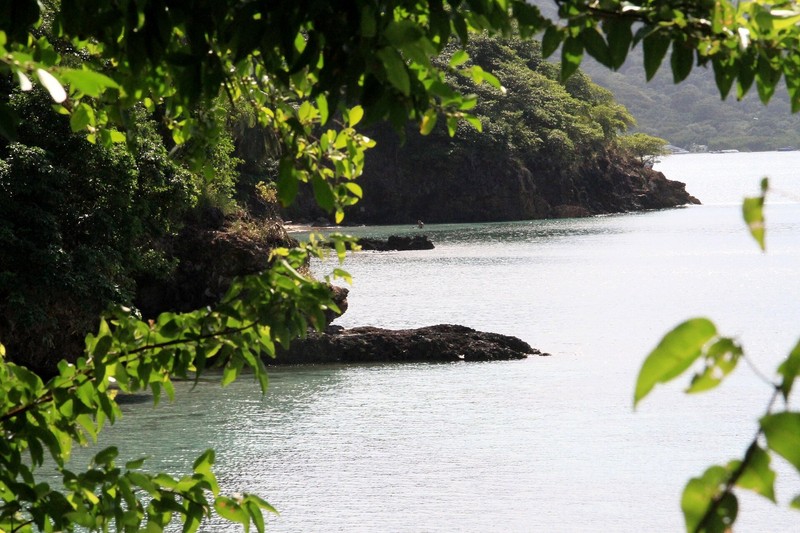
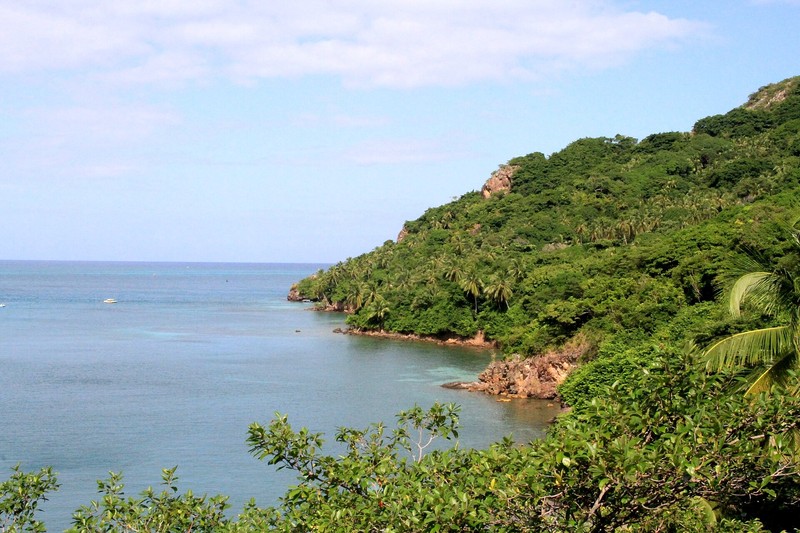
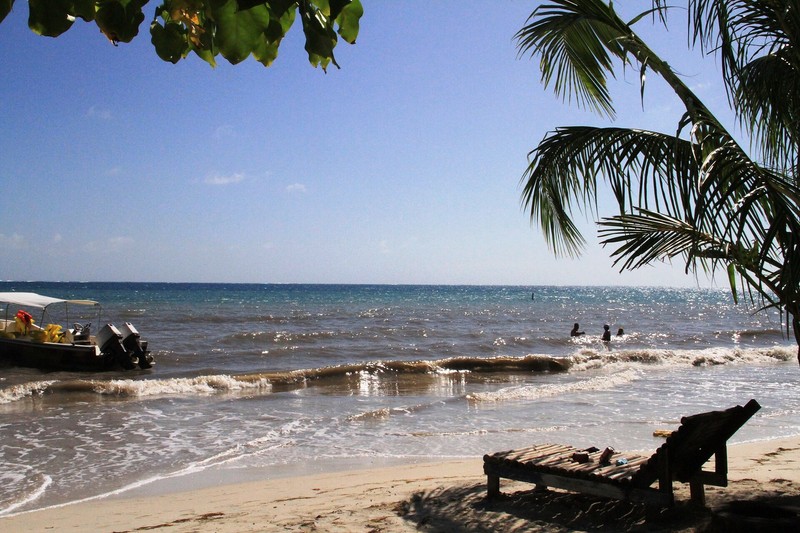
The coastline features sandy beaches, rocky stretches and small bays. Manzanillo Bay is known for its relaxed atmosphere, light-coloured sand and local establishments serving Caribbean food. Freshwater Bay, also called Aguadulce, offers swimming areas, small hotels and restaurants.
The beaches are suitable for relaxing, swimming and watching sunsets. Swimming conditions depend on waves, wind and currents, so follow local advice. Water shoes are useful around rocks and coral.
El Pico Mountain
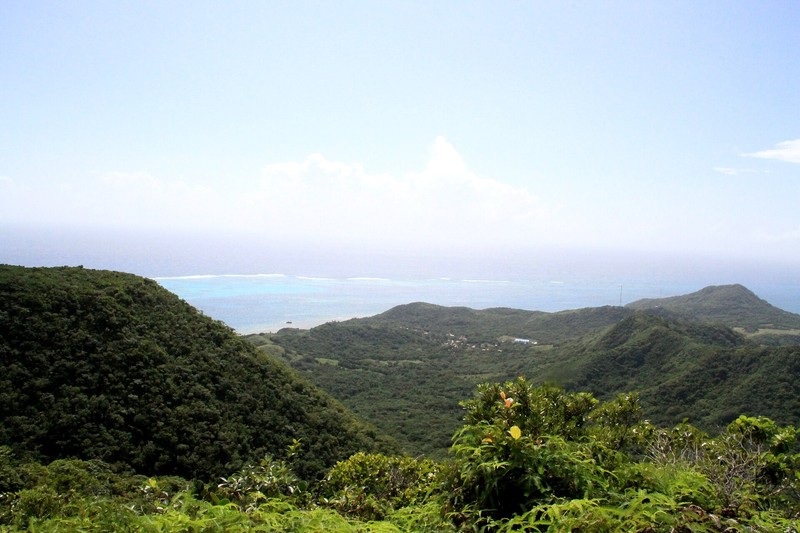
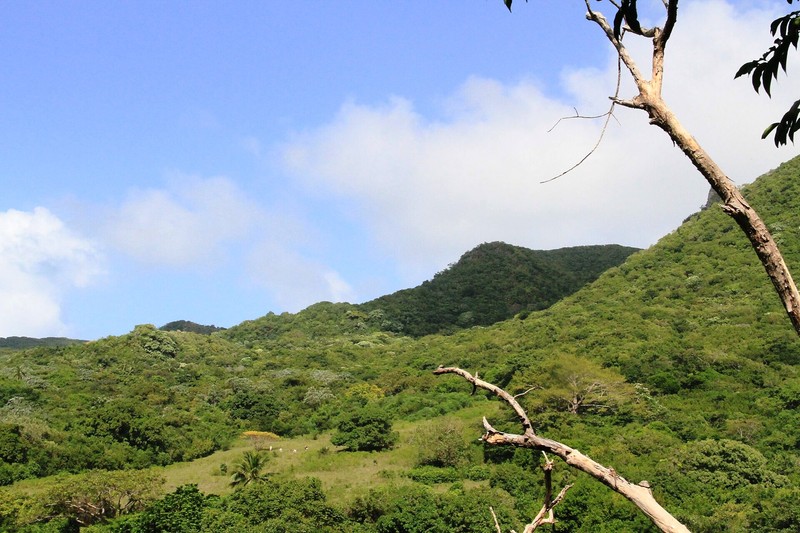
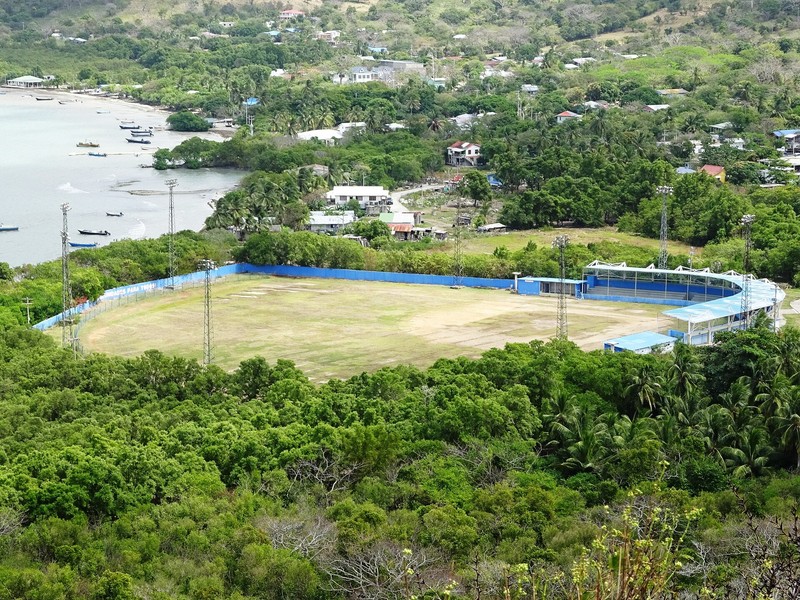
El Pico is Providencia's highest peak, rising to about 360 metres. The hiking trail passes through tropical vegetation and leads to viewpoints overlooking the Caribbean Sea, rolling hills, coastal settlements and surrounding reefs.
Bring suitable footwear and enough water, and be prepared for hot, humid weather. The trail may become slippery after rain. Check trail conditions and follow local safety recommendations before setting out.
Santa Catalina and Lovers' Bridge
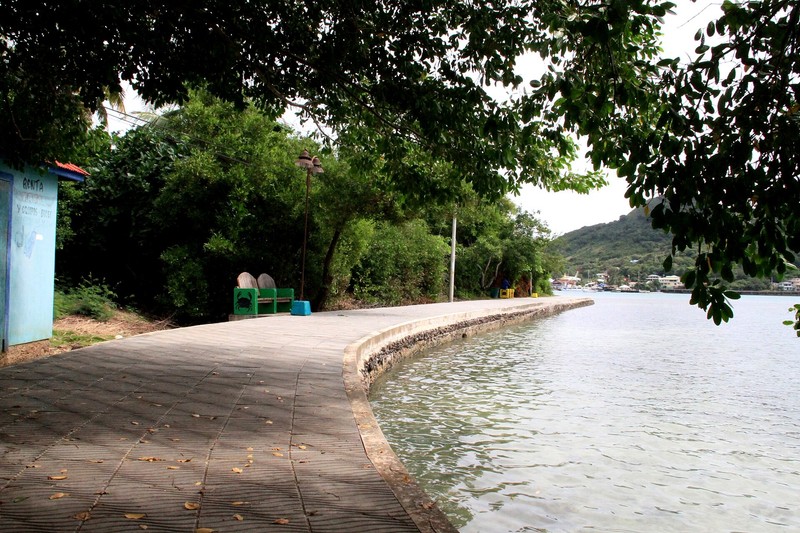
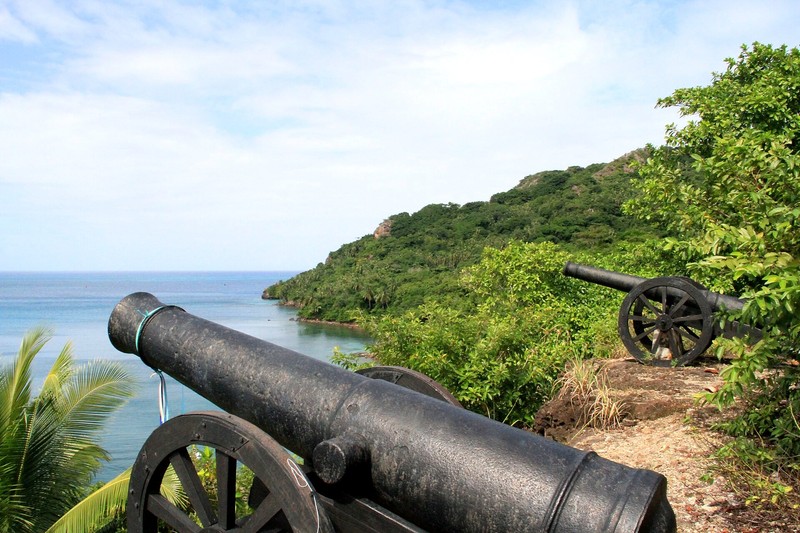
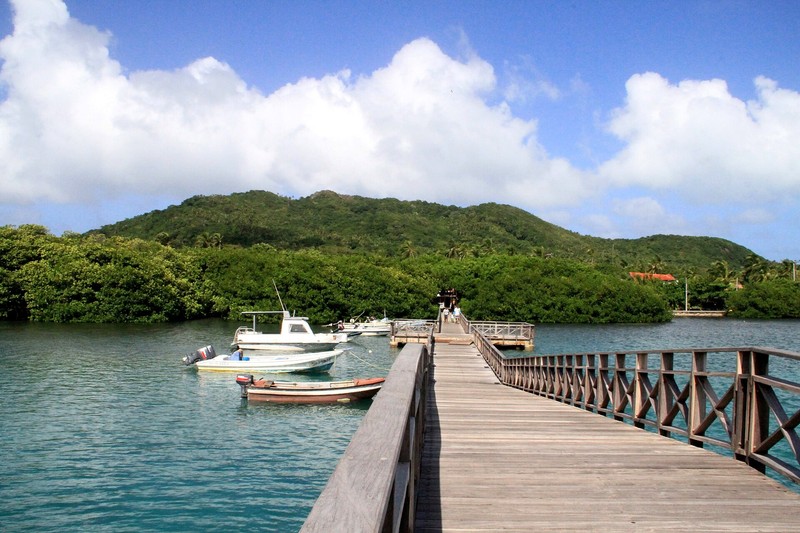
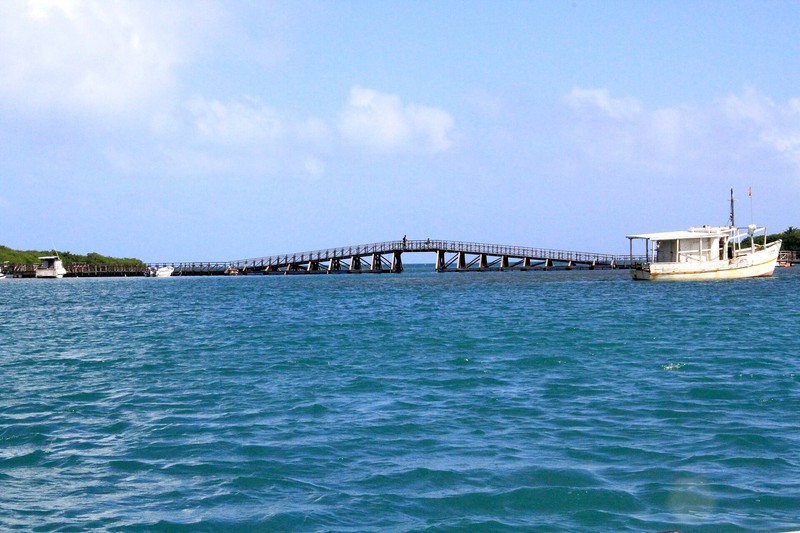
The small island of Santa Catalina lies just north of Providencia. A pedestrian bridge known as Lovers' Bridge connects the two islands. Walking across it offers views of the water between the islands and the surrounding coastline. Santa Catalina is also associated with historical stories about pirates and the colonial history of the Caribbean.
Culture and local cuisine
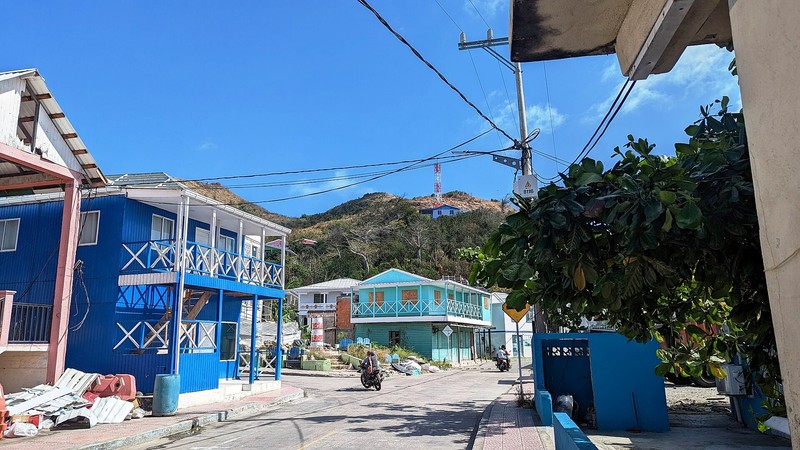
Providencia's cultural identity is closely linked to the Raizal people, whose traditions reflect African, British and Caribbean influences. Creole, Spanish and English are spoken on the island. Music, dance, colourful wooden houses and traditional dishes reflect the layered history of the local community.
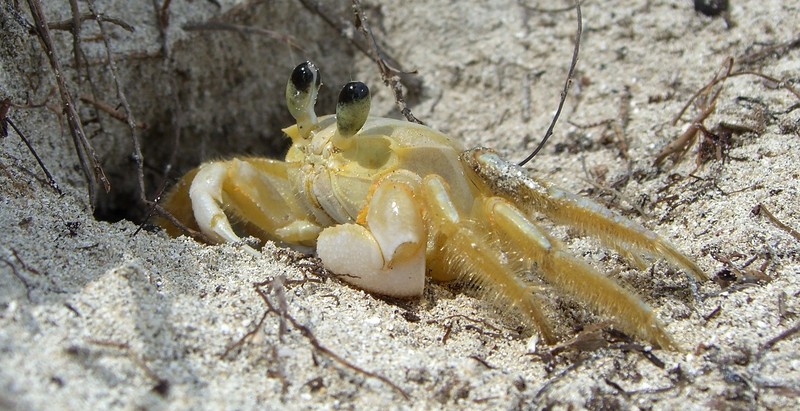
Local restaurants serve fish and seafood, coconut rice, plantain dishes and Providencia black crab. The black crab is particularly well known and has a protected designation of origin. Choose establishments that follow local conservation rules and seasonal fishing restrictions.
How to get to Providencia Island
Most journeys begin on San Andrés Island, which has air connections with other Colombian cities. From there, travellers can reach Providencia by small aircraft or high-speed catamaran. The flight takes around 15 minutes, while the sea journey takes approximately three hours, depending on the schedule and sea conditions.
Providencia has a small airport, El Embrujo. Around the island, visitors use local transport, taxis, rented scooters and other available options. The main ring road connects the settlements, beaches and tourist areas. Accommodation and transport are best booked in advance, especially during busy periods.
Best time to visit
Providencia has a warm tropical climate throughout the year. The relatively drier period, often from late December to April, is suitable for beach holidays and boat excursions. Rain can be more frequent in other months, and forecasts should be monitored during the tropical storm season.
Visitor tips
Pack lightweight clothing, a hat, sunscreen, insect repellent and footwear suitable for rocks and hot sand. Use appropriate equipment for snorkelling and follow safety guidance. Do not stand on corals, collect marine animals or leave waste behind.
Providencia is an excellent destination for peaceful island holidays, exploring underwater life and experiencing a distinctive Caribbean culture. Its coral reefs, sheltered bays, green hills and neighbouring Santa Catalina make it one of Colombia's most appealing natural destinations.
Gallery