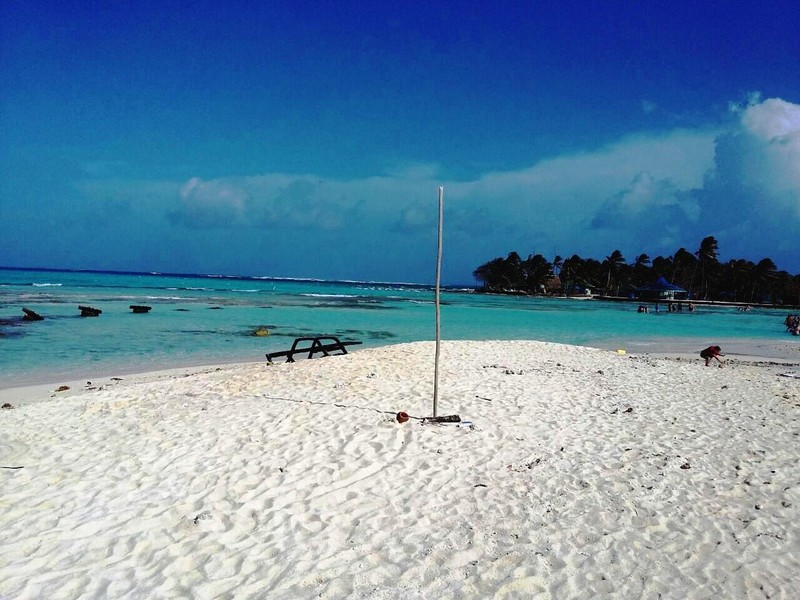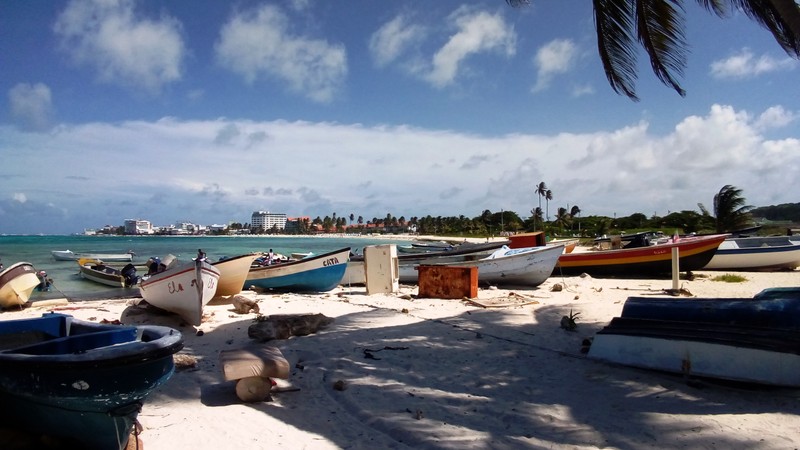

San Andrés Island is one of Colombia's best-known holiday destinations, located in the Caribbean Sea about 700 km northwest of the country's mainland. It belongs to the San Andrés, Providencia and Santa Catalina archipelago and is famous for white-sand beaches, coral reefs and clear water in remarkable shades of turquoise. Its rich underwater world and varied seascapes attract beachgoers, divers and snorkelers.
A Caribbean island with a sea of colors
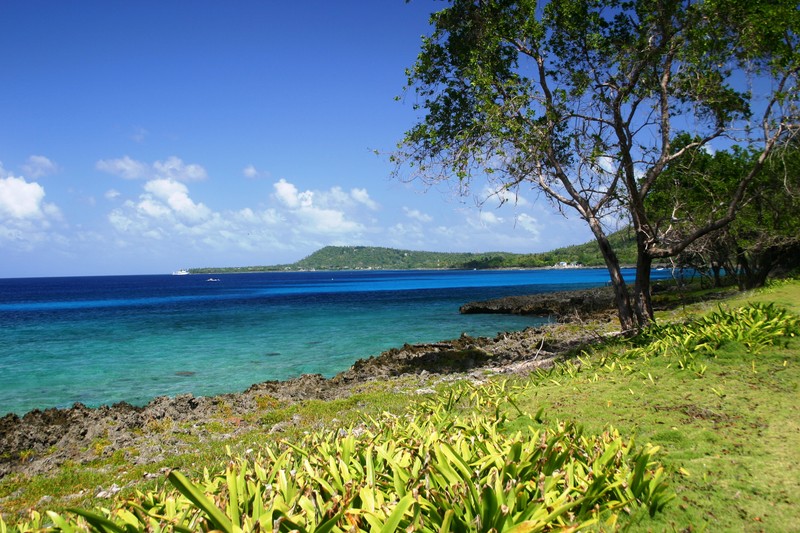
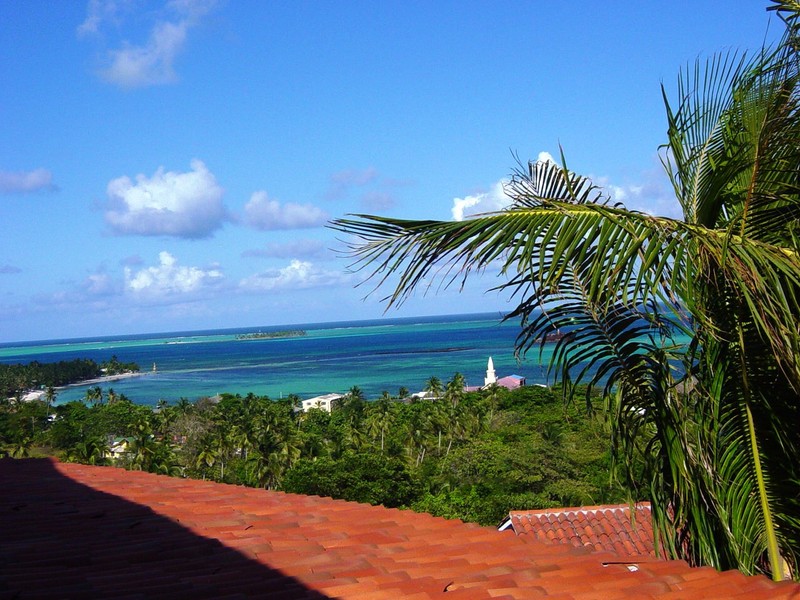
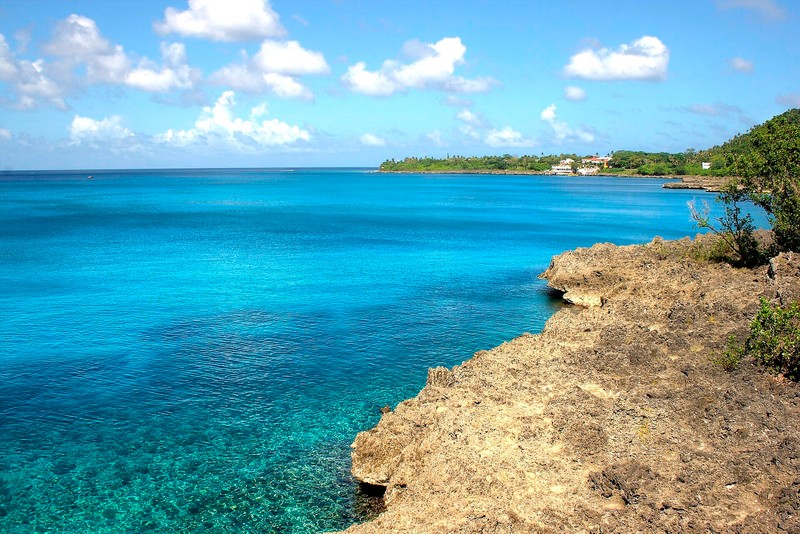
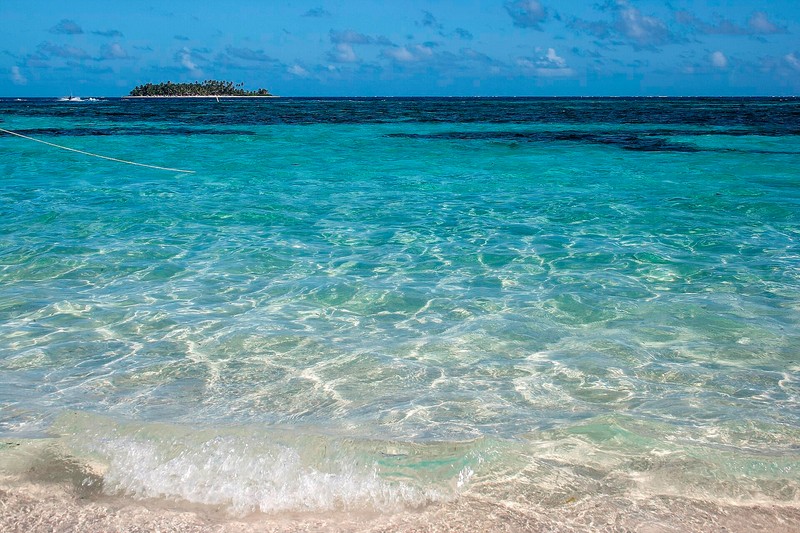
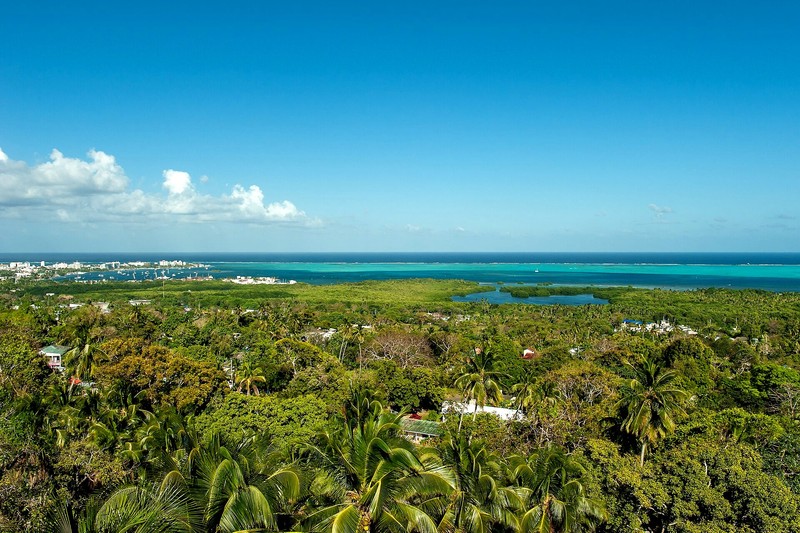
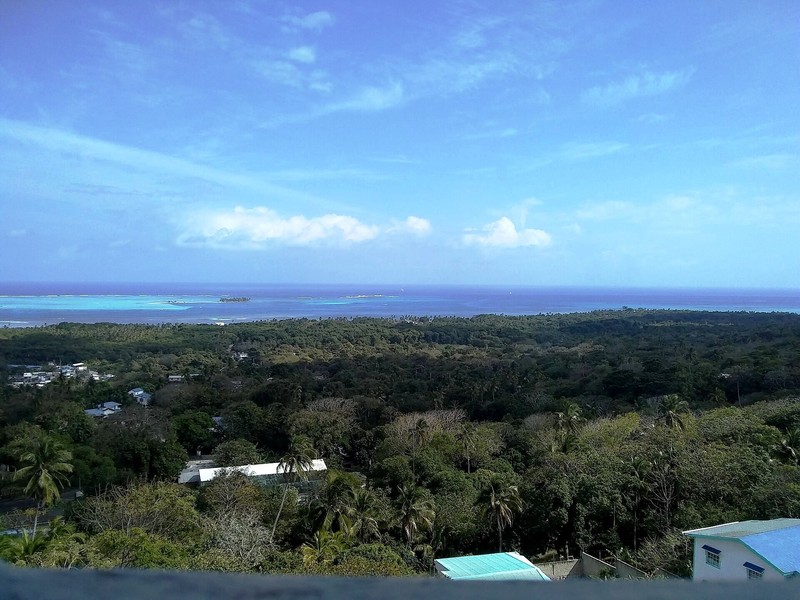
San Andrés is an elongated island with tropical vegetation, sandy shores and small settlements. Its most distinctive natural feature is the surrounding sea, often called the Sea of Seven Colors. The water ranges from pale turquoise in shallow areas to deep blue farther offshore. These variations depend on depth, sandy seabeds, coral formations and lighting conditions.
Coral reefs, seagrass beds and sandy shallows surround the island. These ecosystems support many fish, mollusks and other marine organisms. The underwater scenery makes San Andrés one of Colombia's most appealing destinations for exploring the natural environment of the Caribbean Sea.
Beaches of San Andrés
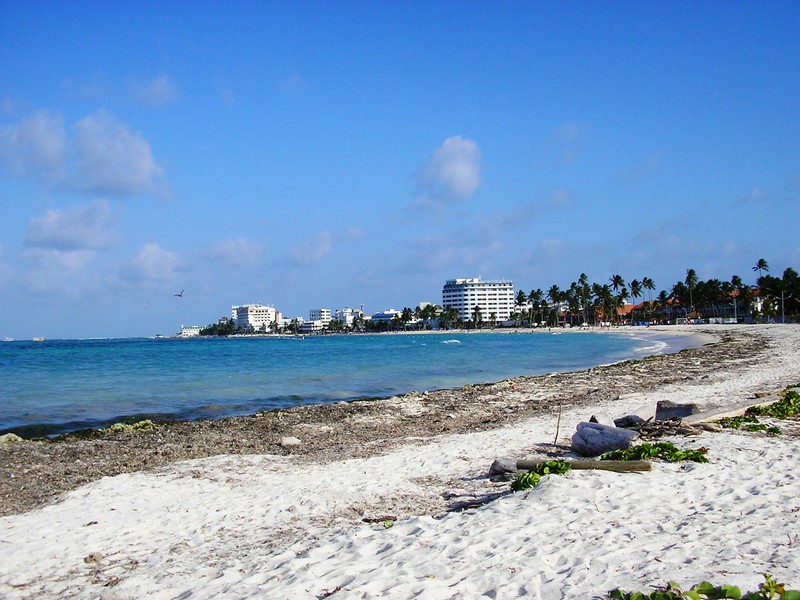
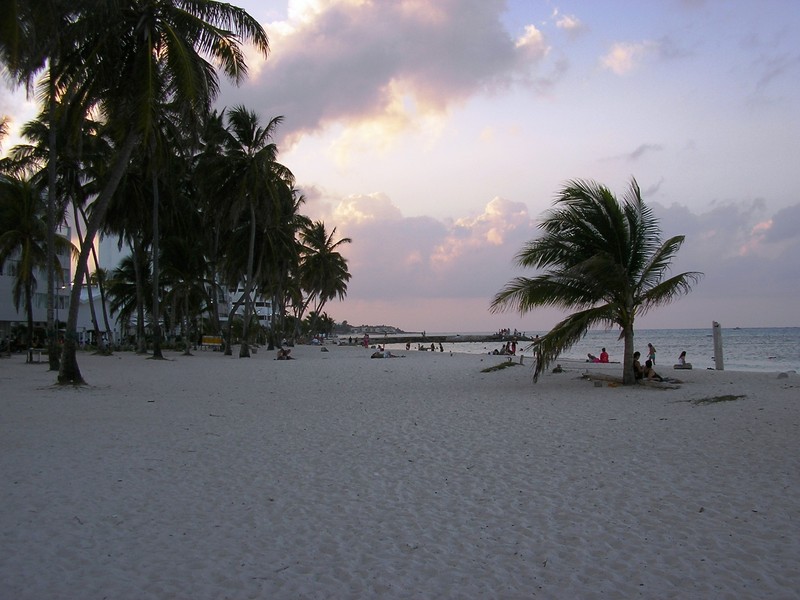
The most popular beaches lie along the northern and eastern sides of the island. Spratt Bight features a long stretch of sand, palm trees, cafés, restaurants and views of turquoise water. It is a convenient place for swimming, seaside walks and relaxing near the center of San Andrés.
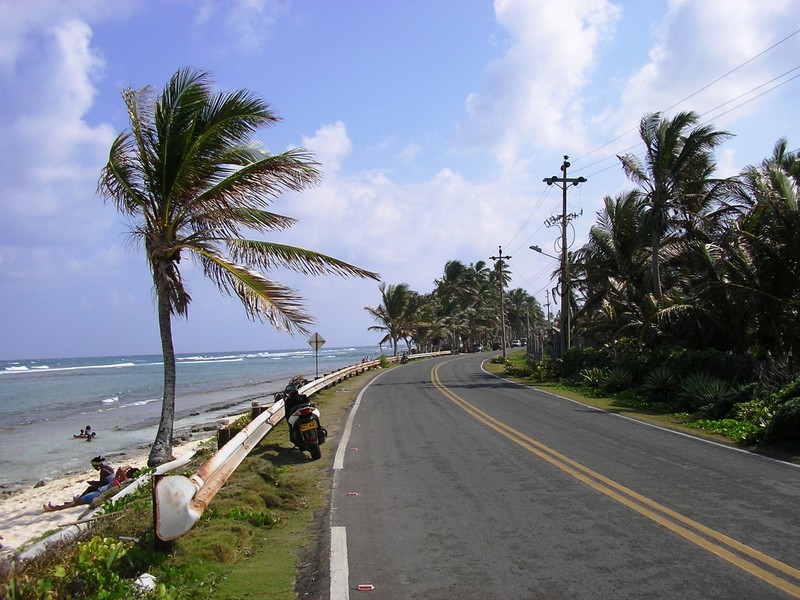
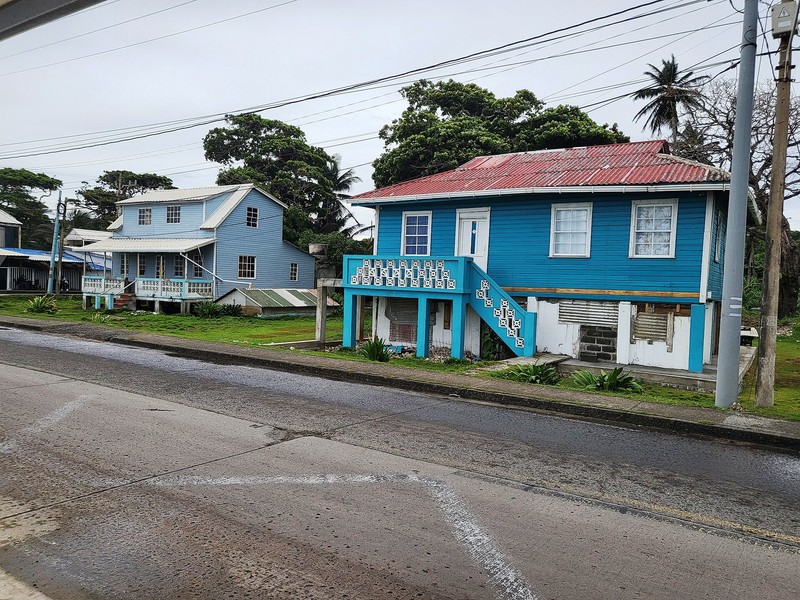
San Luis Beach on the eastern coast has a quieter atmosphere and scenery framed by coconut palms. Visitors can see traditional island homes and enjoy a less urbanized stretch of coastline. Swimming conditions depend on waves and the specific location, so always pay attention to local warnings before entering the water.
Johnny Cay, a small island near San Andrés
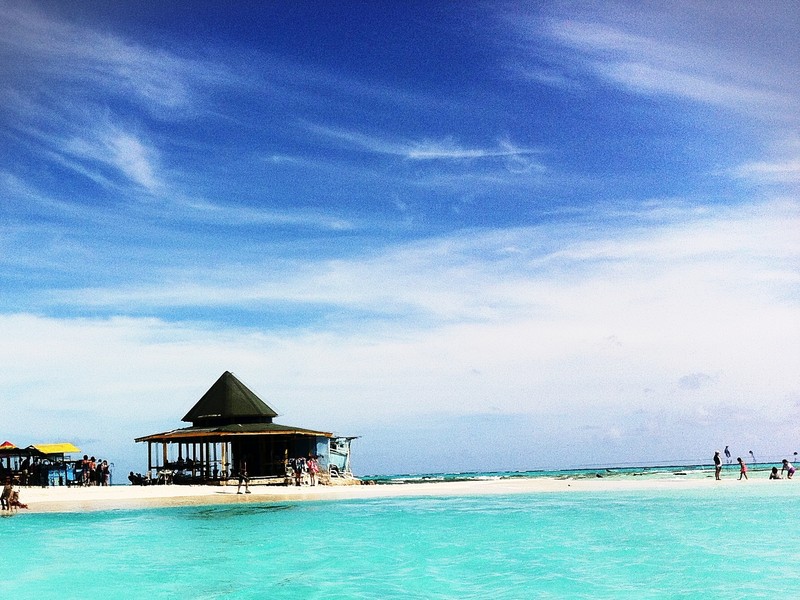
One of the most popular short boat excursions goes to Johnny Cay, a small island off the northeastern coast of San Andrés. It is known for white sand, coconut palms and bright blue water. Trips usually include time for walking along the beach, swimming and relaxing in the shade.
Johnny Cay is part of a protected natural area, so visitor access may be regulated. Before traveling, check whether the island is open, what restrictions apply and when visits are permitted. Following the rules helps protect the beaches and fragile coastal ecosystems.
La Piscinita and natural swimming pools
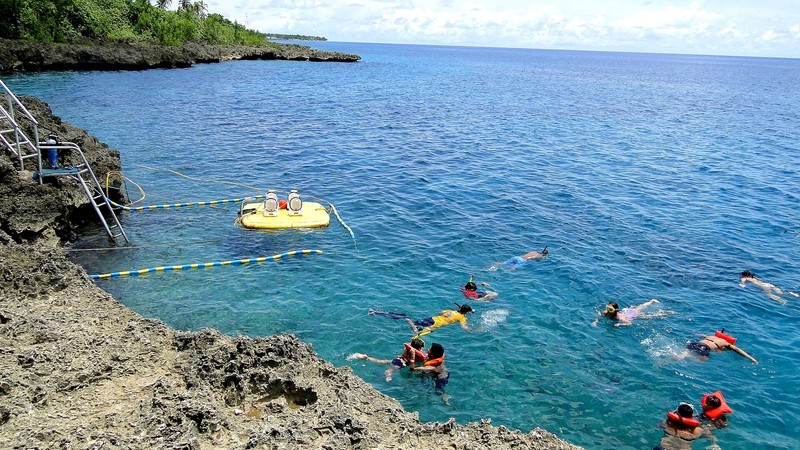
La Piscinita is a popular swimming and snorkeling spot on the western side of the island. Its name means “little pool” and refers to areas of relatively calm water among rocks and coral formations. Visitors can observe small fish in their natural marine habitat.
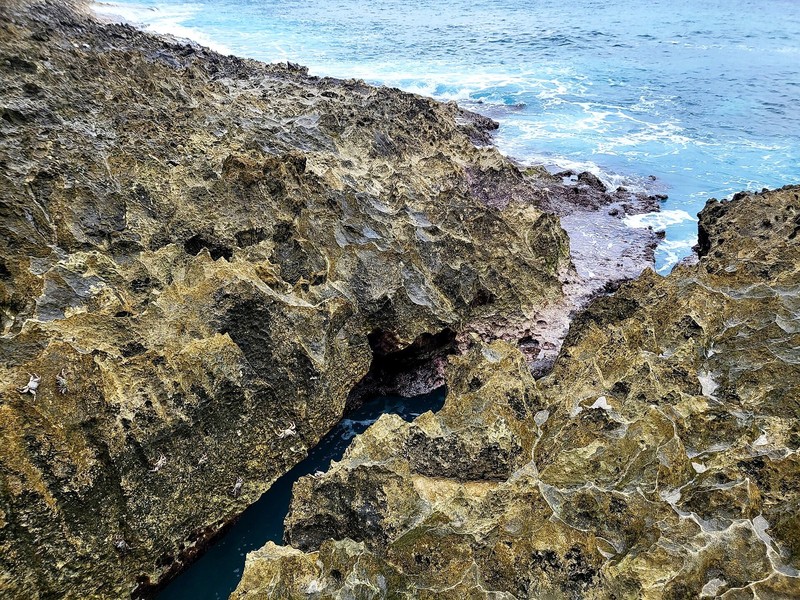
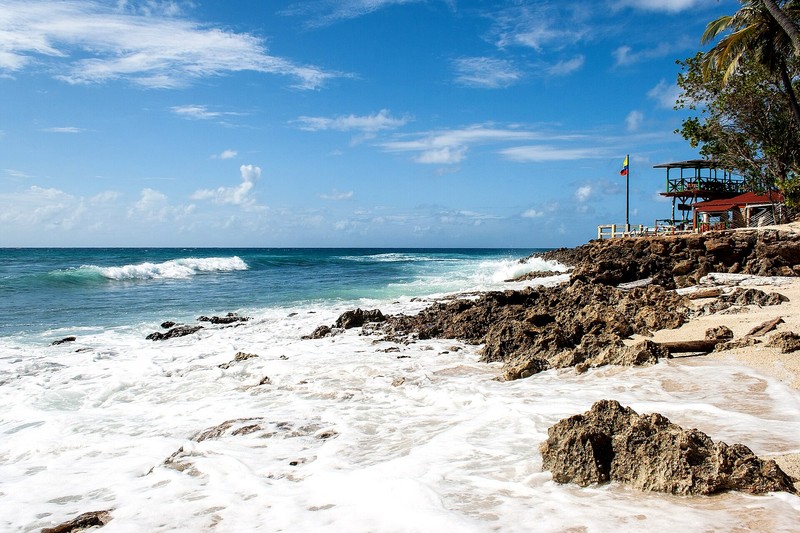
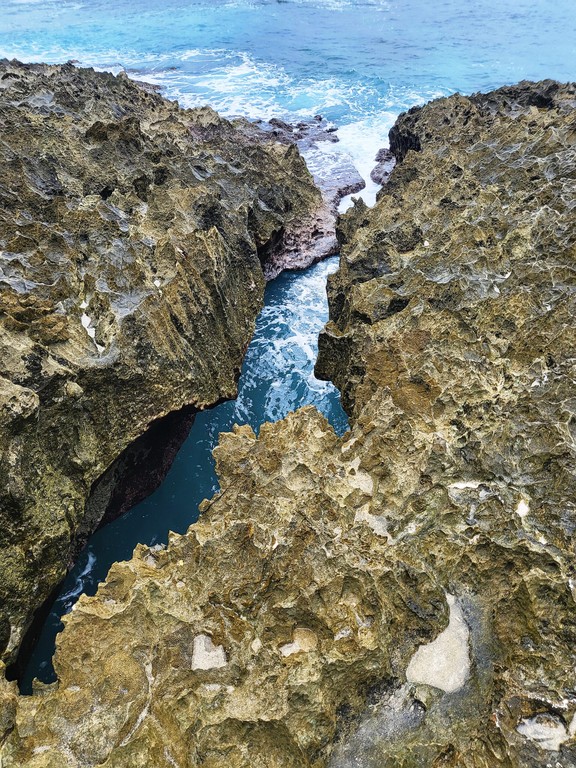
Another well-known location is West View, where swimming and seaside recreation areas are available. Some coastal spots have rocky entries into the water, so water shoes can be useful. Avoid stepping on coral or touching marine animals.
Scuba diving and snorkeling
The underwater world is one of the main reasons to visit San Andrés. Coral reefs, underwater slopes and sandy areas attract both beginners and experienced divers. During dives, visitors may encounter tropical fish, sponges, coral formations and other marine life. Snorkeling excursions are also available at locations where the depth and currents allow safe swimming.
Beginners should choose licensed dive centers and follow professional instructions. Underwater visibility and the availability of excursions depend on weather, sea conditions and the state of each reef area. When snorkeling, do not touch coral, feed fish or collect marine organisms.
Island culture and traditions
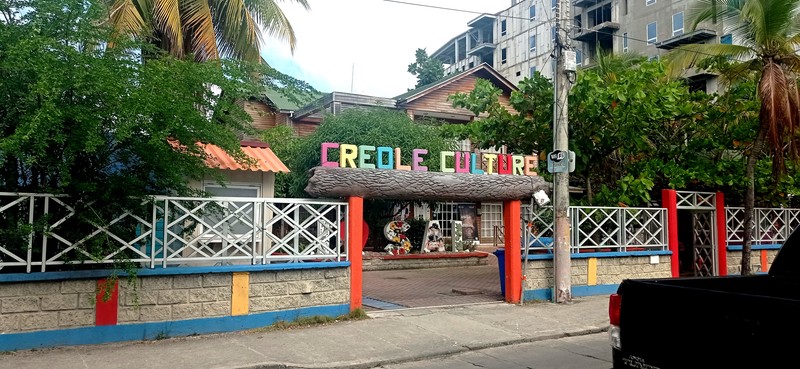
San Andrés has a cultural identity distinct from that of many mainland regions of Colombia. The island is home to the Raizal community, with Afro-Caribbean roots, historical links to English-speaking islands and its own musical and culinary traditions. Spanish and English are heard alongside the creole language spoken by the San Andrés community.
Local music reflects the influence of reggae, calypso and other Caribbean styles. Island cuisine features fish, seafood, coconut, rice and spices. Popular dishes include fish with coconut rice, seafood stews and traditional soups. Visiting local restaurants offers a chance to experience San Andrés as more than a beach resort and discover its distinctive cultural heritage.
What to see on the island
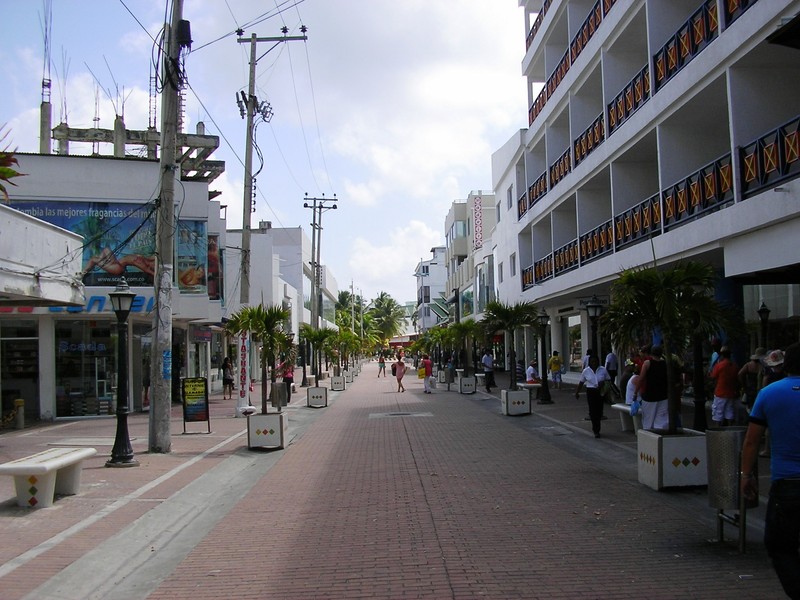
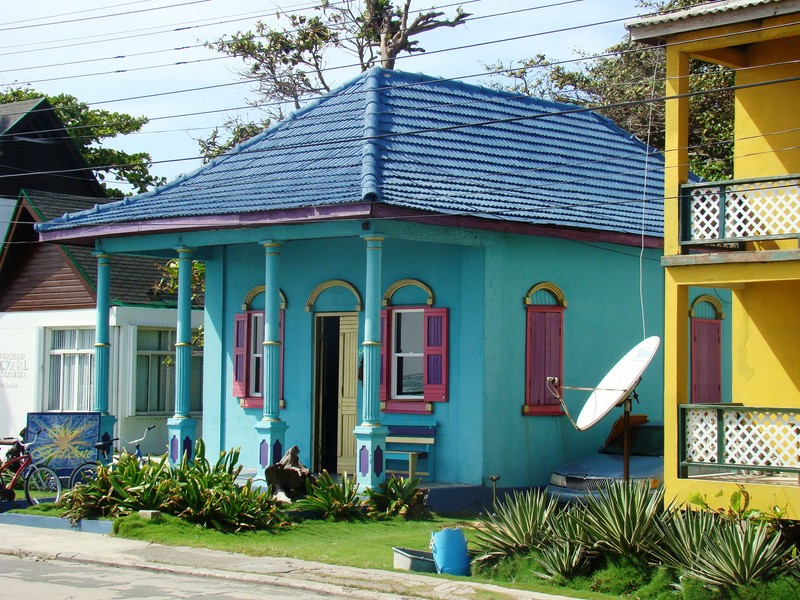
Beyond beaches and boat trips, consider visiting La Loma, one of the island's traditional residential areas, where characteristic wooden houses remain and views open across the surrounding landscape. Central San Andrés has shops, restaurants and pedestrian streets, while parts of the coast offer good places to watch the sunset.
Nature lovers may also visit Morgan's Cave, a popular coastal attraction associated with local legends about the pirate Henry Morgan. It is a tourist site rather than a verified archaeological location belonging to the pirate. Renting a car, scooter or small tourist vehicle can be a convenient way to explore the island, provided local traffic rules are followed.
How to get to San Andrés
The main way to reach the island is by air. Gustavo Rojas Pinilla International Airport receives flights from Bogotá and some other cities in the region. Domestic and international routes can change with the season and airline, so check schedules before purchasing tickets.
On the island, visitors can travel by taxi, bus, rental vehicle or small tourist car. Boat excursions depart from designated piers. When booking a tour, check whether transfers, entrance fees and mandatory local charges are included in the price.
Best time to visit
San Andrés has a tropical climate and warm weather throughout the year. A relatively drier period usually occurs from February to April, while wetter conditions are more common from June to November. Short showers can occur at any time, and sea conditions are also influenced by wind and seasonal weather systems.
For beach activities and water sports, choose dates with the forecast and sea conditions in mind. Boat trips may be delayed or canceled during strong winds or unfavorable weather. Check current access restrictions before visiting small islands and reefs.
Travel tips
Useful items for a stay on San Andrés include sunscreen, a hat, lightweight clothing and footwear suitable for rocky coastal areas. A waterproof phone case is helpful on boat excursions, and passengers should follow the crew's instructions. To protect coral reefs, avoid standing on coral, leaving litter on beaches or buying souvenirs made from protected marine organisms.
San Andrés is ideal for travelers who want to combine beach relaxation, underwater exploration and Caribbean culture. White sand, colorful water, small offshore islands and distinctive traditions make it one of Colombia's most recognizable seaside destinations.
Gallery