
El Tuparro National Park is a vast protected natural area in eastern Colombia, in the department of Vichada near the Venezuelan border. It lies in the Orinoquía region, known for its extensive tropical plains, rivers, and rich wildlife. The park covers approximately 557,000 hectares and protects natural savannas, gallery forests, wetlands, and unusual rocky formations.
The landscape combines open grasslands with river scenery. The national park was established in 1980, while the wider El Tuparro Biosphere Reserve was recognized by UNESCO in 1979. It is an important conservation area for the ecosystems of Colombia's eastern plains and their tropical biodiversity.
Natural landscapes
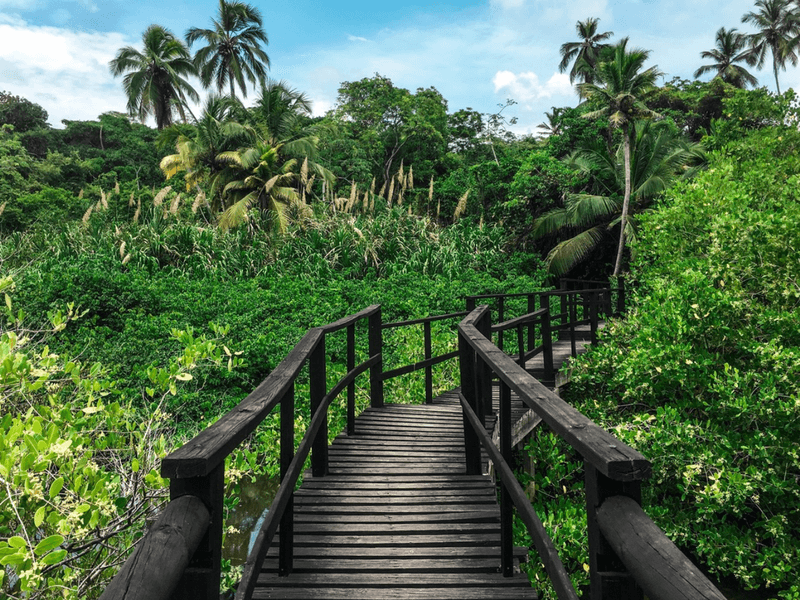
Natural grass savannas cover much of the park, with some areas becoming flooded during the rainy season. Gallery forests grow along rivers and streams, forming cool green corridors across the open plains. The park also contains dry savannas, marshy lowlands, small water bodies, and forests on higher ground.
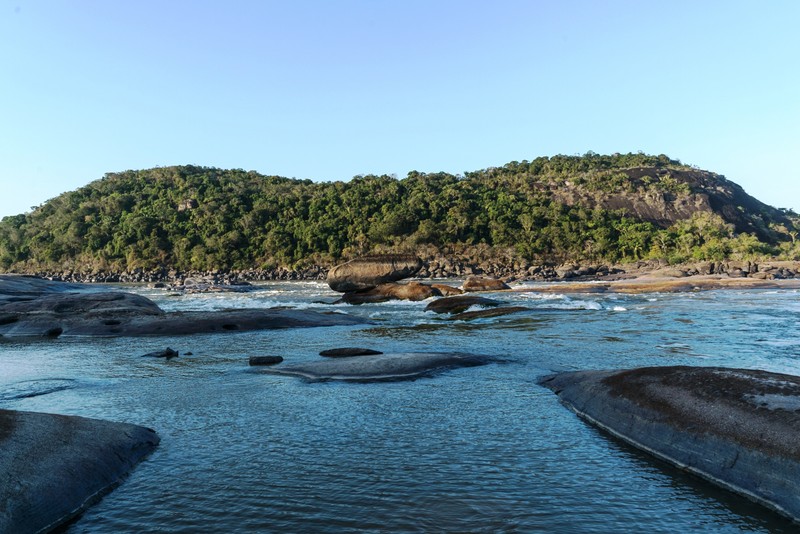
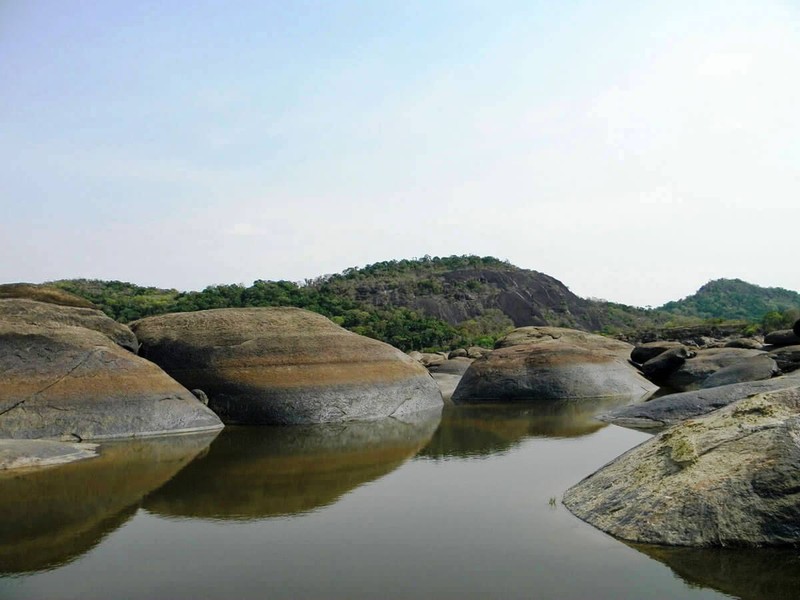
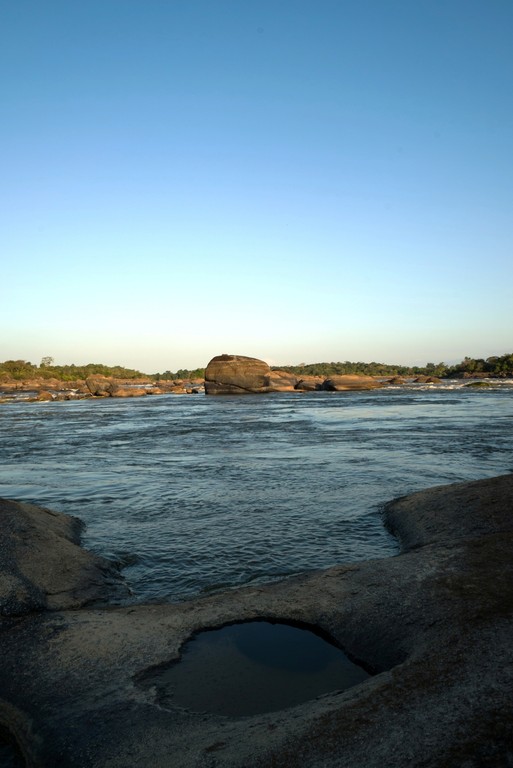
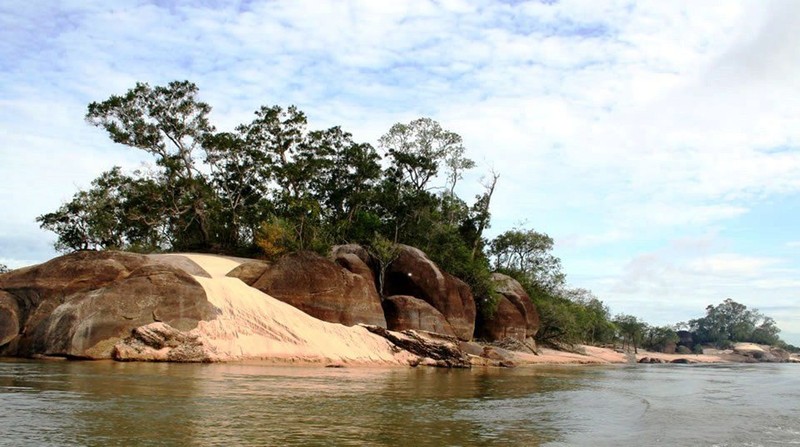
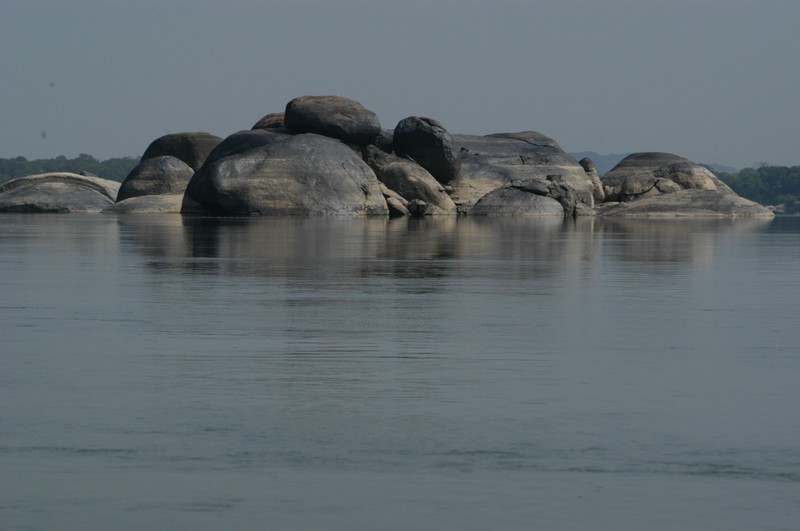
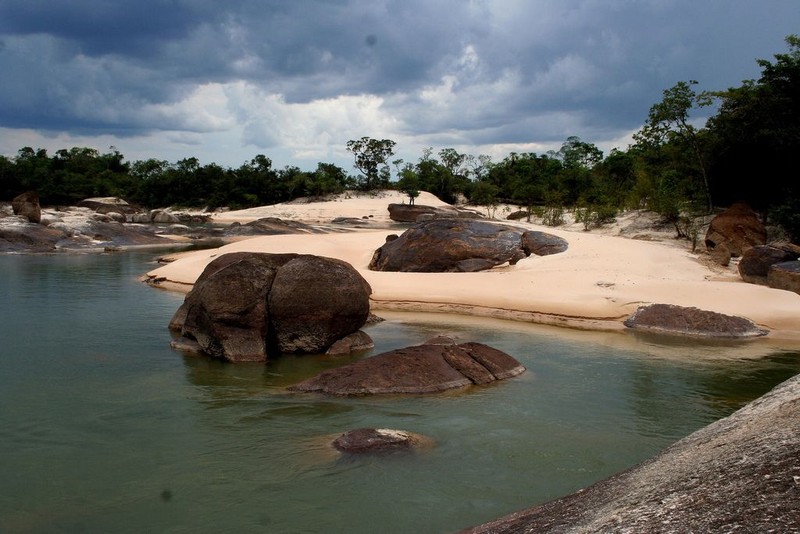
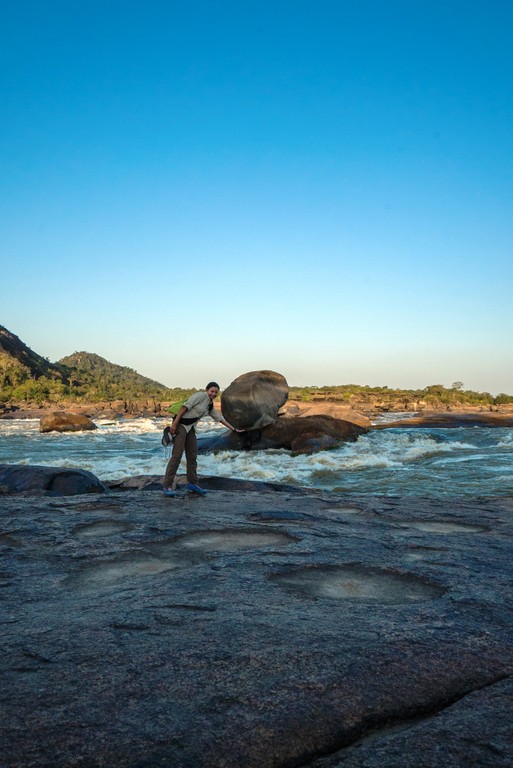
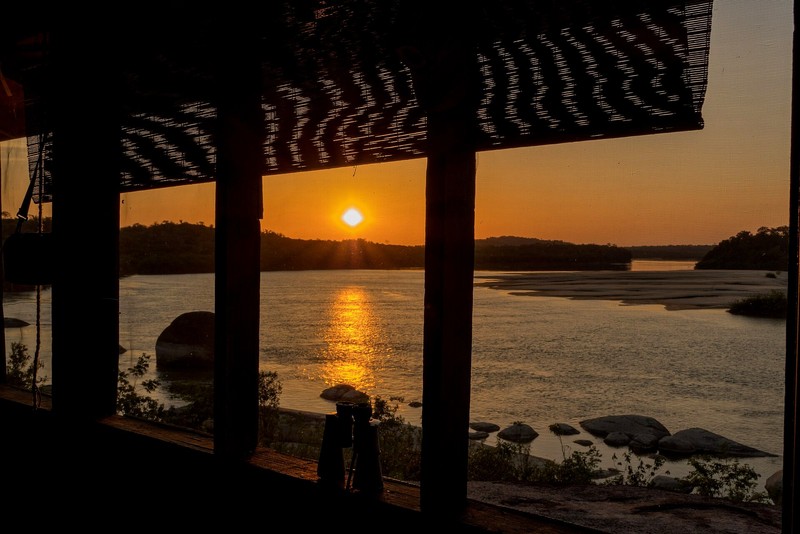
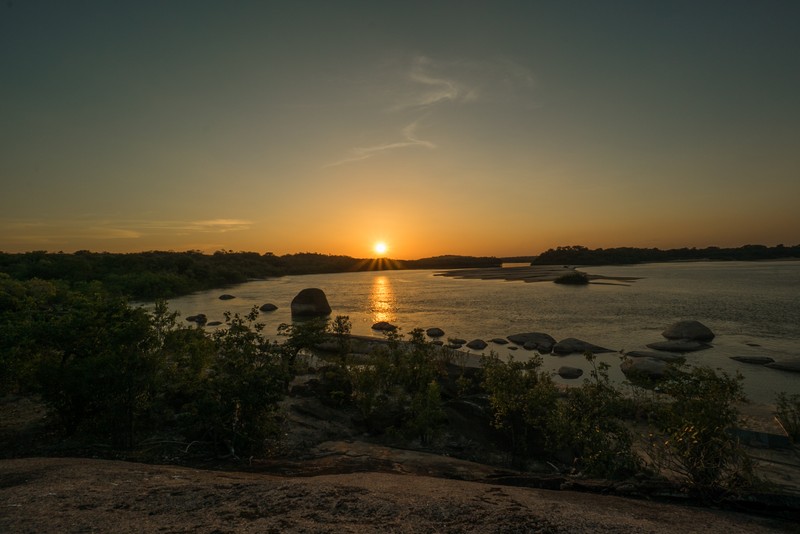
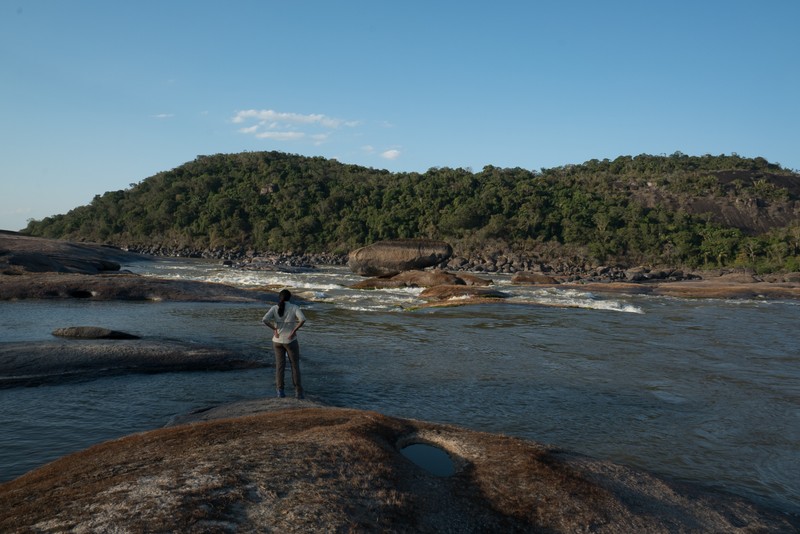
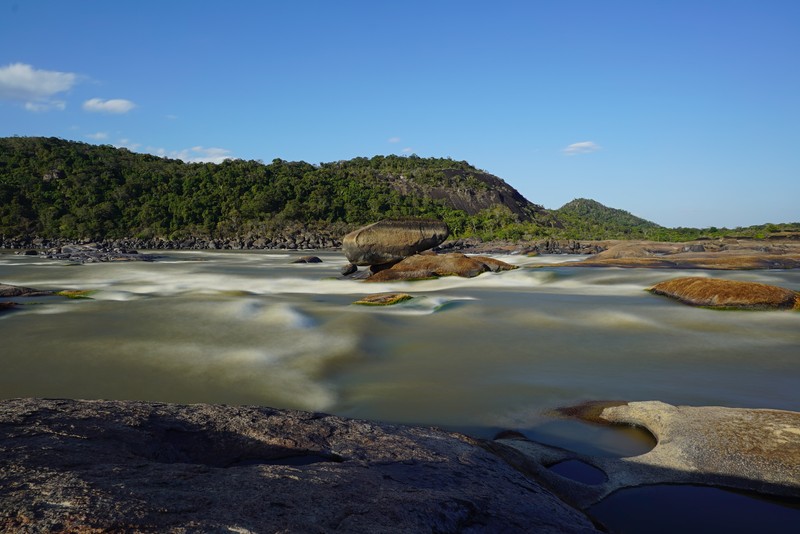
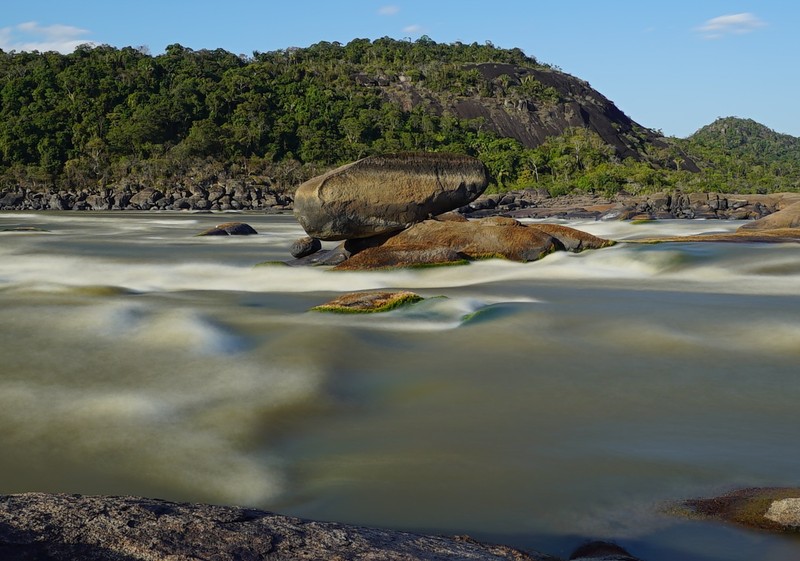
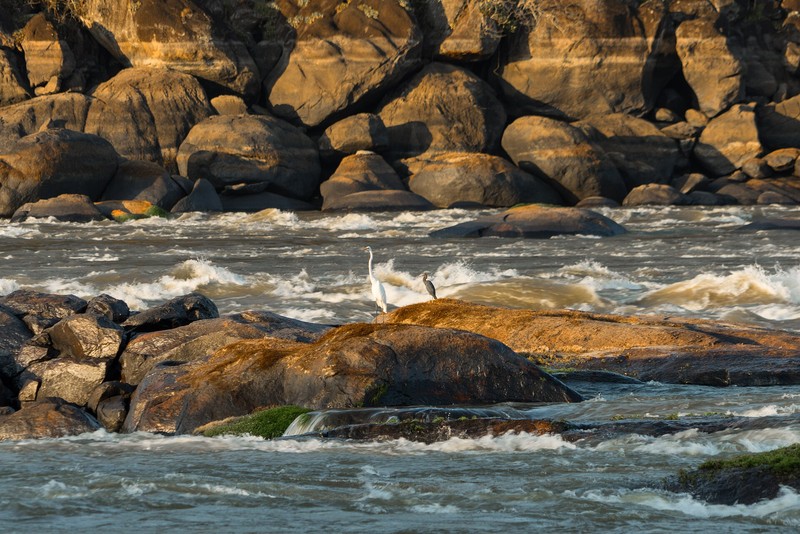
Ancient rocky outcrops of the Guiana Shield are among the area's distinctive features. They contrast with the surrounding grasslands and give the landscape a unique appearance. Rivers, rapids, and rocky banks create striking views, especially during the dry season, when water levels fall and sandy stretches become visible.
Rivers and the Maipures Rapids
Water systems are essential to El Tuparro's ecosystems. The wider region is associated with the Orinoco and Tomo rivers, as well as the Tuparro and Tuparrito rivers. River valleys provide water for savannas and forests and support fish, reptiles, aquatic mammals, and many bird species.
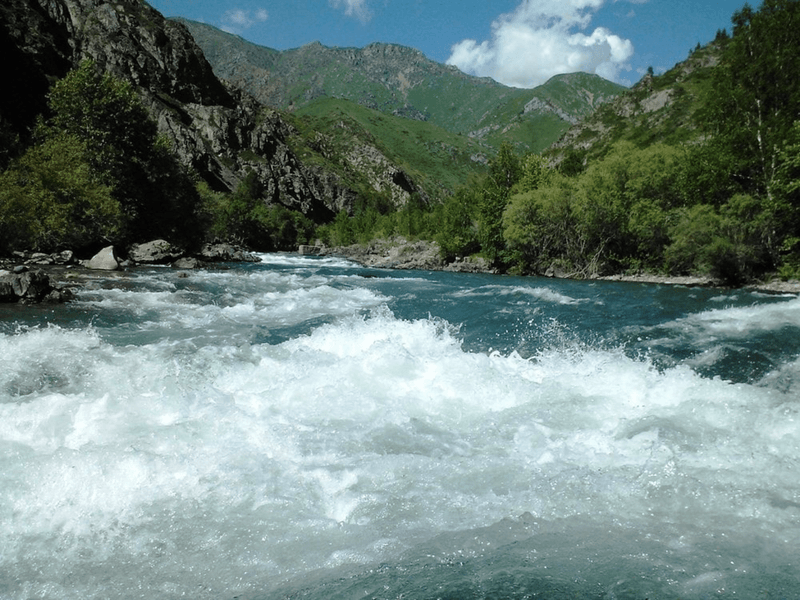
One of the region's best-known natural features is the Maipures Rapids on the Orinoco River. Powerful currents, large boulders, and exposed granite rocks create a dramatic landscape. Visitors should approach the rapids only at authorized locations and follow local guidance regarding water levels, currents, and safety.
Wildlife
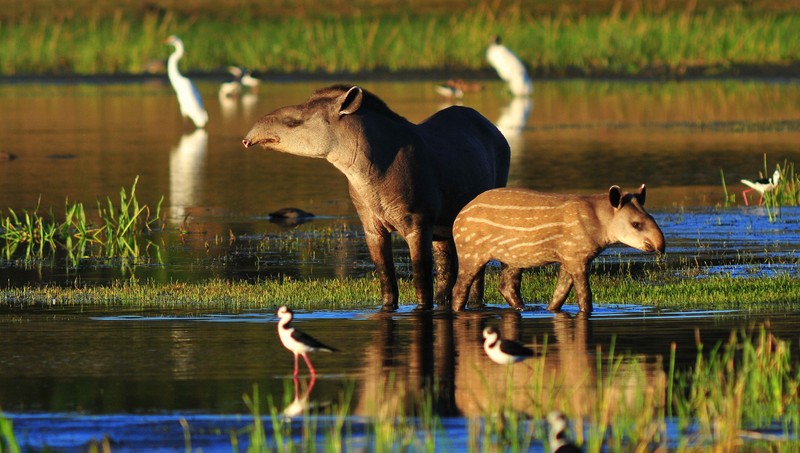
El Tuparro provides refuge for animals adapted to seasonal changes in rainfall and humidity. Larger mammals include tapirs, pumas, and jaguars. Armadillos, peccaries, capybaras, monkeys, and other tropical species also inhabit the savannas and forests.
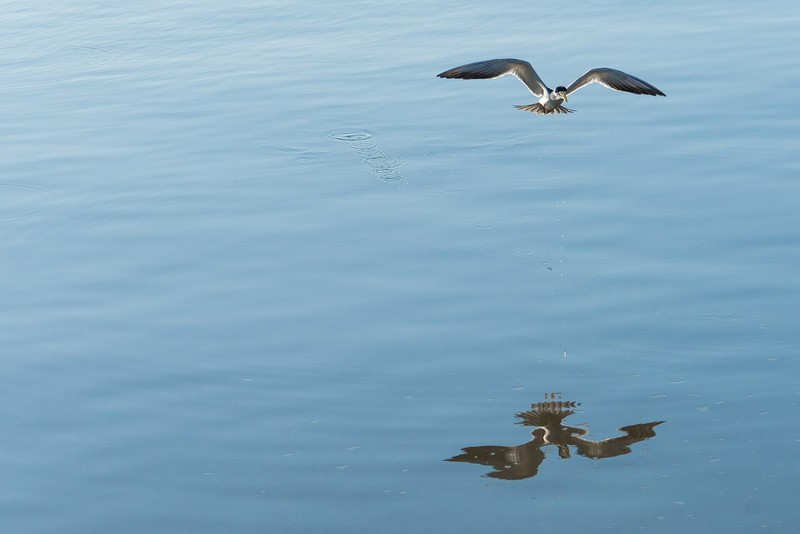
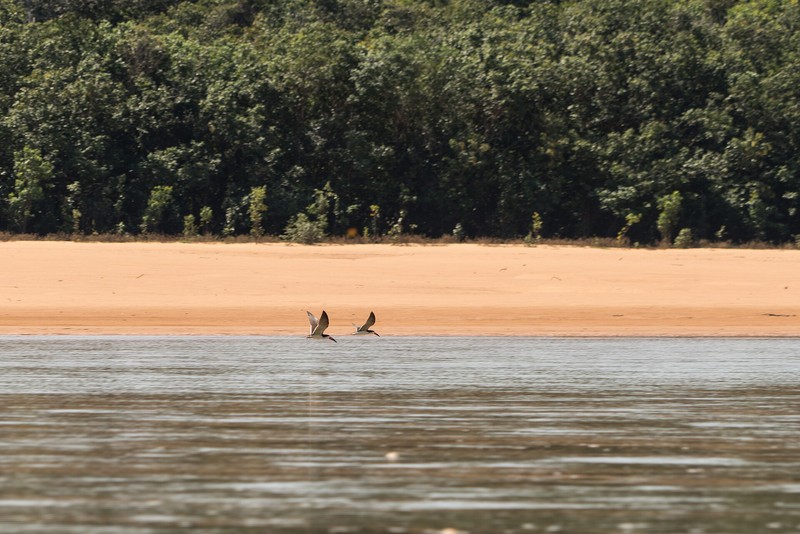
Rivers and wetlands support a variety of aquatic wildlife, including caimans, freshwater turtles, fish, and river dolphins known locally as toninas. The park is also important for birds, with open grasslands, forests, and wetlands providing habitats for numerous species. Wildlife watching is best done with a guide, keeping a respectful distance and avoiding disturbance.
Vegetation and ecosystems
The park's vegetation includes savanna grasses, shrubs, gallery-forest trees, and palms. Moriche palm communities are particularly characteristic of wet areas and waterways. These plants play an important ecological role by providing food and shelter for wildlife.
The combination of wet lowlands, open plains, forest corridors, and rocky areas creates a variety of habitats. Ecosystems respond to seasonal rainfall and river flooding, so the landscape changes noticeably throughout the year. Protecting these habitats is important for biodiversity across the Orinoco basin.
Climate and the best time to visit
El Tuparro has a hot tropical climate. The average annual temperature is around 27°C, and daytime temperatures in exposed areas can exceed 34°C. The dry season generally runs from December to March, while the wetter period lasts from April to November. During the rainy season, some areas flood and overland travel can become difficult.
The dry months are often more convenient for land routes, but access depends on road conditions, water levels, and park regulations. Before travelling, confirm visiting arrangements with the park administration or an authorized tour operator.
How to reach El Tuparro National Park
Puerto Carreño, the capital of Vichada, is usually the main starting point. Visitors can reach the city by air and continue toward the park by river or road, depending on the season and route conditions. Overland travel is generally easier to arrange during the dry months.
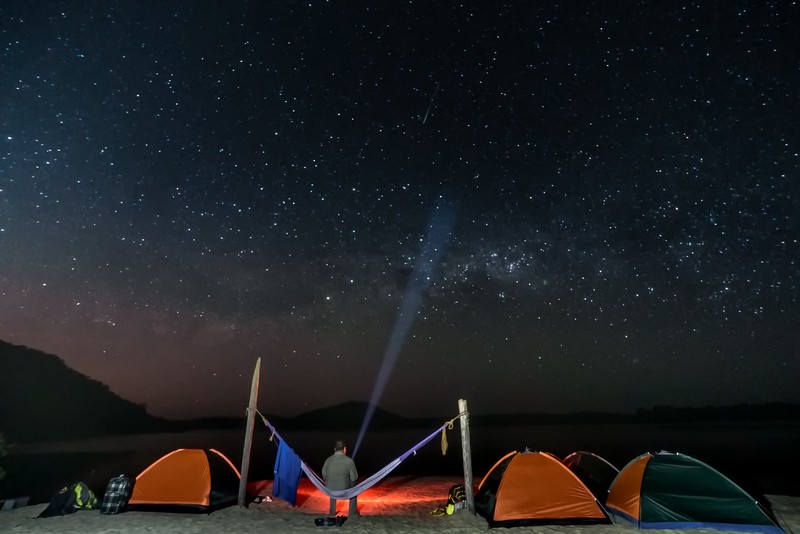
El Tuparro is remote and has limited tourist infrastructure. Transport, meals, accommodation, and guide services should be arranged in advance through authorized operators. Visits may require prior coordination, registration, an introductory briefing, and an accredited guide. Check the current access requirements before departure.
Visitor tips
Bring lightweight clothing, sturdy closed shoes, a hat, sunscreen, insect repellent, and enough drinking water. Rocks near rivers can be slippery, currents can be strong, and insects are common. Do not approach rapids without a guide's approval or attempt to cross waterways independently.
Follow conservation rules: take all rubbish with you, do not disturb wildlife or collect plants, and avoid lighting fires where prohibited. Confirm visiting conditions, vaccination requirements, and route availability before travelling. El Tuparro is especially rewarding for wildlife enthusiasts, birdwatchers, and travellers seeking remote river landscapes in South America.
Gallery