History of the Yungang Grottoes
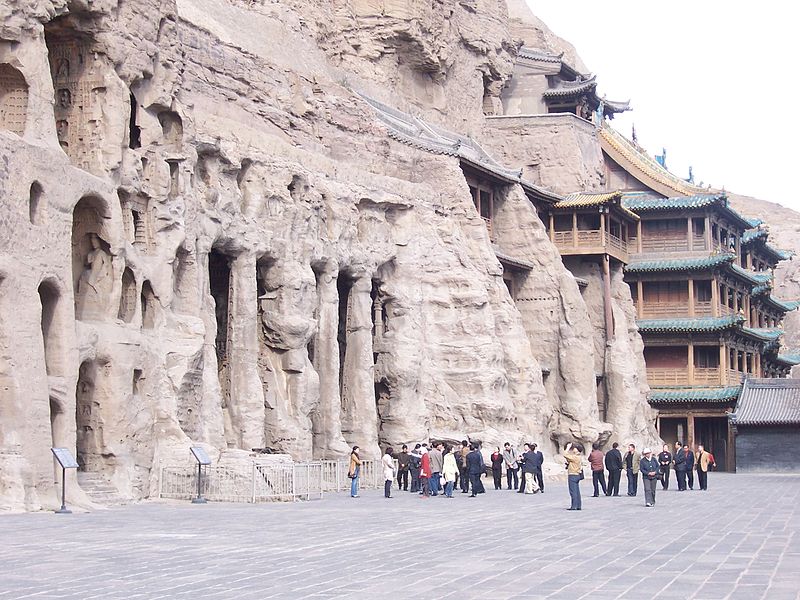
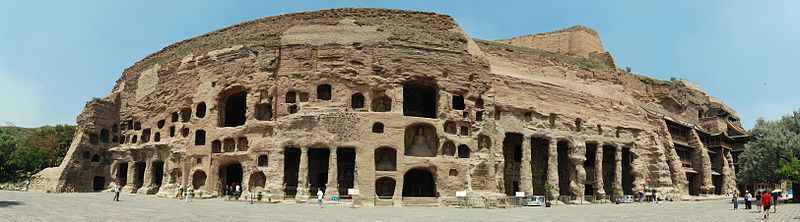
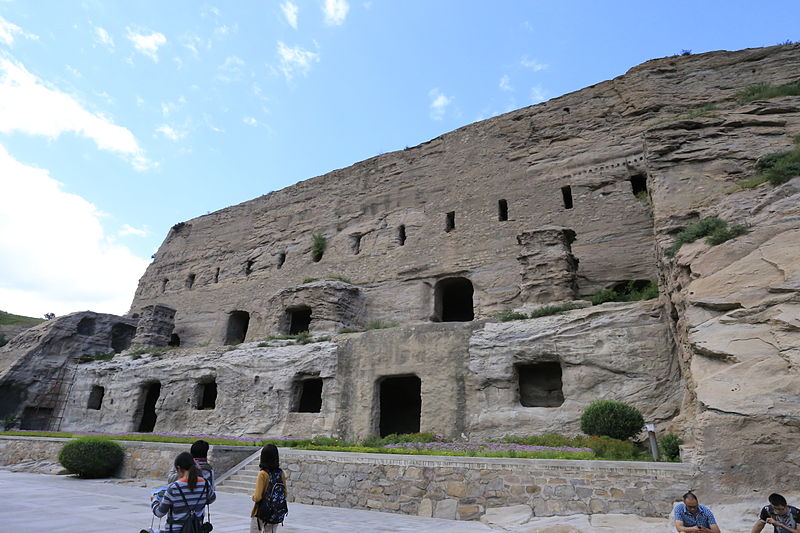
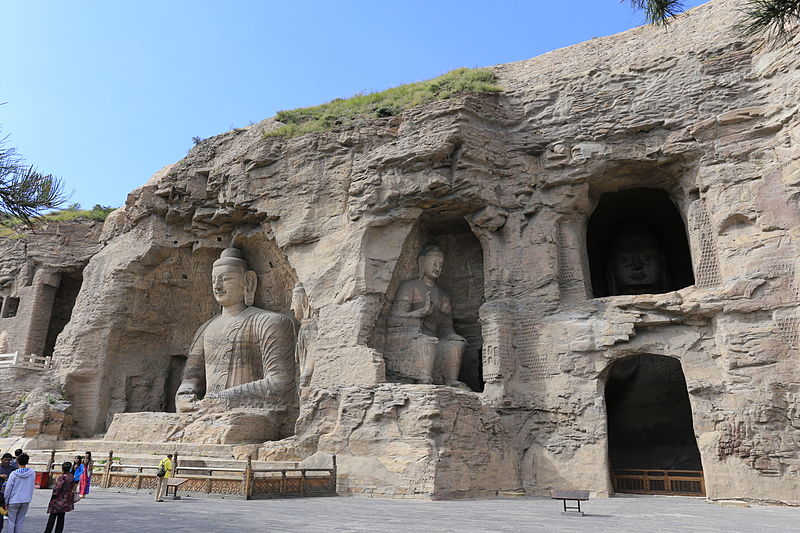
The Yungang Grottoes are an outstanding complex of Buddhist cave art in China, located at the southern foot of Mount Wuzhou, about 16 kilometres west of Datong in Shanxi Province. Carved directly into sandstone cliffs, the grottoes extend for roughly one kilometre. Their creation was one of the major religious and artistic projects of early medieval China.
Work began around 460 CE during the Northern Wei dynasty, when Datong, then known as Pingcheng, was the state capital. Northern Wei rulers supported Buddhism and commissioned monumental images carved into the rock. The main phase of construction continued for several decades, with additional work taking place later.
Caves and thousands of sculptures
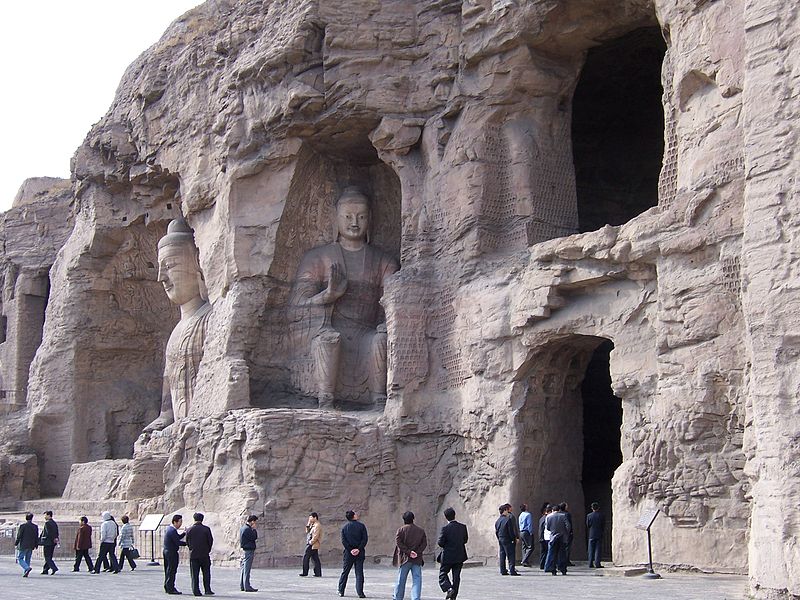
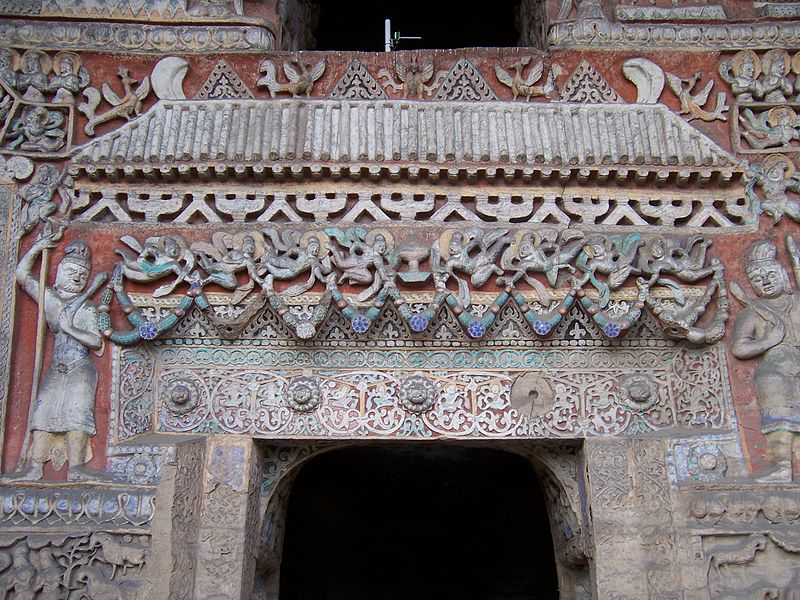
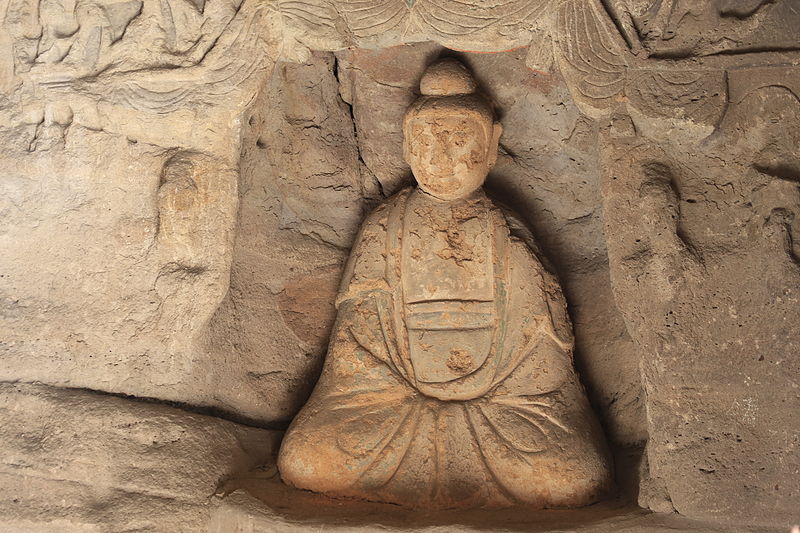
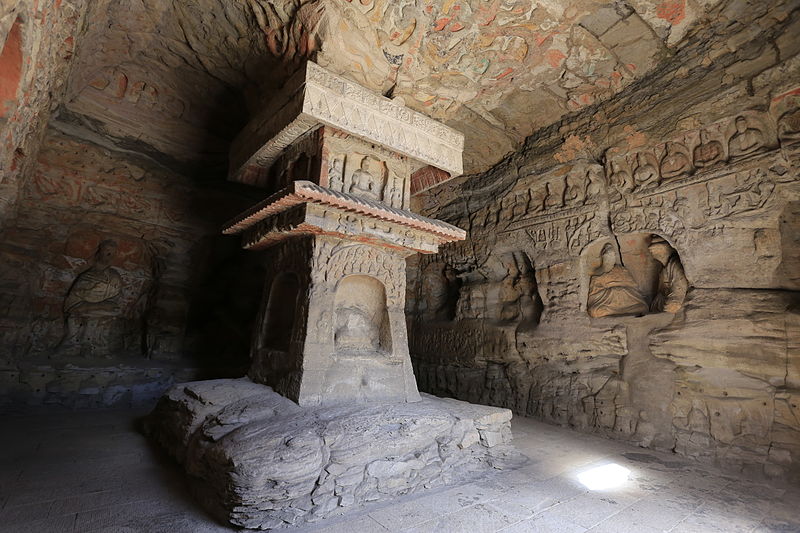
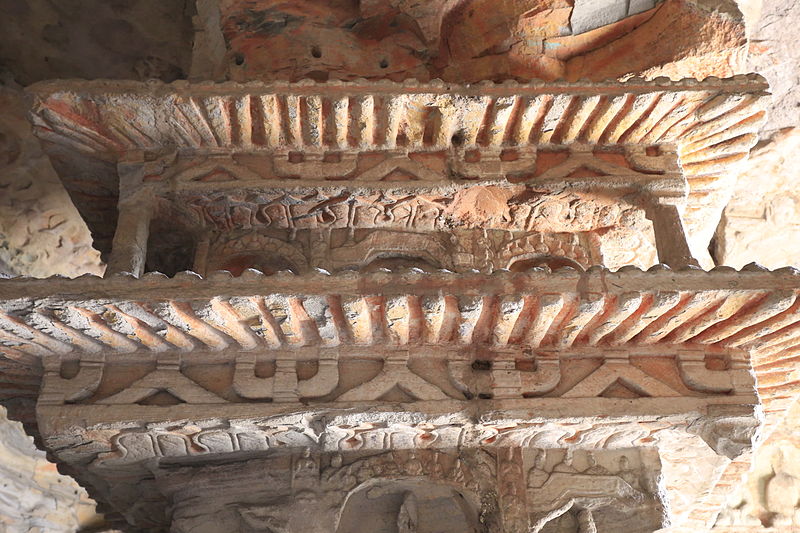
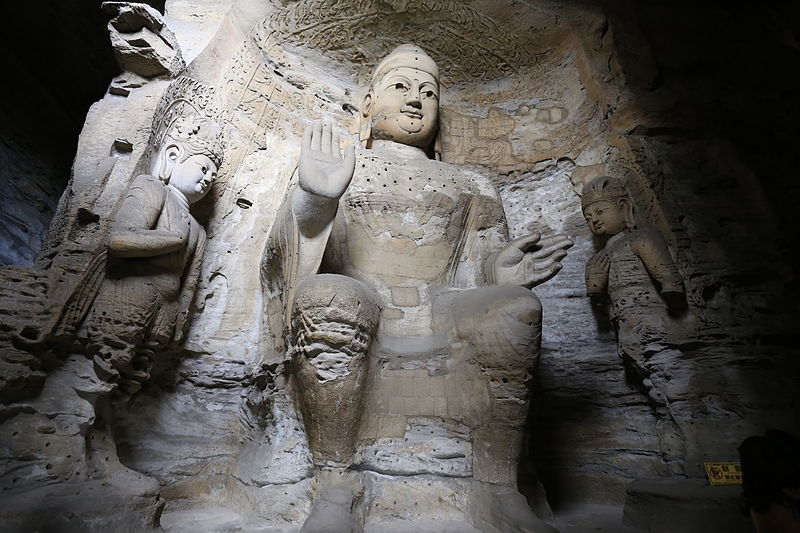
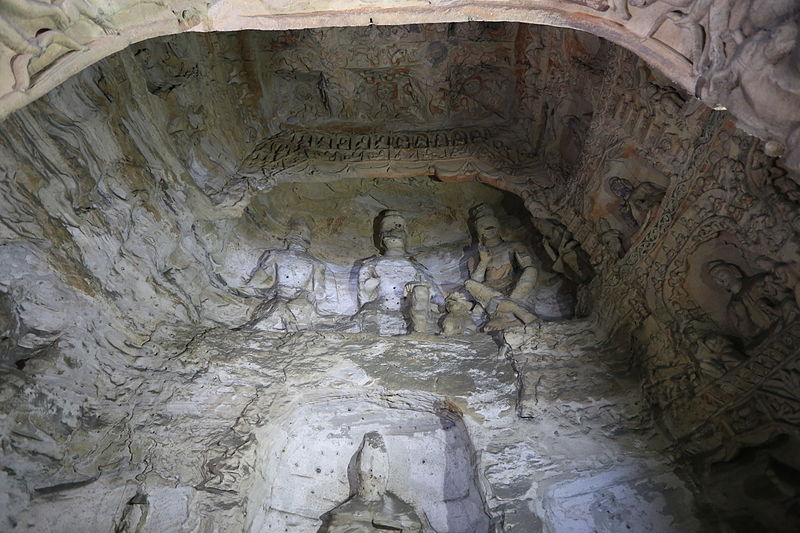
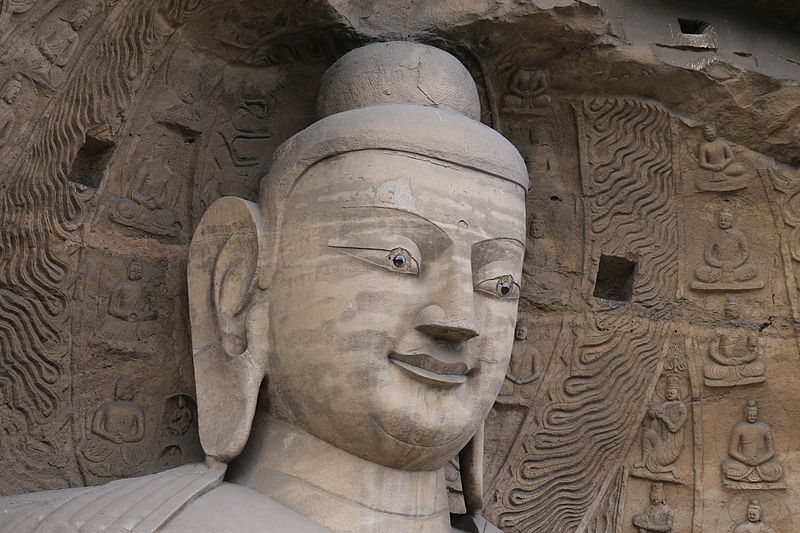
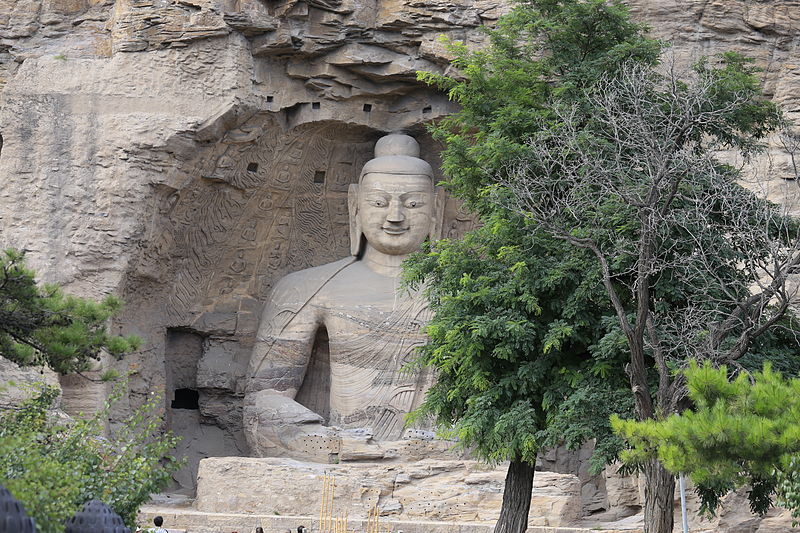
The site contains 45 principal caves and numerous niches. UNESCO describes 252 caves and niches containing about 51,000 statues. The sculptures range from small figures to monumental Buddhas occupying much of a cave wall. Visitors can see Buddhas, bodhisattvas, celestial musicians, guardians and intricate decorative reliefs.
The Five Caves of Tan Yao
The five early caves associated with the monk Tan Yao are among the most important parts of the complex and are generally identified as Caves 16-20. Their carefully planned compositions and large Buddha figures are masterpieces of early Chinese Buddhist art. Their design also reflects the close relationship between Buddhism and imperial authority under the Northern Wei.
A meeting of artistic traditions
Yungang developed along cultural routes connecting China with Central and South Asia. Its sculptures show influences from earlier Buddhist art traditions, including Gandharan art, while gradually developing a distinctive Chinese character. The grottoes provide valuable evidence of how Buddhist imagery travelled across Asia and changed as it encountered local cultures.
Yungang and UNESCO
The Yungang Grottoes were inscribed on the UNESCO World Heritage List in 2001. Their importance lies in their artistic achievement, their role in the history of Buddhist sculpture and their evidence of cultural exchange between China and other parts of Asia. Conservation work addresses threats such as weathering, water seepage and the gradual deterioration of the stone surface.
What to see
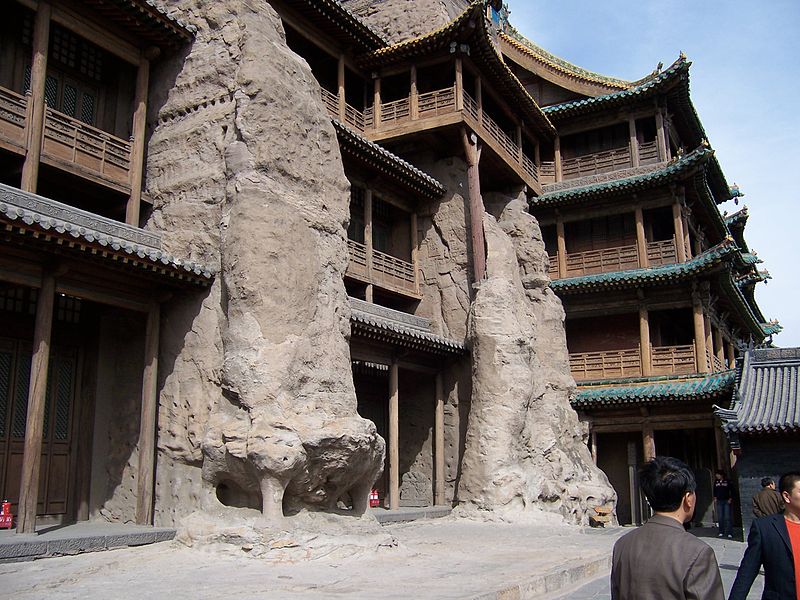
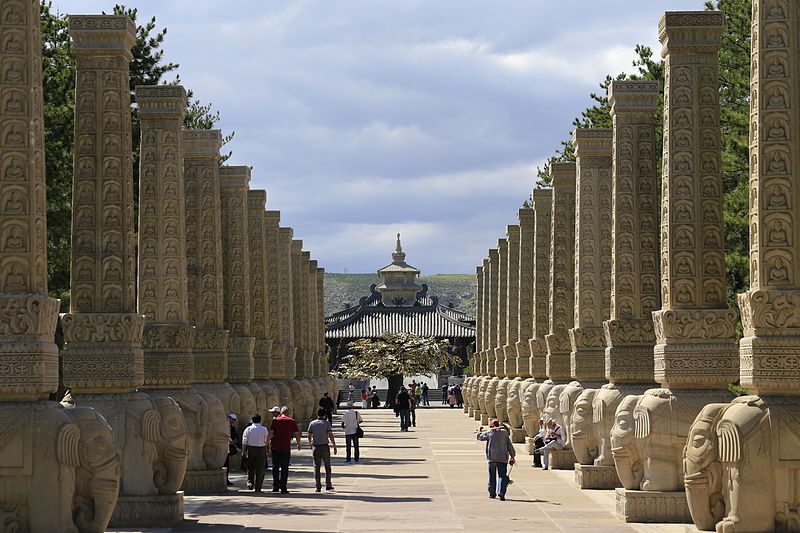
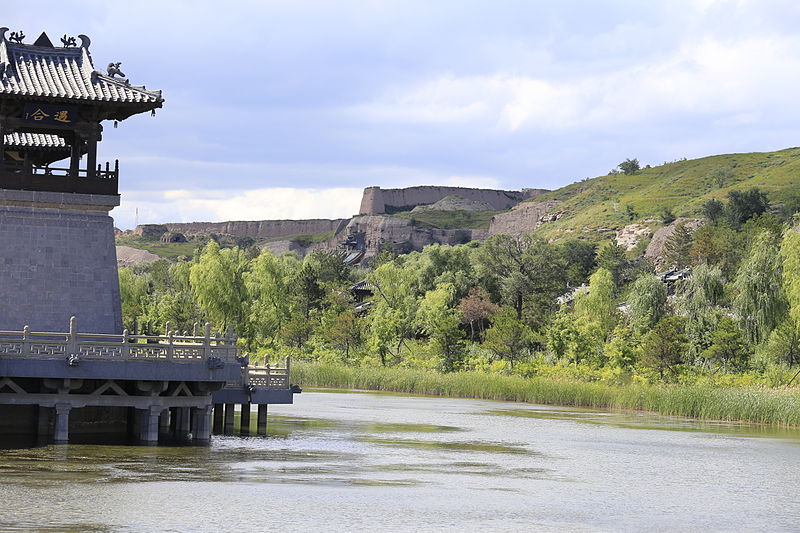
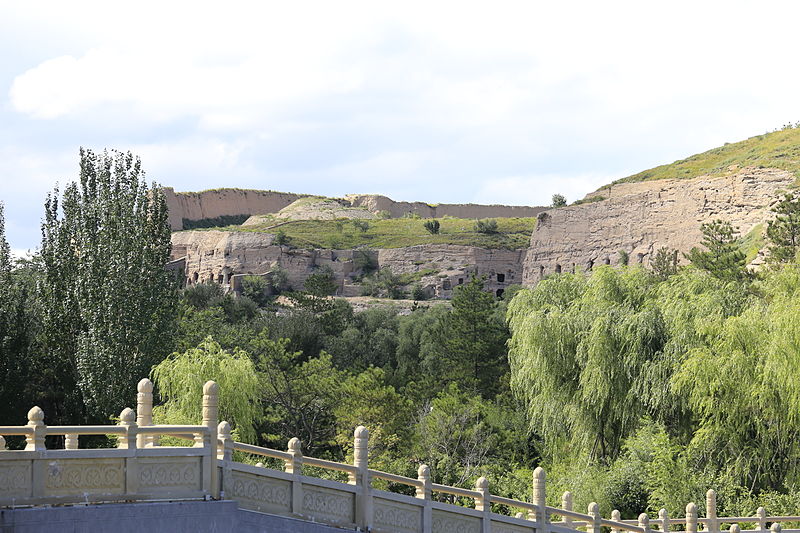
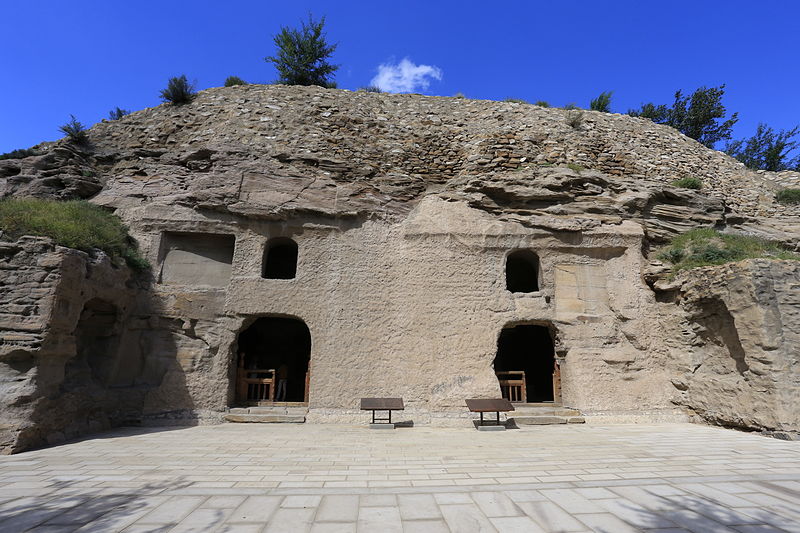
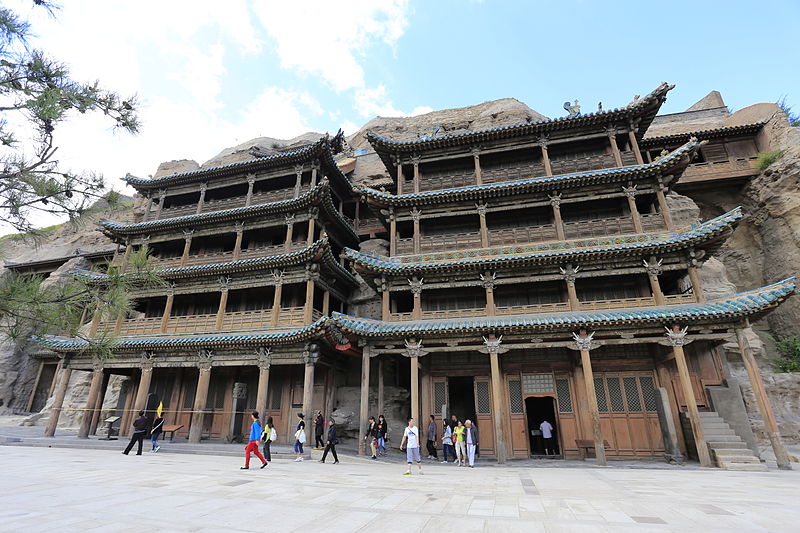
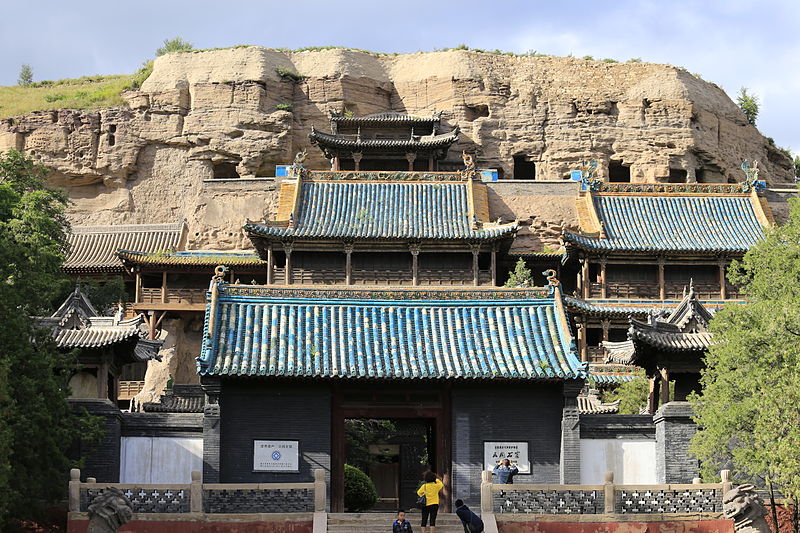
Prioritise the caves with monumental Buddha statues, the early caves associated with Tan Yao and chambers containing detailed reliefs. The cave entrances and protective structures also help visitors understand how the sanctuary fits into the surrounding landscape. Allow several hours for a visit. A guide or audio guide can help explain the historical context and differences in artistic style.
How to get there and when to visit
The grottoes are about 16 kilometres from central Datong and can be reached by taxi, car or public transport serving the Yungang scenic area. Spring and autumn are often comfortable seasons for exploring the site, although it can be visited year-round if opening arrangements allow. Check current transport and ticket information before travelling. Do not touch the sculptures, and avoid flash photography wherever it is prohibited.
The Yungang Grottoes are more than a collection of ancient statues: they preserve a pivotal chapter in Chinese history and the spread of Buddhism in East Asia. Their monumental figures and sophisticated rock-carving techniques make them one of the most significant sites of world art.
Gallery