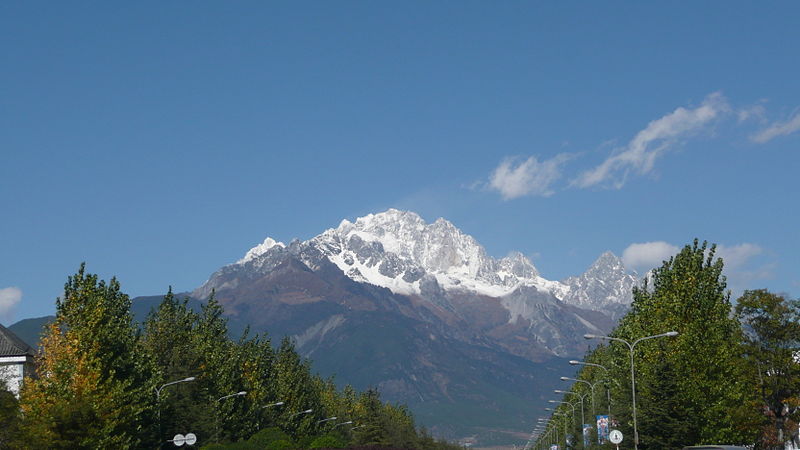
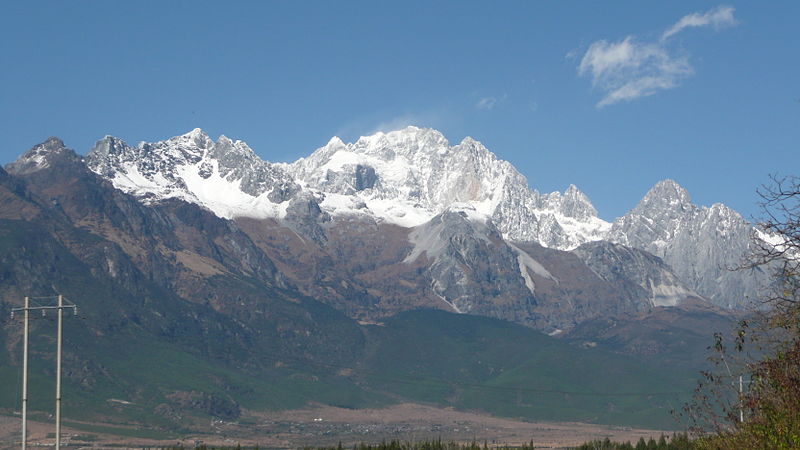
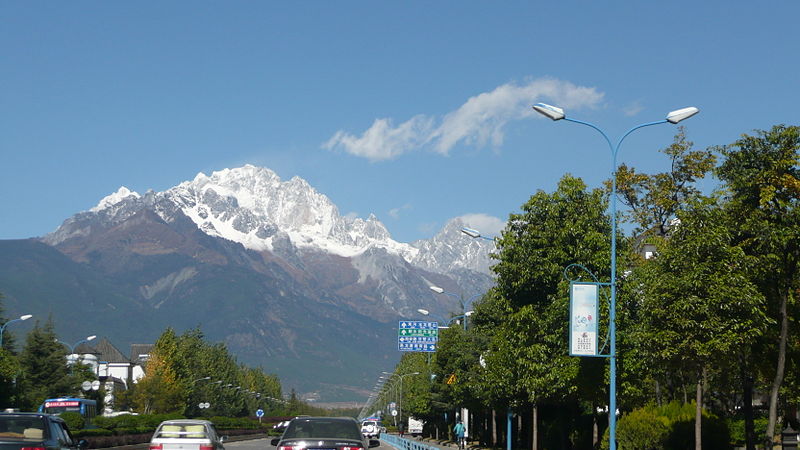
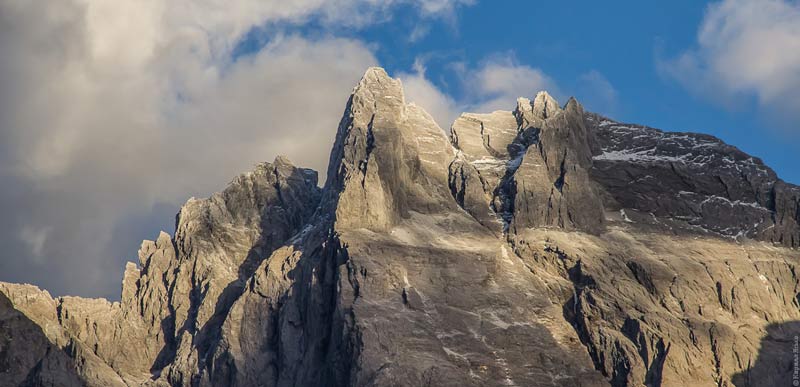
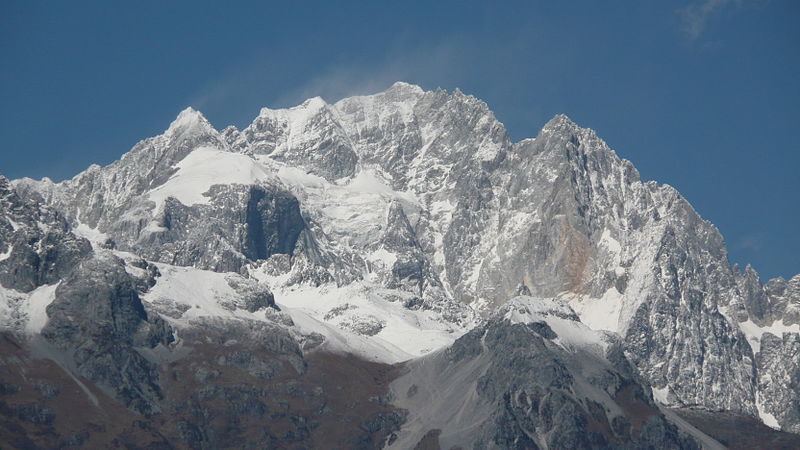
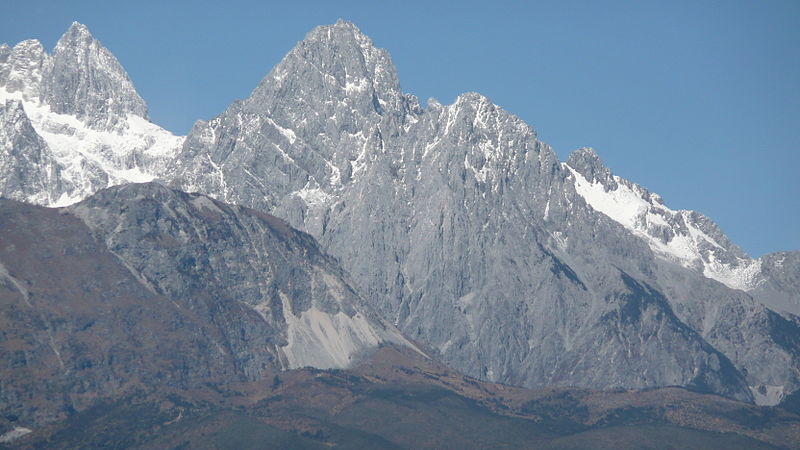
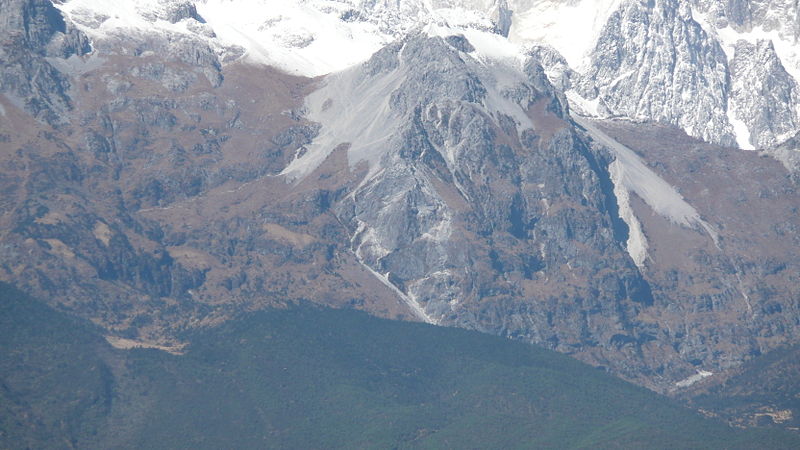
Jade Dragon Snow Mountain is a spectacular mountain massif in northwestern Yunnan Province, China, near the historic city of Lijiang. Its Chinese name is Yulong Xueshan (玉龙雪山). Snow-covered peaks, glaciers, coniferous forests and alpine meadows create one of the region's most recognizable natural landscapes. From a distance, the ridge resembles a dragon resting among the clouds, giving the mountain its name.
Geography and peaks
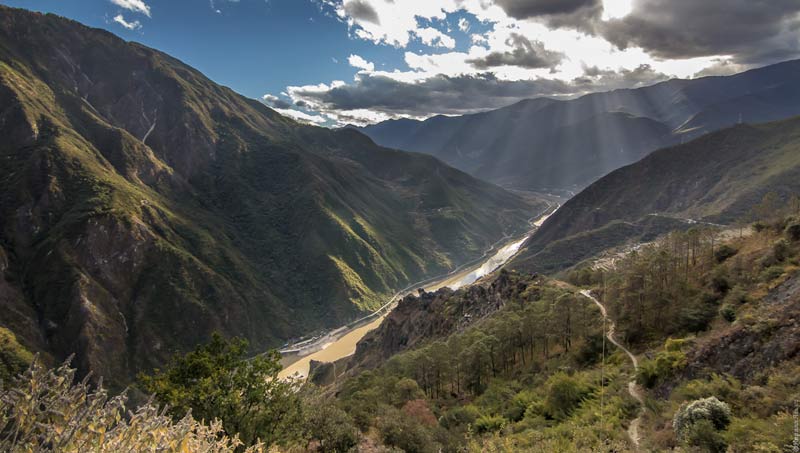
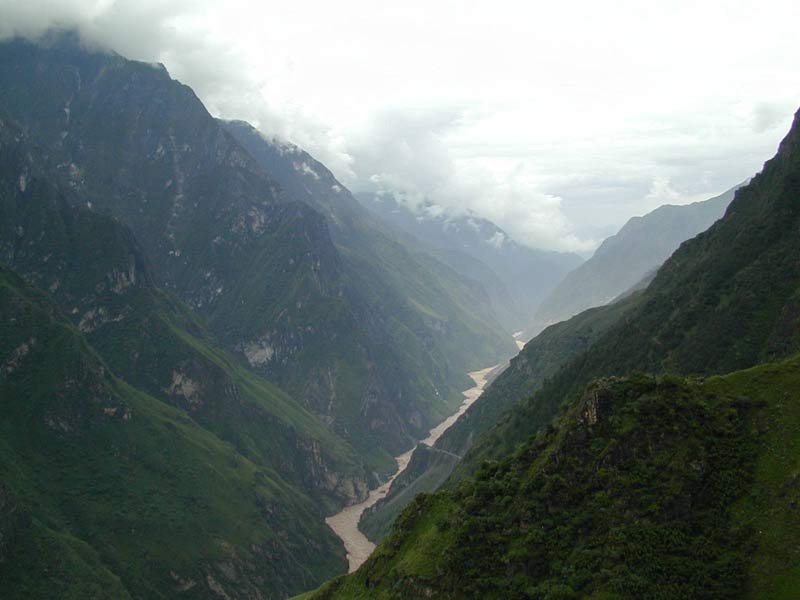
The massif stretches for approximately 35 kilometres from north to south and includes 13 principal peaks. The highest, Shanzidou, reaches about 5,596 metres above sea level. The mountain lies in the southern part of the Yunling range and features dramatic changes in elevation. Subtropical landscapes occur near its base, temperate forests cover the middle slopes, and glaciers and snowfields occupy the highest areas.
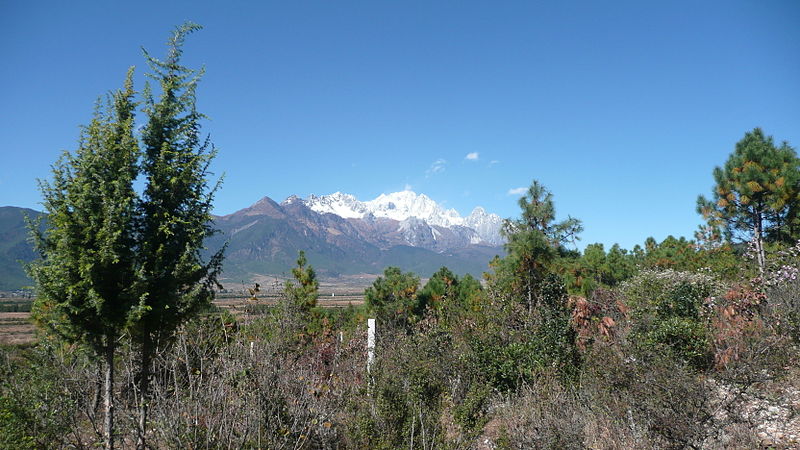
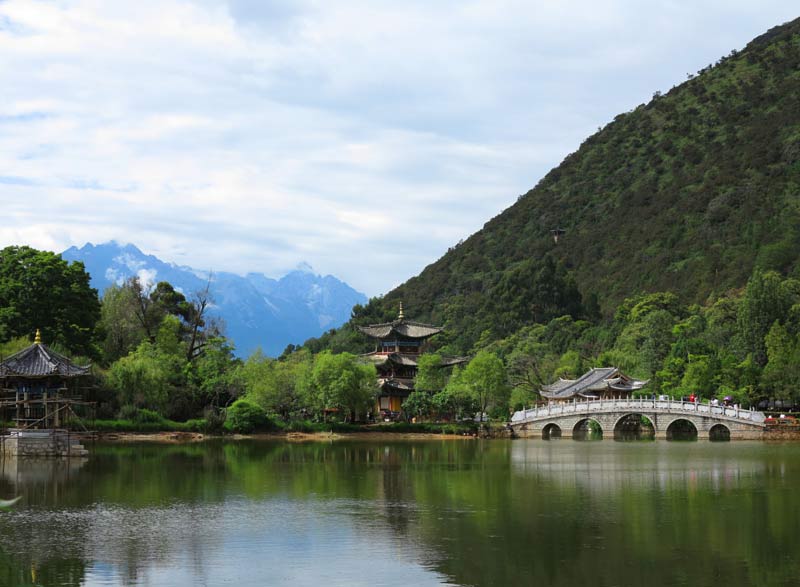
The mountain is clearly visible from Lijiang, roughly 15–25 kilometres from its slopes. On clear days, its white summits stand out against green valleys and dark rocky ridges.
Glaciers and natural environments
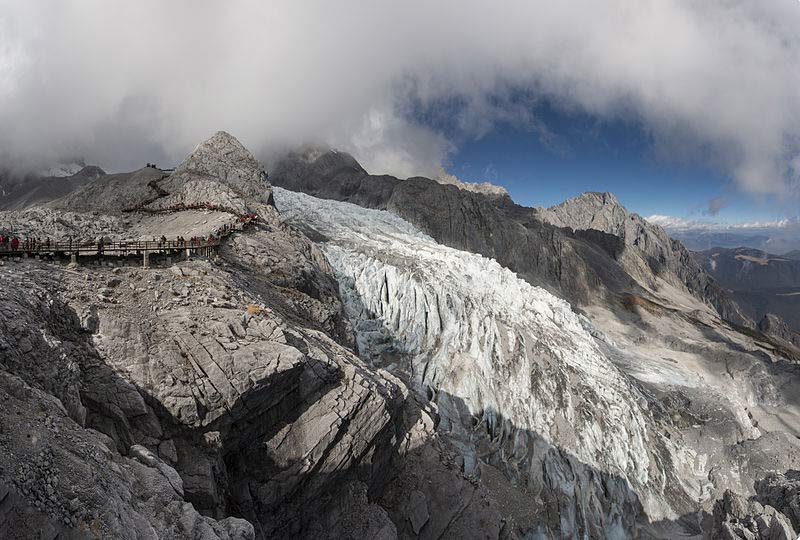
One of the massif's most remarkable features is its glacial scenery, unusual at such a southerly latitude. High elevation and local climate conditions allow snow and ice to persist in the upper mountain. Vegetation changes with altitude: forests give way to alpine meadows, rocky terrain and cold high-mountain environments.
The range of elevations and climates supports diverse plant life, including coniferous forests, mountain shrubs and alpine meadow species. These habitats contribute to the biodiversity of northwestern Yunnan.
Cable cars and viewpoints
Jade Dragon Snow Mountain is a popular tourist destination, with cable cars, viewing platforms and established visitor routes. One of the best-known routes leads to Glacier Park, where a cable car carries visitors to an elevation of around 4,500 metres. From the upper station, visitors may continue along built stairways and boardwalks when weather and physical condition permit.
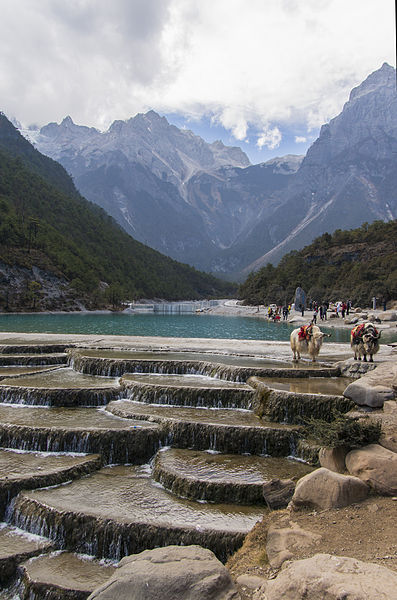
Other popular attractions include Spruce Meadow, a high-altitude forest area with panoramic views, and Blue Moon Valley, known for its turquoise-coloured pools. The colour of the water varies with lighting, mineral content and environmental conditions. These locations offer different perspectives on the mountain landscape without requiring a technical climb.
Cultural significance
The mountain holds an important place in the cultural traditions of the Naxi people, the Indigenous community of Lijiang and the surrounding region. Its distinctive silhouette is a regional symbol, while nearby mountains, forests and waters feature in local traditions and stories. The massif is also an important source of water for valleys and settlements below.
Historic Lijiang Old Town, a UNESCO World Heritage Site, lies near the mountain. Its traditional architecture, canals and stone-paved streets complement the natural scenery. Many travellers visit both attractions during the same trip.
Best time to visit
The mountain can be visited throughout the year, although conditions vary by season. Clear days are common in autumn and winter, offering good views of the snowy summits. In spring, the slopes gradually become greener and flowers appear. Summer brings lush vegetation, but clouds and rain can obscure the peaks.
Before travelling, check cable-car operations and trail conditions, as schedules may change because of weather or maintenance. Temperatures at high elevations are much lower than in Lijiang, so warm clothing is essential even during relatively mild weather.
What to know before visiting
Visitor areas are at high elevations, where ascent may cause breathlessness, headaches, dizziness and other symptoms of altitude sickness. Ascend gradually, avoid strenuous activity and pay attention to how you feel. People with heart or lung conditions should consider seeking medical advice before visiting. If significant symptoms develop, descend to a lower elevation and seek medical assistance.
Jade Dragon Snow Mountain combines striking glacial scenery, rich biodiversity and the cultural heritage of Yunnan. Thanks to its cable cars and developed viewpoints, its landscapes can be enjoyed by ordinary travellers as well as experienced mountaineers.
Gallery