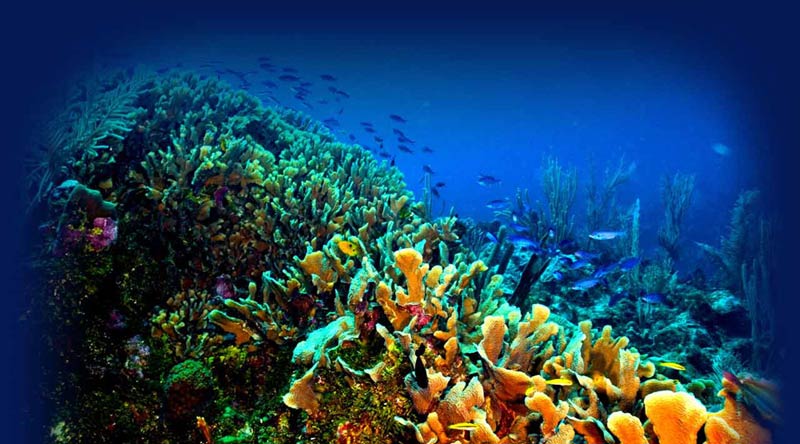
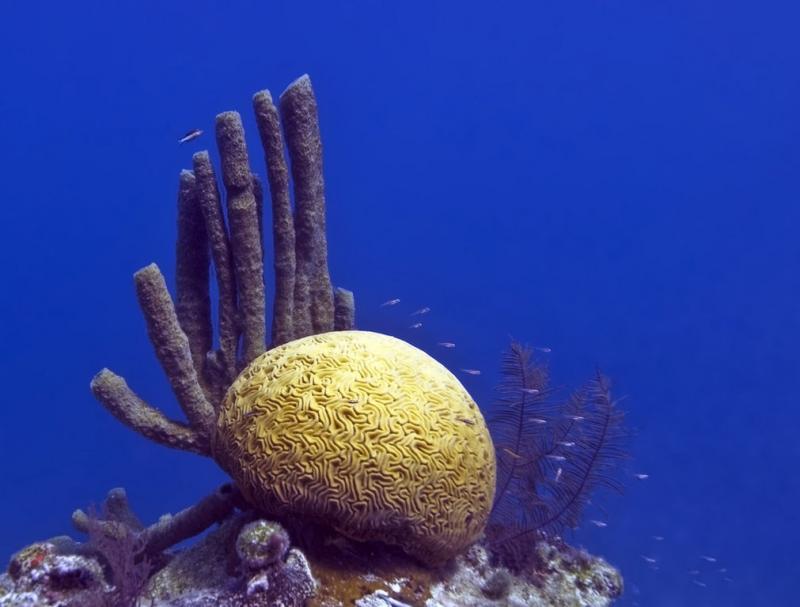
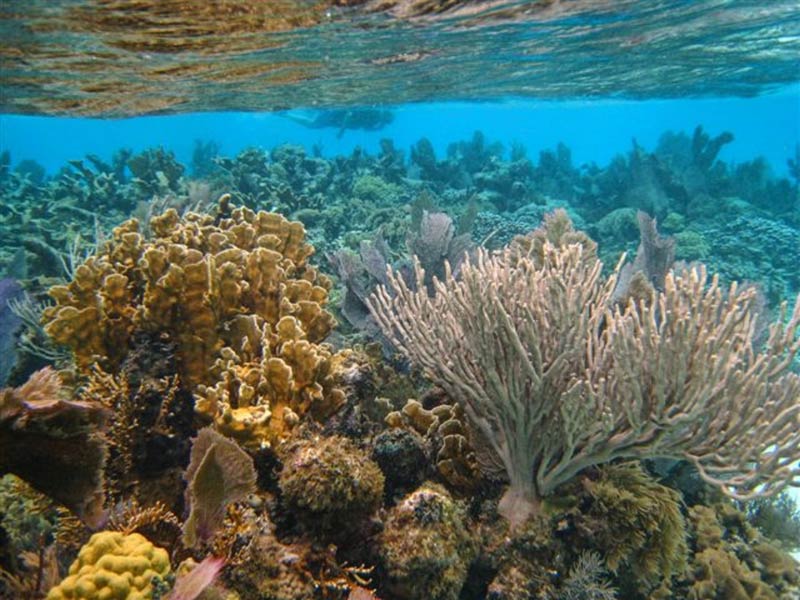
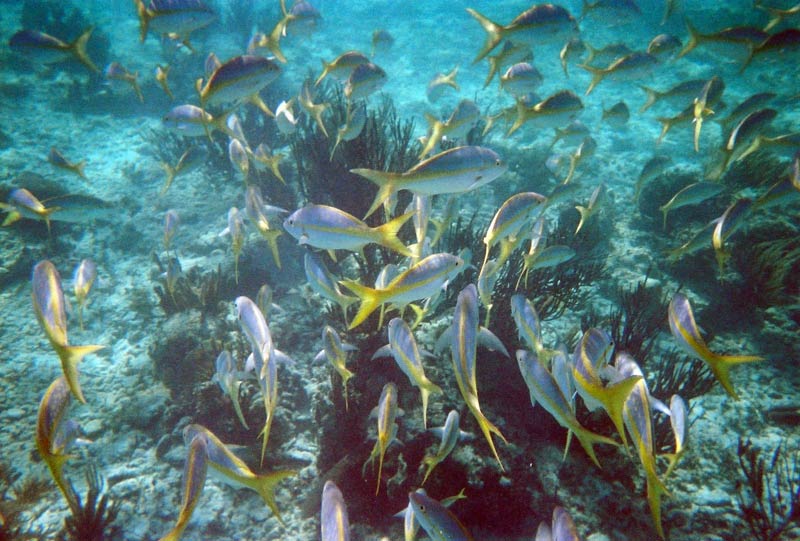
The Belize Barrier Reef is one of the Caribbean's most remarkable marine natural systems. It stretches along the coast of Belize in Central America, creating a complex underwater world of coral reefs, lagoons, small sandy islands and mangrove forests. Visitors are drawn by its clear turquoise water, rich marine life and opportunities for diving and snorkeling.
A Unique Natural System
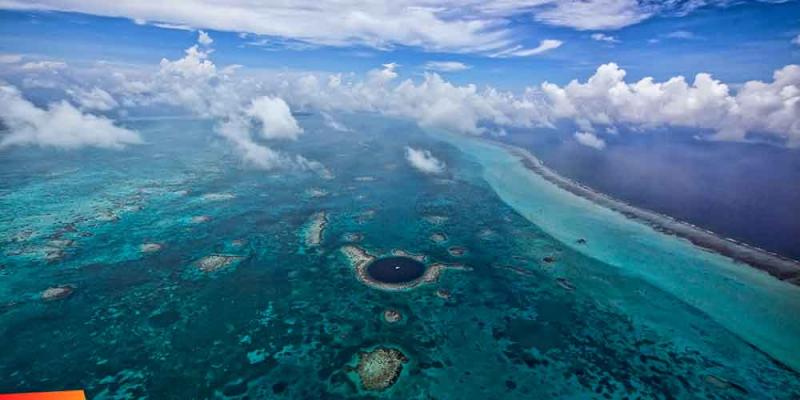
The Belize Barrier Reef is the largest barrier reef system in the Northern Hemisphere and the second largest in the world after Australia's Great Barrier Reef. It forms part of the wider Mesoamerican Barrier Reef System, which extends along the coasts of several countries in the Caribbean region.
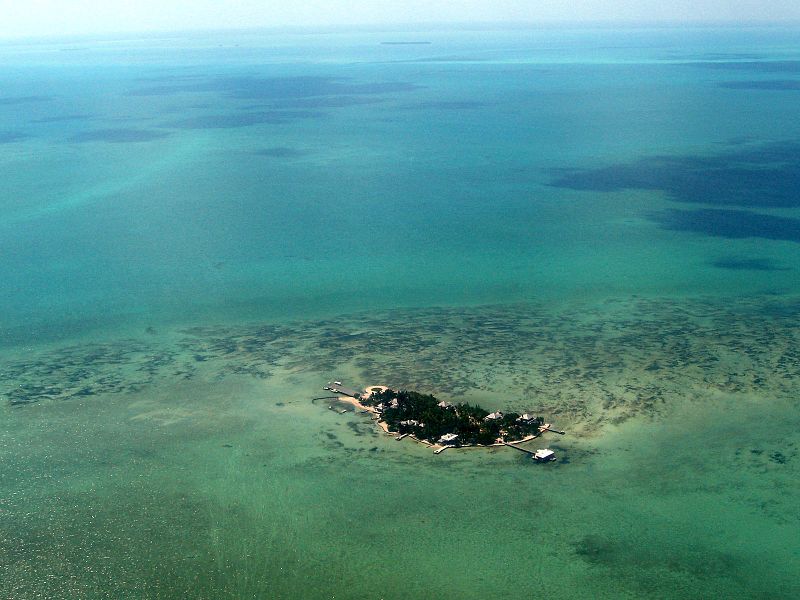
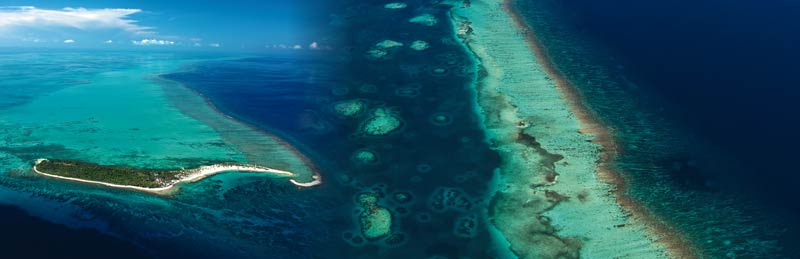
The reef consists of many areas that differ in depth, shape and habitat. Coastal reefs, coral shoals, deep lagoons and remote atolls can all be found here. Hundreds of small islands, known as cayes, lie nearby. Some are covered in white sand, while others support mangrove forests that provide shelter for fish, crustaceans and birds.
The Great Blue Hole
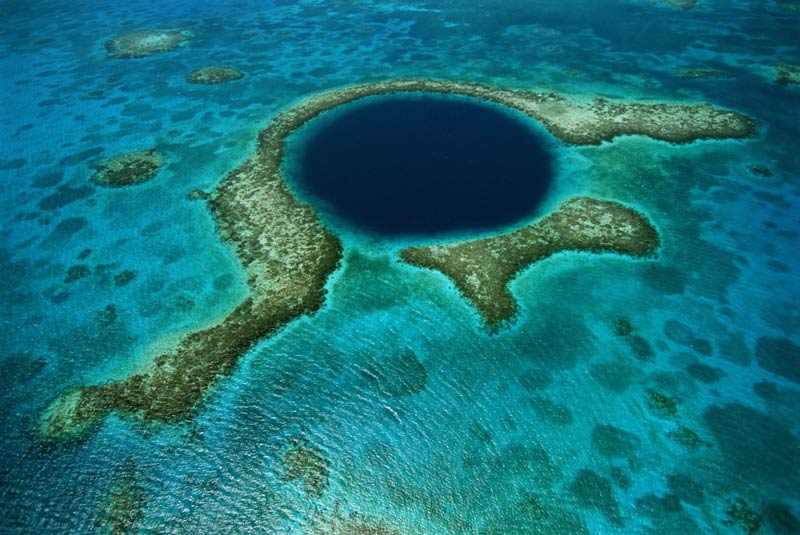
The reef's most famous natural attraction is the Great Blue Hole, located in Lighthouse Reef Atoll. It is an almost circular, dark-blue marine sinkhole surrounded by coral reefs and bright turquoise water. It measures about 300 metres across and reaches a depth of approximately 124 metres.
The Blue Hole formed when sea levels were much lower than they are today. It began as a system of limestone caves that gradually flooded as the ocean rose. Today it is known among experienced divers for its unusual geology and underwater rock formations. Because of its depth, dives require suitable training, equipment and careful attention to safety rules.
Rich Marine Life
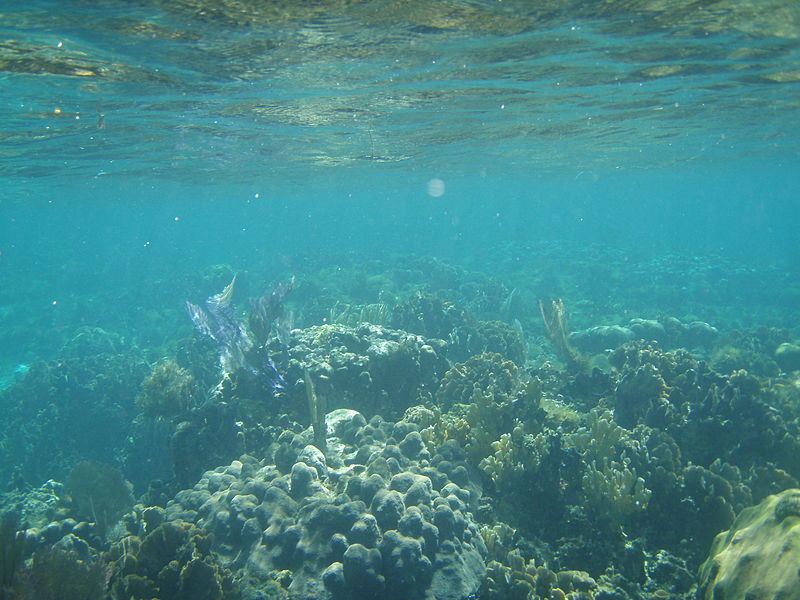
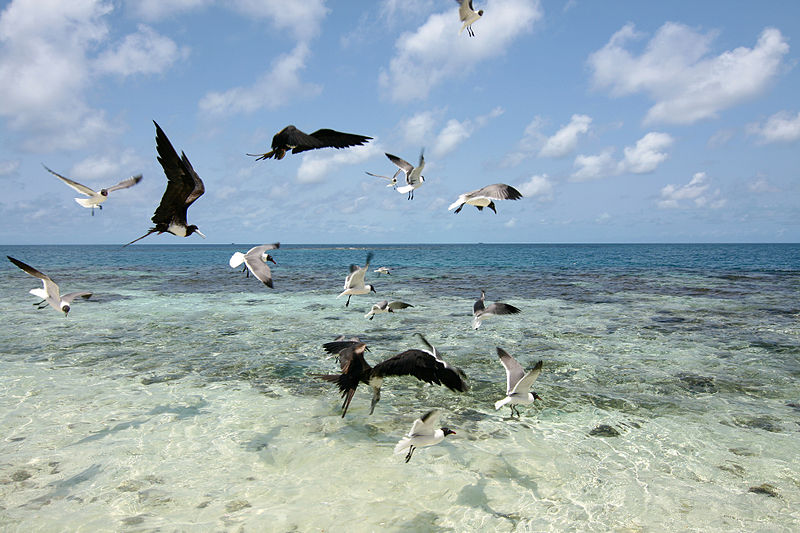
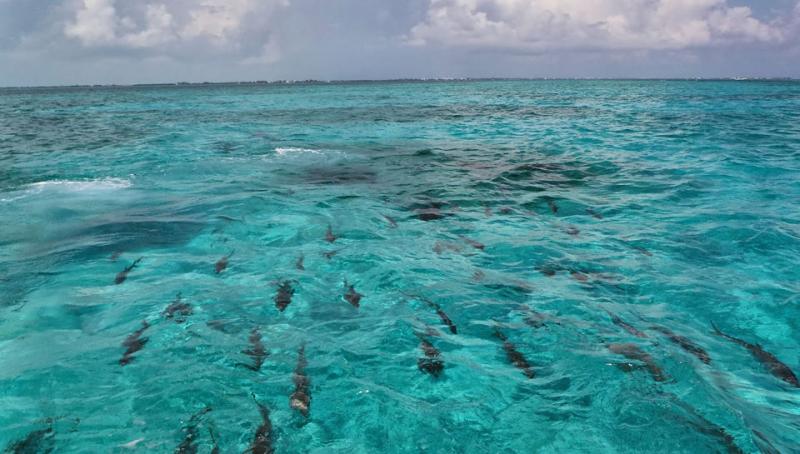
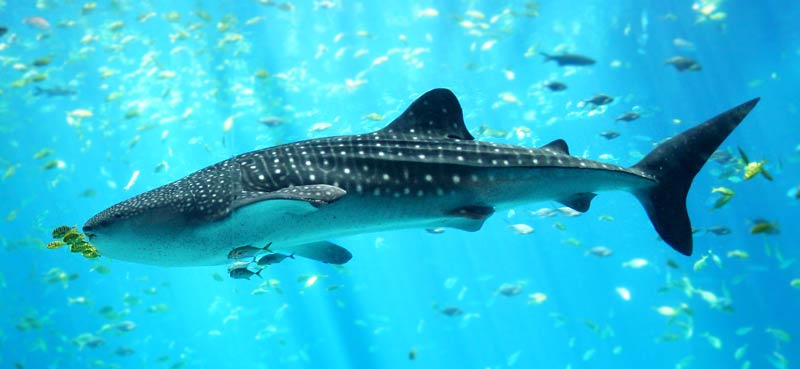
The waters of the Belize Barrier Reef support remarkable biodiversity. Hundreds of fish species live among the corals, alongside sponges, molluscs, crustaceans and many other marine organisms. Parrotfish, butterflyfish, rays and different kinds of sharks can be found around the reef. The ecosystem is also important for sea turtles, manatees and American crocodiles, while islands and mangrove forests provide nesting and resting areas for numerous birds.
Protected Areas
In 1996, the Belize Barrier Reef Reserve System was added to the UNESCO World Heritage List. The property includes seven protected areas, among them marine reserves, national parks and natural monuments. Together, they represent different types of reefs and coastal ecosystems.
Notable sites include Glover's Reef Marine Reserve, Half Moon Caye Natural Monument and the Great Blue Hole Natural Monument. Each area has its own underwater landscapes and marine habitats. The protected network helps conserve important places for feeding, breeding and migration.
Diving and Snorkeling
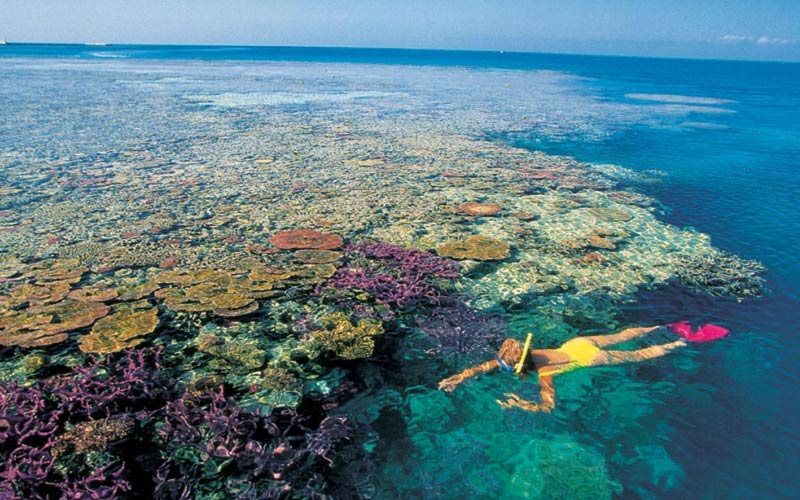
The Belize Barrier Reef is considered one of the Caribbean's best destinations for exploring the underwater world. Many reef areas are suitable for snorkeling, allowing visitors with a mask and snorkel to see corals and colourful tropical fish in shallow water. Scuba diving offers access to deeper areas, underwater walls and dramatic coral formations.
Popular starting points for marine excursions include Ambergris Caye and Caye Caulker. Trips from these islands visit nearby reefs and, on longer excursions, remote atolls. Routes depend on weather, sea conditions and the experience of participants.
For a safe and responsible visit, choose licensed operators, follow guides' instructions and never touch corals. Even minor damage can harm colonies that have taken many years to grow. Avoid feeding marine animals, chasing turtles or leaving rubbish in the water.
Threats and Conservation
Despite its natural value, the Belize Barrier Reef faces serious threats. Rising ocean temperatures cause coral bleaching, while ocean acidification makes it harder for corals to build their limestone skeletons. Strong storms, pollution, overfishing and poorly managed coastal development also affect the ecosystem.
In 2009, the site was placed on the List of World Heritage in Danger. It was removed from the list in 2018 after measures were taken to improve protection. This was an important achievement, but it did not mean that every environmental problem had disappeared. Conserving the reef requires ongoing monitoring, scientific research and cooperation between government, local communities and the tourism industry.
When to Visit
The Belize Barrier Reef can be visited throughout the year. The drier season generally runs from late November to May, when conditions for marine excursions are often favourable. Rainfall and tropical storm risks are higher from June to November, although weather varies from year to year.
Before travelling, check the forecast and local sea conditions. Divers should follow the advice of local instructors and avoid going out when conditions are unsafe.
Why Visit the Belize Barrier Reef?
The Belize Barrier Reef combines extraordinary natural landscapes, rich marine life and outstanding opportunities for underwater adventures. Coral gardens, mangrove islands, clear lagoons and the Great Blue Hole make it one of Central America's most recognisable natural treasures.
This is more than a place for a seaside holiday: it is a complex ecosystem that supports many animal species and contributes to the livelihoods of coastal communities. Responsible tourism allows visitors to discover this remarkable world while helping preserve it for future generations.
Gallery