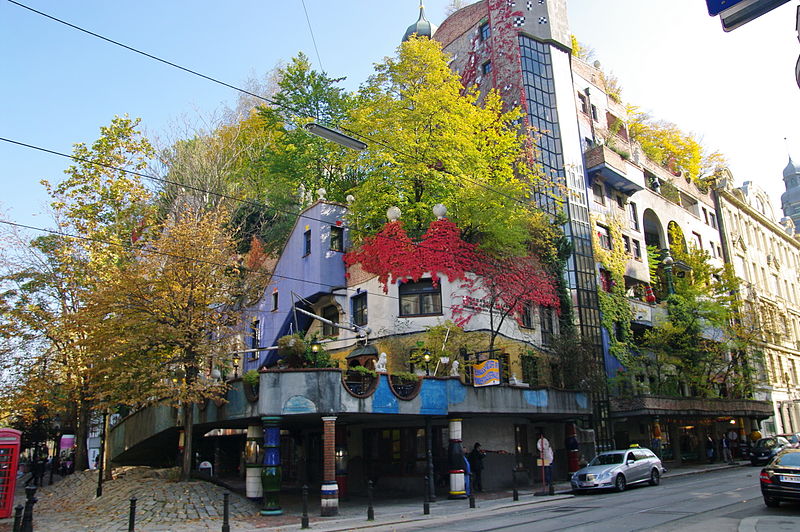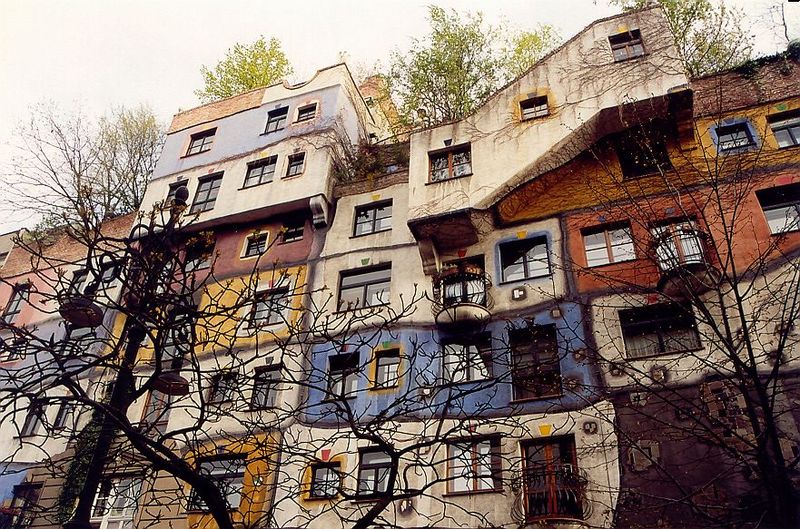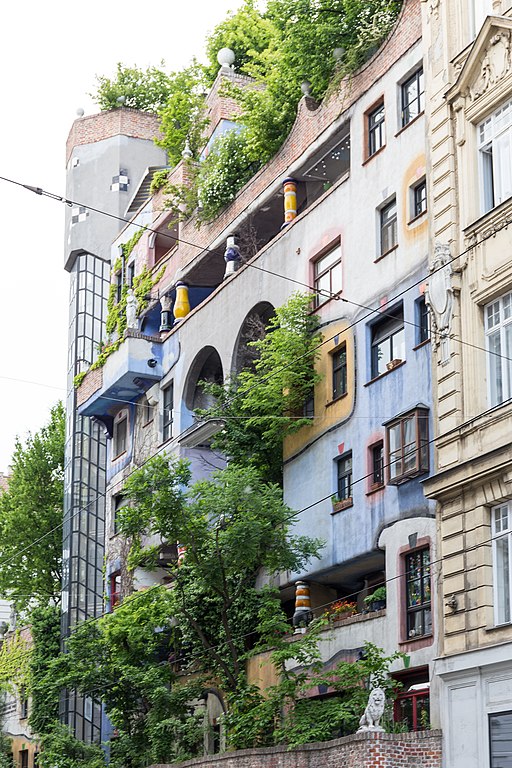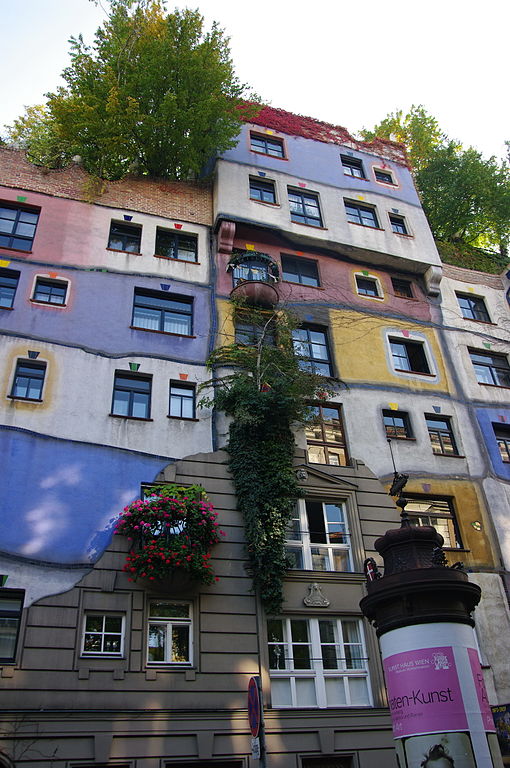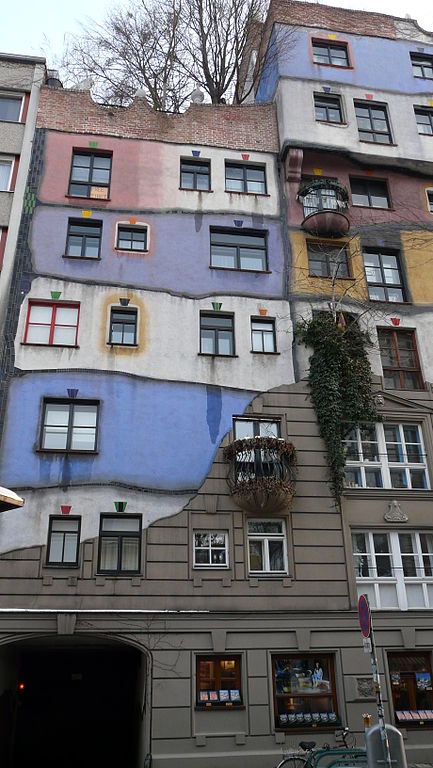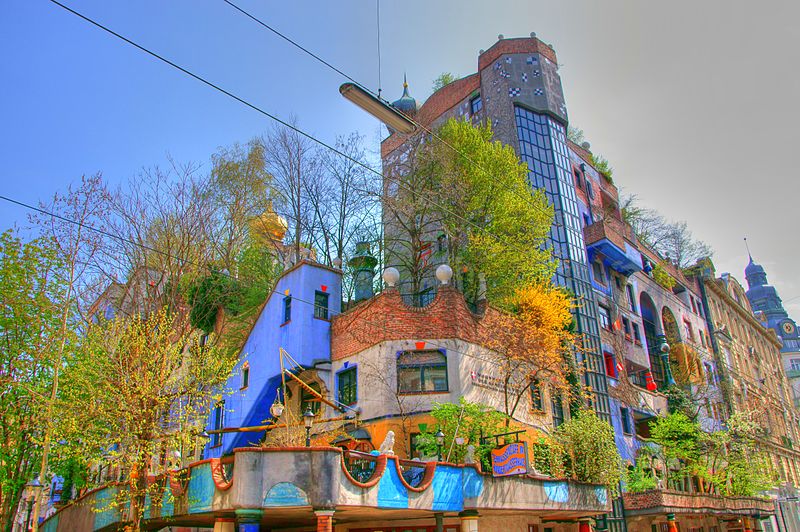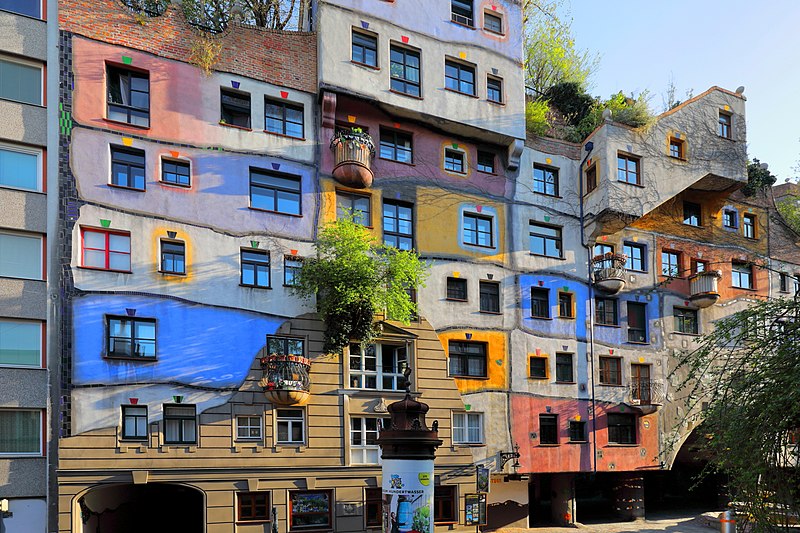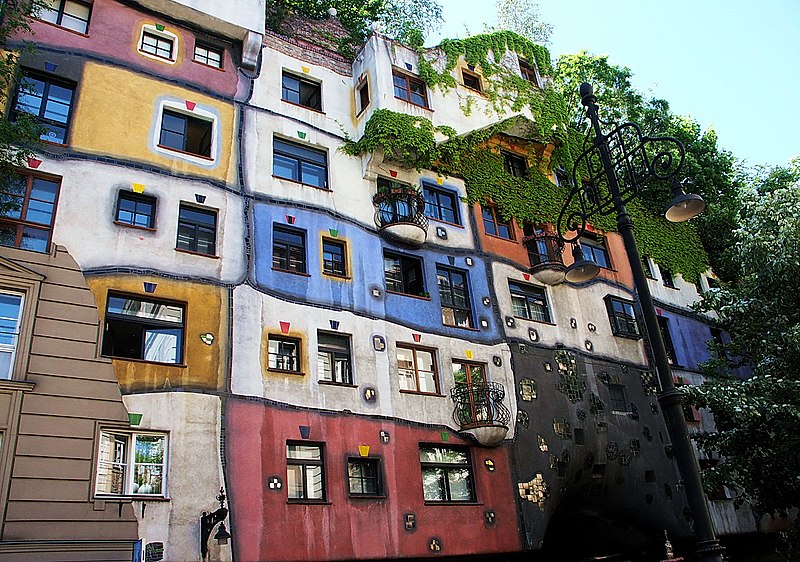

Every guest of the Austrian capital should take a look at the amazing architectural structure – the Hundertwasser house. The building is located in the center of Vienna at the intersection of Kegelgasse and Landstrabe streets.
Appearance
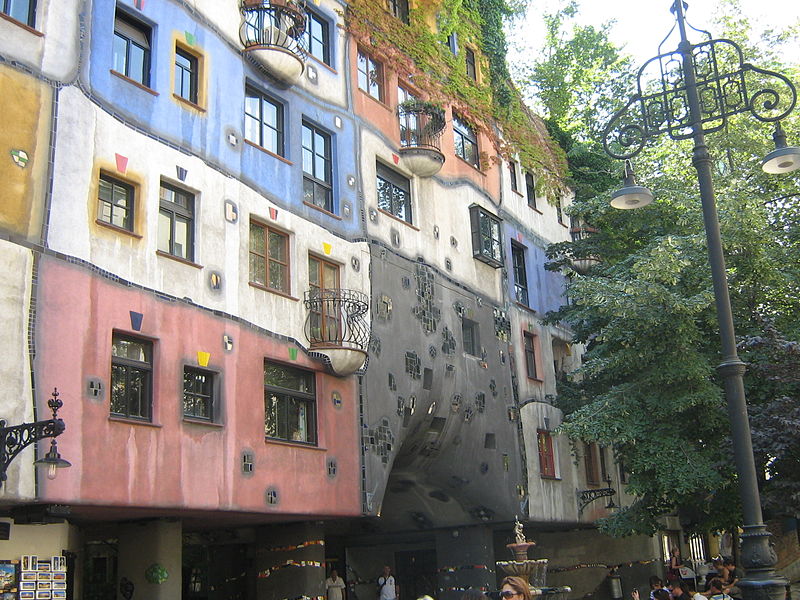
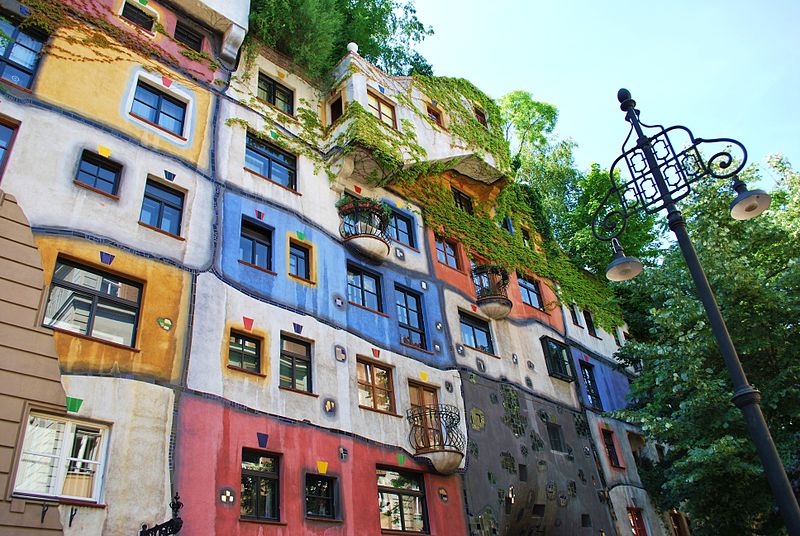
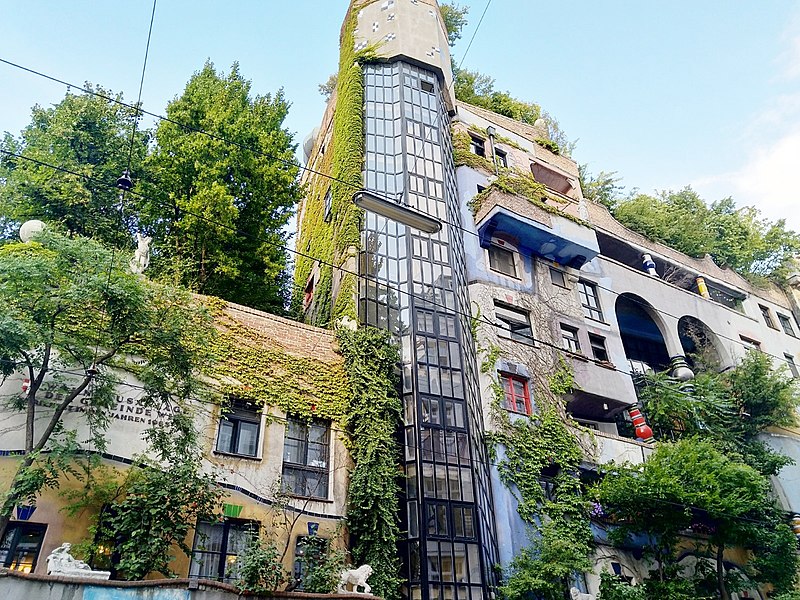
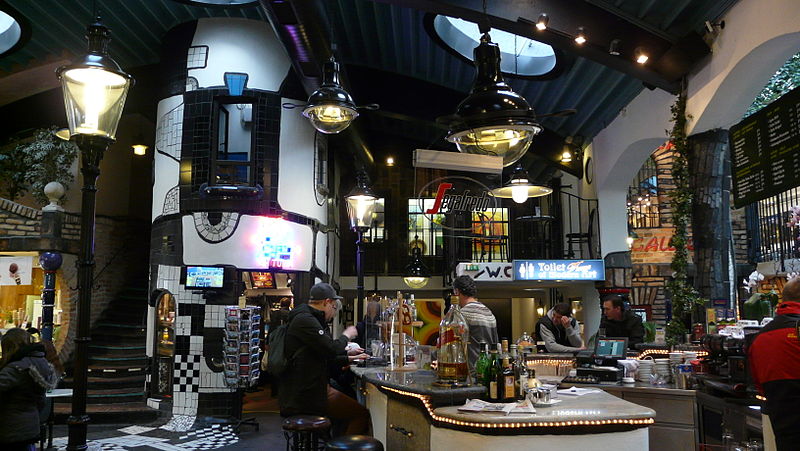
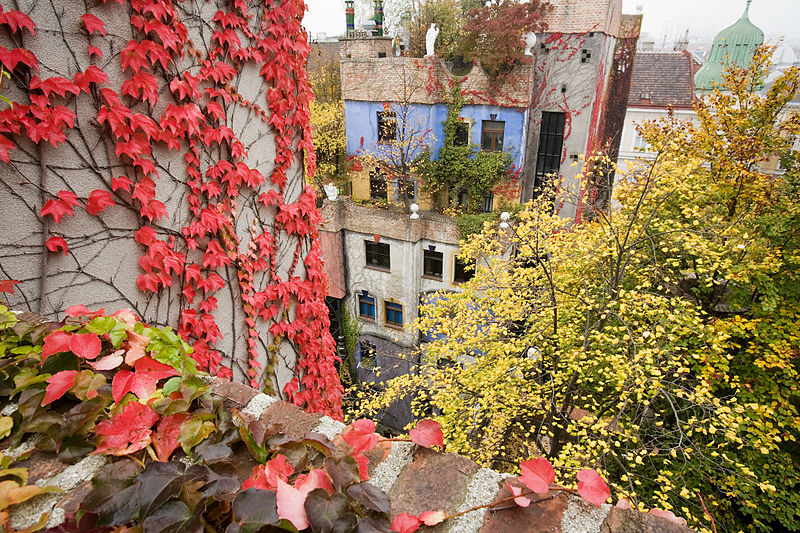
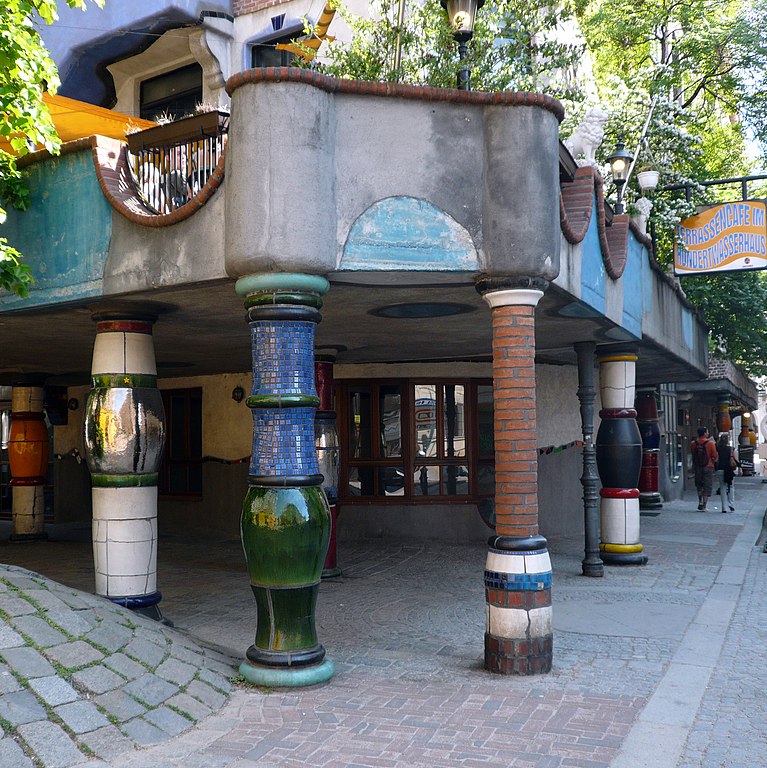
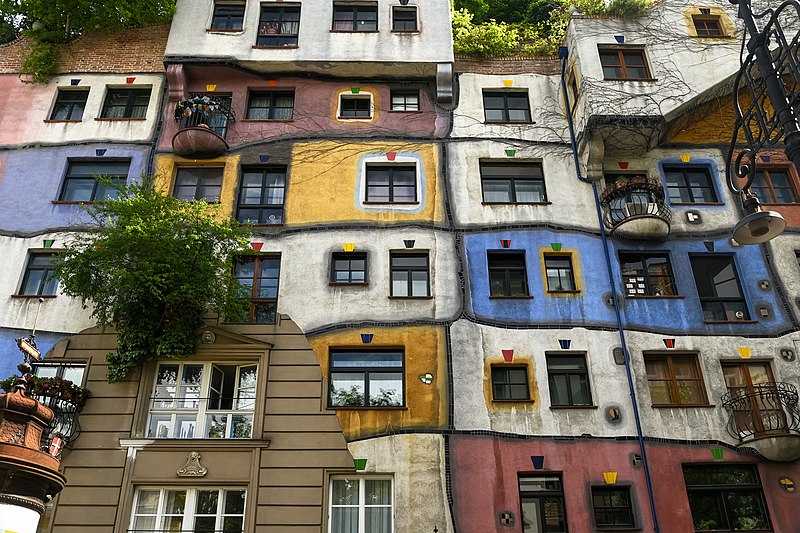
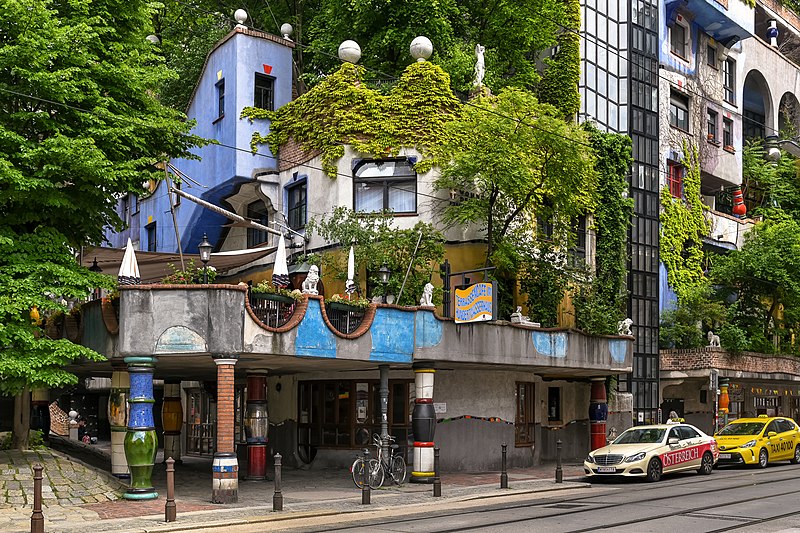
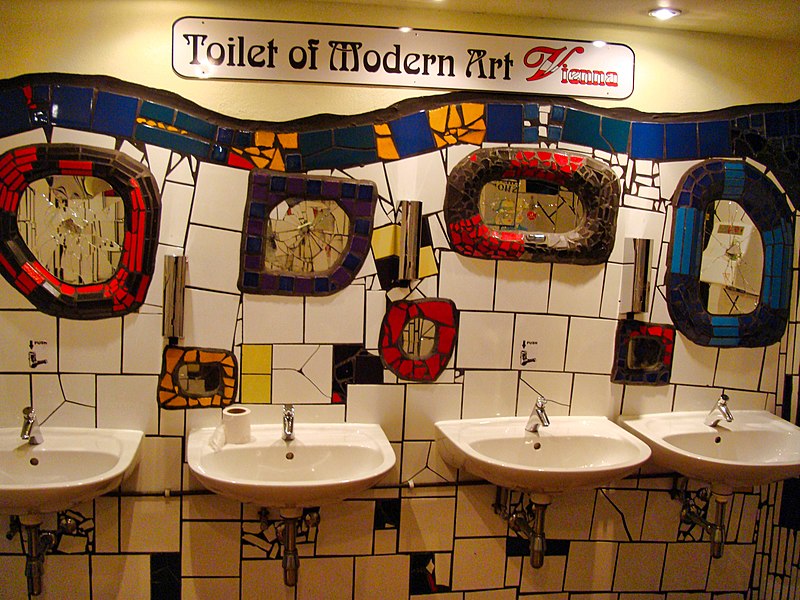
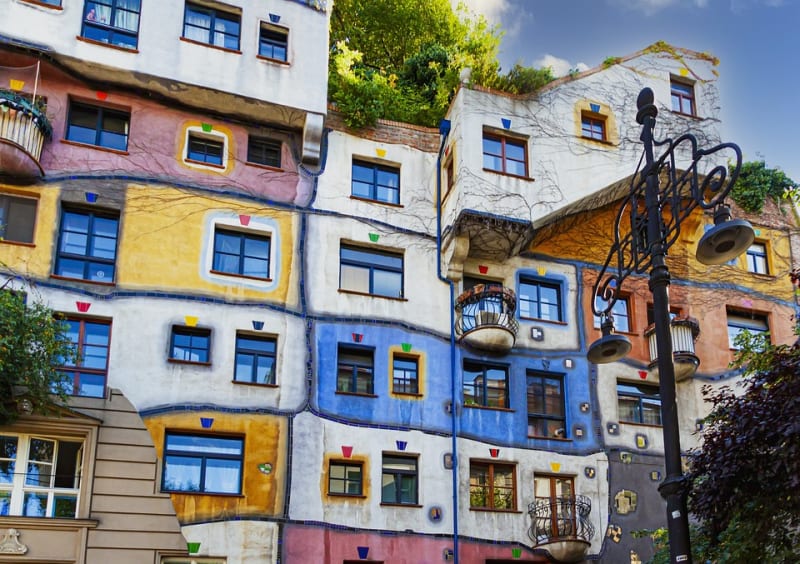
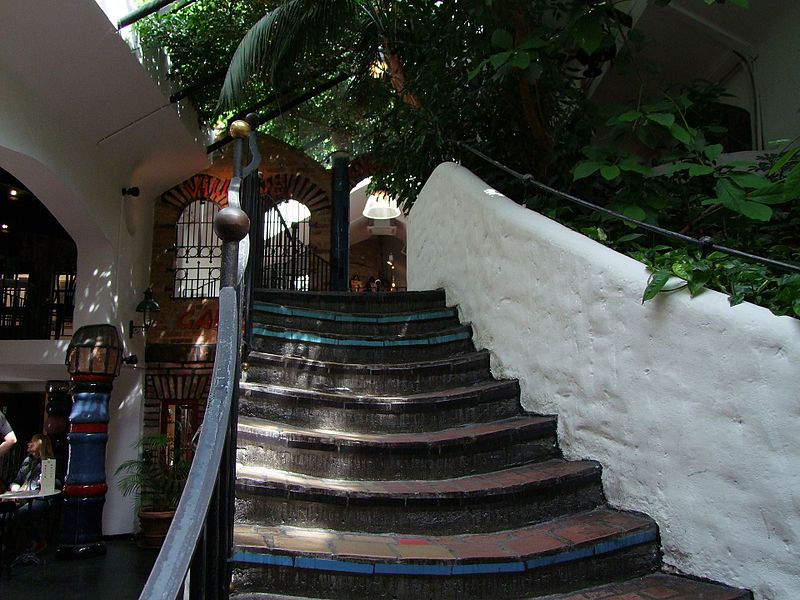
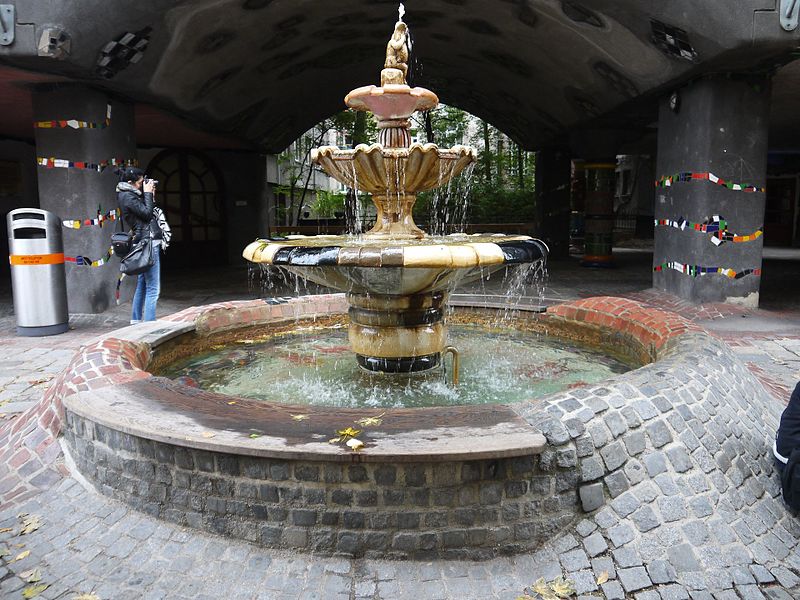
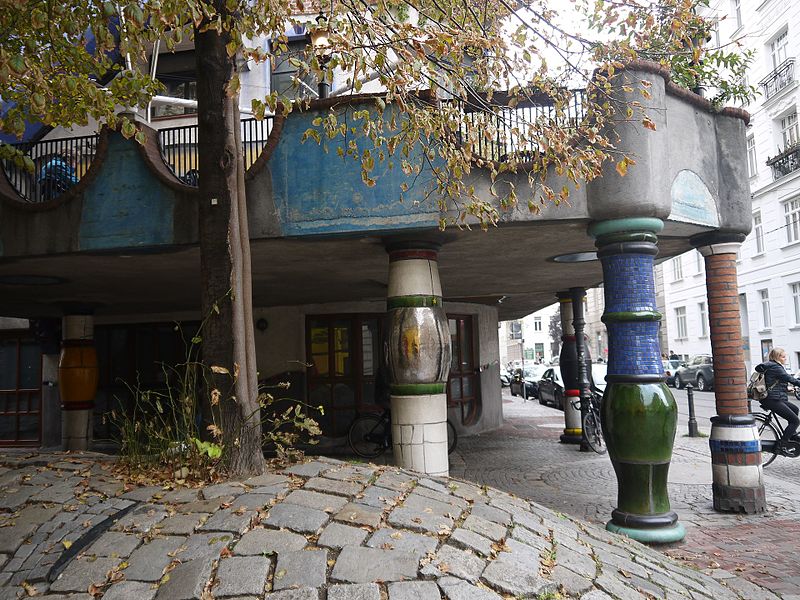
The house, brightly painted in all the colors of the rainbow, is covered by an uneven "hilly" roof, which is also covered by a whole park of trees and bushes. Dense vegetation is also present in the alcove rooms and in the staircases open to the eye. The facade of the building is covered with a network of vines and shrubs. The main architectural feature is the absence of straight lines, rounded corners, windows of various shapes and sizes, uneven floors and staircases, handprints of builders on the walls of the house.
The purpose of the house
The most amazing thing is that the house is residential, there are 50 apartments with an area of 30 to 150 square meters, where about 200 residents live. In addition to apartments, the house has a cafe, a doctor's office, playrooms for children, a winter garden, and several private and public terraces.
The artist's concept
It is also surprising that the house is named after the artist Hundertwasser, and not the architect who built it. The artist's originality was already evident in his name, which he changed more than once. The young man went to universities many times and then dropped out, could wear different socks on purpose, adored everything grotesque and bright. Perhaps, in this way, the boy with Jewish roots wanted to leave behind his horrified military childhood in the territory occupied by the Nazis. He was interested in architecture from an early age, although he was not an architect and did not understand construction. The artist hated right angles and straight lines. A straight line, according to Hundertwasser, is not found in nature, which means it should not dominate architecture. It destroys a person, creates an unfriendly, constantly irritating environment. A person should have as little impact on nature as possible, and in the houses built by him it is necessary to find a place for specimens of the plant world. Among the architectural ideas of the artist are "forests on roofs", "tenant trees", "the right to a window".
Construction history
In 1977, the mayor of Vienna, Leopold Graz, invited Hundertswasser to design an apartment building in accordance with his views. I had to look for a suitable piece of land for some time. Then an architect was needed who could bring the artist's ideas to life.
Years of searching for a suitable land plot followed. Since Hundertwasser was not an architect, he asked the Vienna city authorities to provide him with a specialist who would be ready to bring his concept to life. Architect Josef Kravina could hardly imagine how this could be done, as he was used to working in a linear architecture system. On this basis, the most acute conflicts arose between the artist and the architect. It was only in 1980 that Kravina created a house project that was radically different from the generally accepted building codes, which satisfied Hundertwasser. However, further disputes continued over the design of the facades, and the artist and the architect stopped cooperating. Another architect was already completing the construction of the famous house. Well, the building is called the Hundertwasser house.
Gallery