The Sydney Opera House is one of the world's most recognizable architectural landmarks and a defining symbol of modern Australia. Its white roof shells resemble sails, seashells or opening petals rising above Sydney Harbour. The building stands on Bennelong Point, close to the Sydney Harbour Bridge and the Royal Botanic Garden. Its distinctive silhouette has become one of the best-known sights in the Southern Hemisphere.
The Opera House is not just an architectural icon but also a working performing arts centre. It hosts opera, concerts, theatre, ballet and other cultural events. In 2007, it was inscribed on the UNESCO World Heritage List as an outstanding work of twentieth-century architecture.
The history of the site
The headland where the Opera House stands has significance that predates modern Sydney. Known by the traditional name Tubowgule, the area is associated with the Gadigal people, part of the Eora peoples and the traditional custodians of the Sydney Harbour region. The place was used for gatherings, ceremonies, social activities and obtaining food. The history of the Opera House is therefore connected not only with twentieth-century architecture but also with the much older history of Australia's First Peoples.
After the British settlement was established in 1788, the headland changed its function over time. Commercial and transport facilities occupied the area, and railway infrastructure was later established there. During the twentieth century, the site was selected for a major cultural complex intended to strengthen Sydney's international artistic profile.
The design competition and Jørn Utzon
An international architectural competition was announced in 1956 for a new performing arts complex in Sydney. The winning design was submitted by Danish architect Jørn Utzon. His proposal stood apart from conventional theatre buildings, with dramatic curved roof shells intended to connect the structure with the surrounding harbour landscape.
Construction began in 1959. The unusual geometry of the roof required innovative engineering, and the project encountered technical challenges, delays and rising costs. In 1966, Utzon left the project following serious disagreements with the client and government. An Australian team, with Peter Hall playing an important role, took over the completion of the interiors. Despite the controversy, Utzon's original concept remained the foundation of the building's distinctive appearance.
The opening of the Opera House
The Sydney Opera House was officially opened on 20 October 1973 by Queen Elizabeth II. Construction had taken about fourteen years. The completed complex transformed the city's waterfront and strengthened Sydney's cultural reputation. Today, it remains an active arts venue, hosting performances, concerts and educational programs throughout the year.
The famous sail-like roofs
The building's defining feature is its series of large curved shells, which resemble sails, shells or petals. They are arranged in groups above a massive platform surrounded by terraces. The white surfaces contrast with the blue harbour and change in appearance with the weather and time of day.
The roof geometry was one of the project's greatest engineering challenges. A geometric approach based on sections of a sphere helped create a coordinated system of structural elements and made the construction of the complex shells possible. The roofs are covered with more than a million ceramic tiles, mainly in white and cream tones. Their different finishes reflect sunlight in subtle ways.
Interior spaces and performance venues
Behind the distinctive exterior lies a complex cultural facility containing performance venues, rehearsal rooms, technical areas, administrative spaces and visitor services. The Concert Hall is a major venue for orchestras, solo musicians and other performers. Other spaces accommodate opera, theatre, dance, chamber music and contemporary productions.
The program changes throughout the year and includes classical and modern music, ballet, drama, festivals and events for children. Even without a performance ticket, visitors can walk through public areas around the building, enjoy harbour views and visit accessible cafes and restaurants. Access to some interiors may be restricted to guided tours or ticket holders.
UNESCO World Heritage
In 2007, the Sydney Opera House was added to the UNESCO World Heritage List. UNESCO recognized its architectural design, engineering achievements and lasting influence on modern architecture. It is an outstanding example of a twentieth-century building recognized internationally not long after its completion.
The building's importance lies not only in its striking appearance. It demonstrates how an artistic concept can inspire new technical solutions and bring architects, engineers, builders and performance specialists together. The Opera House continues to serve its original purpose as a living cultural venue.
Regular maintenance and conservation work protect its architectural and historical significance. Modernization must take into account Utzon's original vision, the character of the materials and the needs of a contemporary performing arts centre.
Best photography locations
The forecourt. The public area in front of the building offers close views of the roof shells, Sydney Harbour and passing boats.
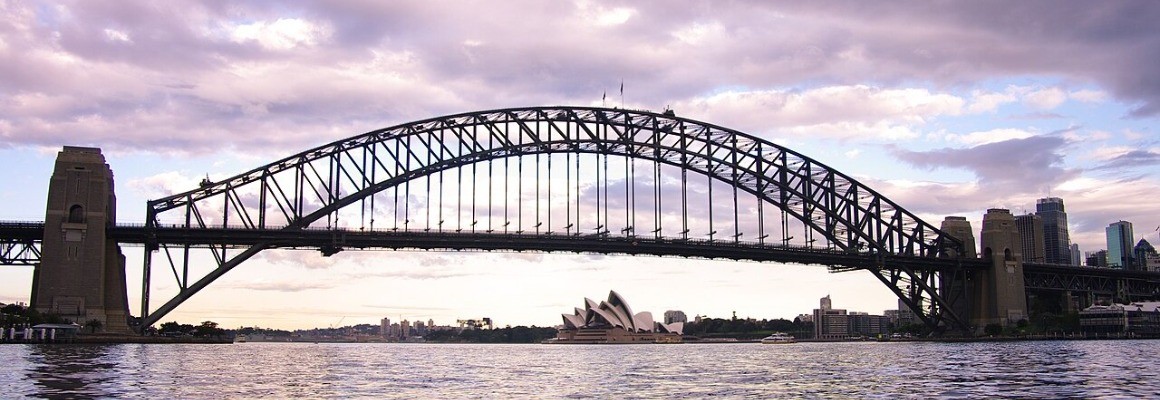
Sydney Harbour Bridge. From nearby waterfront viewpoints, visitors can capture one of Sydney's most recognizable panoramas, with the Opera House's curved roofs contrasting with the bridge's steel arches.
Royal Botanic Garden. The garden paths provide views of the Opera House against the water and the city skyline. Some locations are particularly suitable for wide panoramic photographs.
Sydney Harbour from the water. A ferry trip offers a different perspective and shows how the building interacts with the shoreline and surrounding architecture.
Circular Quay. This transport and waterfront district is close to the Opera House and offers views of the building, bridge and harbour.
When to visit
The Opera House can be visited throughout the year. Spring and autumn often bring comfortable conditions for longer walks along the waterfront and through the botanic garden. Summer offers plenty of outdoor opportunities, although the sun can be strong. Mornings can be convenient for photography, while the building looks especially striking in the evening against the harbour lights. Check the program and book tickets in advance if you plan to attend a performance.
How to get there
The Opera House stands on Bennelong Point in central Sydney. The nearest major transport hub is Circular Quay, served by trains, buses and ferries. From there, the building can be reached on foot along the waterfront. Arriving by ferry combines the journey with views of the harbour.
Public transport is convenient from other parts of Sydney. If travelling by car, remember that parking in the central area is limited and check available options in advance.
Nearby attractions
Sydney Harbour Bridge. The famous steel bridge connects areas on both sides of the harbour and offers notable viewpoints.
Royal Botanic Garden. This large green space next to the Opera House features walking paths, plant collections and panoramic harbour views.
Circular Quay. A waterfront district with ferry terminals, cafes and convenient public transport connections.
The Rocks. One of Sydney's oldest districts, known for historic buildings, small streets, museums, markets and restaurants.
Visitor tips
To explore the interior, consider an official guided tour. Tours can explain the design, construction challenges, performance spaces and history of the venue. Available routes, duration and languages depend on the schedule. If attending a show, check the specific venue and starting time. A performance ticket is not required to enjoy the exterior public areas, although access to certain sections may be restricted during events.
The Sydney Opera House combines daring architecture, engineering innovation and a vibrant cultural life. Its roof shells have become a symbol of Sydney, while the building continues to welcome performers and audiences from around the world.
Gallery