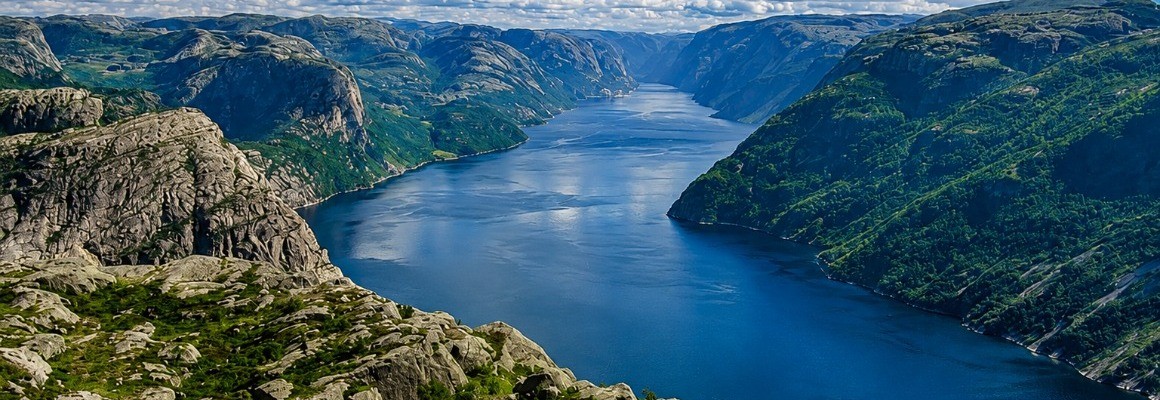
Preikestolen, also known as Pulpit Rock, is one of Norway’s most famous natural landmarks. This dramatic rock plateau rises 604 metres above Lysefjord, offering spectacular views of deep water, steep mountain slopes and the rugged scenery of western Norway. Its Norwegian name means “the preacher’s pulpit,” a reference to the distinctive shape of the cliff.
The site attracts travellers because of its unusual geology and the opportunity to reach the viewpoint on foot. The trail crosses forests, rocky terrain, wet areas and mountain slopes. The hike requires a reasonable level of fitness, but in suitable conditions it is achievable for many visitors who are comfortable walking several kilometres.
How Preikestolen Was Formed
The flat summit developed through natural processes associated with the last Ice Age. Water entered cracks in the bedrock, froze and expanded, gradually breaking away sections of rock. Over time, this helped create a nearly square plateau measuring approximately 25 by 25 metres.
The platform stands about 604 metres above Lysefjord and provides one of the region’s most remarkable viewpoints. There are no high protective barriers along the edge, so visitors should remain cautious and avoid approaching the cliff edge unnecessarily.
History and Growing Popularity
Local people once knew the formation by the name Hyvlatånnå, associated with the blade of a woodworking plane. During the late nineteenth century, the unusual cliff began attracting the attention of travellers. According to a commonly told story, the name Preikestolen became established after a steamboat captain compared the rock to a preacher’s pulpit.
Since the early twentieth century, Preikestolen has developed into a popular hiking destination. Today, visitors from around the world come to admire Lysefjord from above and photograph one of Norway’s most recognisable landscapes.
The Hike to the Top
The classic route begins at the car park near Preikestolen Basecamp. The round trip is approximately 8 kilometres and usually takes around 4–5 hours. The trail passes through varied terrain, including woodland, wet ground, rocky surfaces, steep sections and stone steps built to make parts of the ascent easier.
There are places along the route to rest, take photographs and enjoy the surrounding nature. As hikers approach the destination, the forest gives way to more open mountain scenery, and glimpses of Lysefjord appear between the slopes. At the top, a broad rock platform offers views of the winding shoreline, cliffs and distant peaks.
Best Time to Visit
Spring, summer and early autumn are the most popular seasons for the hike. Conditions are generally more favourable from May to October, although mountain weather can change quickly. Summer brings longer daylight hours, while June and July are particularly busy.
To avoid the largest crowds, start early and check the weather forecast before setting out. The route is also visited in winter, but snow, ice, short days and strong winds make the journey more challenging. During the colder months, travelling with an experienced local guide is recommended.
How to Get to Preikestolen
The nearest major city is Stavanger. From there, the drive to the trailhead car park takes approximately 40 minutes, depending on traffic and road conditions. Seasonal buses and organised excursions are also available. Public transport schedules vary throughout the year, so check connections before travelling.
Another way to admire the landmark is to take a boat trip on Lysefjord. From the water, visitors can see the towering cliff from below without completing the hike.
Practical Hiking Tips
Bring sturdy hiking boots with good grip, weather-appropriate clothing, drinking water and food. Even in summer, the summit can be cold and windy. Before leaving, check the forecast, trail conditions and daylight hours, and allow enough time for the return journey.
Avoid approaching the cliff edge for photographs. Rock surfaces can become slippery after rain, and strong gusts can be hazardous. Follow trail signs and choose the hike according to your fitness and experience.
Why Visit Preikestolen
Preikestolen offers a remarkable way to experience the landscape of Norway’s fjords. Dramatic geology, expansive mountain scenery and a sheer drop above the water combine to create an unforgettable viewpoint. The hike itself is part of the experience, gradually revealing the surrounding landscape along the way.
A visit can be combined with a trip around the Ryfylke region, time in Stavanger or a cruise on Lysefjord. Preikestolen is an excellent destination for nature lovers, hikers and photographers, provided they prepare carefully and respect mountain safety.
Gallery