

Japan Week: Tokyo — Kyoto — Osaka
7 days to explore the Land of the Rising Sun. A combination of a modern metropolis and ancient culture. Special attention is paid to the local cuisine.
🗓 2026-09-25 — 2026-10-01

3 days
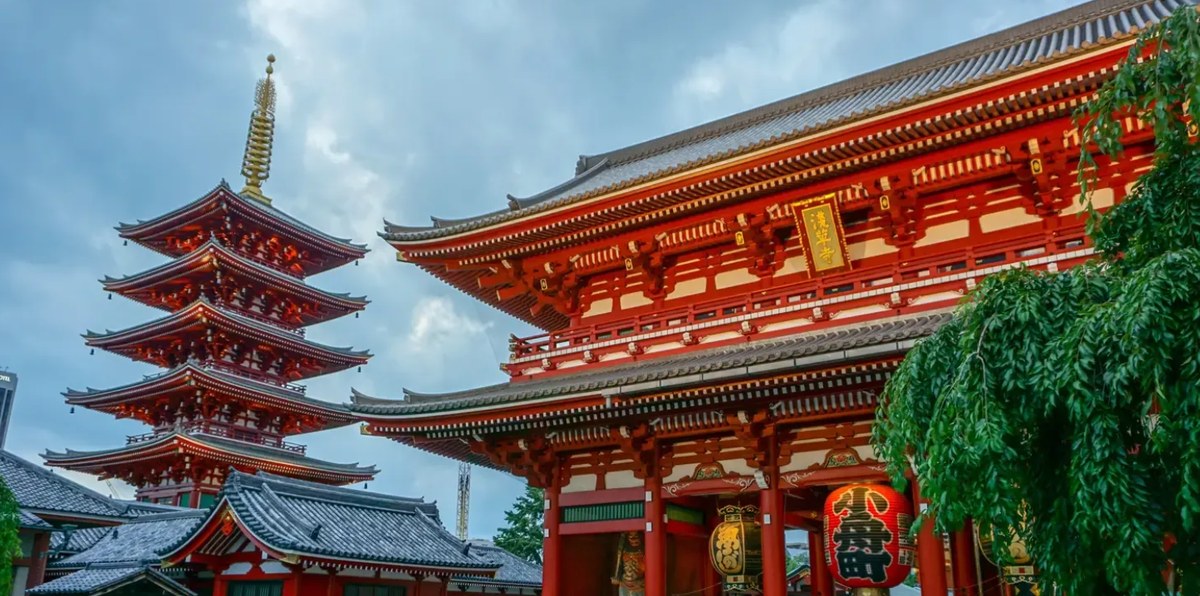
Tokyo – the first acquaintance with Japan
When I first started planning a week in Japan, I had a pretty simple idea: to see Tokyo, go to Kyoto, visit Osaka, and return home with the feeling that I understood this country at least a little. Of course, the naivety was enormous, because Japan doesn't just end in one week – it manages to change your idea of what an ordinary traveler's day should look like several times. As a result, my itinerary turned out to be quite dense, but it was thanks to this that I managed to see three completely different faces of Japan and understand why some tourists say after the first trip that a week was enough for them, while others are already at the airport starting to plan the next one. I arrived in Tokyo with the feeling that everything around me is familiar from photographs, movies, and the Internet, but in reality, my brain still refuses to accept what is happening. Shinjuku Skyscrapers, Tokyo Huge intersections, high-rise buildings, small alleys, vending machines, shops, endless signs, and people walking very confidently while you're standing with your phone and trying to figure out why the navigator suggests you go through three underpasses. For the first few hours, I generally felt like a person who was accidentally dropped off in a very well-organized future. Akagi-jinja At the same time, ancient customs have been preserved in this country, and when visiting temples, it feels like I've been transported back in time. I respect Eastern philosophy, so I decided to visit the modern Shinto shrine in Tokyo Akagi-jinja. That's right, you can read about the sacred space for a long time, but it's difficult to describe a visit to the sacred space. In short, it was as if he had put his thoughts in order. Shibuya Station I decided not to turn it into a marathon of sightseeing and just walked around the city, because after the flight, my body still did not fully understand which part of the world it was in. I started in the Shibuya area, looked at the famous intersection, walked around the streets for a while, and then just walked wherever my eyes looked, which turned out to be quite a pleasant activity in Tokyo. However, after a while I realized that "going anywhere" in a city of this size is a great way to accidentally discover yourself in a completely different area and discover at the same time that for some reason it has already been forty minutes to walk back. Marunouchi Square on the west side of the railway station building On the second day, I already felt a little more confident and decided to test Tokyo public transport in practice. I studied the main routes in advance, installed the necessary applications, and even convinced myself that everything was under control now, but Japan quickly reminded me that a tourist's confidence lives until about the first major train station. At the station, I moved from one level to another for a while, looked at the signs in Japanese and English and pretended that I understood perfectly where I needed to go, although an inner voice quite convincingly suggested that I just take any train and see what happens. In Tokyo, I especially liked how naturally completely different things coexist here. You can find yourself among huge modern buildings in the morning, then turn into a quiet street where there is almost no one, and ten minutes later you can stand near a small temple and observe a completely different atmosphere. These are the moments I remember the most, because Tokyo turned out to be not so much a collection of individual attractions, but a huge city that is constantly changing right in front of your eyes.
❤ 0
💬 0
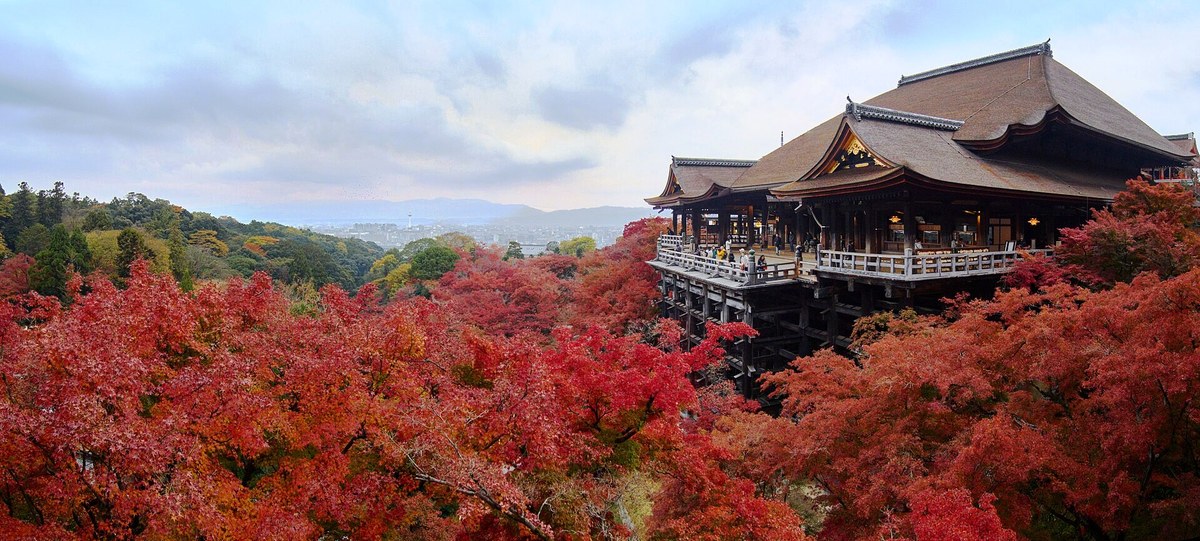
Tokyo to Kyoto
During my long-awaited trip to Japan, I went to Kyoto. I was a little worried before the trip, because the Japanese trains seemed so precise and organized to me that I was sure that if I made a mistake once, the whole system would collapse because of me. In practice, everything turned out to be much calmer, especially when I figured out the ticket and realized where my train was, although the habit of arriving at the station in advance still saved me a few nervous minutes. Japan's high-speed trains The train itself has become a separate part of the journey. After the rather noisy and eventful Tokyo, it was nice to just sit down, put a bag next to it and look out the window for a while. Japan was gradually changing outside the window, the urban development was replaced by more peaceful landscapes, and I finally felt that the journey had really begun, because before that everything was happening too fast. Kyoto greeted me with a completely different mood. Here, for the first time during the trip, I felt that I could slow down a little and just walk down the street without trying to get somewhere every ten minutes. The narrow streets, traditional houses, temples, small shops, and completely different architecture made it feel like I was in Japan, which I had only seen in photographs before. In Kyoto, I purposely left time for walks without a strict plan. Of course, I had a list of places to go without it, but I already realized that trying to visit everything in one day would end up with me looking at photos in the evening and wondering exactly where I had seen it all. Therefore, part of the day I just walked along the streets, looked into small shops and cafes and sometimes allowed myself to turn off the route. Nijo Castle One of the most pleasant moments was a walk through the historical districts of the city, where the contrast with Tokyo is especially well felt: fewer skyscrapers, less visual noise, more small details that you want to pay attention to. I was impressed by Nijo Castle, which is the former fortified residence of the Tokugawa shoguns. It is not only a national treasure of Japan, but also a UNESCO World Heritage Site. I continued walking through historic Kyoto and several times caught myself thinking that instead of photographing another landmark, I was just standing and looking around, because the street itself already looked like a finished photograph. At some point, I decided to have a bite to eat, confidently chose a place, sat down, looked at the menu and realized that my confidence ended with about the word "menu". As a result, I spent several minutes trying to figure out exactly what I was going to order, and then I just chose a dish at random and decided to consider it part of the cultural experience, because sometimes it's easier to admit defeat to an unknown Japanese dish on a trip than to try to pose as an expert. I guess I wasn't very hungry, I didn't like the taste. I wish I had ordered sushi.
❤ 1
💬 0
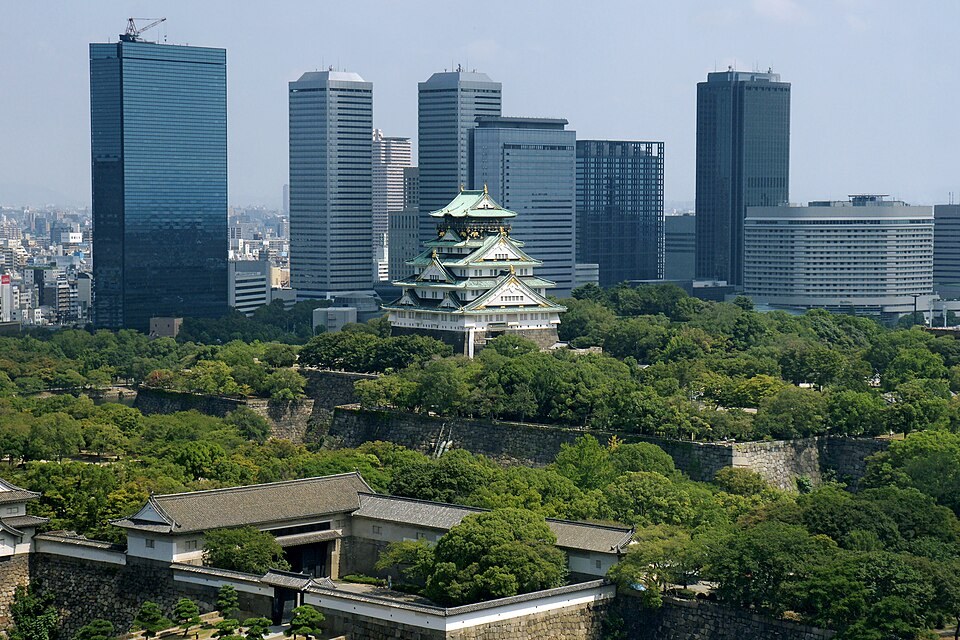
Osaka – the final part of the trip
After Kyoto, I went to Osaka, and here the mood changed again. If Tokyo seemed huge and fast–moving to me, Kyoto seemed calm and atmospheric, then Osaka turned out to be more relaxed, noisy and somehow very lively. Here I immediately enjoyed just walking the streets, looking at the signs, looking into the shops and watching the people. Osaka opens up especially well in the evening, when the signs light up and the streets become even more lively. I was walking around the Dotonbori area, looking at the huge restaurant signs, and at some point I realized that I had come to Japan not only for the temples and beautiful architecture. Sometimes the most interesting thing is just to walk down the street and see how the ordinary life of the city works. Sushi And, of course, the food in Osaka deserved special attention. This time I ordered sushi and tried other local dishes, told myself several times that I had definitely had enough for today, and then twenty minutes later I found myself again near some small establishment. At some point, I realized that my route through Osaka could already be divided not by sights, but by snacks, because it looked much more logical that way. How I allocated the week If you look at the whole trip now, I divided the week like this: I gave the first three days to Tokyo, devoted two days to Kyoto, and left two more days for Osaka. This route turned out to be quite intense for me, but it did not turn into an endless race between train stations, temples and a hotel. In Tokyo, I focused on neighborhoods, modern urban life, and public transportation, because that's where I wanted to feel the scale of the Japanese capital and see what it looks like at night. Kiyomizu-dera Kyoto was reserved for quieter walks, temple complexes, traditional architecture and the atmosphere of old Japan, and Osaka was used as the final part of the trip, where you could relax a little, walk a lot and eat everything that caught your eye. What I realized after a week in Japan The main discovery for me was that Japan does not look at all like a country that can be properly understood from photographs or short videos on the Internet. Yes, I saw famous places, tasted local food, rode trains and walked a huge number of kilometers, but most of all I remember the usual moments: small streets, vending machines, stations, evening shops, quiet areas and the feeling of how different everything around me is from my usual life. Traveling by train is quite convenient. I realized that a week in Japan can be made very eventful if you plan your route in advance and don't try to accommodate everything every day. Tokyo, Kyoto, and Osaka seem to complement each other well, because after the huge capital, it's nice to find yourself in a quieter Kyoto, and then switch to the bustling and gastronomically carefree Osaka. And I finally became convinced that Japanese public transport is terrible only for the first couple of hours. Then you start to look at the map quite confidently, find the right platform, and even feel a certain inner sense of pride when the train departs exactly when it is written in the timetable. However, somewhere inside there is still a small voice that reminds: "Don't relax, we are in Japan after all." Dotombori, Osaka When I flew home, I had a strange feeling that I was just getting to know this country. In one week, I managed to see Tokyo, Kyoto and Osaka, but instead of wanting to tick off Japan, I had a completely different desire – to return and see what was left off the route this time. This is probably the best indicator of a successful trip: when you return home with a suitcase full of things and photos, and your head is already starting to come up with a new route.
❤ 1
💬 0