Dover Castle
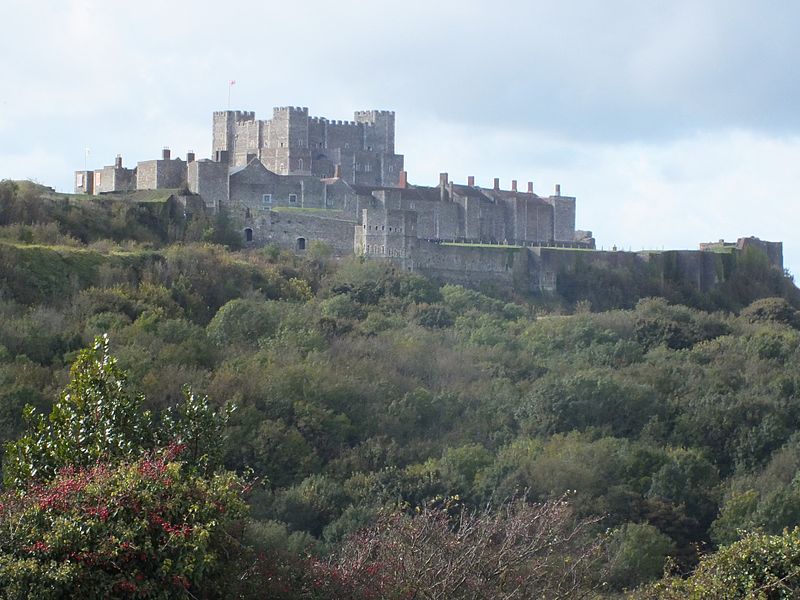
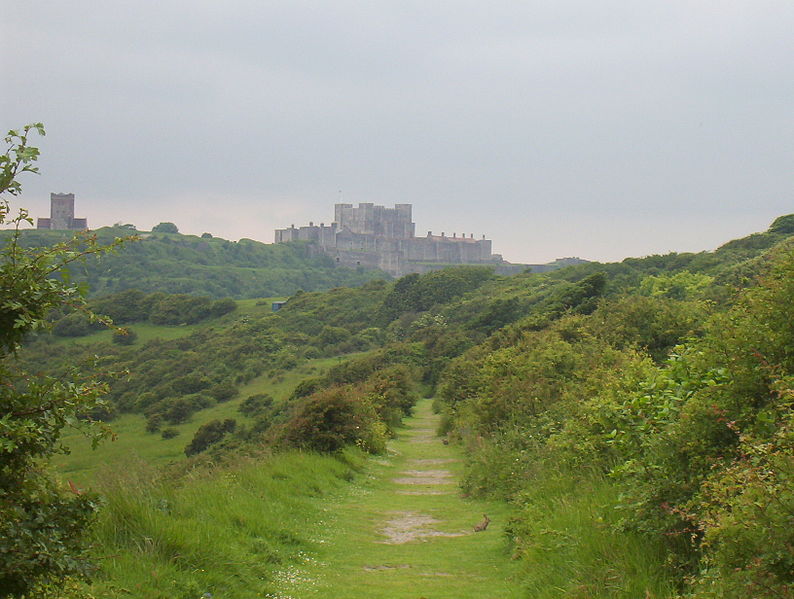
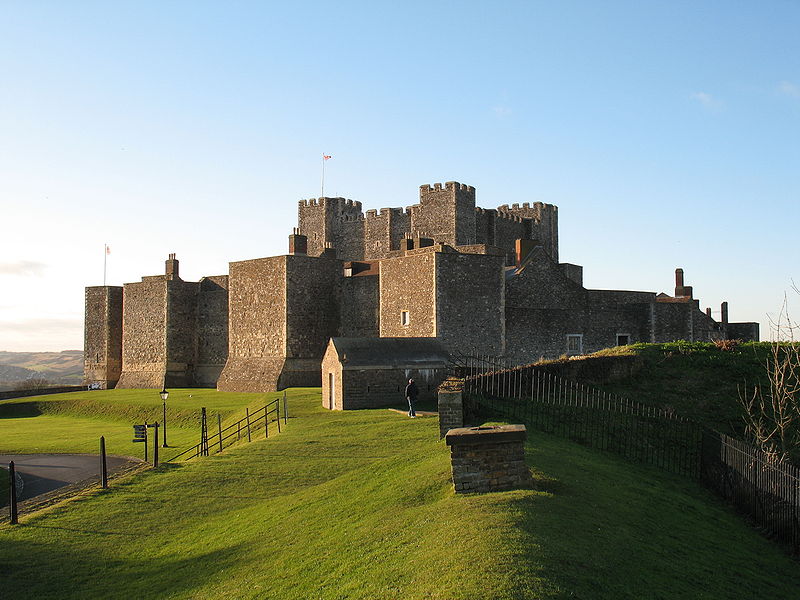
Dover Castle, which is located in the UK, is in good standing with tourists who rush to visit it from many countries around the world. This popularity is ensured by the honorary title of the oldest castle in this country, and of course, the colorful legends that are an integral part of it.
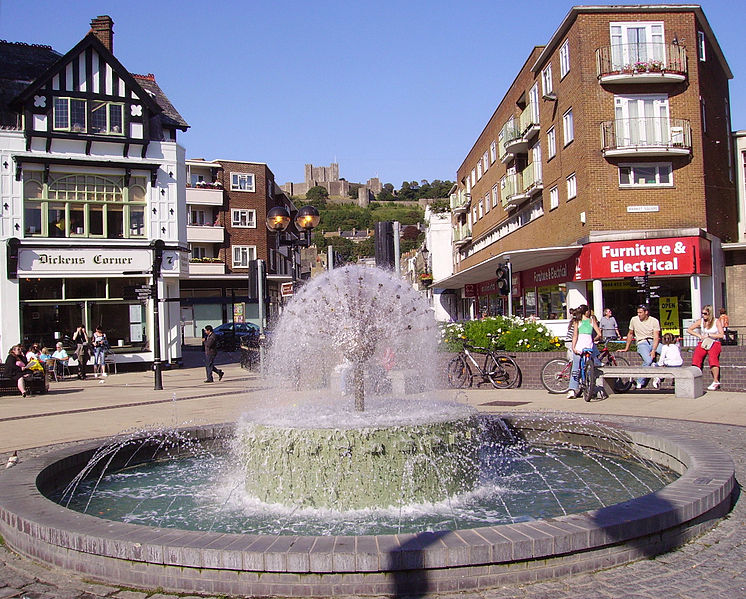
A huge building was erected on the coastal territory of the Pas de Calais Bay before our era. Later, the castle acquired a name that sounds like "The Key to England", due to its convenient location in the middle of two countries – France and England.
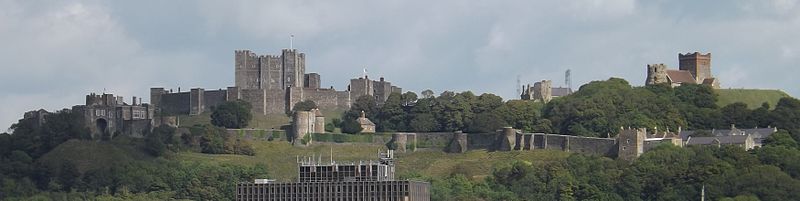
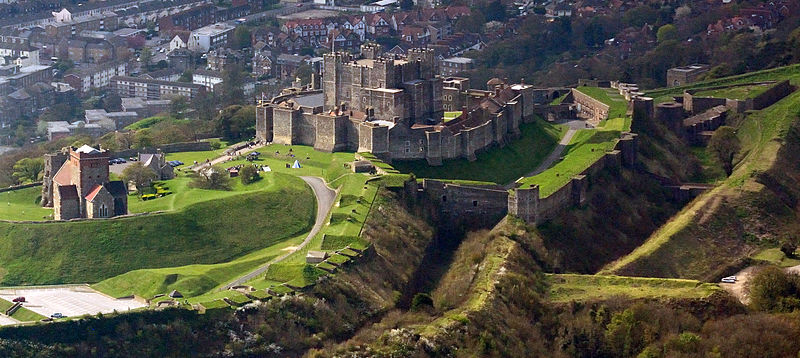
The original look of Dover Castle has not reached us, but with a little imagination, it is quite possible to imagine what it was originally. Scientists say that the castle-palace was built on a hill that towered over the buildings of the city and was surrounded by a moat that protected it from enemy raids.
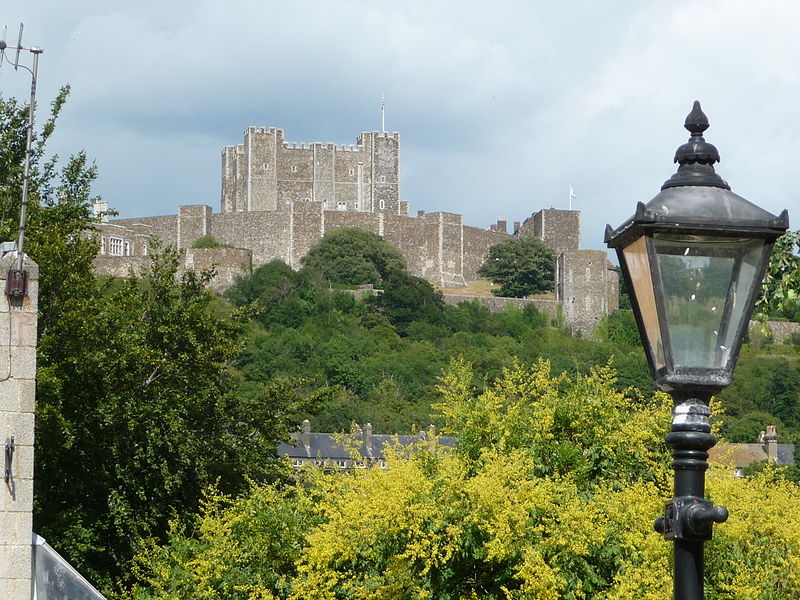
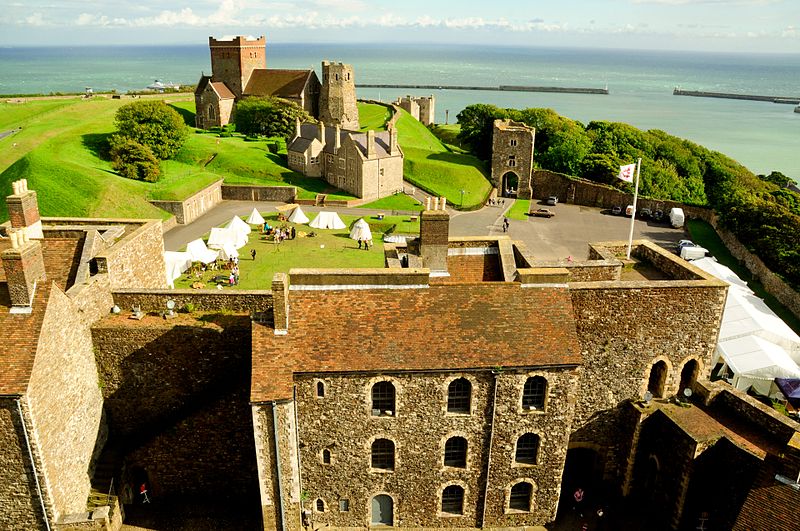
In the middle of the 1st century AD, these lands were inhabited by the Romans, who began to develop the city as a Roman port. It was at this time that a couple of lighthouses were being built here, one of them can be observed even in our time.
With the fall of the Roman Empire, the castle-palace of Dover also began to lose its purpose. According to scientists, this building had no historical value for more than four centuries in a row. But this area caught the eye of the English ruler Harold II, who fortified it and even built the church of St. Maria Castro, which still stands today.
Later, between 1179 and 1188, the Castle of Dover was completely reconstructed by order of Henry II. The grandiose reconstruction of the noble building resulted in a considerable sum for the ruler. The palace was indeed equipped on a large scale, it housed many fireplaces, stairs, running water and even sewerage. There were a couple of chapels outside its walls, one of which belonged to the king personally. Dover Castle is also famous for the presence of a large number of towers, two of which served as protection for the royal gate.
The castle also changed its appearance during the reign of the king's heirs, Richard and John the Landless.
During the Napoleonic Wars, the walls of Dover Castle housed about two thousand soldiers, for whom special tunnels were dug. When the wars ended, they were hardly used, and only during the Second World War did the tunnels of Dover Castle initially serve as an air raid shelter, and then a military hospital was equipped here.
Travelers from different countries have the opportunity to see the huge museum located in Dover Castle to enjoy the wonderful ancient architecture, as well as the unique interior of this tourist attraction, which is imbued with the spirit of English monks of different times.