Dnieper
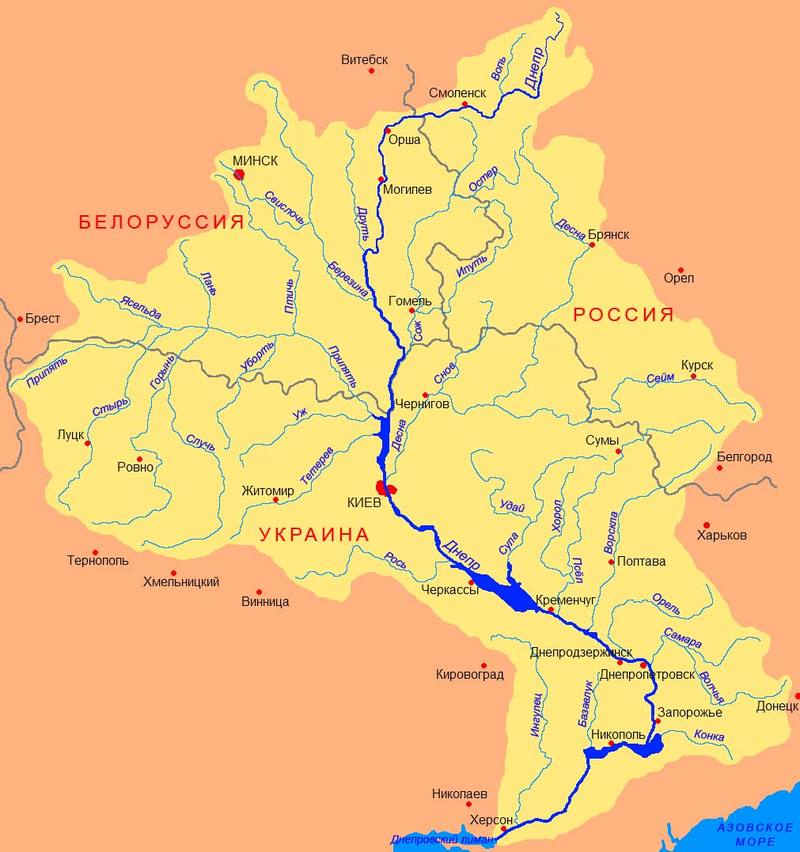
The Dnieper is one of the longest rivers in Europe, flowing through Russia, Belarus and Ukraine. The total length of the river after straightening is 2,200 kilometers.

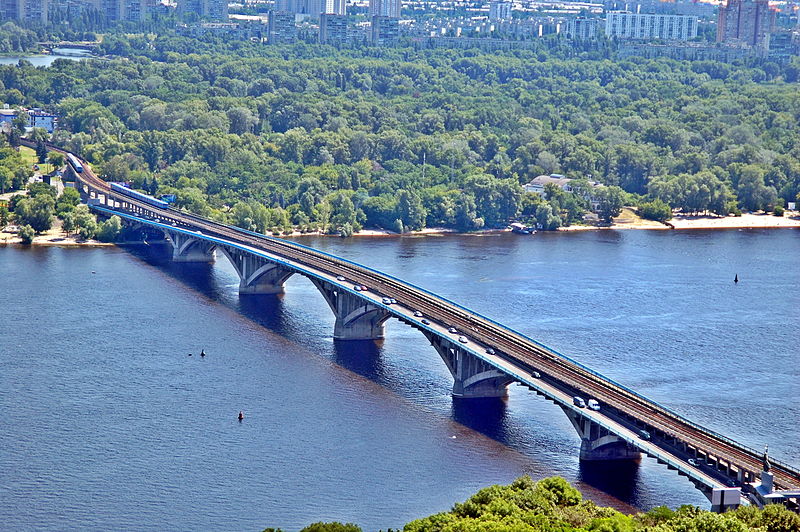
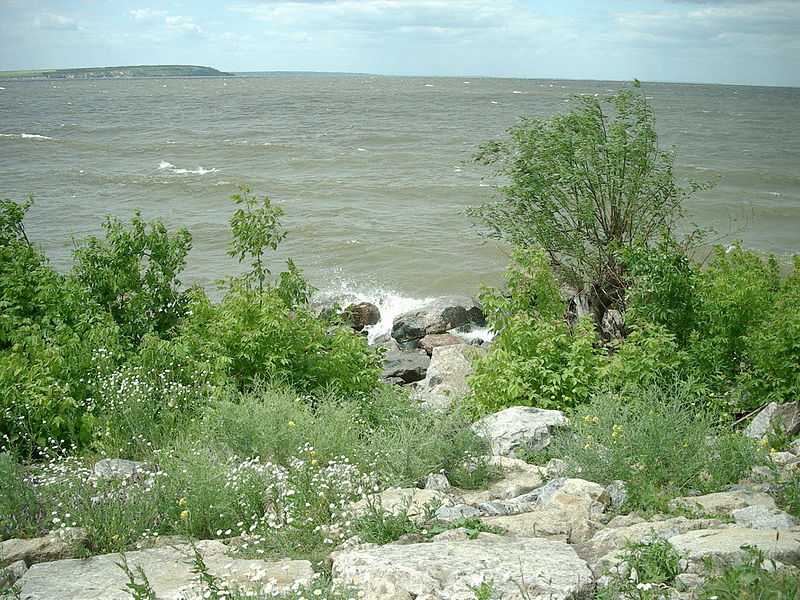
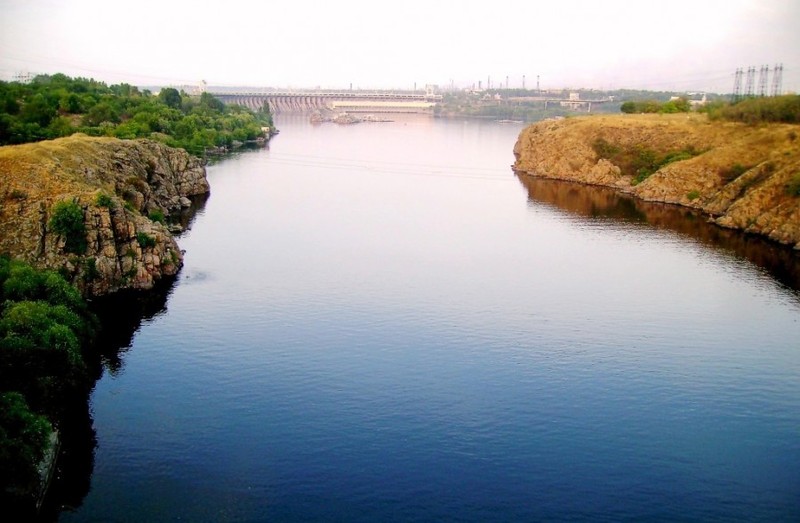
The sources of the river are located on the Valdai upland in the Okovsky forest. Such mighty rivers as the Volga and Dvina also originate in this forest. The Dnieper is low-water to the city of Dorogobuzh and its width is only 30 meters, downstream to Orsha it expands to 120 meters, then it flows through limestone rocks, forming the Kobelyatsky rapids. From Kiev to Dnepropetrovsk, the banks of the river are completely opposite - the right bank is high (up to 150 meters) and steep, while the left bank is low and gently sloping, covered with coniferous forests. The width of the river in these places is 200-1200 meters. The Dnieper River has long been very important for trade, as the waterway "from the Varangians to the Greeks" passed through it, connecting the Baltic and Black Seas. The riverbed has changed significantly after the construction of reservoirs, among which the largest are the Kakhovskoye and Dneprovskoye reservoirs. Kakhovskoye is also called the sea. Before the construction of reservoirs and locks, it was impossible to swim through the rapids of the river.
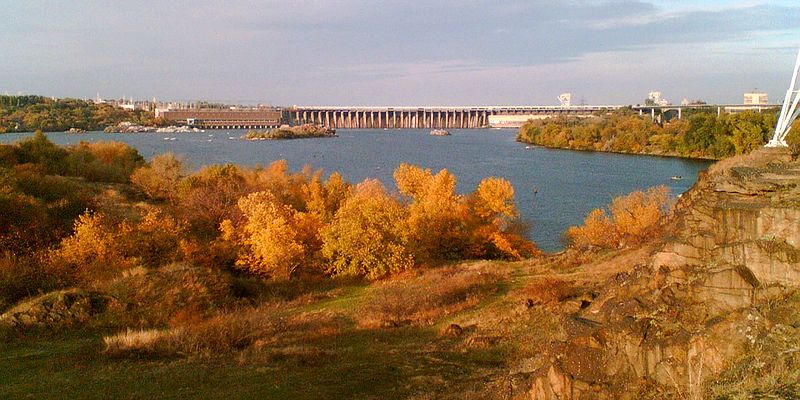
With the construction of dams, the water level in the river leveled off, turning it into a network of ponds and locks. Thanks to the locks, vessels up to 270 meters long can sail into the Kiev port, creating an additional source of income for the country. The Dnieper freezes evenly from north to south, and the ice breaks up, on the contrary, which is why there are practically no floods from ice jams in spring.
The Dnieper river is home to almost all the fish found in Ukraine - over 70 varieties, but due to violations of the water regime, most species live in the lower reaches of the river. There are carps, ram, bream, pike, carp, catfish, ide, chub, sterlet, sturgeon, salmon, beluga. During the period of the dams' existence, the number of industrial fish has significantly decreased. The remaining species are called garbage because of their small size. In the 1950s, up to 80% of all fish caught in the USSR (7-11 thousand tons) were caught in the Dnieper. Today, the volume of fish caught does not exceed 7000 tons per year.