Sequoia National Park
Sequoia is a national park in the United States, established back in 1890 on an area of 1,635 km2. Before Sequoia Park, only Yellowstone and Mackinac National Parks were established. The Cherokee Indians once lived in these parts, so they decided to name the park after the tribal leader. To this day, many finds have been preserved in the park itself, telling about the life of the Indians.
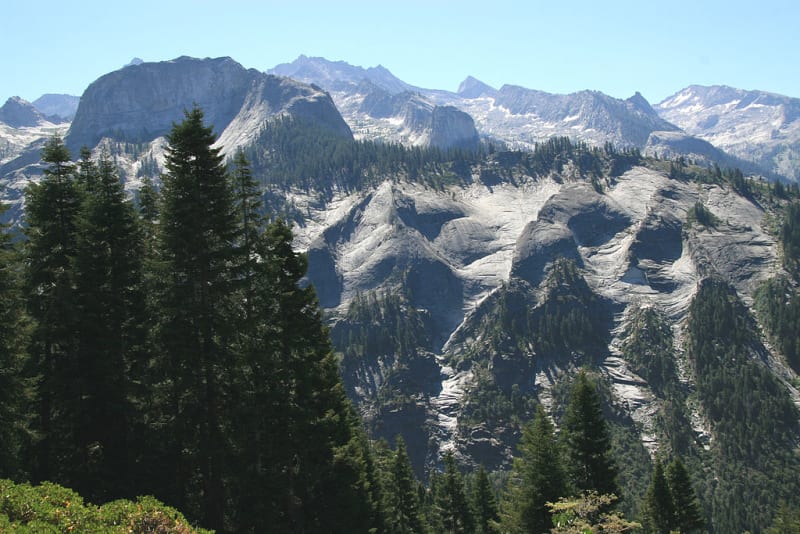
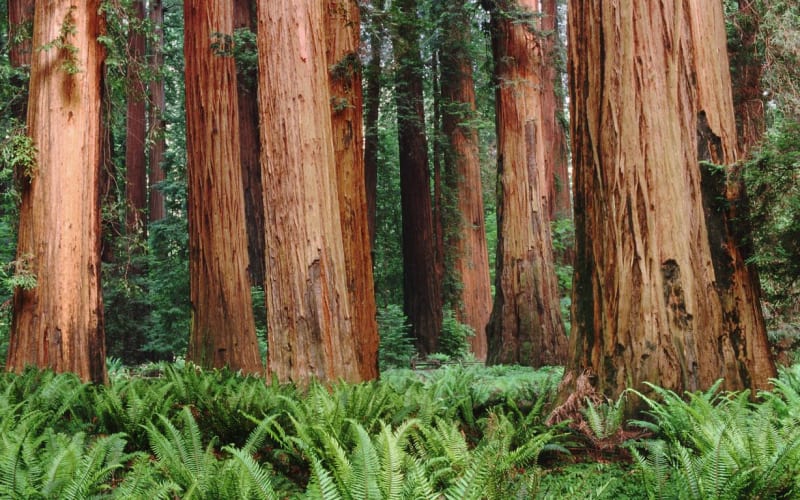
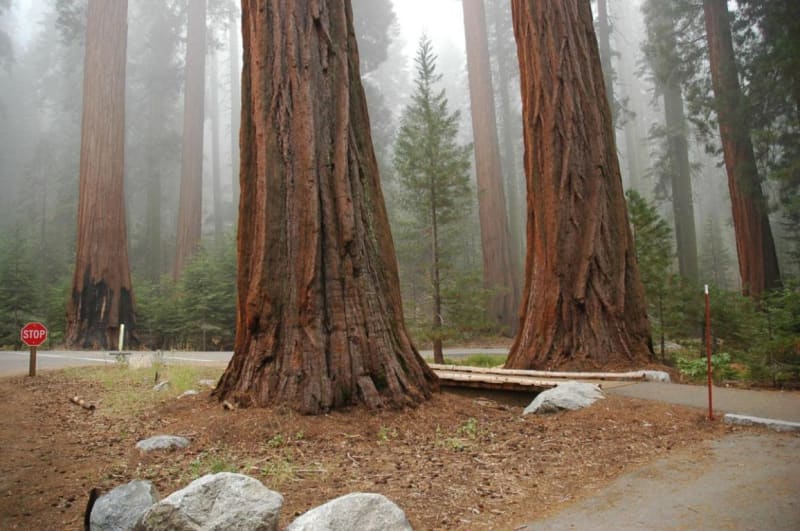
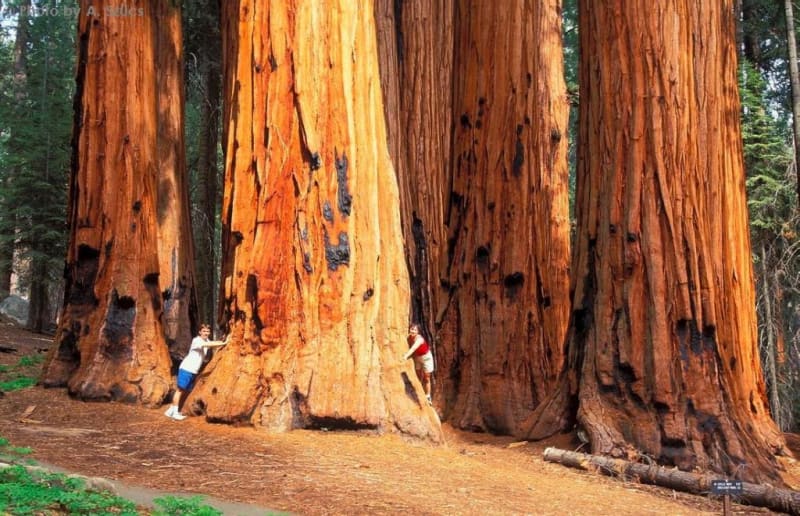
During the excavations, it turned out that redwoods were widespread during the Jurassic period, occupying almost the entire Northern Hemisphere. Nowadays, this tree can be found only in Southern Oregon and California. The climate is suitable for them here - winds drive fogs with moisture to the coast, as well as hot weather. Due to this, redwoods grow up to 100 meters, and sometimes the dimeter is 12 meters. These trees have been living for 4,000 years! Rangers in the park sometimes set small fires, because the cones of this tree open only at high temperatures, because of this fires are needed for the growth of new trees. Fires hardly harm trees, since they burn out only empty cavities.
Sequoia National Park is home to the largest tree in the world, the General Sherman. In 2009, its height was almost 84 meters, and the volume of wood was 1,487 m3. This tree grows in a Giant forest, where 5 of the 10 largest trees in the world in terms of wood volume are located. The giant forest is connected by the Generals Road to Grant Grove in Kings Canyon National Park. The grove contains the second largest tree, the General Grant tree. Wooden paths have been built in the Giant Forest to prevent trampling of rare plants, and they are also convenient for couples with young children, wheelchair users, and the elderly to navigate.
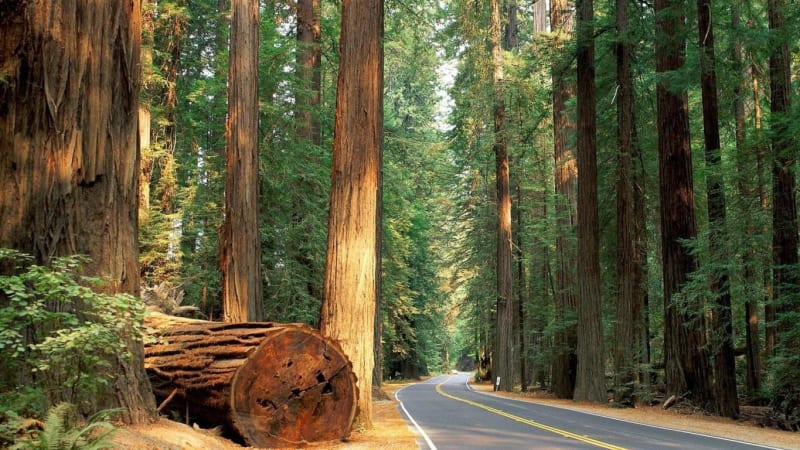
At that time, about 250 caves were discovered in the park, among which the longest is about 32 km. Of all these many caves, only the Kristalnaya Cave, which is the second largest cave, can be visited.
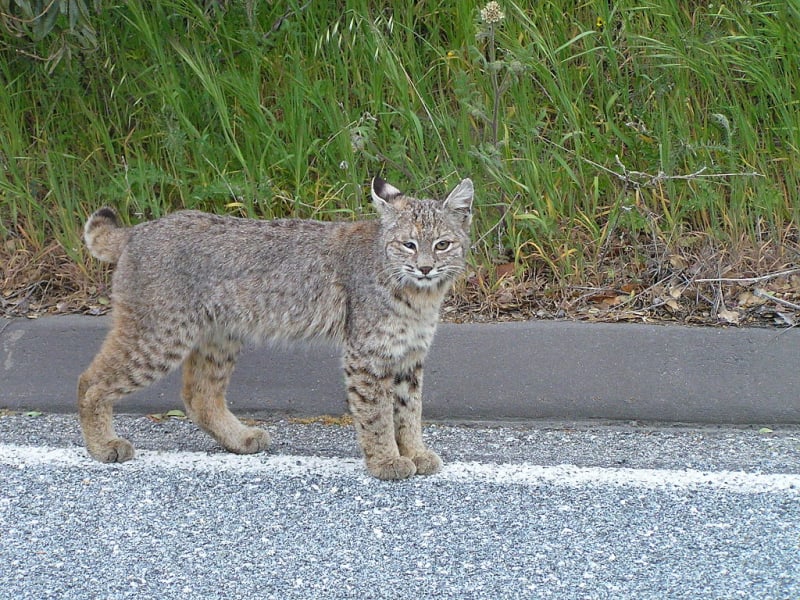
Sequoia Park has a rich wildlife, numbering 260 species of mammals, of which one and a half hundred are quite rare. Birds are dominated by quails, jays, woodpeckers, goldfinches, tanagers, flycatchers, swallows, thrushes, and even bald eagles. Of the animals in the forests, you can easily see squirrels, wolverines, coyotes, skunks, foxes, lynxes, deer, as well as black bears, of which there are quite a lot in the park and travelers often stumble upon them.
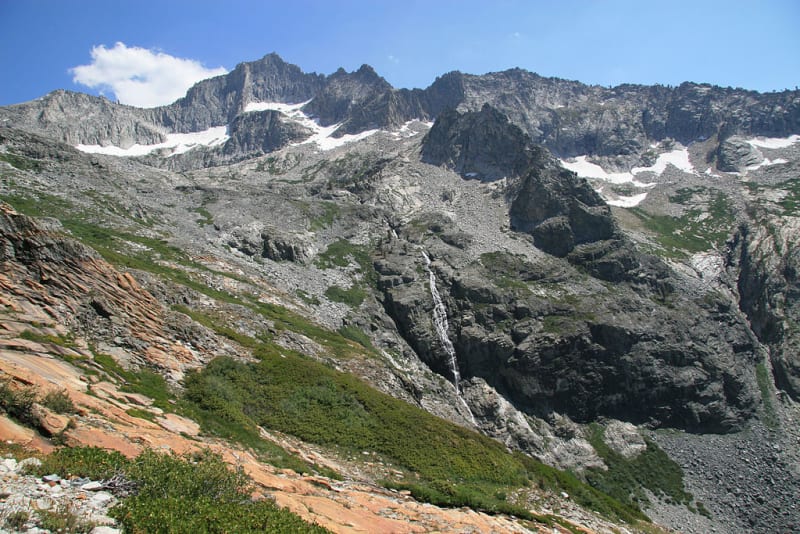
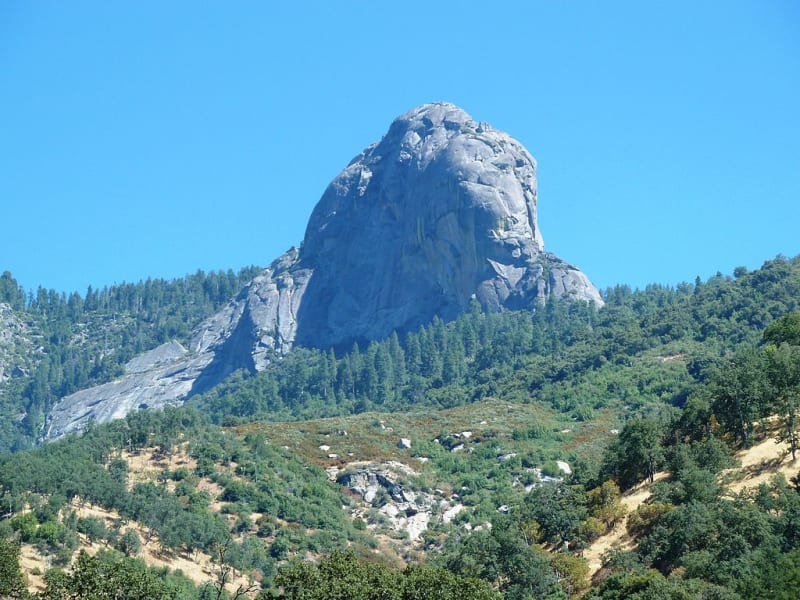
The climate in the foothills is typical for California, with hot summers and almost snowless winters. At medium altitudes, the climate is more temperate with snowy winters. The local mountains are destroyed by the Kings River, after which the neighboring Kings Canyon National Park was named. Alpine meadows are found on the tops of the mountains, which are covered with a multi-meter layer of snow in winter.
For the convenience of tourists, picnic and camping areas have been set up in Sequoia Park, roads and shops have been built. For more information, you can contact the tourist centers, of which there are several. Outdoor enthusiasts can go skiing in the park, snowshoe in winter, go mountain climbing or even go down a stormy river by boat. It is best to visit the park from July to August. You can get to the park by bus or private car from Fresno and Visalia, and the park's delivery service delivers tourists from Visalia to Sequoia. It takes about two hours to get to the park from these cities.