Temple of Vesta in Rome
The Temple of Vesta in Rome is recognized as one of the most ancient buildings in Italy. Vesta is one of the most revered goddesses in the pantheon of Ancient Rome, the patroness of the hearth and family. She was treated with great respect by both women and men. It was considered a great honor to serve in her household. The temple named after her was of great importance, and today it has not lost interest from society.
History
Presumably, the beginning of the construction of the Temple of Vesta in Rome dates back to the early period of history, the royal period. The first buildings were laid in the 7th century BC. Blazing fires destroyed the building many times, and hardworking townspeople rebuilt it again.
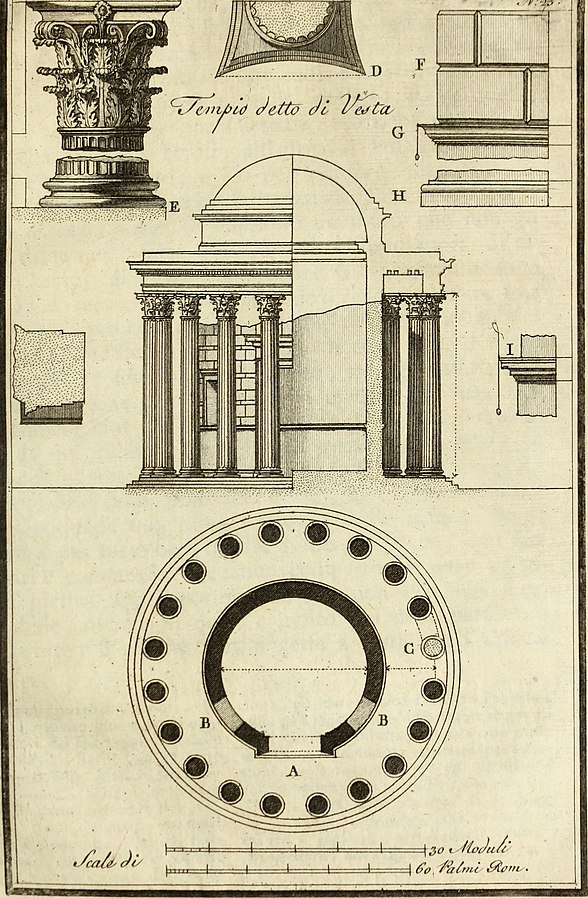
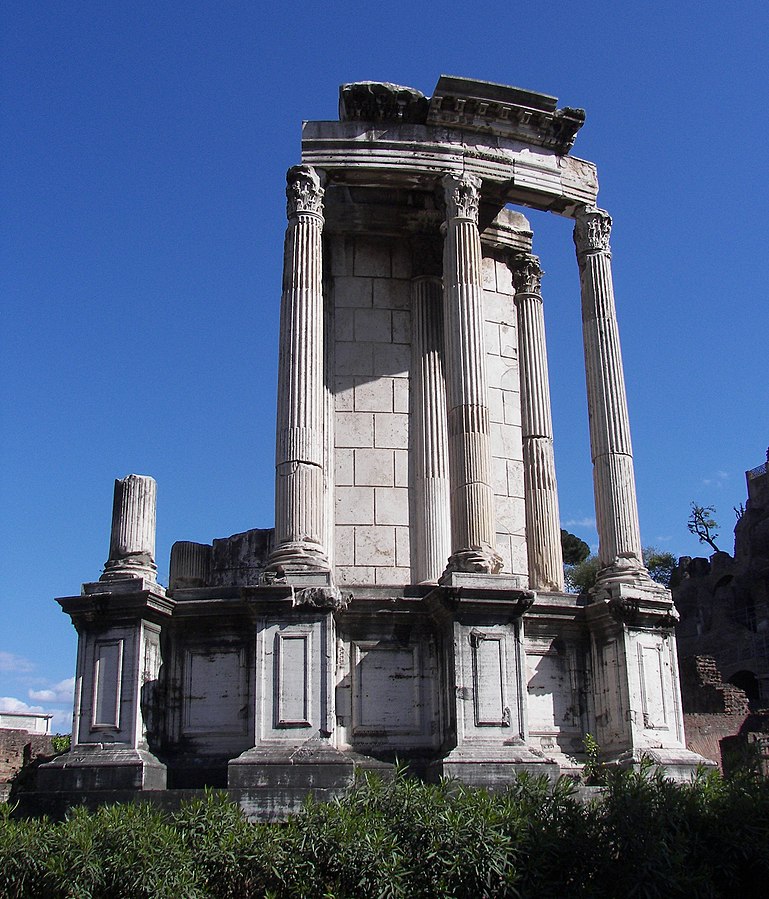
The final appearance of the Temple of Vesta in Rome was acquired later: a circular structure with a white marble facade surrounded by twenty Corinthian columns, standing on a podium. At the beginning of our era, the flame again devours the shrine, but, as before, the Temple of Vesta in Rome is being restored. The elements could not destroy man-made beauty, but other times have come. The persecution of pagans began, and Theodosius 1, who ruled in the 4th century, forbade worship. Ancient beliefs are becoming a thing of the past, the temple is collapsing.
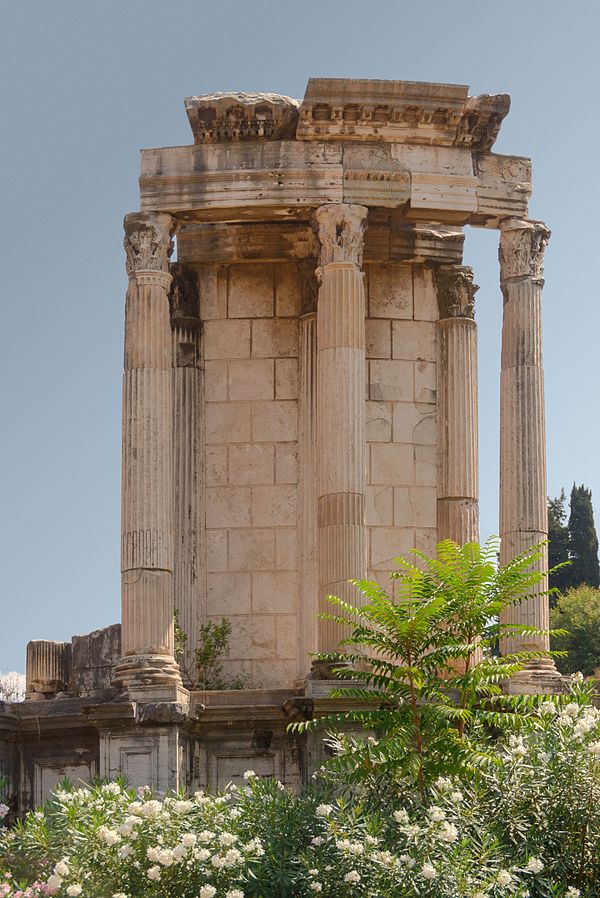
The ruins were found during archaeological excavations in 1877.
What's left
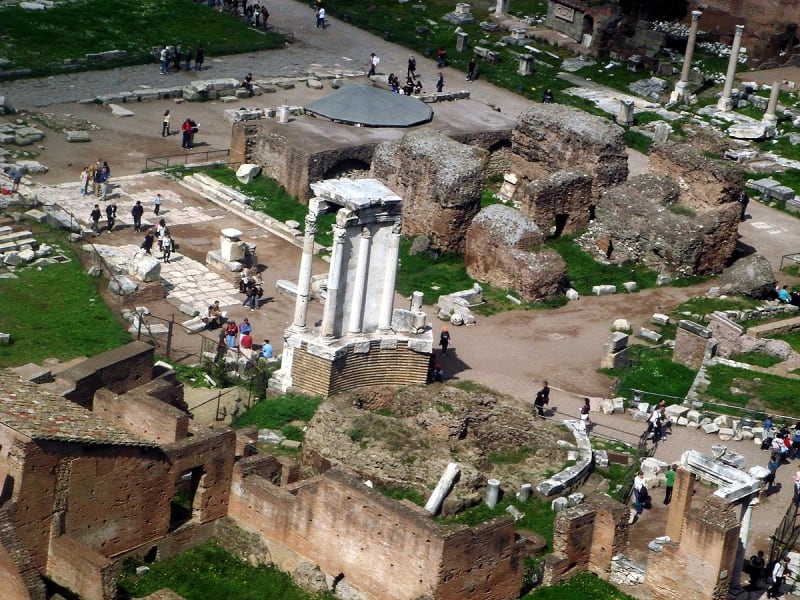
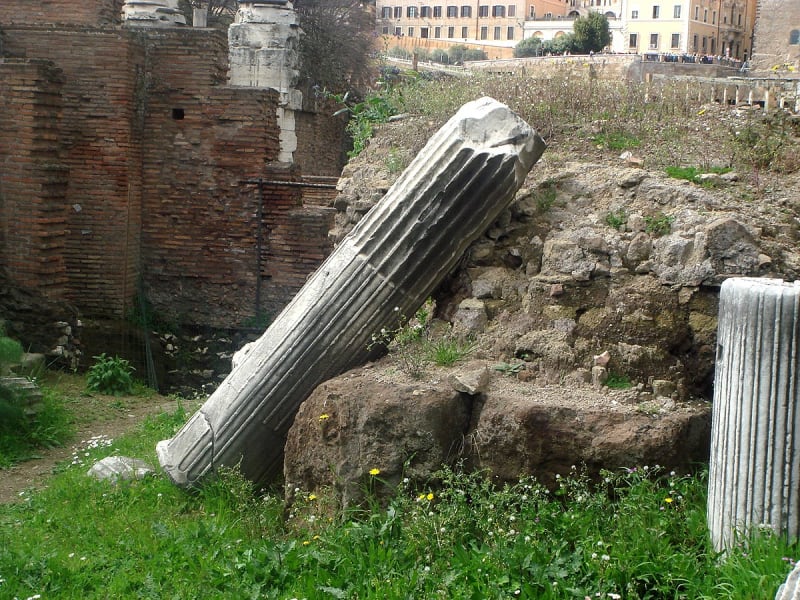
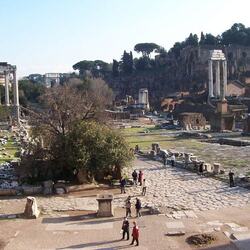
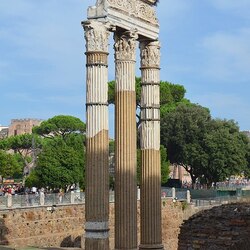
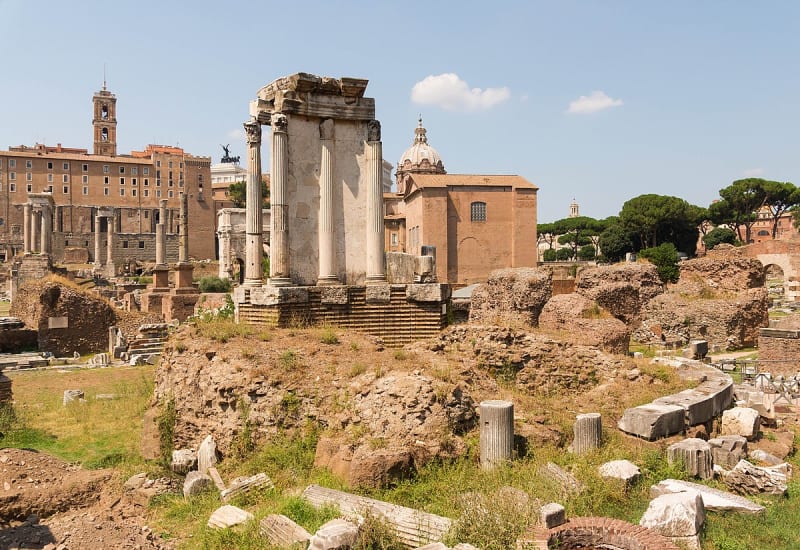
The ruins in the area of the former forum cannot be attributed to good preservation. However, experienced specialists also use them to recreate the appearance of the sanctuary. Time has erased the name of the architect who created the masterpiece, but he was talented. To date, the podium and the three columns that stood on it have been preserved. A fragment of the facade was discovered not far from the temple, behind a fence.
The hearth
The central detail of the Temple of Vesta in Rome is the shrines. A sacred fire was lit in it, the smoke of which came out through a hole in the roof. According to legend, there was a hiding place under the hearth for the statue of the goddess Pallas, dropped by Zeus to the earth. The statue ended up in Troy, and then mysteriously moved to Rome. Some myths attribute this merit to Odysseus, others to Aeneas. The Romans didn't care how it happened, the main thing was that she was with them, protecting them from harm. The location of the amulet was kept in the deepest secrecy, known only to the Vestals and the Great Pontiff. As long as the shrine of the Temple of Vesta in Rome is inviolable, nothing threatens the capital.
The main task of the Vestals is to keep the sacred fire in the hearth around the clock, kindled by friction or through magnifying glasses from the sun. The natural nature of fire is an important point of religious rituals.
The House of the Vestals
Unfortunately, everything left of it is fragmentary: the walls, the atrium, the bases of the columns. Each column was once completed with a sculpture of a Vestal virgin. During the excavations, 12 sculptures of varying degrees of preservation were discovered.
The Vestals
The six priestesses for the Temple of Vesta in Rome were chosen from the daughters of patricians who were between 6 and 10 years old. They will live at the temple for 30 years. The first decade was spent teaching, and the next decade was spent acting as teachers themselves. Only the latter was dedicated to the greatest service. The names of many Vestals were known, and statues were erected to them.
Girls should be immaculate and follow a vow of celibacy all the years of service to the goddess. Violators were buried alive. The intruder went to the grave by herself. The seducer was beaten to death with rods.