Botanical Garden of Pisa
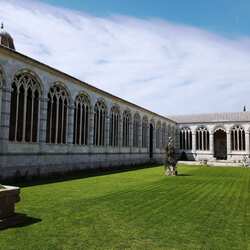
The Botanical Garden of Pisa is recognized as one of the oldest in the world. The Italians say that when visiting this city, every tourist should visit the garden, located on an area of three hectares. The landmark belongs to the territory of the university, which you can visit any day.
The history of the Botanical Garden of Pisa
The idea of the creation belongs to the famous botanist L. Gini. After listening to Luca's proposal, the famous duke of the Medici family, Cosimo, decided to take on the financial expenses. The Botanical Garden of Pisa became the first in the whole of Europe, which is part of the university.
This place has an interesting history. In 1563, it was moved from the garden belonging to the monastery of San Vito, closer to another monastery called San Marta. For a long time, this garden did not have its own place and was moved from one territory to another. This lasted for four years, until his permanent place became the neighborhood of Piazza Miracoli, where he settled in 1591.
Since that time, the Botanical Garden of Pisa has been systematically replenishing its collection, which can still be admired on Via Luca Ghini, located next to the famous Piazza del Duomo. This location was chosen by Lorenzo Mazzang, a famous patron of the arts at that time.
Description of the Botanical Garden of Pisa
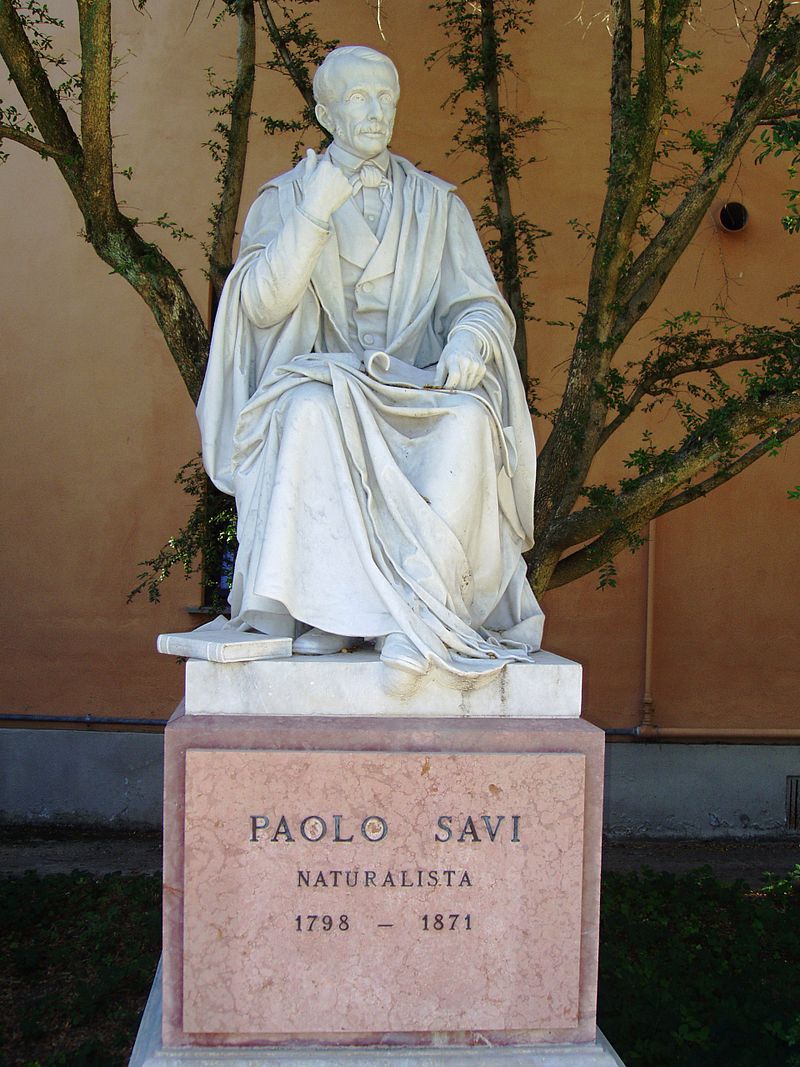
Since its existence, the garden has been home to a collection of plant objects, which today is a huge museum of the natural history of Pisa. Also on its territory you can visit the library, which is part of the university's huge library. It is here that you can see the only collection containing portraits of everyone who has ever held the position of director of the garden. Also on the territory of the garden there is the first in the history of greenhouses created in Italy using metal frames.
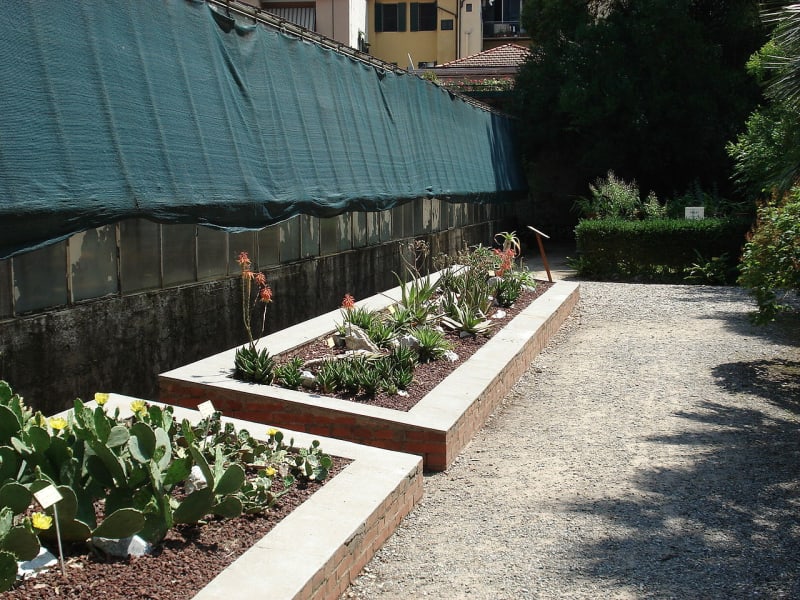
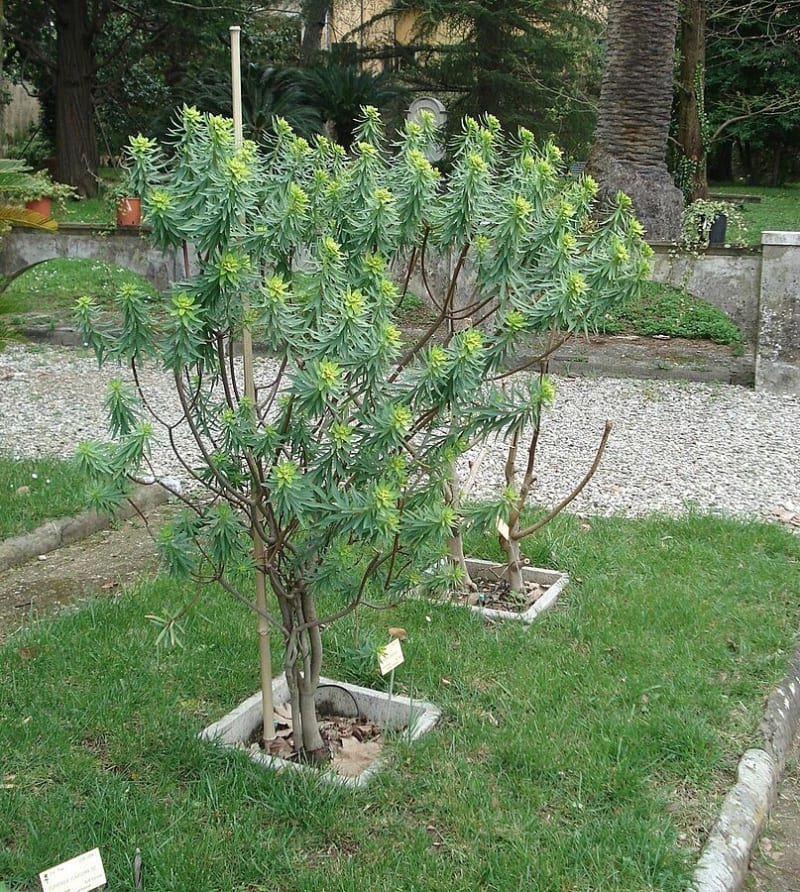
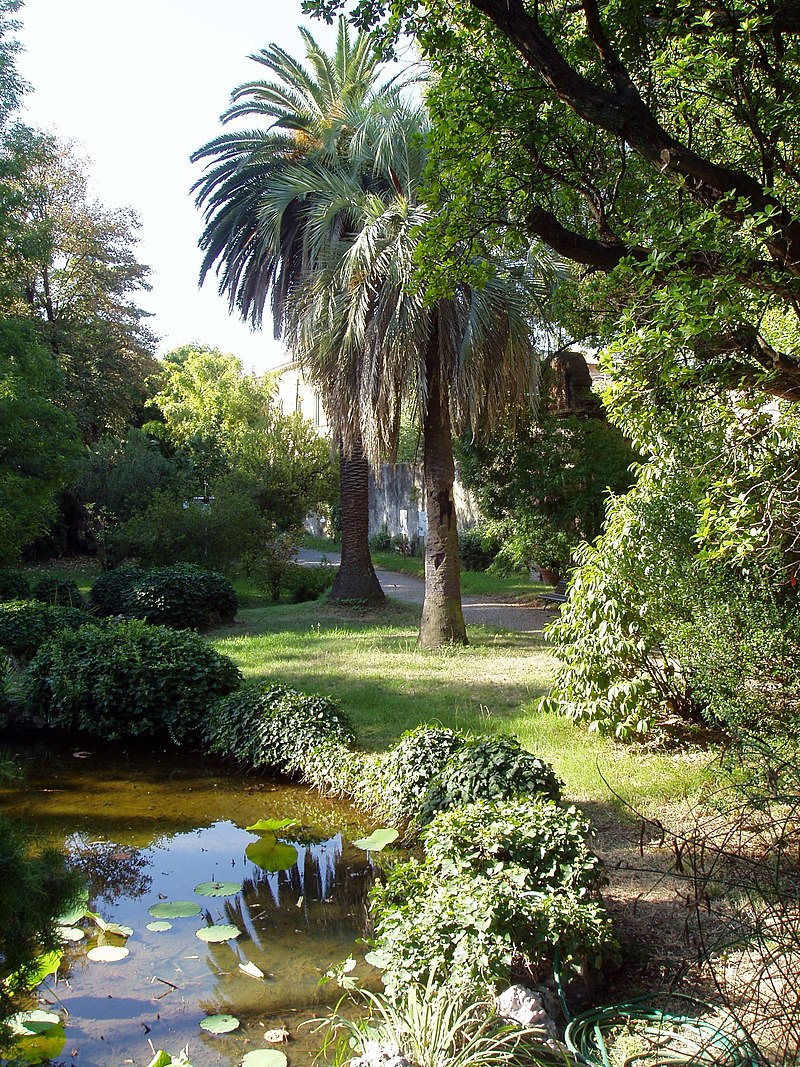
Now the Botanical Garden of Pisa is divided into equal parts, each of which has many flower beds, ponds, greenhouses and structures. Different types of rare plants, including exotic species, are constantly being grown in greenhouses. In addition, there is an arboretum.
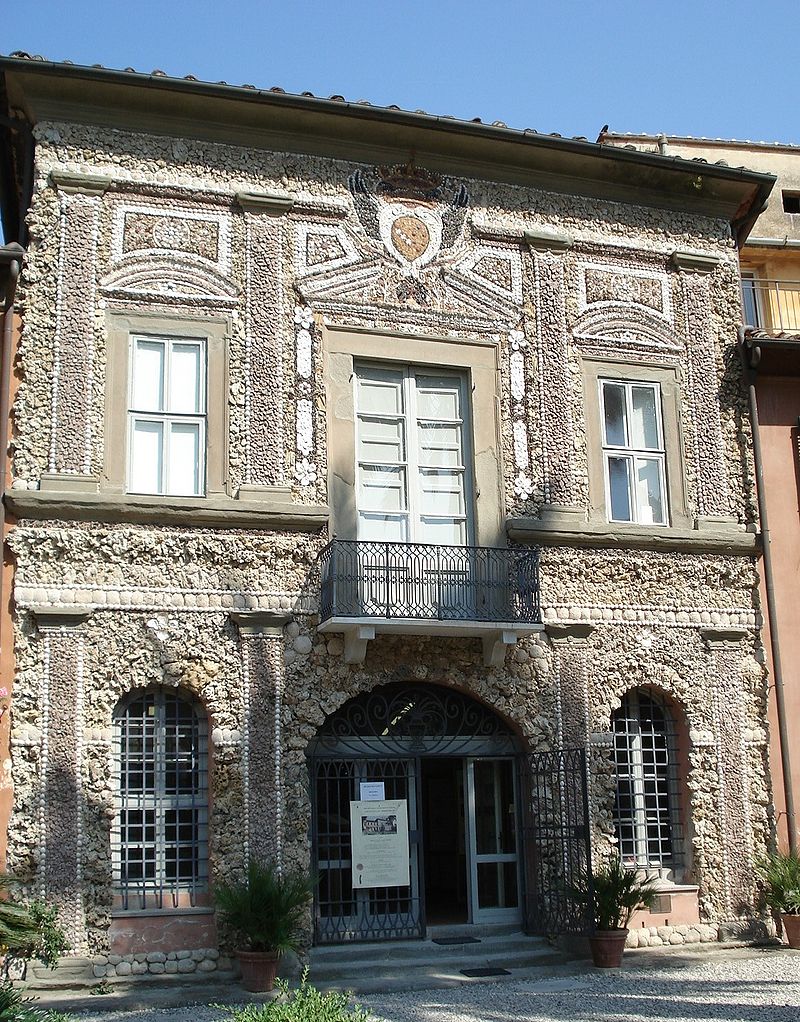
The main attraction is one of the oldest institutes, the construction of which dates back to 1591-1595. The facade of the building is decorated with shells with mosaics. Since its creation, all plants have been distributed according to a strictly defined plan, on square lawns divided into several small parts of various shapes. Over time, some proportions have changed, but despite this, the beauty of the original idea is visible even now.