Blue Lagoon
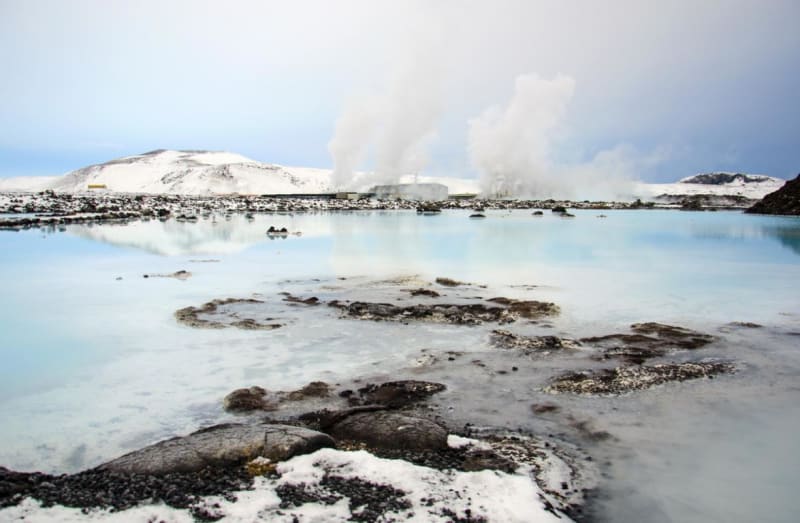
The Blue Lagoon is a geothermal spring in Iceland on the Reykjavik Peninsula. The area was formed by volcanoes and is covered with lava rock, due to the lack of density of which water from the sea goes deep into the rocks, forming huge reservoirs with hot salt water.
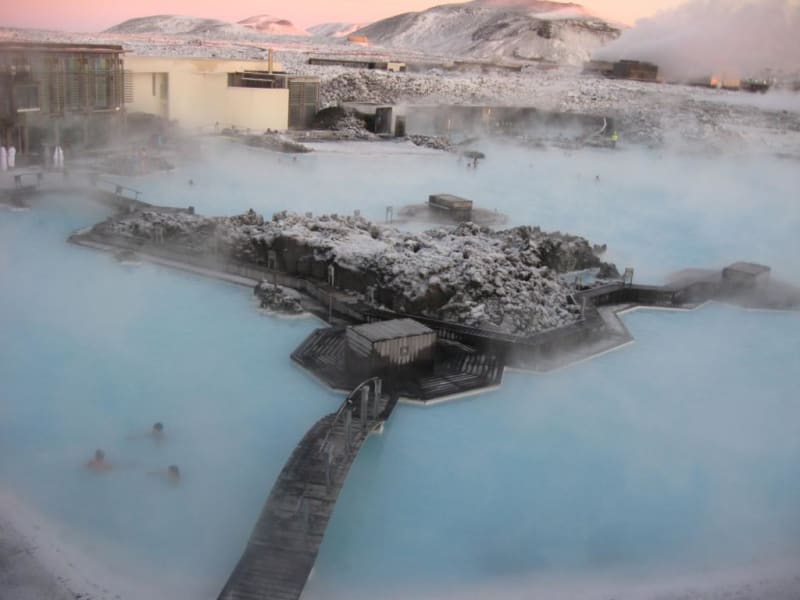
In 1976, a geothermal plant was built here, using the full power of hot springs to heat homes. Under the influence of hot salt springs, a Blue Lagoon appeared in this area, the water in which consists of 60% seawater and 40% fresh water. Due to its complex composition of quartz, sea salts, algae, and white clay impurities, water has unique healing qualities. This attracts a lot of tourists from all over the world, which makes this attraction one of the most famous in Iceland.
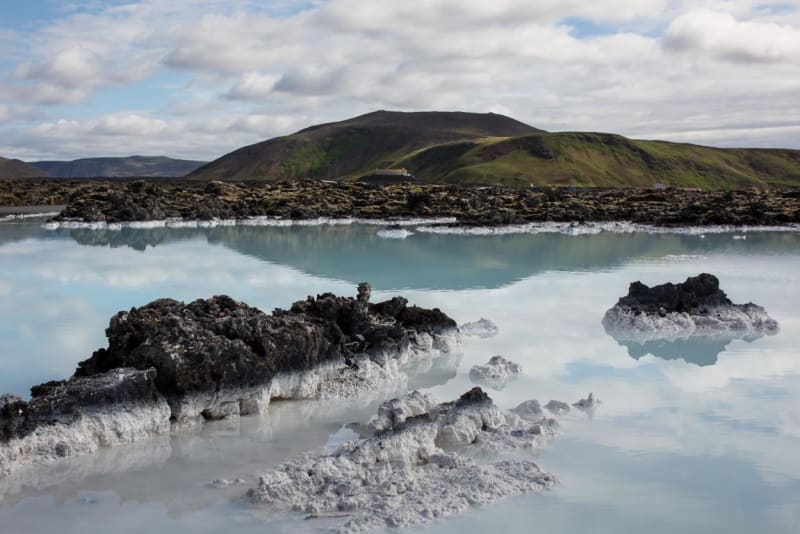
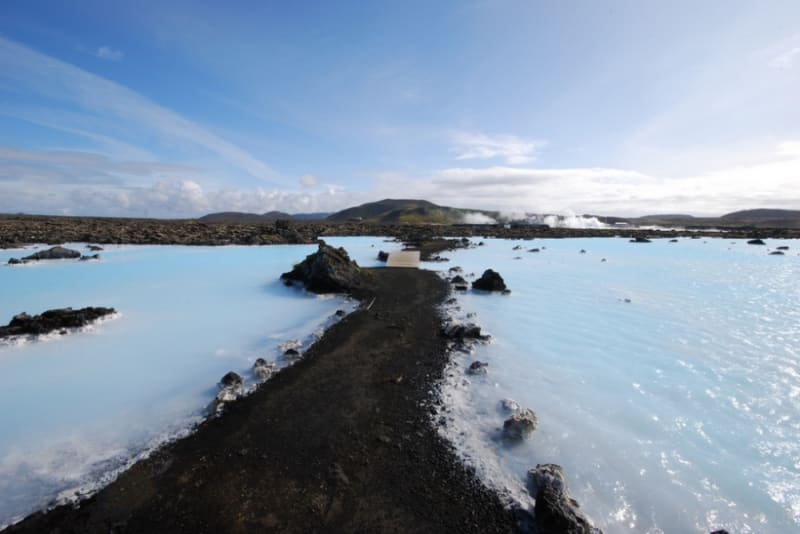
The temperature in the lagoon is kept at around 37 °C all year round. Rain and snow have little effect on water temperature. With a slight decrease in water, a white slurry of silicon appears in the water, which clogs all the cracks in the lava rock. Due to this, the water does not go back, and the Blue Lagoon increases in size. The lagoon is 200 meters wide and several kilometers long. Since there is a high concentration of silicon in the water, which contributes to the refraction of sunlight, the water has a blue tint.
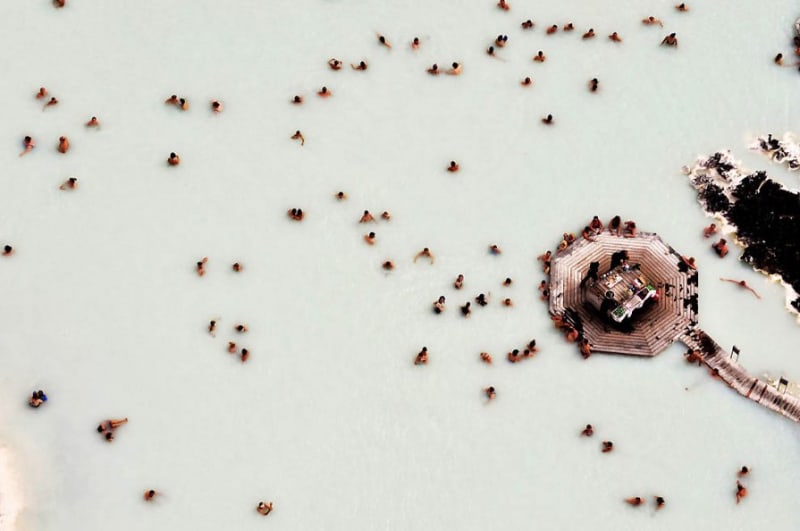
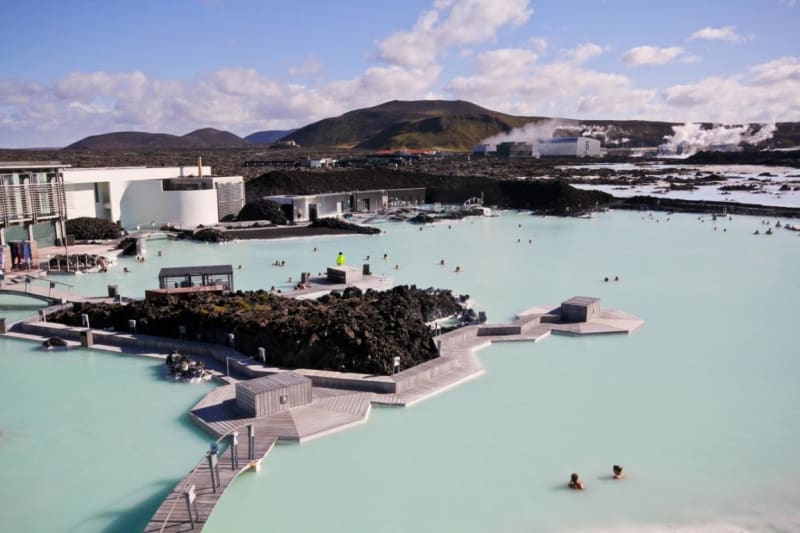
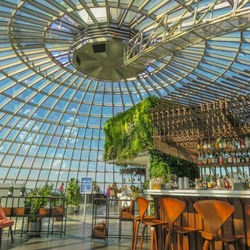
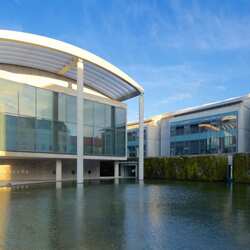
A SPA center, restaurants, bridges for convenience, and waterfalls have been built on the territory of the Blue Lagoon. To get to the center, you need to go through a passage cut through the lava. The clay at the bottom of the lagoon also has healing qualities, and you can use it to make a skin mask for yourself.
It is better to visit the lagoon in cool weather. Admission costs about 20 euros, and the time spent in the Blue Lagoon is unlimited, but it's hard to last more than two hours. In the complex you can buy natural cosmetics, take thermal baths, visit a clinic, a restaurant.
The most interesting thing is that hundreds of species of bacteria can survive in the Blue Lagoon, but according to research, no bacteria have been found in the water.
At least 300,000 people visit this place every year.