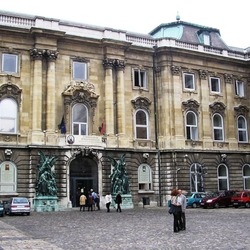
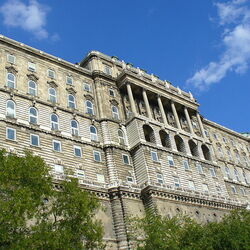
Mount Gellert
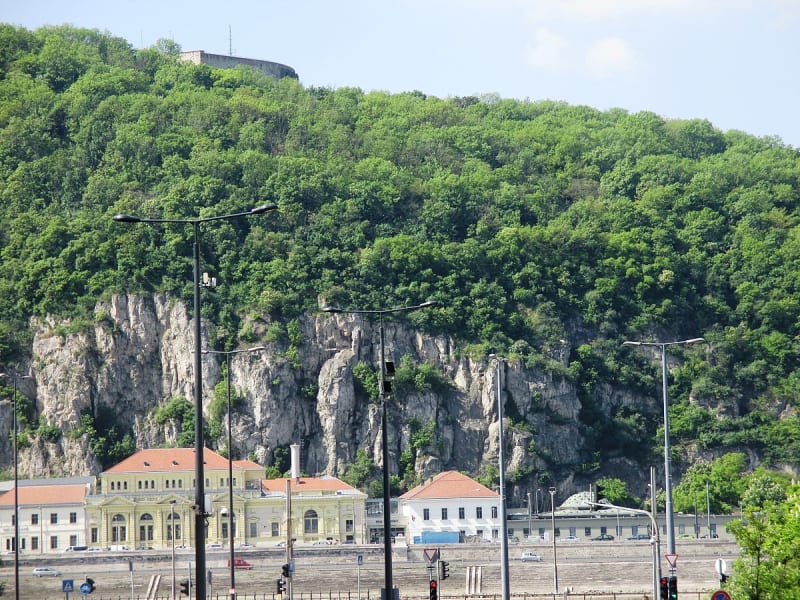
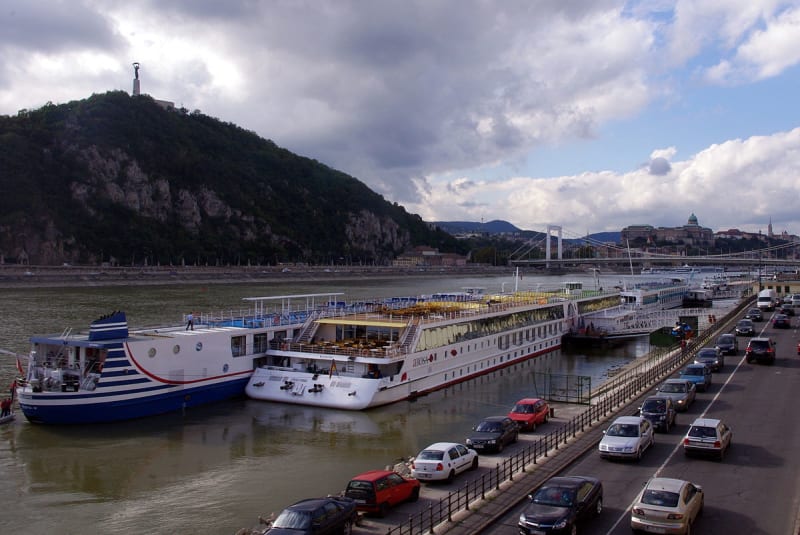
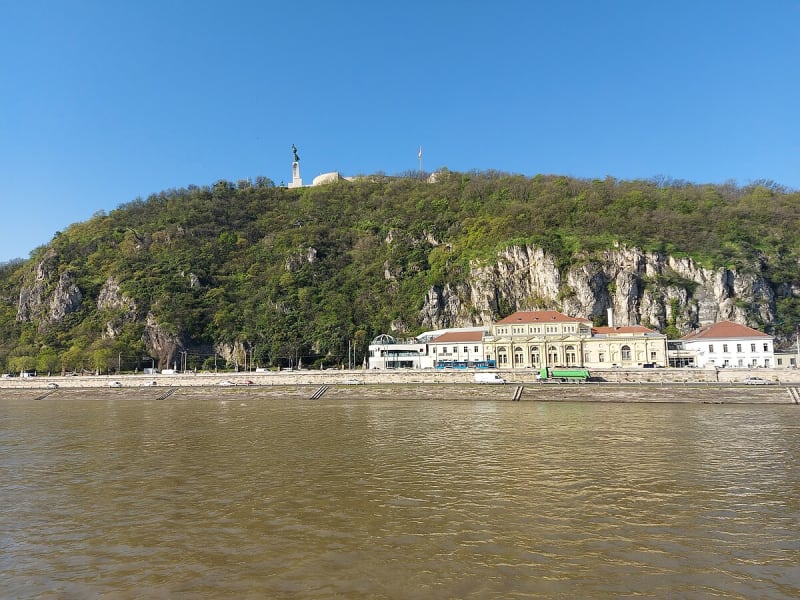
Mount Gellert was named after the Catholic Saint Gerard of Hungary. When you hear the word mountain, you see in your mind's eye, if not Everest, then something equally impressive and difficult for ordinary people to achieve. But Mount Gellert is not like that at all: to overcome it, you will need a pair of comfortable sneakers and a desire to conquer it. The hill is only 235 meters high, so you can go on an excursion with children and elderly relatives.
Attractions of Mount Gellert
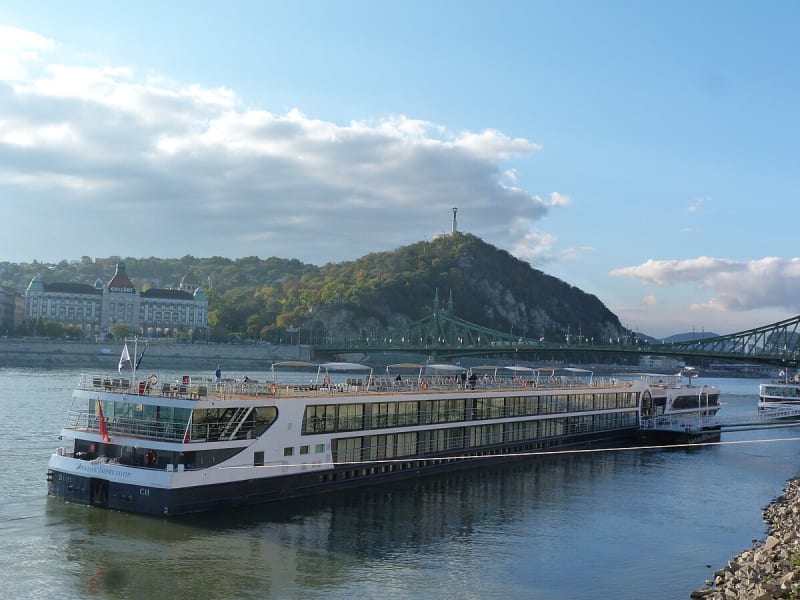
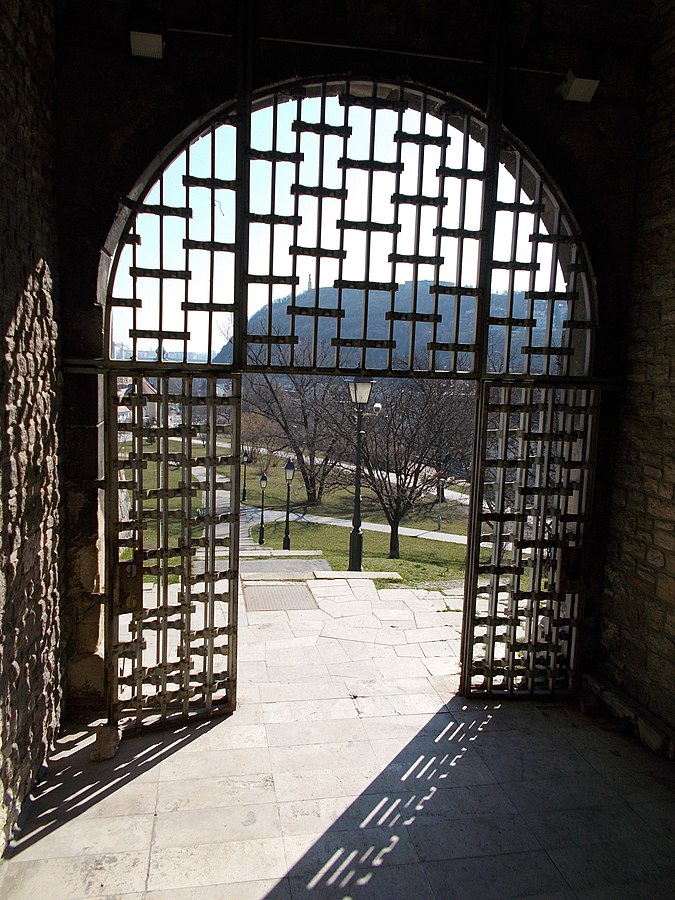
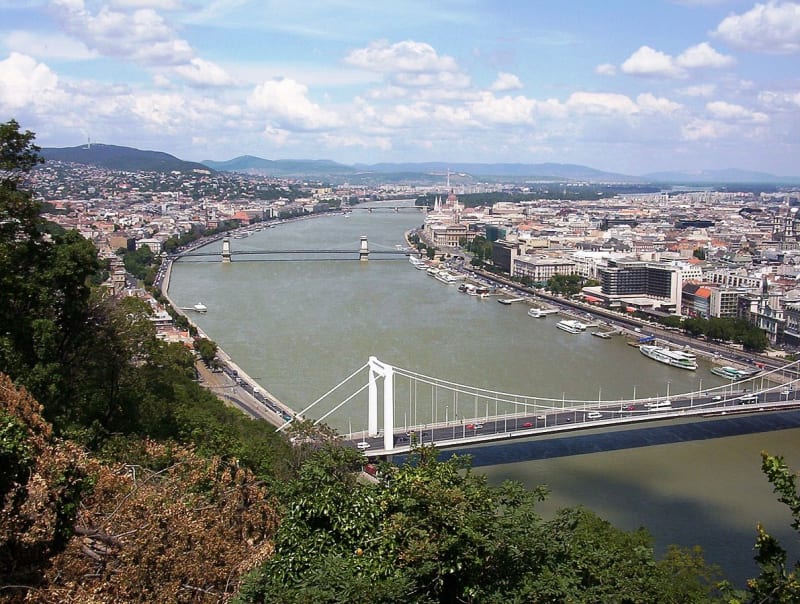
The most important attraction of the hill is the magnificent bird's-eye views of Budapest and its surroundings. It is for them that most tourists go armed with cameras and phones. But in addition to the beauties of the Hungarian capital, here you can get acquainted with the ancient history of a small European state.
The Citadel
For a long time, Mount Gellert served as a field for growing vineyards. But even then, the locals dreamed of getting rid of the tyranny of the Habsburg dynasty, who considered the area their territory and the population their subjects. The first uprising against the Austrian authorities took place in 1849. The rebellion was successfully suppressed by regular troops, but the royal family had to think about building a fortress that could become a stronghold for loyal subjects during subsequent expressions of discontent from ordinary peasants. They didn't think for long, and literally four years later, the construction of the formidable citadel on the mountain was completed. The location was not chosen by chance: the commanding height made it possible to shell a significant area without much damage to the garrison.
The fortress served as a defensive structure for almost 17 years: in 1867, the Austro-Hungarian Empire was formed, in which Hungarians began to be considered an equal nationality. The soldiers left the fortress, and the locals almost destroyed it in their joy. However, the fuse of emotions was only enough to destroy the gate. The citadel provided its cannon areas again in 1956, when the Soviet government was suppressing an uprising against the communist regime. Today, the Citadel is closed to the public, but behind it there is a picturesque place for walking with a pretty playground.
The Philosophical Garden
The small space of the Philosophical Courtyard always impresses with its silence. Tourists rarely get here, and those who come to a cozy place can admire the figures of eight philosophers arranged around an imitation of the Globe. And it will give you a vivid impression when visiting Mount Gellert.
Monuments
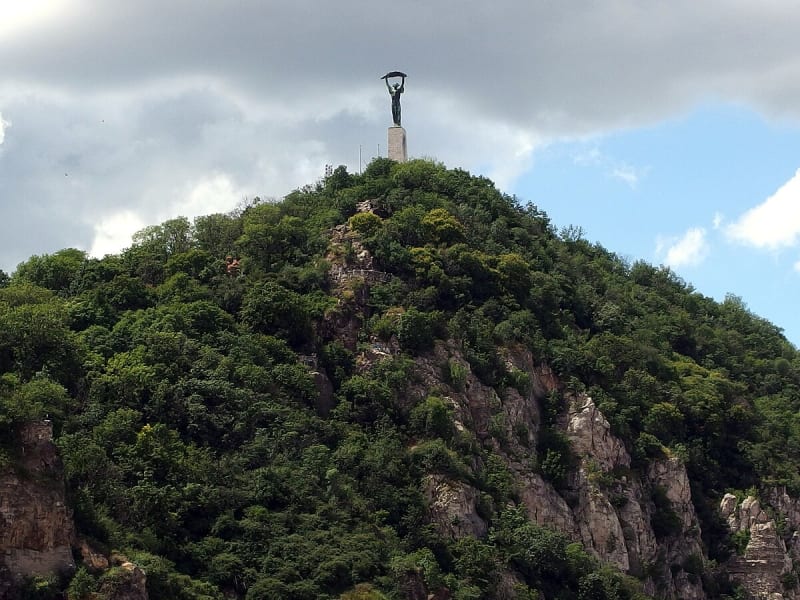
The first monument that travelers flock to is the Statue of Liberty. It is located very close to the ancient fortress and for a long time was considered a sign of the liberation of Hungary from the Nazis by the forces of the Red Army. Today, the sculpture is dedicated to all those who gave their lives for the freedom of the country.
The monument to King Buda and Queen Pest symbolizes the unity of the two banks of the Danube. Few people know about the unusual location of this monument: directly below it is the entrance to the reservoir of the capital.
Cave Church
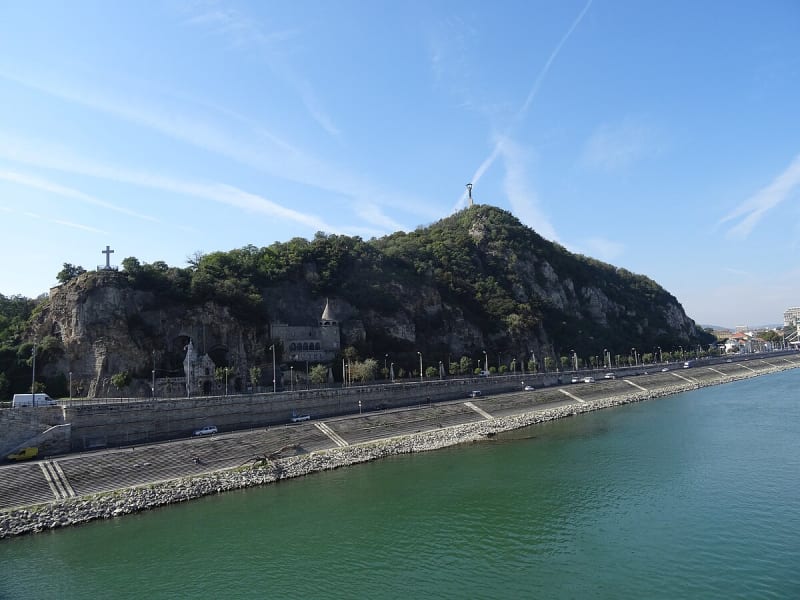
During the tour, those wishing to learn the history of Mount Gellert are told about this church. It is believed that a long time ago, a monk-healer lived in the cave, who relieved people of ailments through thermal waters and therapeutic mud. Later, the Catholic Church canonized him, the natural grotto became known as the cave of St. John (after the hermit), and in 1926 the Pauline temple was opened here.
During the Second World War, a hospital was located in the dungeon, and when socialism was established, it was completely walled up. The temple was returned to the faithful in 1989, so services are now being held here, and tourists can get inside for a small fee. There is another monument next to the cave, to King St. Stephen.