Quttinirpaaq National Park
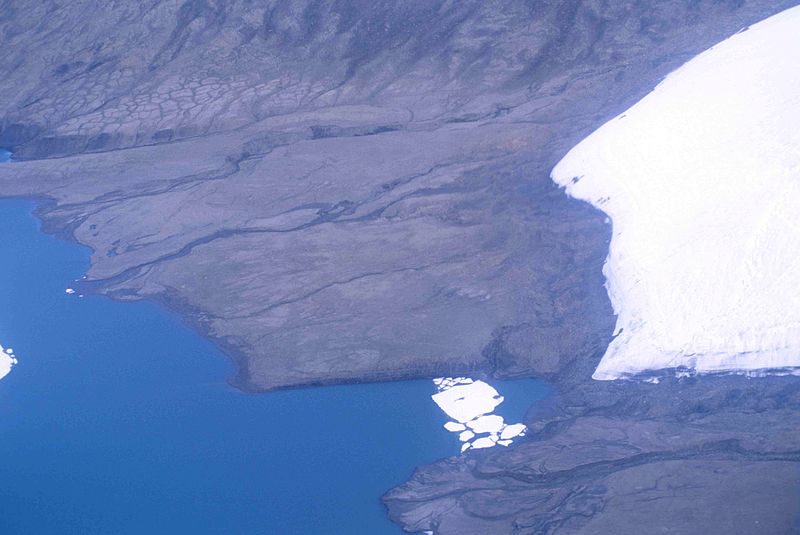
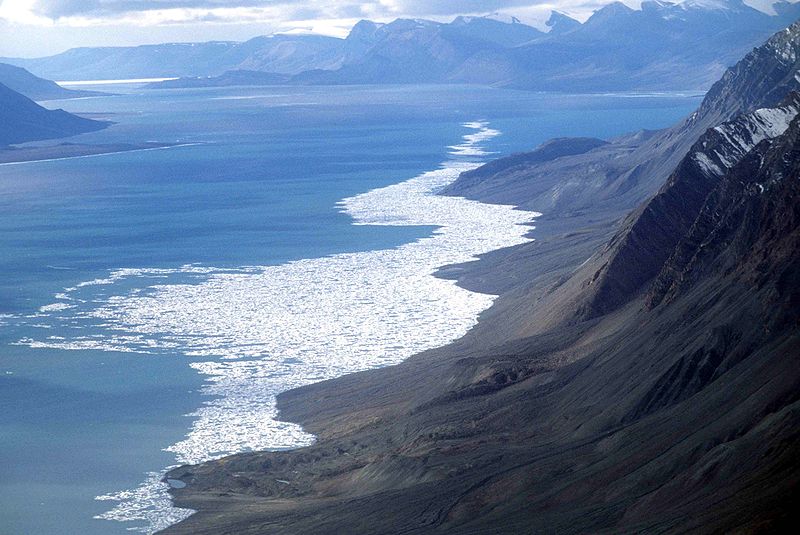
Kuttinirpaak National Park is located in the north of Canada, it is the second largest nature reserve in this country and covers 37,775 km2. The reserve acquired its name in 2001, which means "Top of the World". Kuttinirpaak is in the queue for inclusion in the UNESCO registers. A significant portion of the park is located on Ellesmere Island, which is 750 km away. from the North Pole. The reserve covers a stretch of the Arctic Ocean, as well as rivers, lakes, bays, and islands.
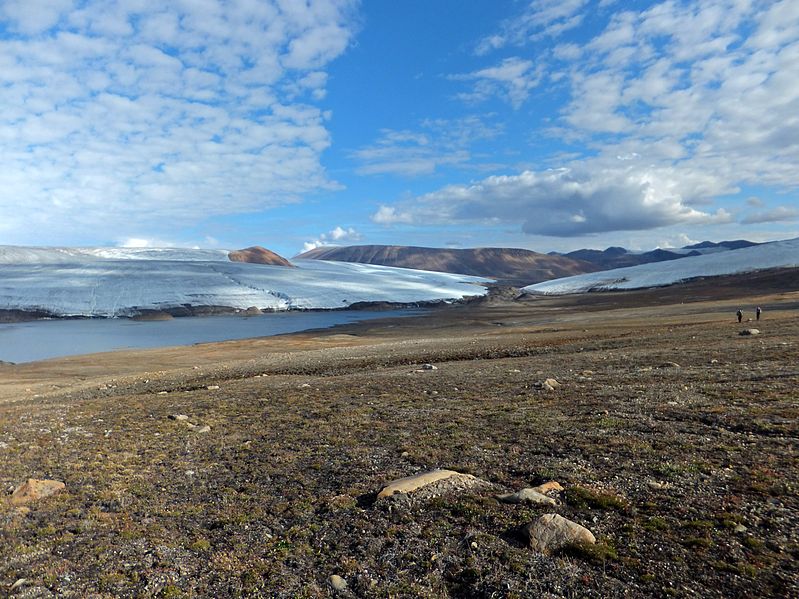
From the southwestern edge of Prince Patrick Island to northern Greenland stretches a huge mountain range called the Arctic Cordillera.
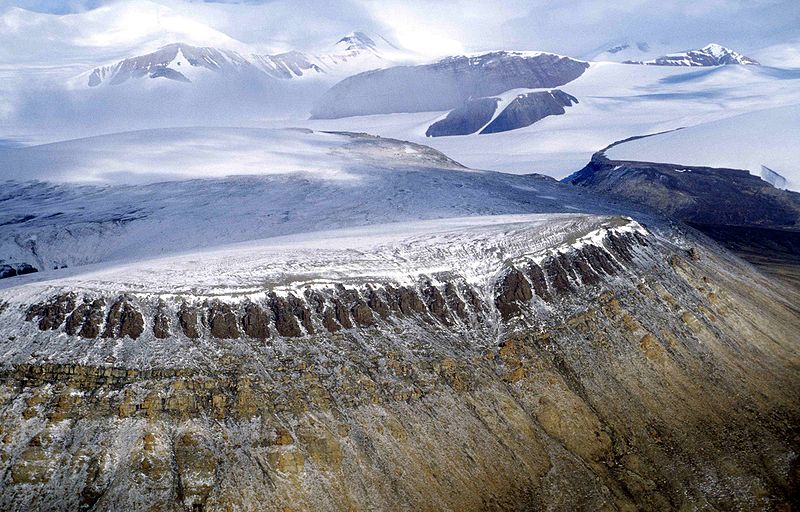
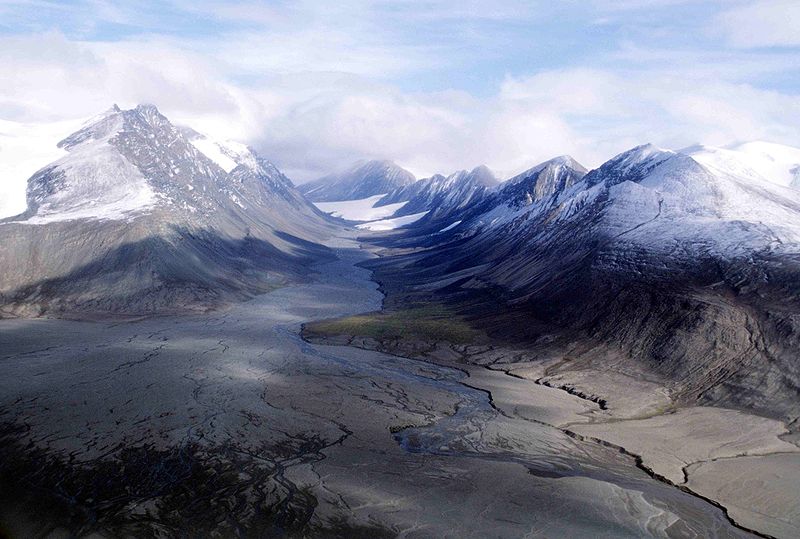
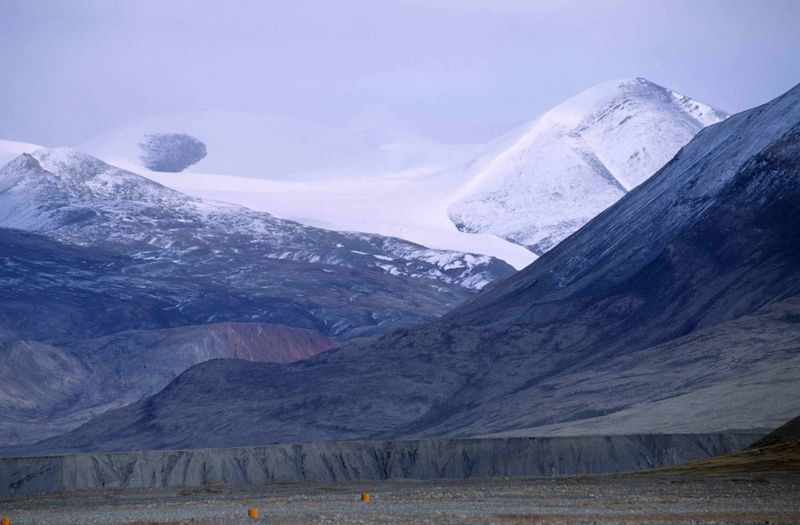
Most of the Kuttinirpaak Park is mountainous, with the name of the Mountains of Grant Land, their height reaches 1100 meters, and they contain inveterate glaciers. About 36% of the park is under glaciers that are 125,000 years old. Nunataks are also common here – these are peaks that protrude above the glacial covers that are on the ground, their height mostly reaches 2500 meters. The highest point of the nunatak and one among the northern peaks of the world is considered to be McClintock with Barbeau Peak, 2,616 m high.
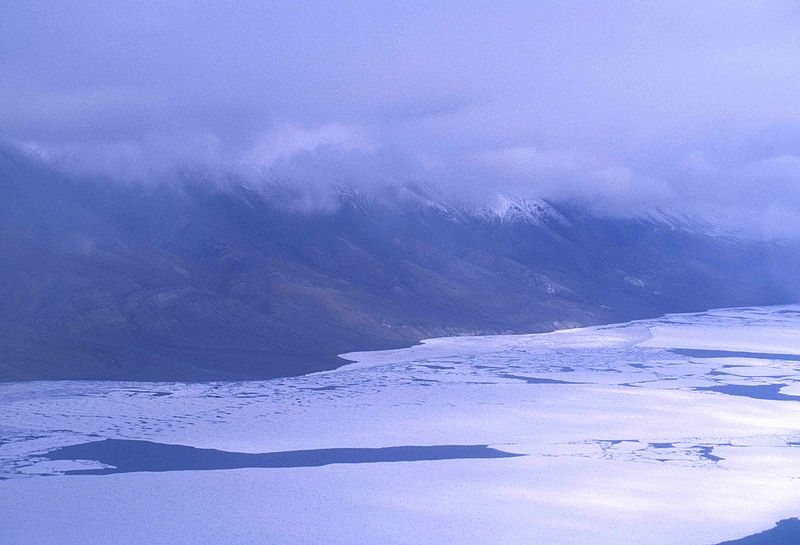
The climate of the park is very harsh. It is characterized by cold winters with record low temperatures on a thermometer in Canada. The winds in the park area are not very strong, but the weather changes very sharply. From late autumn to the end of winter, the polar nights last here. Summers are warm, but temperatures are not evenly distributed throughout the park, and it is usually warmer near Lake Hazen. From the end of spring to the end of summer is the period of the polar day. Snow can fall at any time of the year, as well as visibility loss for more than one day.
There are no conditions for a variety of flora in the park. Low temperature indicators, even in summer, make it possible to develop only such plant species as lichens, mossy, vascular. In the snow–free territory, you can find the polar poppy and opposite-leaved saxifrage, as well as the tallest plant in the park, the Arctic willow, which is the main food of animals.
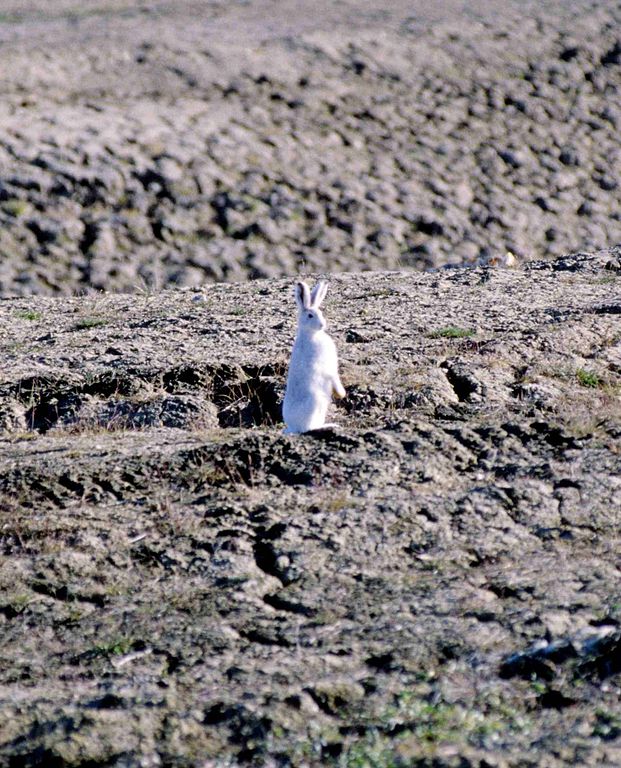
The animals of the Kuttinirpaak National Park include mammals, both marine and terrestrial. Sea hare, walruses, ringed seals are found on the coasts of the park. Packs of wolves roam the land, which prey on reindeer and polar hares. Polar bears like to forage for food from the sea on large ice floes. Marine swimming bird species dominate here. In the lakes, on the territory of the park, there is only one type of fish - the Arctic char, which feeds on sebaceous.
There is an opportunity to visit the park, but such tourists are recruited from 50 to 200 people a year. This is due to the lack of tourist routes in the Kuttinirpaak Nature Reserve and the high cost of such an expedition. The most favorable time for tourist visits is in July and August.