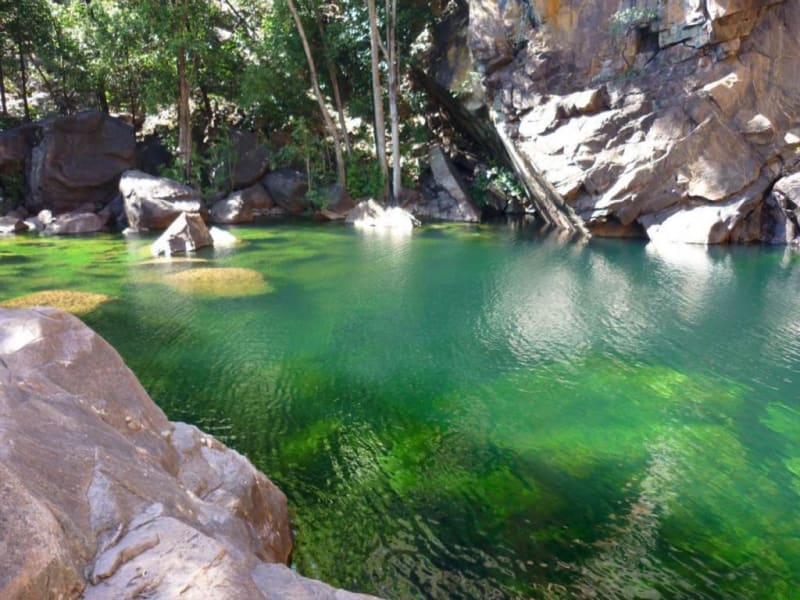
Kakadu National Park
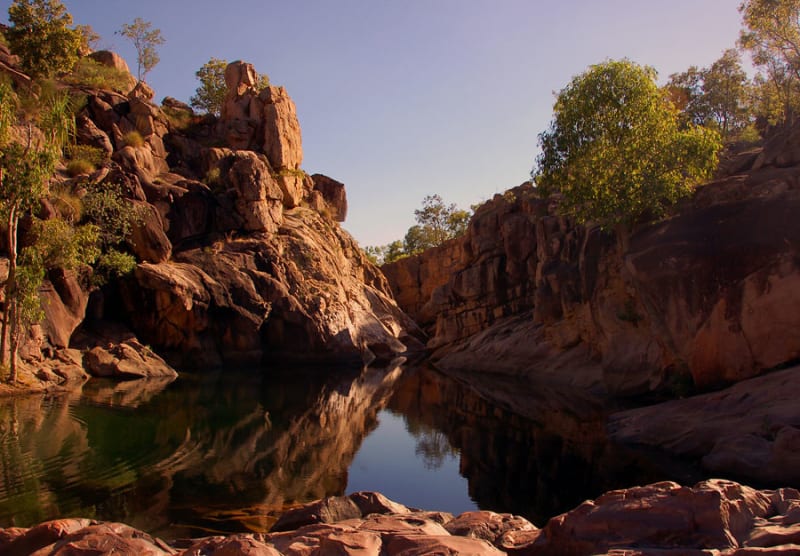
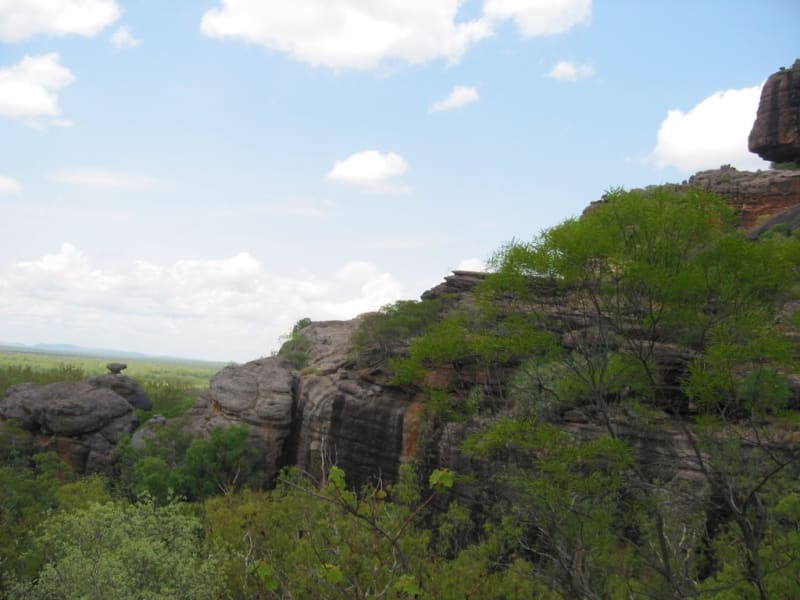
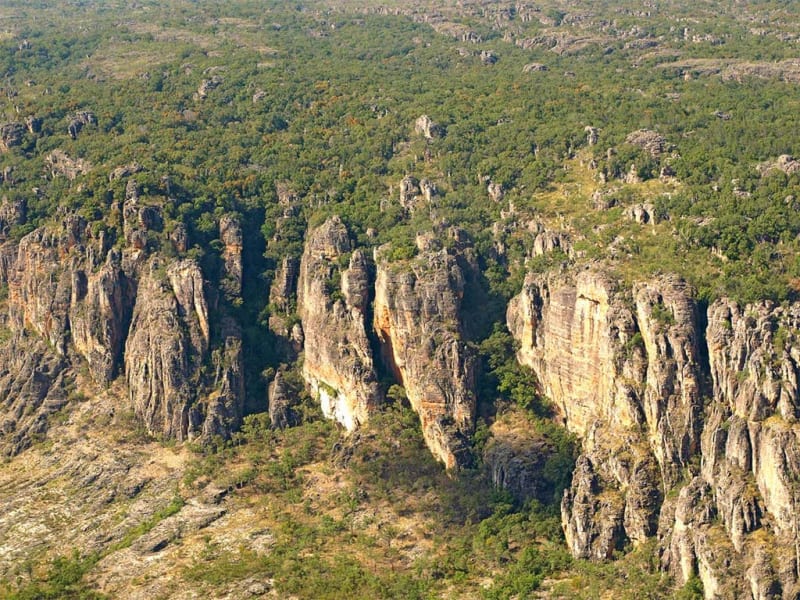
Kakadu National Park is a national park in Australia 171 kilometers east of Darwin. The park was founded in 1981 and is the largest park in Australia with an area of 19,804 km2. The natural boundary of the park is formidable, steep cliffs up to 500 meters high. They border the park, protecting it from storms. Kakadu Park is a unique archaeological, natural and ethnological treasure trove of the mysterious continent. The park got its name due to the incorrect pronunciation by Europeans of the name of the language of the aboriginal tribe – Gagaju.
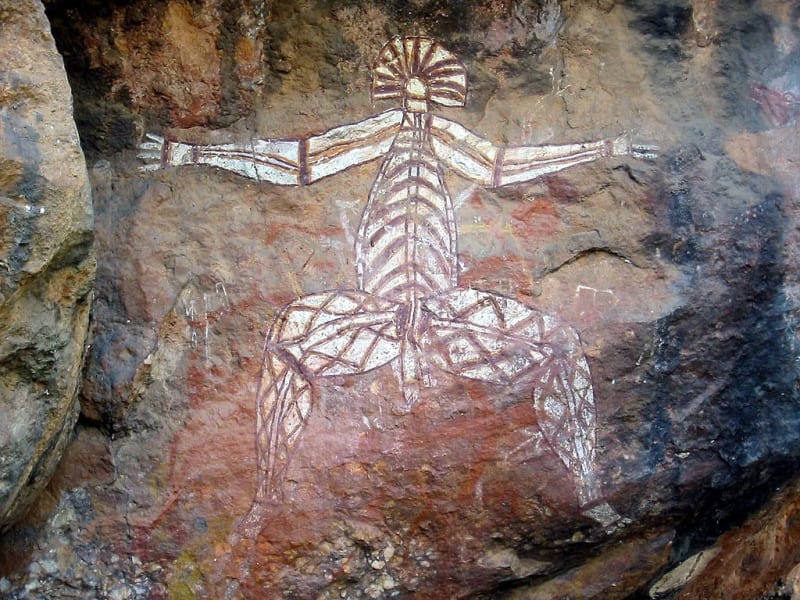
Kakadu Park is a unique archaeological, natural and ethnological reserve. There are two of the most famous caves with Aboriginal rock paintings in this area. The samples preserved here are considered the best in Australia and among the best in the world. The first human footprints found in this part of Australia indicate that he appeared here more than 50,000 years ago. Aboriginal rock carvings and writings, archaeological and paleontological excavations provide a more complete understanding of the life of local people from different times – from hunter-gatherers of prehistoric times to modern people. The age of the most ancient preserved rock paintings reaches 18,000 years. An original and unusual feature of the cave paintings of the aborigines of Kakadu National Park is the so-called "X-ray" style. The drawings convey not only the external appearance of people and animals, but also their internal organs.
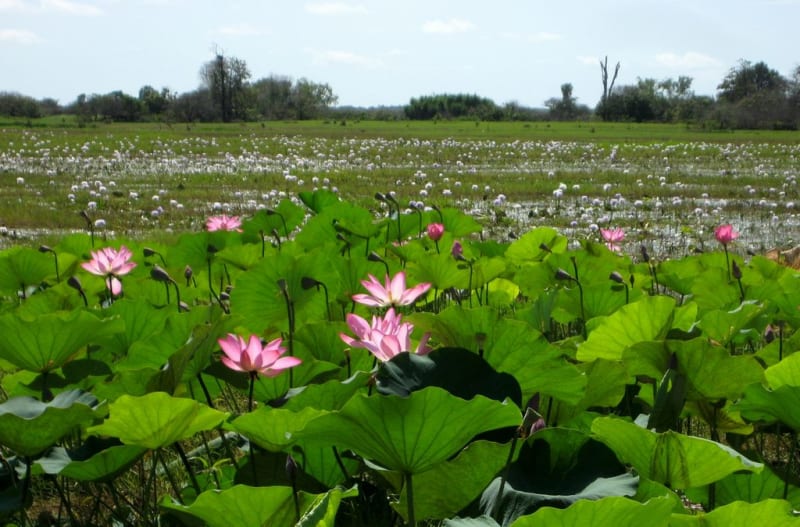
Cockatoo is a beautiful, green, rich corner of the Earth, just like all the other parks in Australia. In total, there are more than 1,700 plant species present here. Although the forests of Kakadu National Park look like they have never been trodden by human foot, this is not true. Such a rich and diverse natural world of Kakadu Park is primarily due to the diversity of habitats: in the park you can find areas of swamps and dense forests, deep-flowing rivers and open sunny glades. According to legend, the "first people" appeared in Kakadu back in the "time of dreams" or during the creation of the world, when our ancestors came out of the bowels of the earth, who, having wandered around the world, sank into the rocks, leaving only their imprints on the surface. The aborigines are sure that their ancestors still live in the southern part of the park, called the "land of disease," and therefore warn tourists to tread carefully and not wake the sleeping gods.
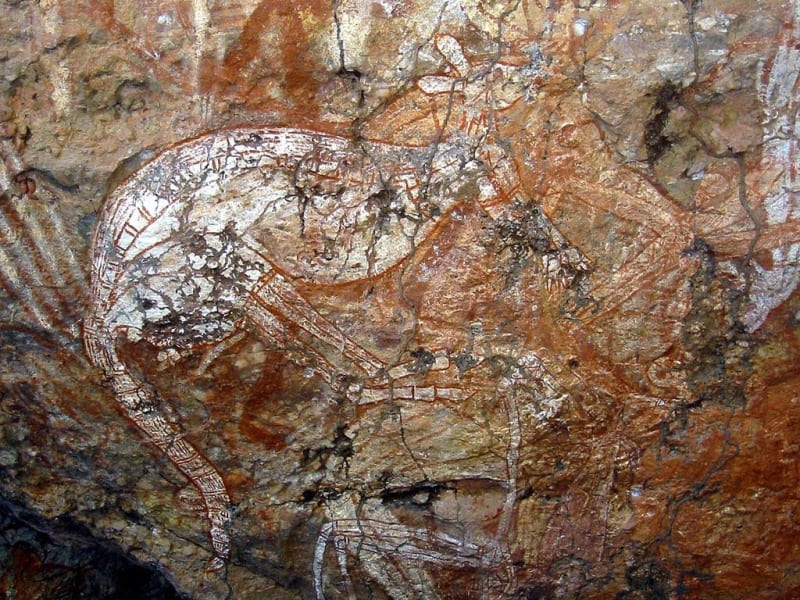
In Kakadu National Park, you can see many unique creatures. 280 species of birds, 60 species of mammals live here, and 117 species of reptiles and about 80 species of freshwater fish live in the basins of the Naorlanga Creek and Majela Creek rivers. From this list of living creatures, you can easily meet representatives of wildlife such as a cape lizard, tree frog, octopus, scorpion, locust of unusual bright red and yellow colors, monitor lizard, buffalo, wild boar, kangaroo. Two large rivers flow through the Park – Noarlanga Creek and Majela Creek. They are home to freshwater crocodiles that are safe for humans, as well as huge crested sea crocodiles that terrify all residents and visitors of the park, and Australia's legendary fish, the barramundi. This is one of the lungfish. The length of this fish can reach 2 meters. In the south of the Park, in the Woolwong Marshes, a vast wetland area teems with marsh and waterfowl, insects and reptiles. Another attraction of the park is the cascade of Twin Waterfalls, which is a truly breathtaking sight.