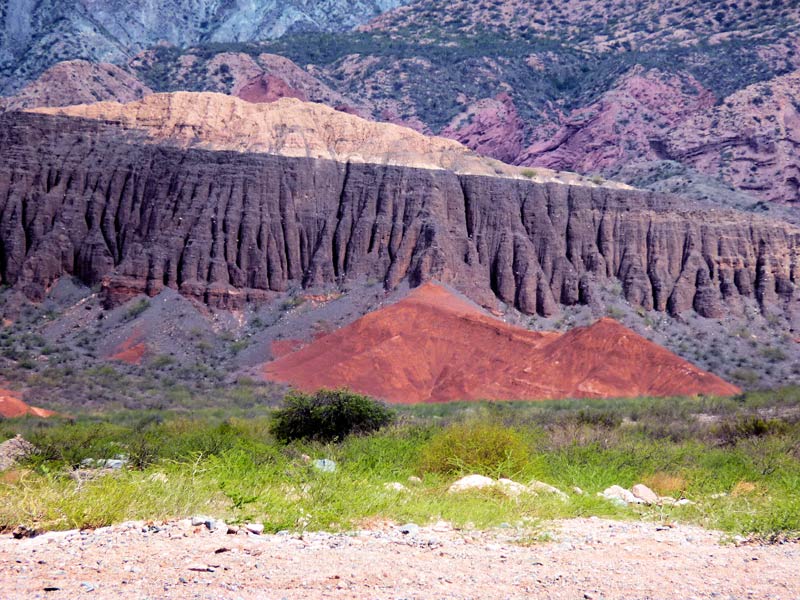
Quebrada de Humahuaca
Quebrada de Umahuaca is a colorful area that belongs to Argentina. This exquisite valley, located on the northwestern side of the state, has been a UNESCO World Heritage Site since 2003.
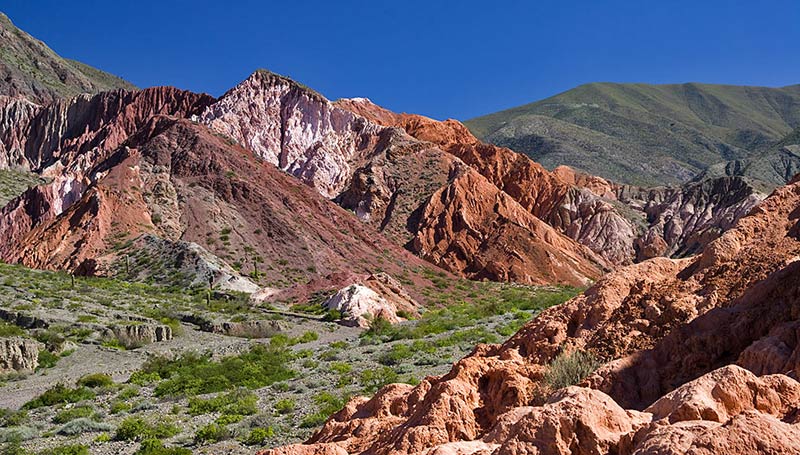
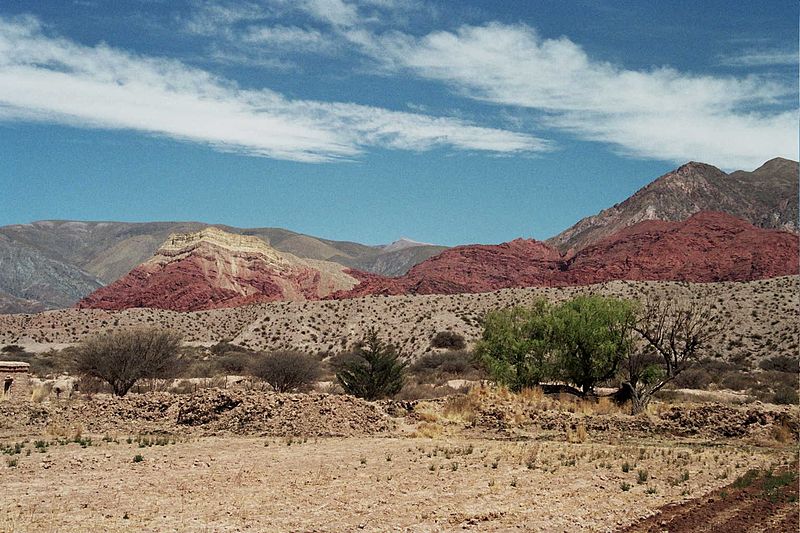
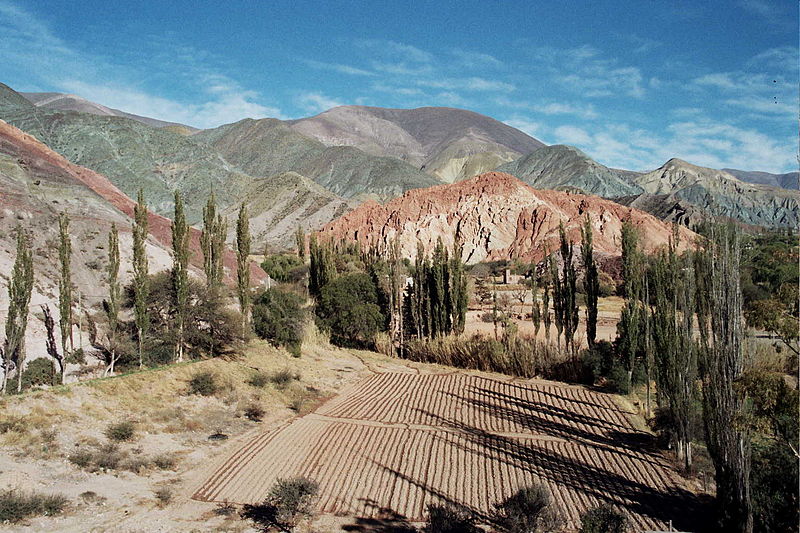
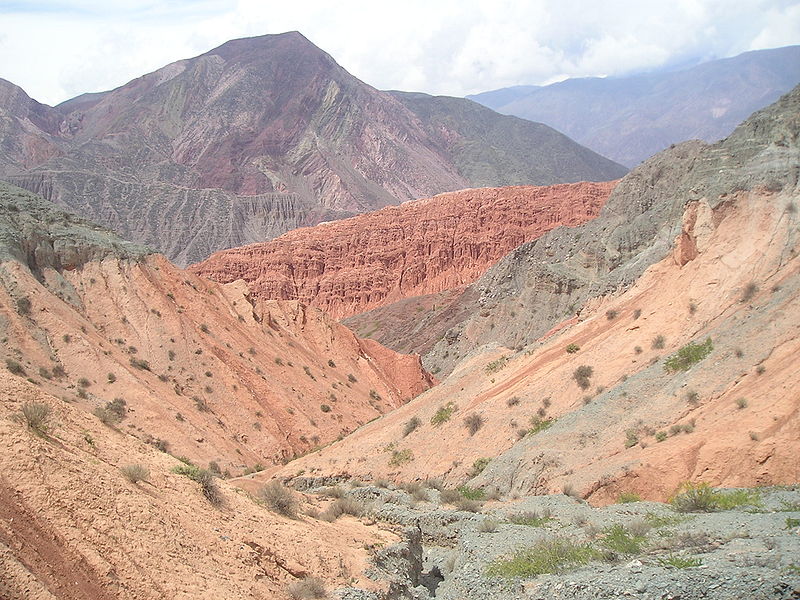
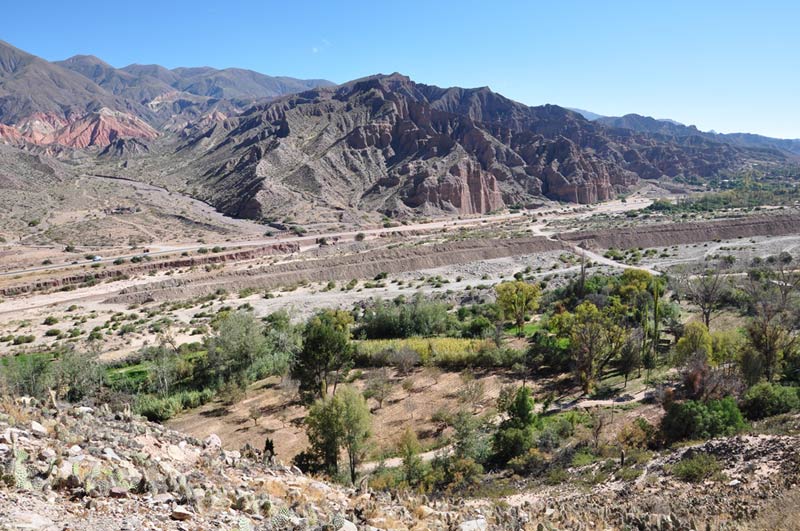
The Argentine valley of the Quebrada de Umahuaca is the most beautiful among all those located in the north-west of Argentina. Its territory is 155 km long and belongs to the province of Jujuy. A river called the Rio Grande flows here, which becomes very shallow in autumn and can even be crossed in some places. But when the rainy season comes, it transforms into a full-flowing river and confirms its name, which means "Big River" in translation. In the valley of the Quebrada de Umahuaca, it is impossible not to notice the beautiful cliffs, which are especially beautiful in this area. They contain several breeds of various shades and colors.
The oldest Native American settlements on these lands originated here more than 10,000 years ago. The general economic, as well as the traditional interchange of this region, is concentrated here. Back in medieval times, the Inca caravan trail passed through the valley of the Quebrada de Umahuaca, traces of which can clearly be traced in this territory. Also, a society has left its mark in this area, which was engaged in various primitive activities on the local lands. Local religion, celebrations, agricultural equipment – as proof of the presence of ancient mankind on these lands. Various structures, including fortresses and caves, have also survived to our times.
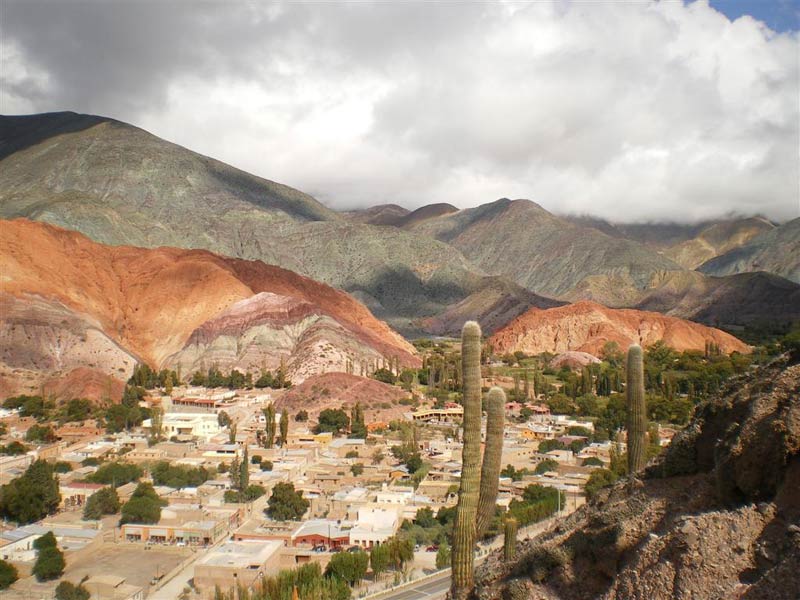
In Jujuy province, there is a place called Pukara, which means a stone fortress built by the Inca people. This castle has a special feature, because it was built according to a special system of this people. There is a wonderful Botanical Garden on Devil's Throat Mountain, which offers tourists an impressive panorama of the surrounding lands. And there really is something to see here, because the valley of the Quebrada de Umahuaca gorge is a very attractive area, which is decorated with relief colorful banks of the Rio Grande.
Among the indescribable natural beauty, there are small settlements, the locals of which are happy to support the traditions of the people who were the indigenous population.
This is a very interesting part of the Argentine lands, with beautiful landscapes and a population that is only slightly influenced by the modern world.