Los Glaciares National Park
Los Glaciares is a national park of Argentina, located on an area of 4,459 km2.In terms of its area, the park is considered the 2nd largest after Nahuel Huapi. The glaciers of the park are also the largest in terms of territory after Greenland and Antarctica. In 1981, Los Glaciares was listed as a World Heritage Site.
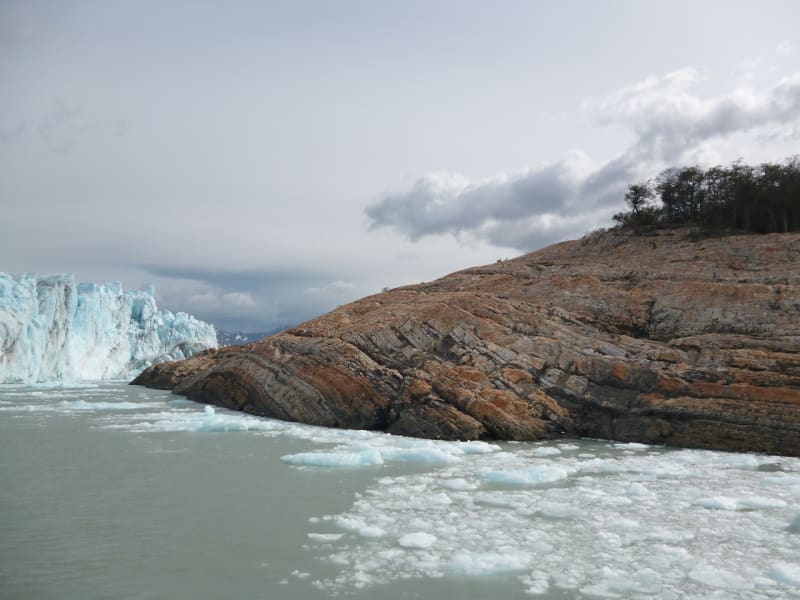
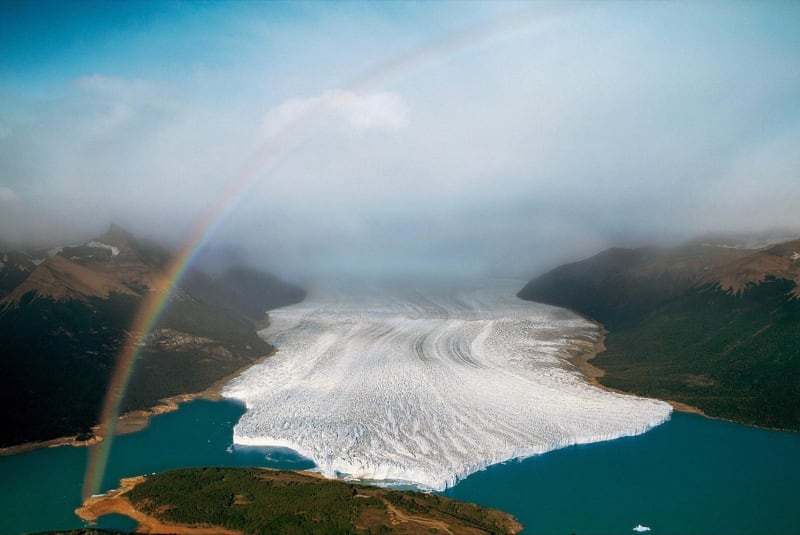
Favorable conditions have been created in these places for the formation of the ice sheet. The relief of the park is 30% ice-bound, which is divided by 2 lakes - the largest lake in Argentina, Lago Argentino in the south, and Lake Viedma in the north. Viedma covers an area of 1,100 km2 and is named after the people who first explored the area, Francisco and Antonio Viedma. Lake Lago Argentino covers an area of 1,400 km2 with an average depth of approximately 300 meters. Lakes fill the Santa Cruz River with water, flowing next to the Atlantic Ocean. There is a central area between the lakes, which is closed to travelers.
Glaciers
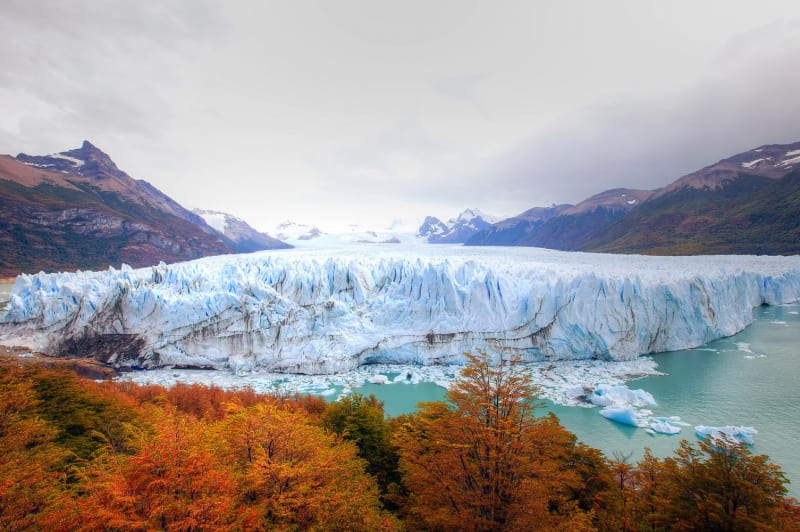
In the north of the park, in addition to Lake Viedma, there is a glacier of the same name, small glaciers and a pair of mountains that are in high demand among climbers. There are large glaciers on the south side: Perito Moreno, Spegazzini, Uppsala. The Perito Moreno Glacier is easily accessible on foot, while the other 2 can only be reached by boat.
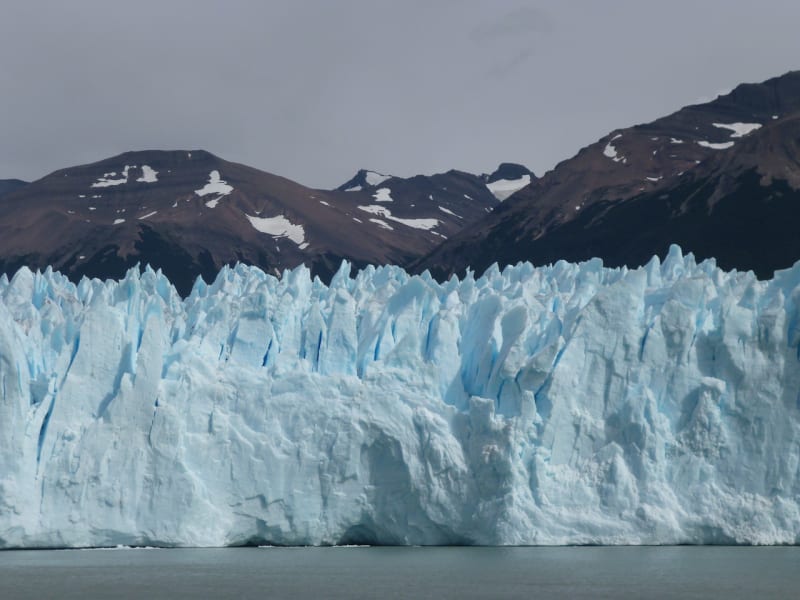
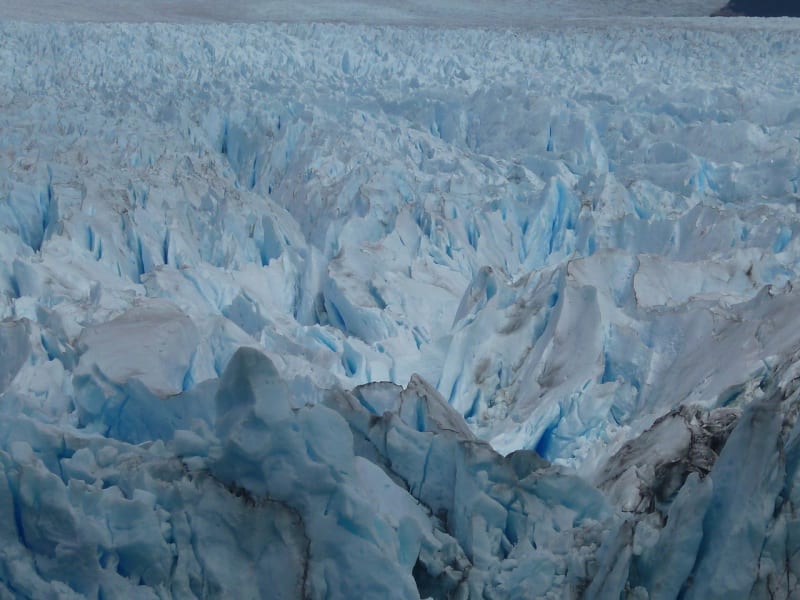
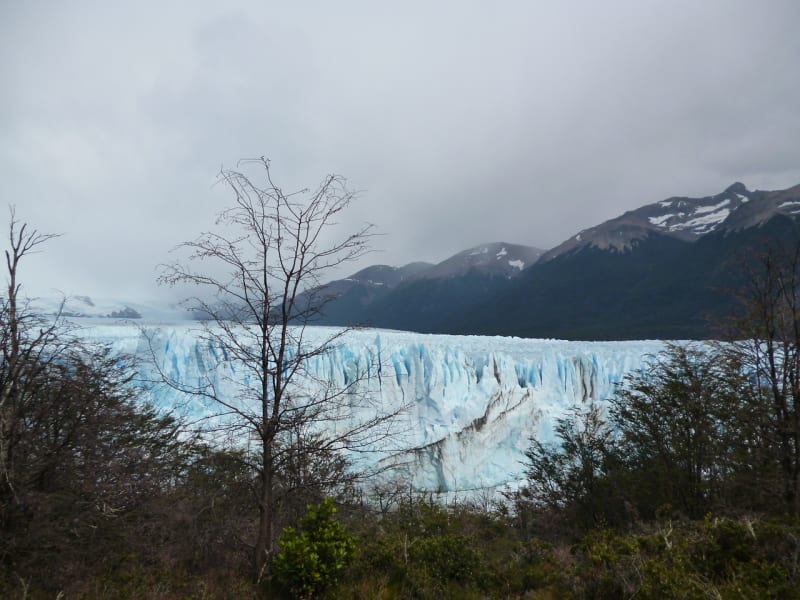
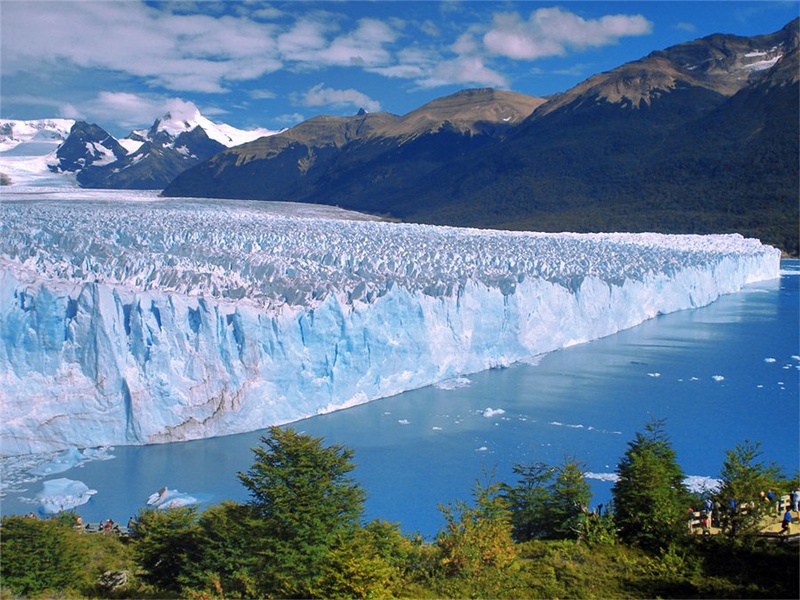
Perito Moreno is the most famous glacier of Los Glaciares Park, approximately 50 meters high and 4 km long. The glacier formed 30,000 years ago. The name of the glacier translates as "Scientist Moreno", named after the Argentine scientist. The glacial plateau itself is the world's third largest freshwater reserve, and according to scientists, the plateau has a special ability to maintain a balance that prevents it from melting. For travelers, a short walk along the glacier is arranged. During the walk there are: small lakes of meltwater, faults, sewage pipes. You can also take a boat 200 meters up to the glacier to feel the full power of this glacial massif.
Flora and fauna of Los Glaciares
In Los Glaciares, vegetation is represented by subantarctic and Patagonian forests, as well as Patagonian steppes, in which more than 100 species of birds can be found, of which it is worth noting: the long-billed nanda, the Andean condor, the black-necked finch and the spurred duck. Of the animals, guanacos, llamas, Patagonian hares, gray foxes, and cougars often catch the eye. In Los Glaciares, you can also meet the Andean deer, listed in the International Red Book.
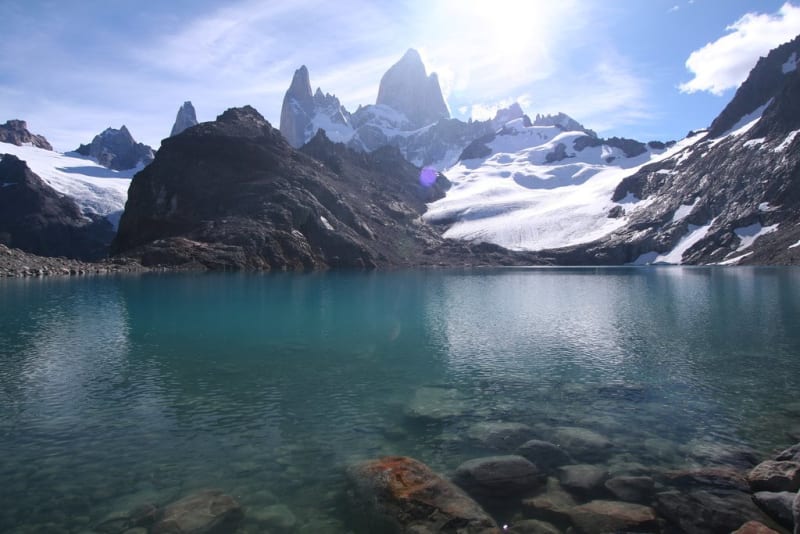
Los Glaciares is famous among travelers. Almost all tours of the park start in the town of El Calafate, located near Lake Lago Argentino and the village of El Chalten in the north of the park near Mount Fitzroy. Mount Fitzroy is also famous among travelers. It was discovered by Francisco Moreno in 1877 and decided to name it after the captain of the ship "Beagle" Robert Fitzroy. The crew of the ship "Beagle" played a significant role in the annals of geographical discoveries, Charles Darwin also sailed on the ship. The Indians named one of the peaks of Mount Fitzroy El Chalten, which is also the name of the nearby village at the moment. The village has all the necessary travel services. Trails of varying difficulty and length start from it. Laguna de los Tres is the most fascinating of them, the road there is very difficult and you will have to travel 20 hours there and back, but the scenery along the way is worth it. You can fish in the local lakes, but you need to purchase a license from the National Park office.
Horse riding is organized in Los Glaciares, which will be a lot of fun. Horseback riding starts at travel agencies in El Calafate. Thousands of travelers from all over the world visit Los Glaciares every year. The park is best visited in summer, which in the Southern Hemisphere falls between October and March.