
Overview
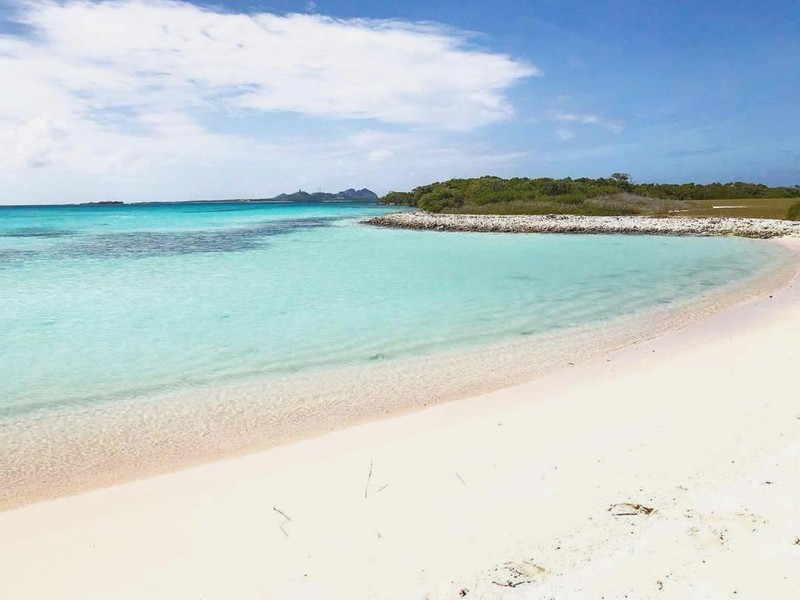
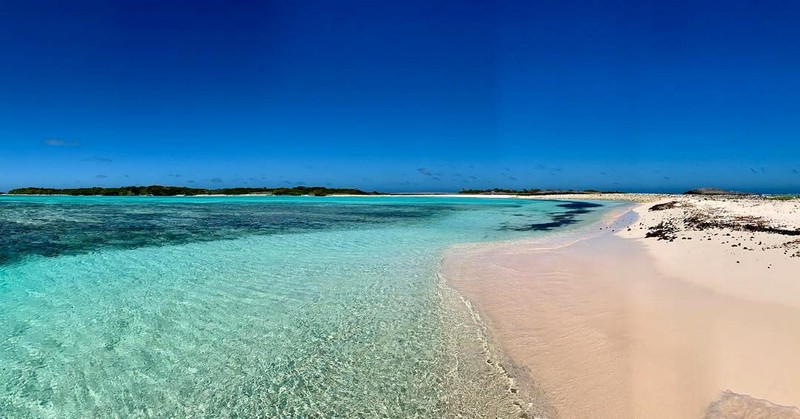
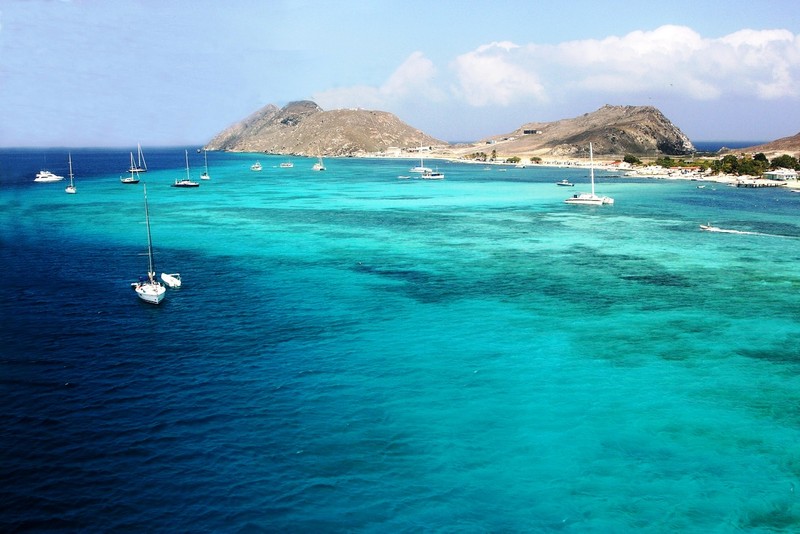
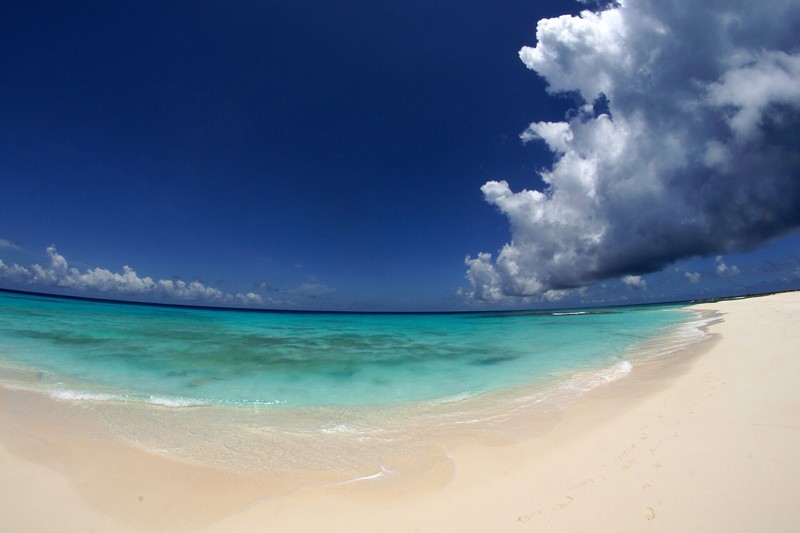
Los Roques National Park is a marine archipelago in the Caribbean Sea, north of Venezuela's coast. It is known for white-sand beaches, shallow lagoons, coral reefs, and clear water that ranges from pale turquoise to deep blue. It is one of the most remarkable natural destinations in the Venezuelan Caribbean.
The archipelago lies approximately 160–180 km north of La Guaira, the nearest major mainland port. The national park was established in 1972 to protect its distinctive marine and coastal ecosystems. Its territory includes numerous islands and small sandy shoals known as cayos.
Islands and landscapes
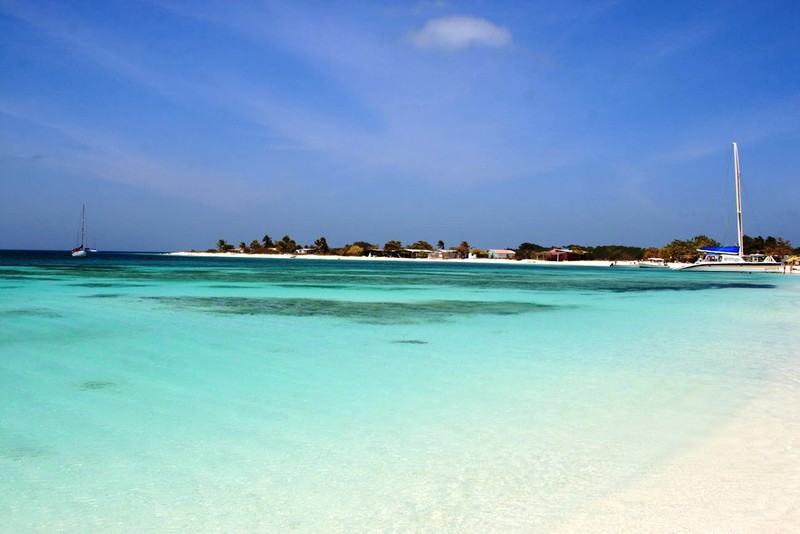
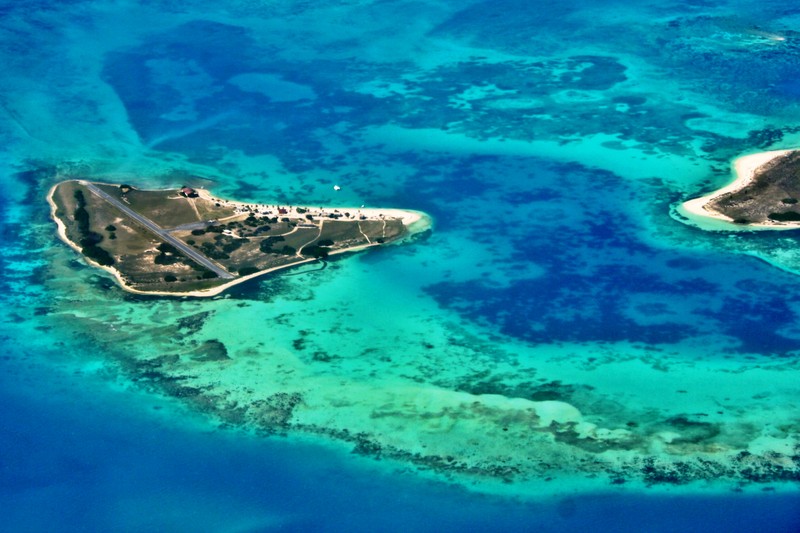
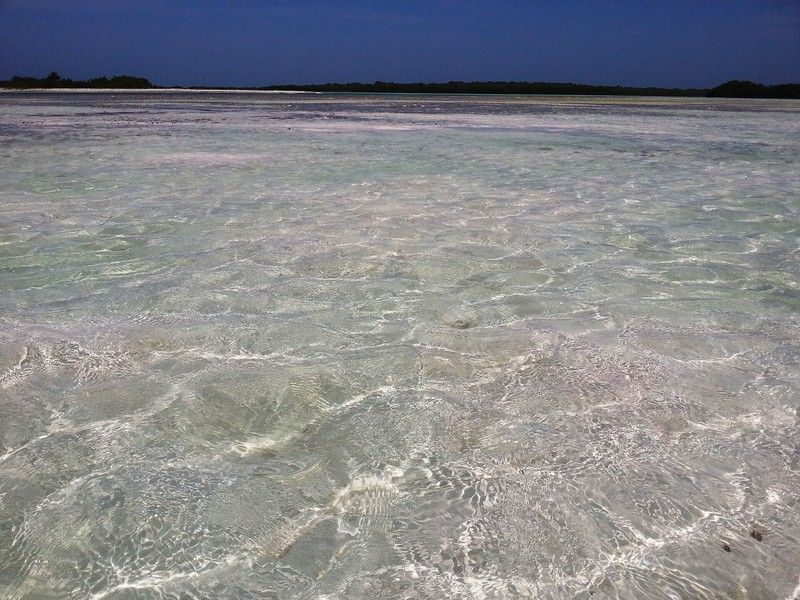
Los Roques is a coral atoll made up of low islands, sandy spits, shallow lagoons, and extensive areas of shallow water. Coral reefs partly shelter the inner waters from ocean waves, leaving some areas calm and exceptionally clear.
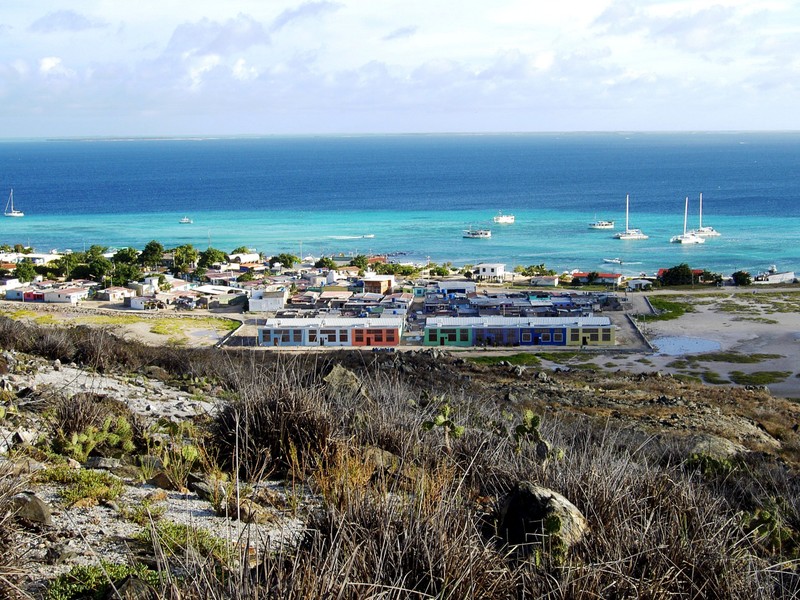
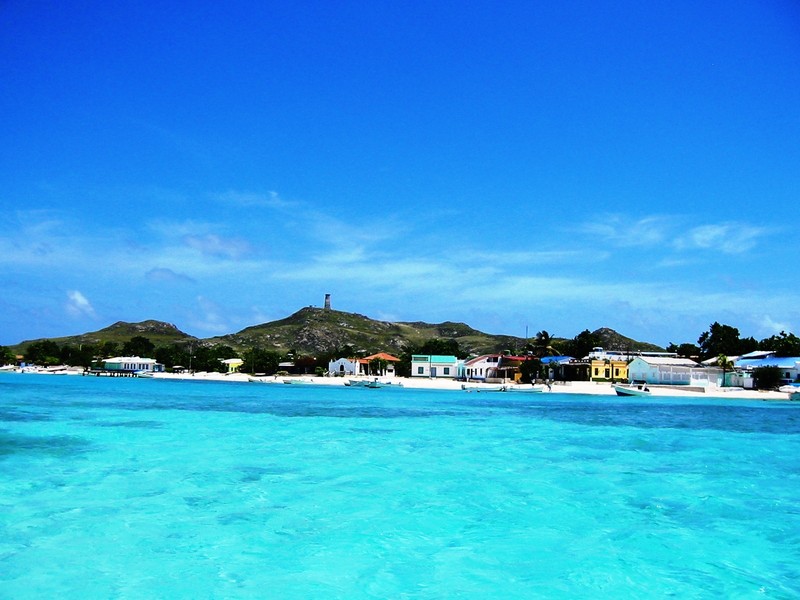
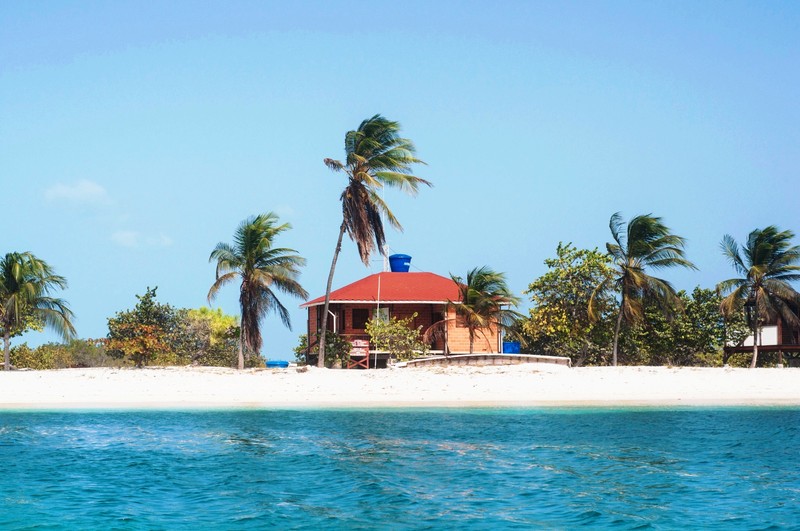
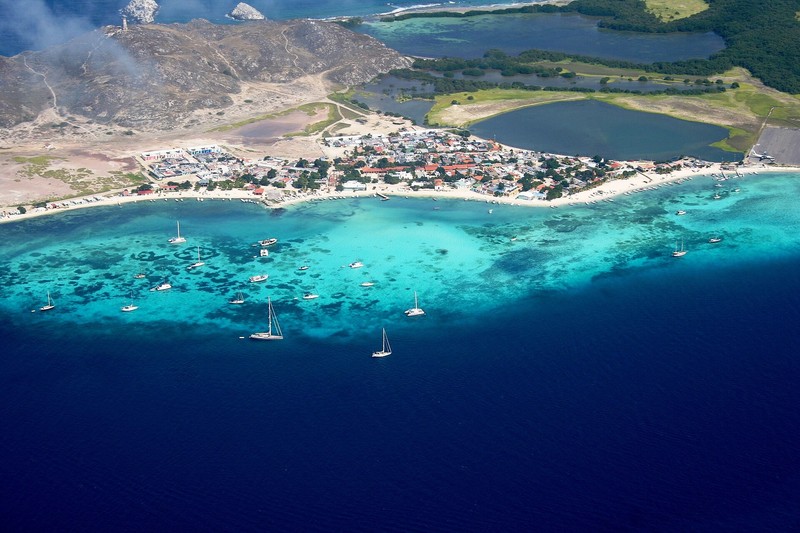
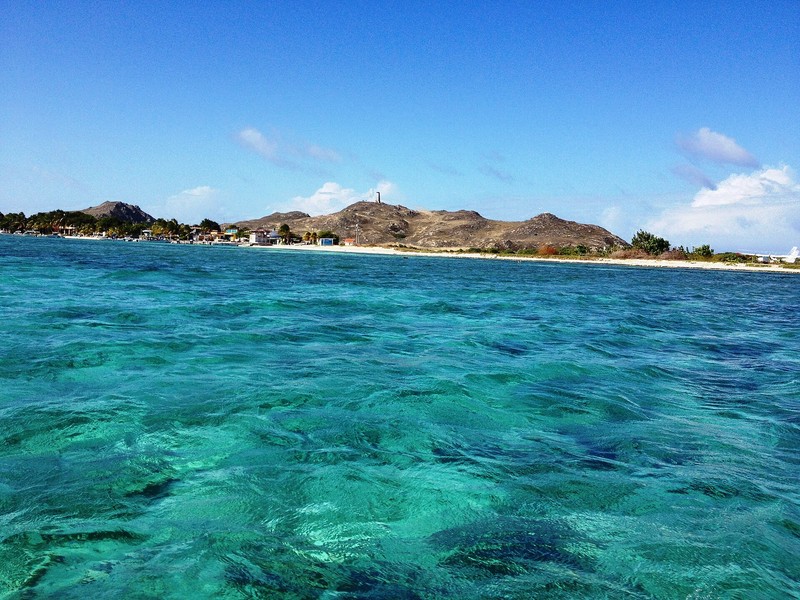
The main island is Gran Roque, where most tourist facilities, a small settlement, and the airport are located. Other islands and shoals attract visitors with secluded beaches and opportunities to spend a day away from inhabited areas.
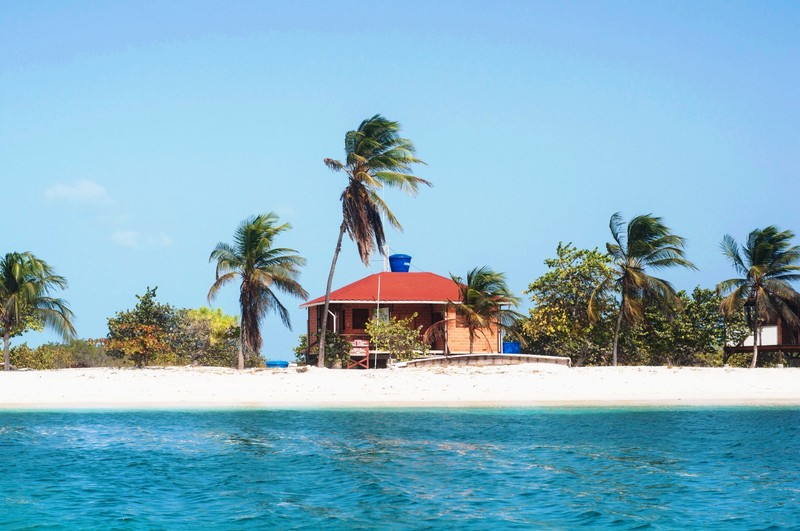
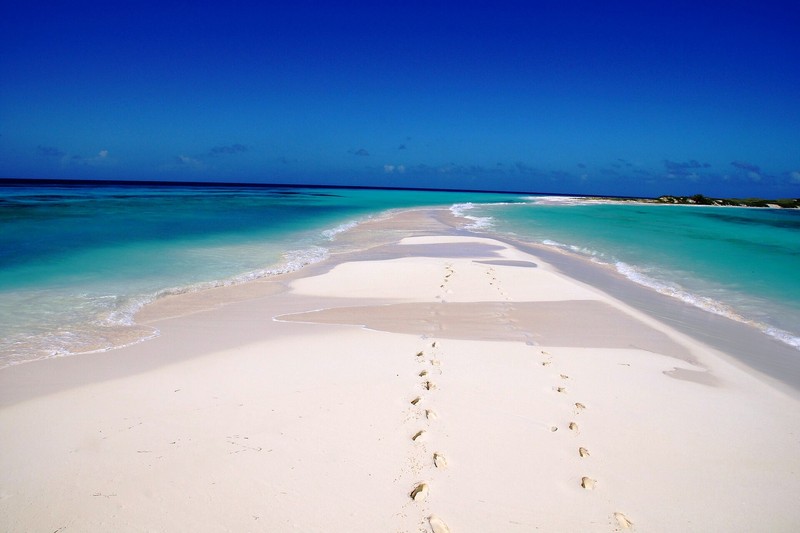
Among the best-known places are Cayo de Agua, famous for its sandy strip connecting sections of land, and Francisqui, popular for its pale sand and clear water. Visitors also travel to Crasqui, Madrisqui, and other small islands. Access to some areas may be restricted under conservation rules.
Coral reefs and marine life
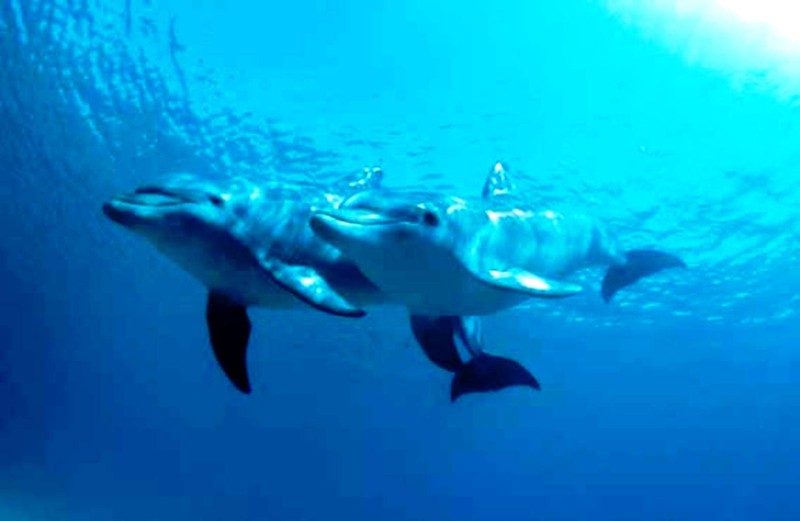
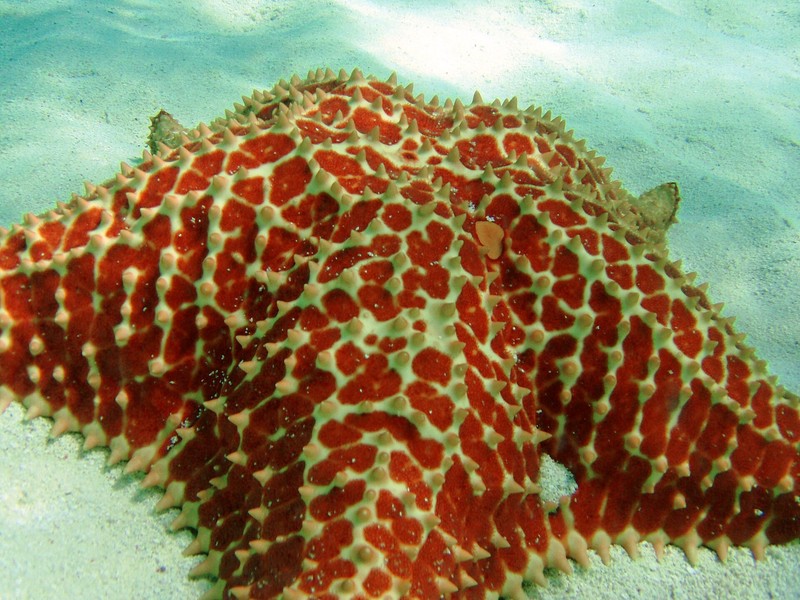
The park's main natural assets include coral reefs, seagrass beds, mangrove areas, and shallow lagoons. These ecosystems provide shelter and feeding grounds for many marine organisms. Tropical fish, rays, sea turtles, and crustaceans live in the surrounding waters.
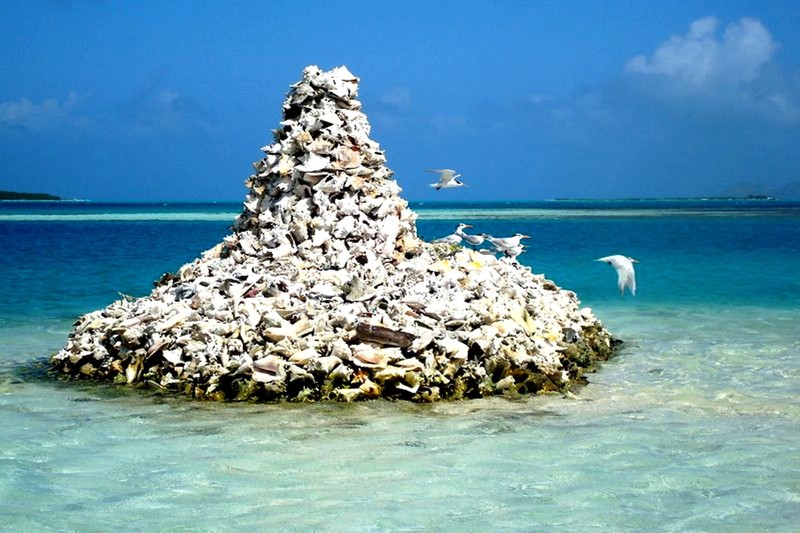
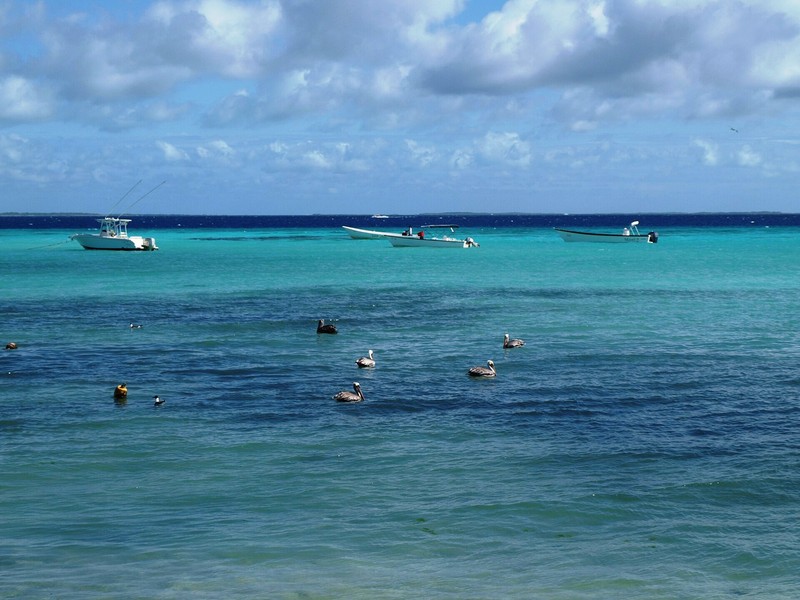
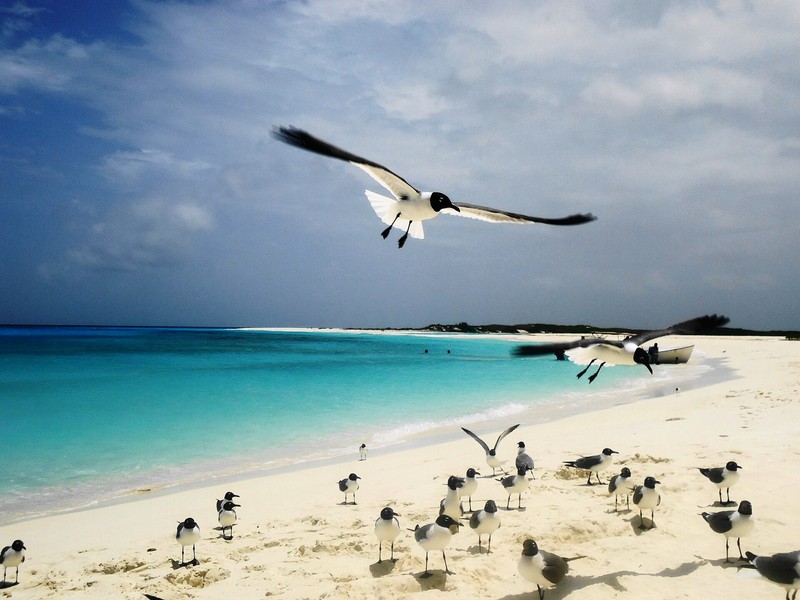
Los Roques is also important for seabirds. Pelicans, terns, boobies, and frigatebirds can be observed on islands and shoals. Some areas serve as nesting sites for birds and breeding grounds for marine animals, so visitors should respect restrictions and keep away from protected zones.
Things to do
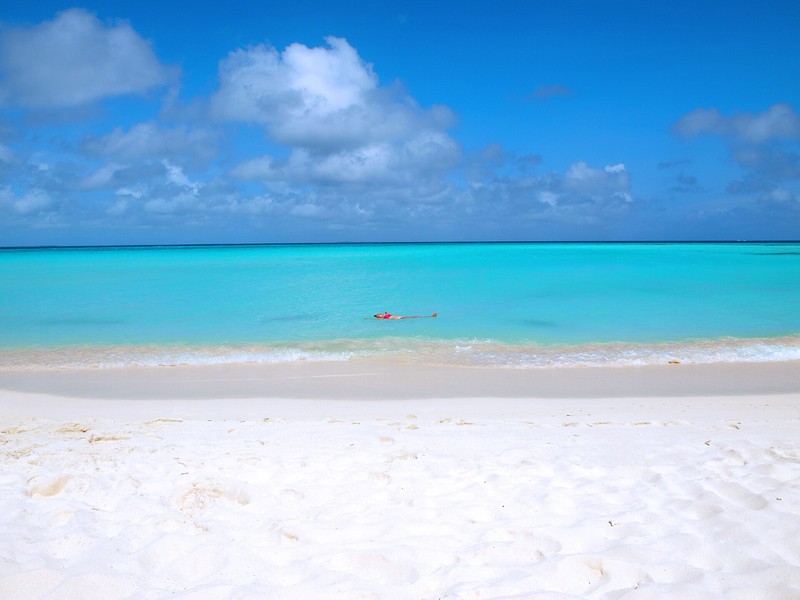
Boat trips to islands and beaches are one of the most popular ways to explore Los Roques. Depending on the route, visitors can swim in calm lagoons, relax on white sand, and enjoy views across the coral archipelago.
Clear water offers good conditions for snorkeling and diving in permitted areas. Underwater excursions reveal corals and tropical fish, but reefs must not be touched or stood on, and marine organisms must not be removed. With open waters and steady trade winds, the archipelago can also be suitable for sailing and kitesurfing when conditions allow.
Nature lovers can watch birds and learn about coastal ecosystems. Sea turtles and other wildlife are not guaranteed sightings; encounters depend on the season, location, and natural conditions.
Climate and best time to visit
Los Roques has a warm and relatively dry climate throughout the year. Air temperatures generally range from about 27 to 32 °C. The drier season often runs from December to May, when sunny weather is especially convenient for beach visits and boat trips. Rain is more likely from June to November, although showers are often brief.
Wind and sea conditions should be considered when planning a trip because they can affect access to individual islands and boat schedules. Check the forecast and marine transport arrangements before departure.
How to get to Los Roques
Most journeys begin in Caracas. Gran Roque can be reached by domestic flight; schedules and transport arrangements vary by season and airline. From there, visitors travel to other islands by boats operated by local providers.
Most small islands have no permanent facilities, so it is wise to bring drinking water, sun protection, and personal essentials. Check with local services and park authorities about overnight stays, access to specific zones, and permitted activities.
Responsible tourism
Coral reefs, seagrass beds, and bird habitats are sensitive to human impact. Do not leave litter, collect shells or coral, feed wild animals, or anchor on reefs. Follow approved routes and the instructions of guides and national park staff.
Responsible visits help preserve Los Roques' clear lagoons, white beaches, and rich marine life for future generations.
Gallery