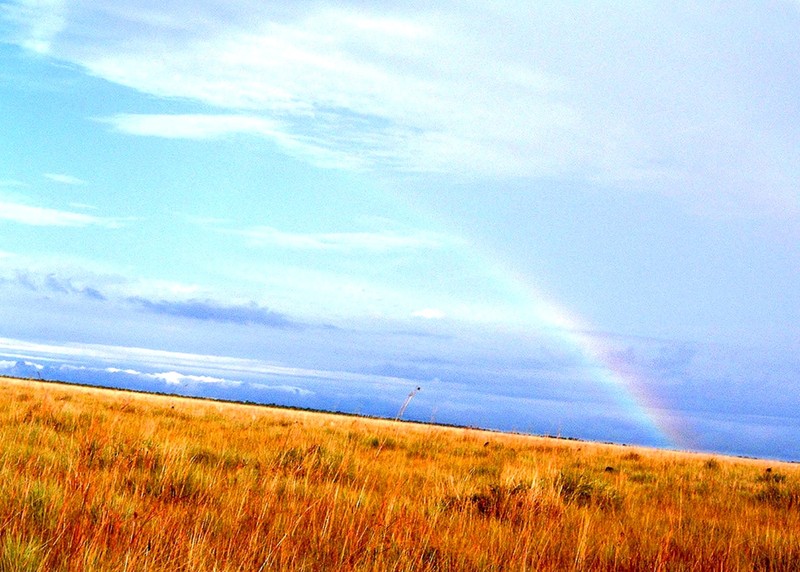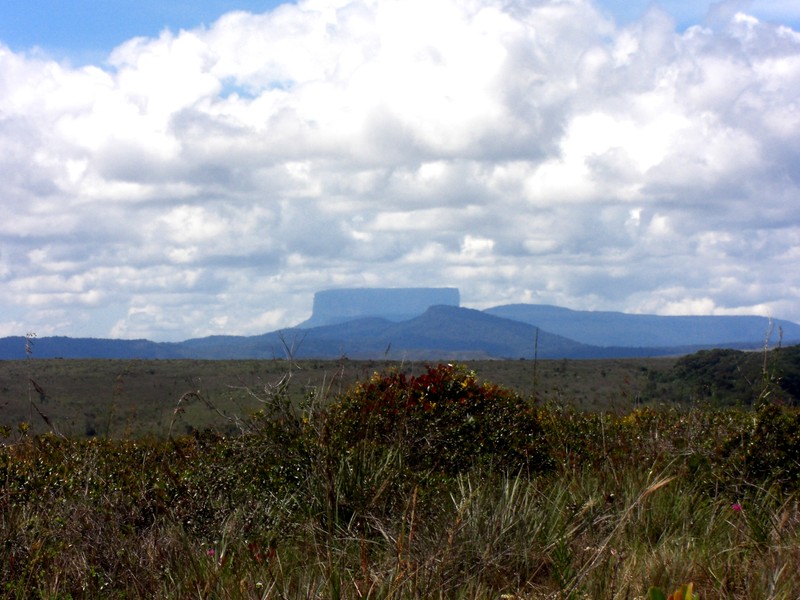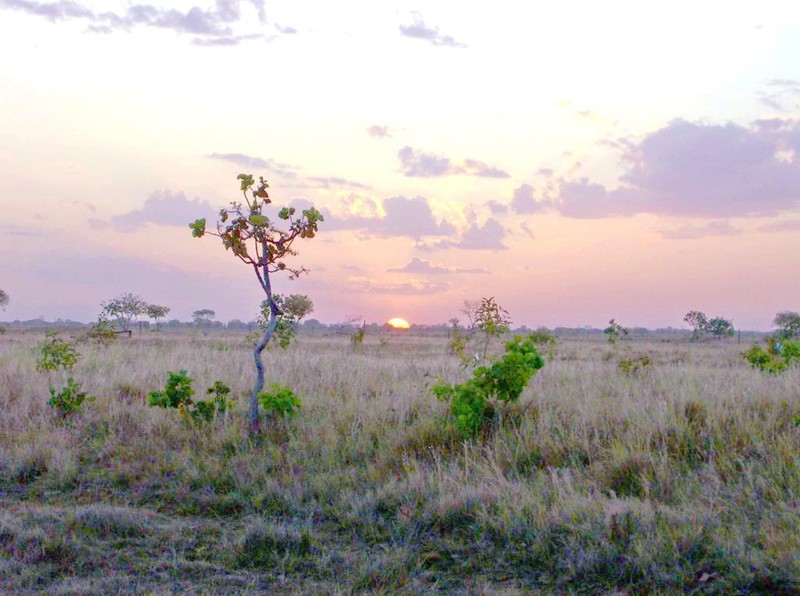

Los Llanos is an extensive region of tropical plains and savannas in northern South America, located mainly in Venezuela and partly in Colombia. Part of the Orinoco River basin, it is known for vast grasslands, seasonal flooding, and remarkable wildlife.
Tropical savannas
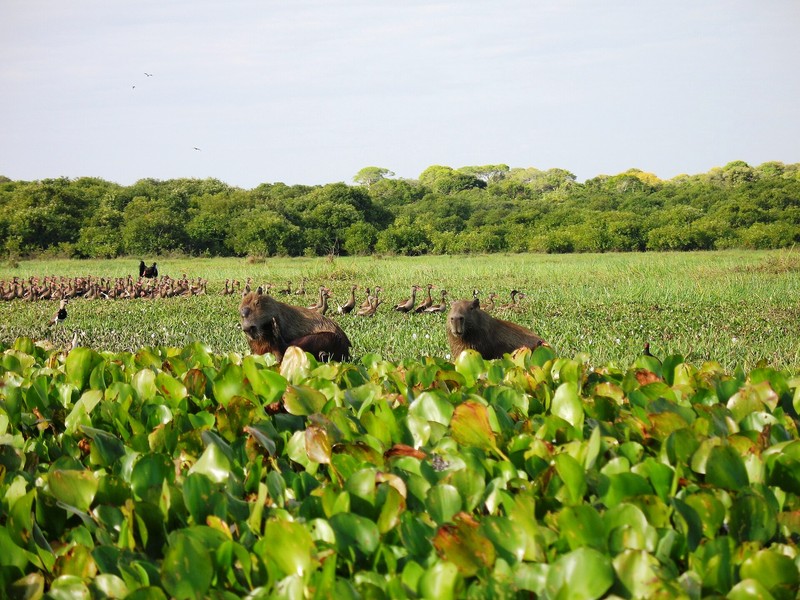
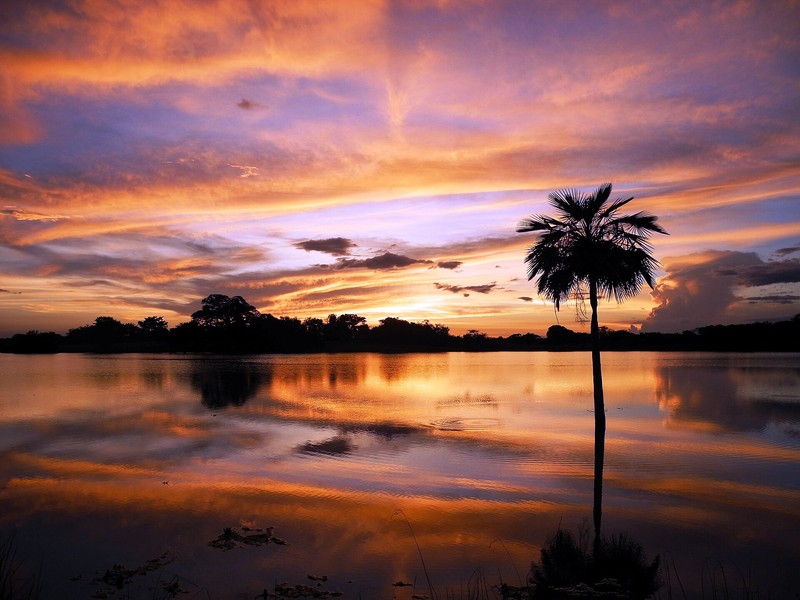
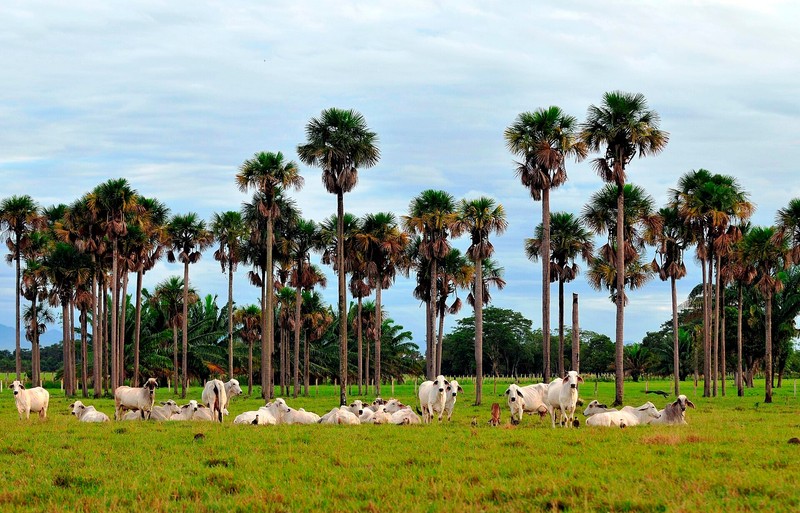
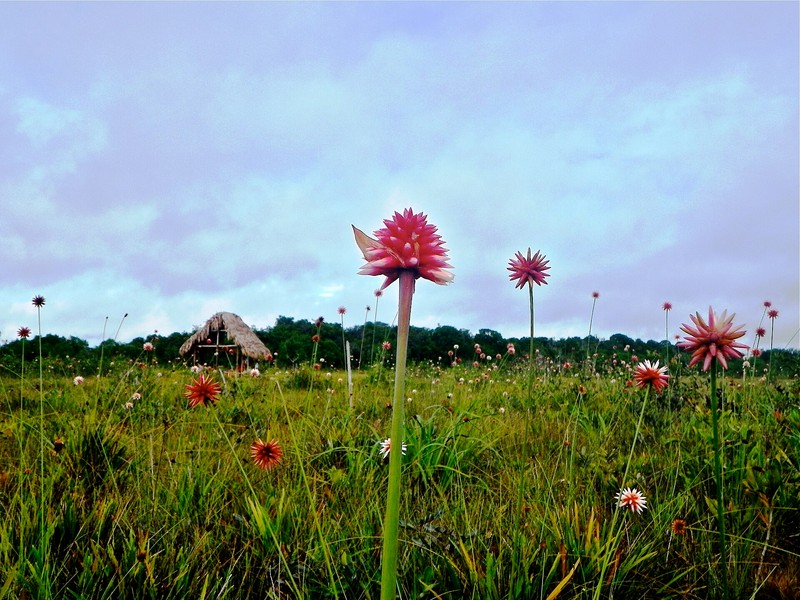
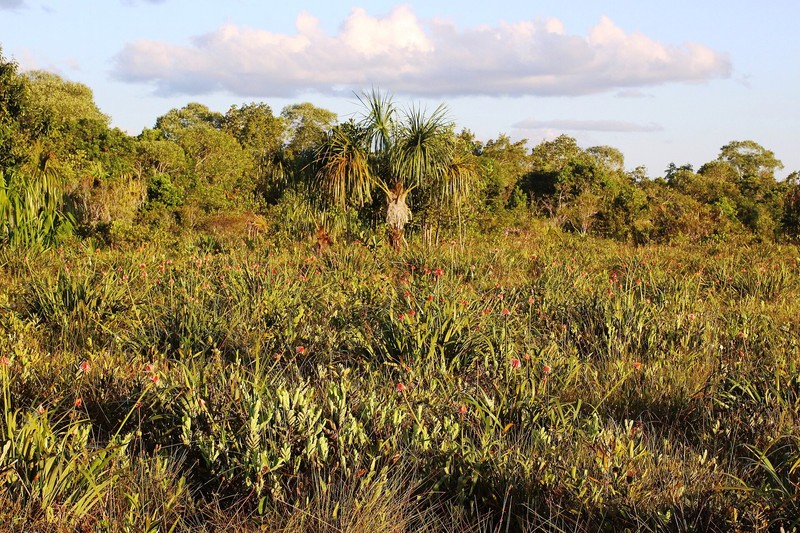
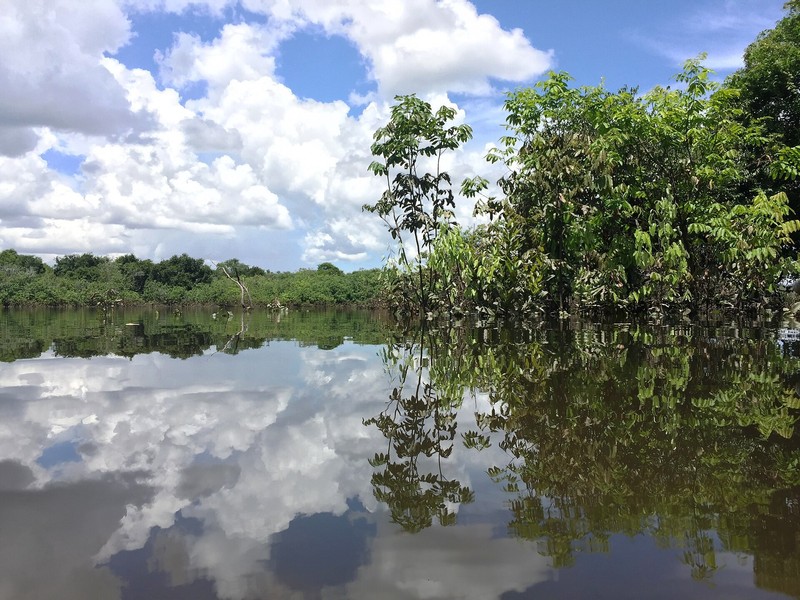
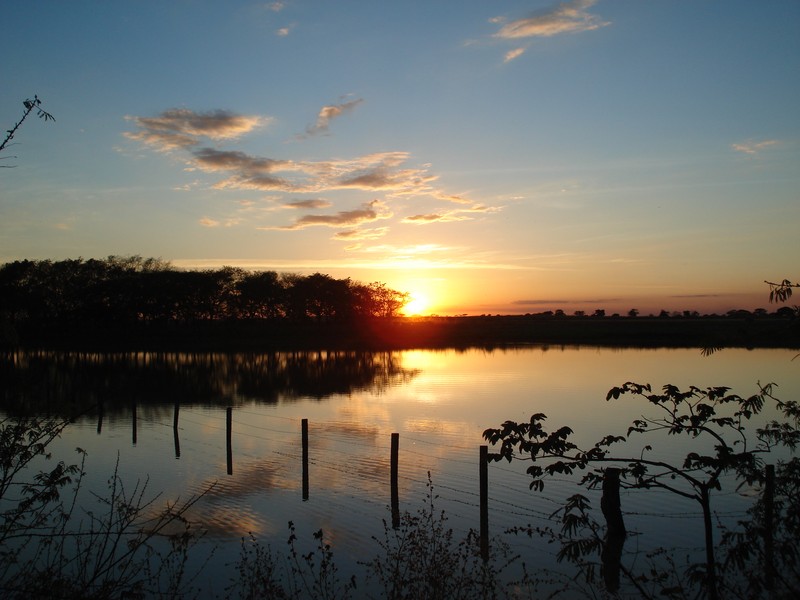
The landscape is a mosaic of open grasslands, seasonally flooded lowlands, palm groves, and gallery forests along rivers. The flat terrain retains rainwater, turning large areas into wetlands during the rainy season.
Rainy and dry seasons
The rainy season generally lasts from around May to November, when rivers overflow their banks. During the dry season, usually from December to April, water levels fall and animals gather around remaining rivers, lagoons, and waterholes.
Remarkable wildlife
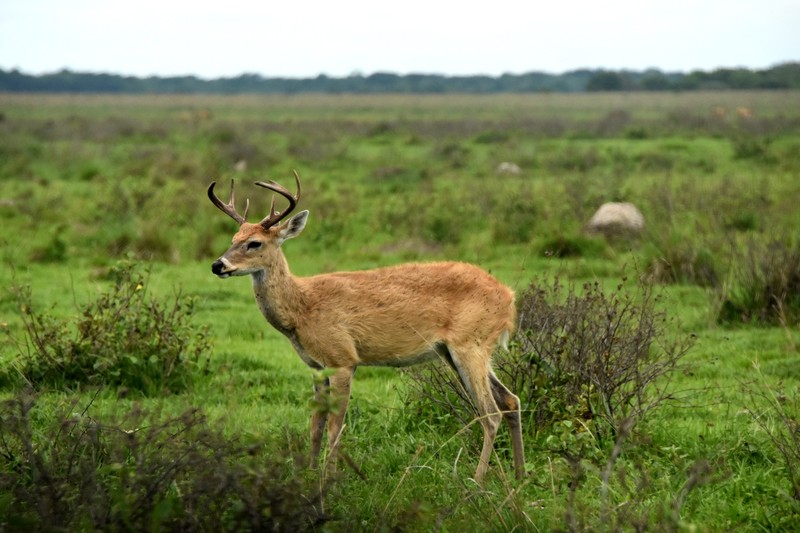
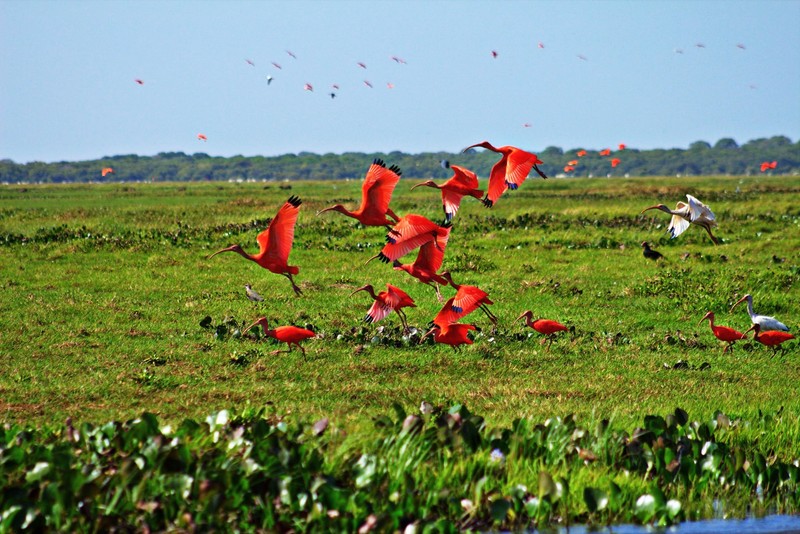
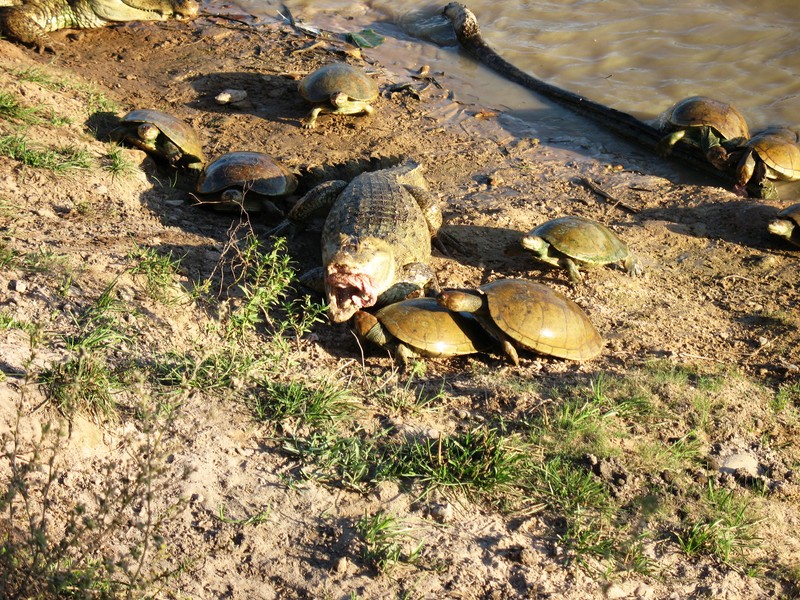
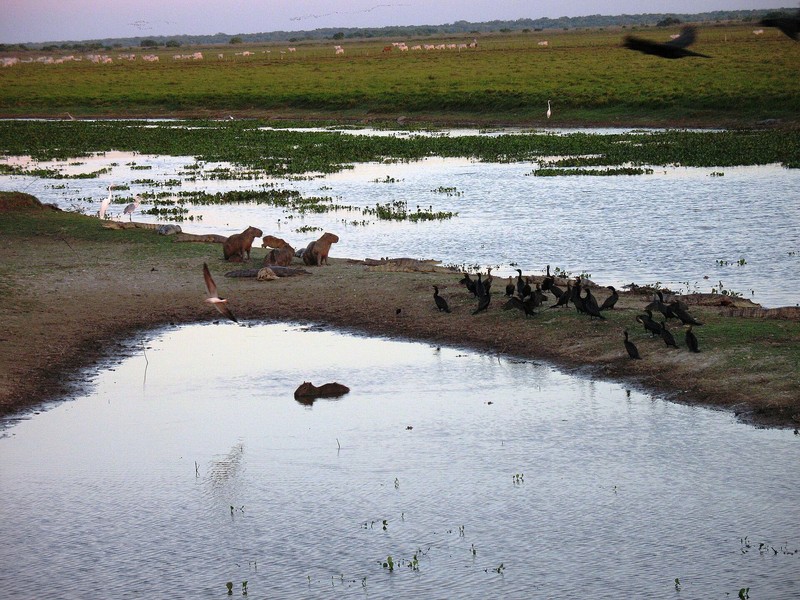
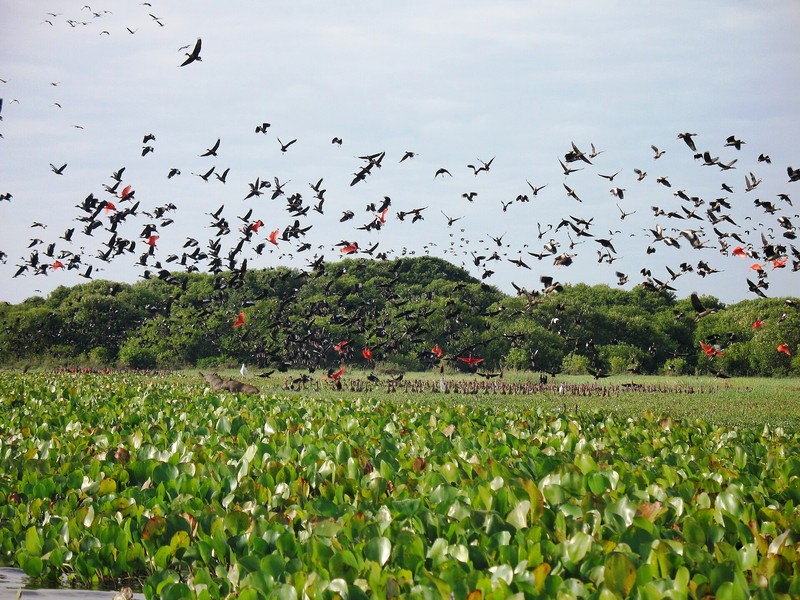
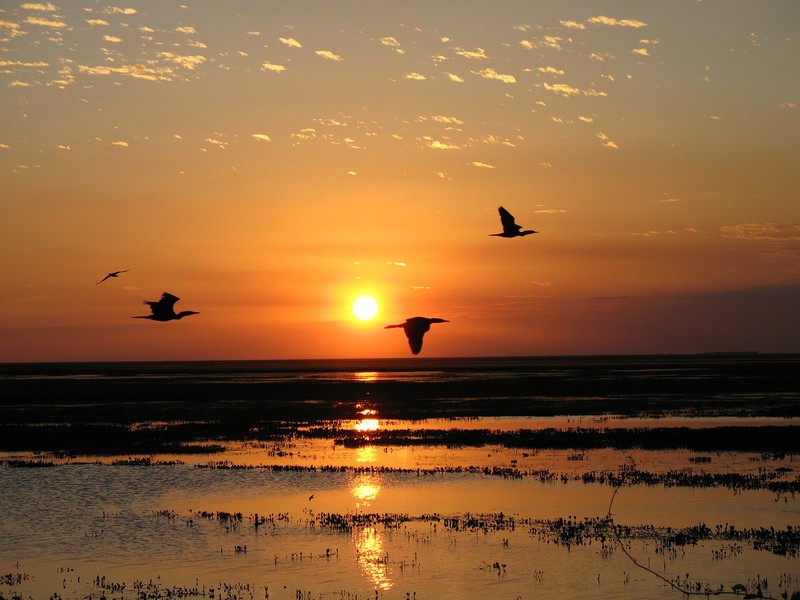
Los Llanos is home to capybaras, giant anteaters, deer, armadillos, caimans, and anacondas. River dolphins inhabit some waterways. Jaguars, pumas, and ocelots are among the region's predators. Wet grasslands attract ibises, herons, and many other waterbirds.
Rivers and lagoons
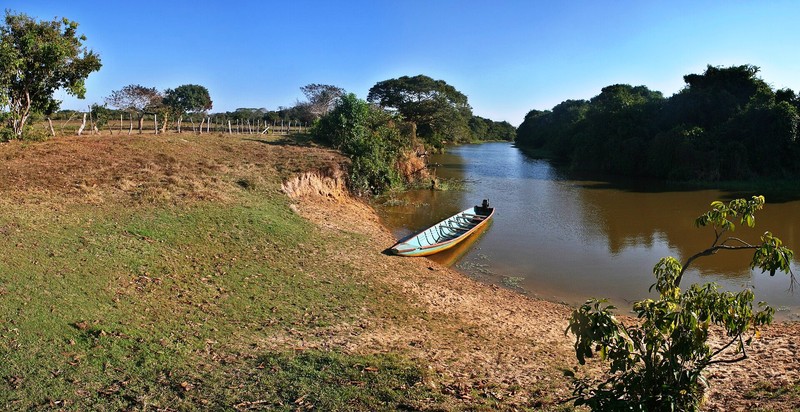
The region's waterways are connected to the Orinoco and its tributaries, including the Apure, Arauca, and Meta rivers. Seasonal floods connect lagoons and marshes, while isolated waterholes become essential habitats during drought.
Llanero culture
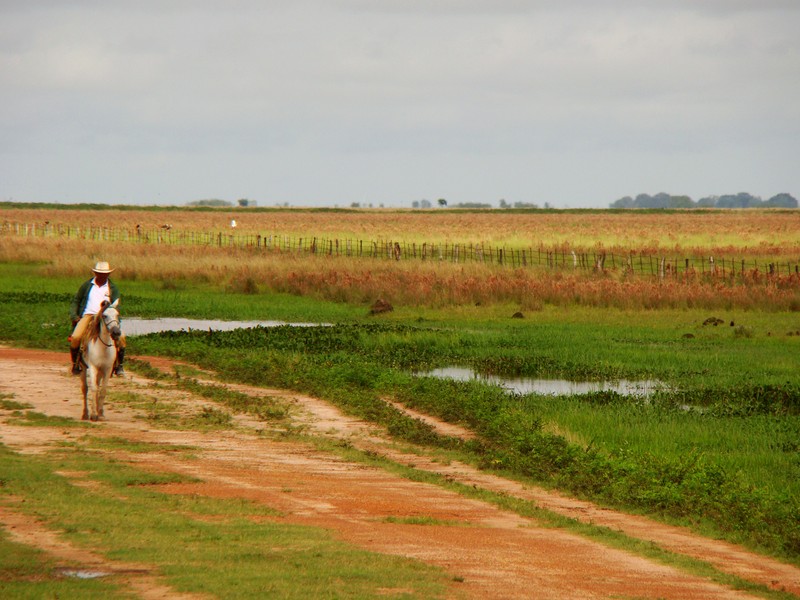
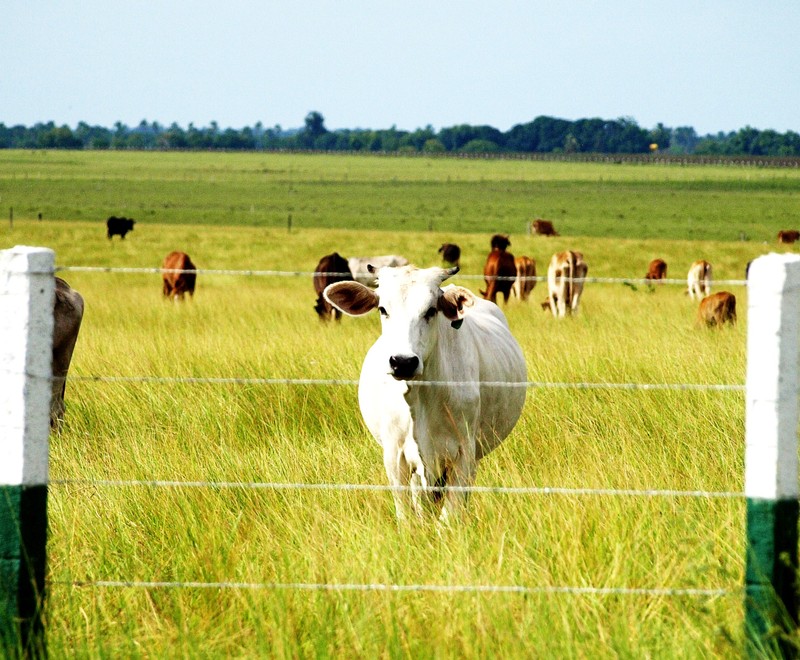
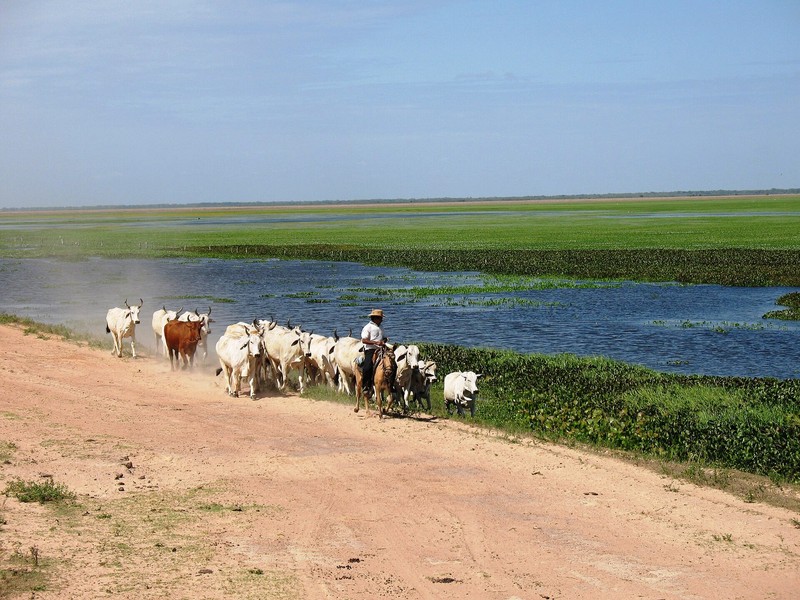
Los Llanos is also known for the llanero culture of Venezuela's and Colombia's plains, traditionally associated with cattle ranching. Large ranches known as hatos or estancias preserve local traditions, and some offer ecotourism experiences featuring wildlife, music, and horseback riding.
Wildlife safaris
Trips often include wildlife drives, boat excursions, and horseback rides with local guides. The dry season is often convenient for spotting animals around waterholes, while the rainy season reveals flooded savannas and abundant waterbirds.
How to get there
Barinas and San Fernando de Apure are common starting points for exploring the Venezuelan Llanos. From these towns, travelers can reach ranches and natural areas offering guided excursions. Dirt roads may become difficult during heavy rains, so advance planning and local guides are recommended.
Conservation
The region faces pressure from agricultural expansion, changes to natural flooding, hunting, and habitat loss. National parks, protected areas, and conservation-minded ranches help safeguard its grasslands and wildlife. Responsible tourism supports local communities and nature protection.
Gallery