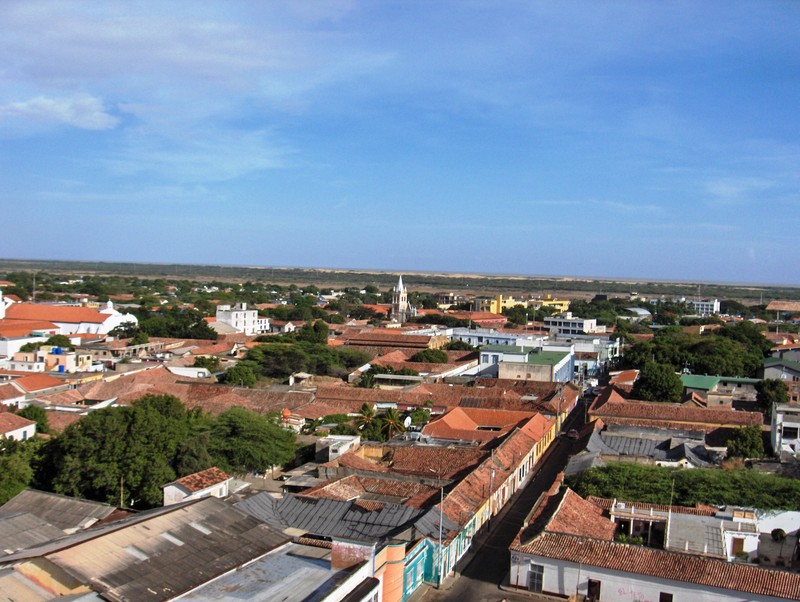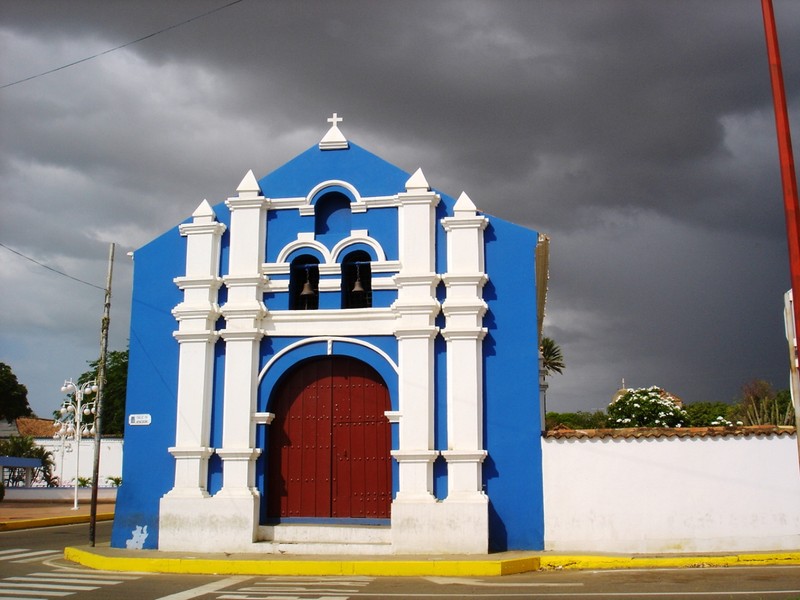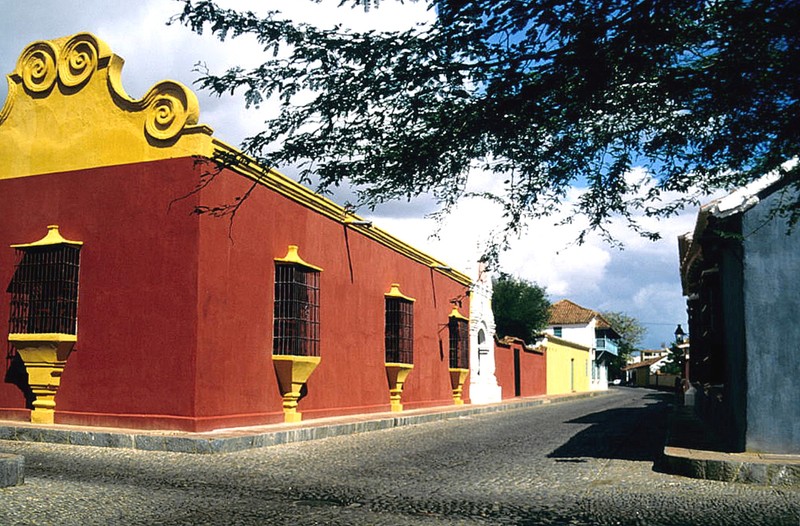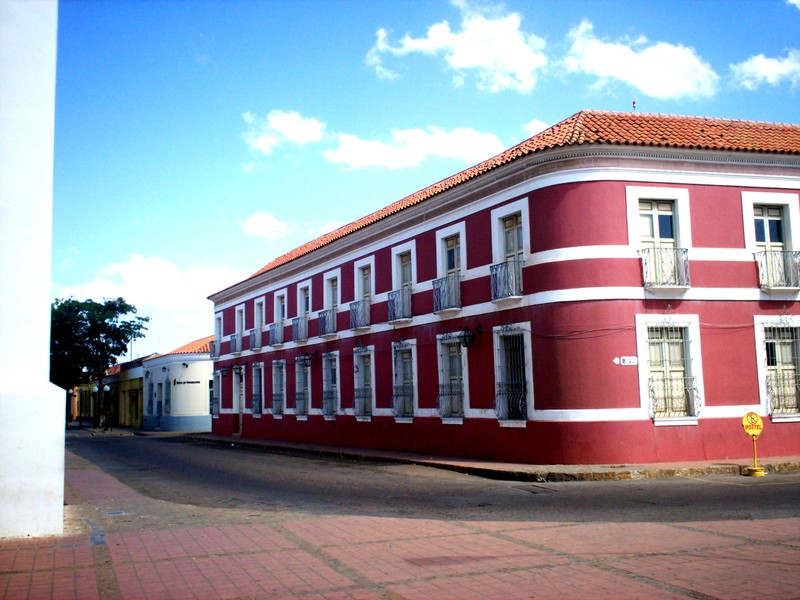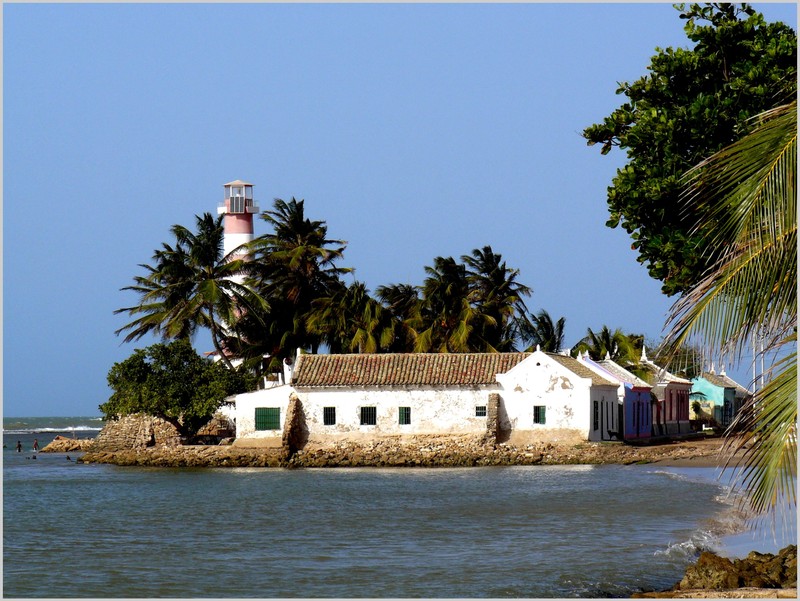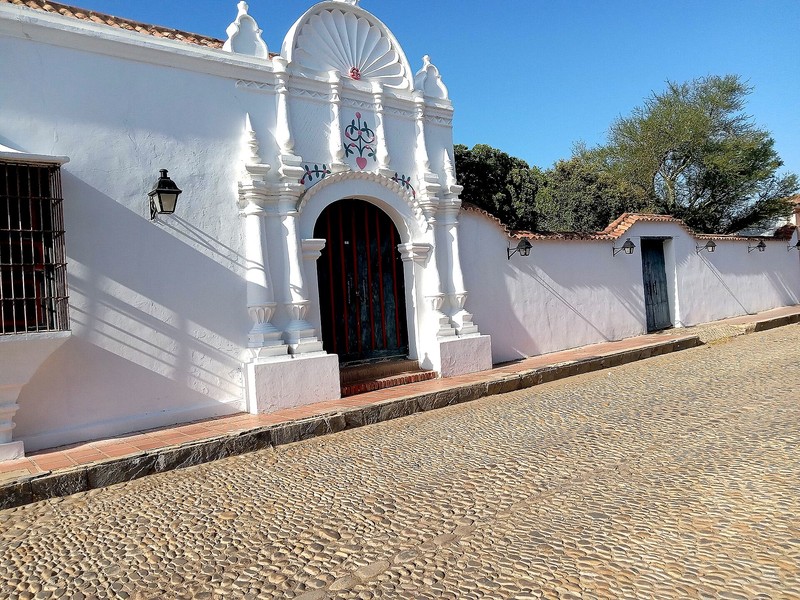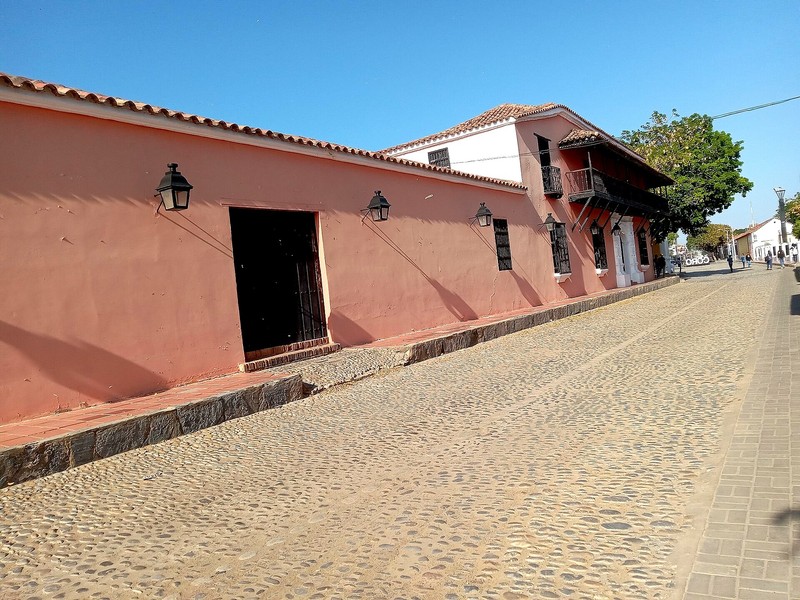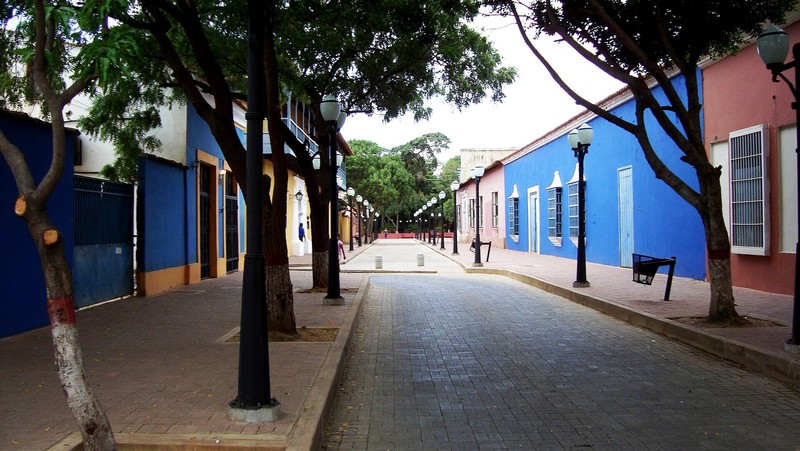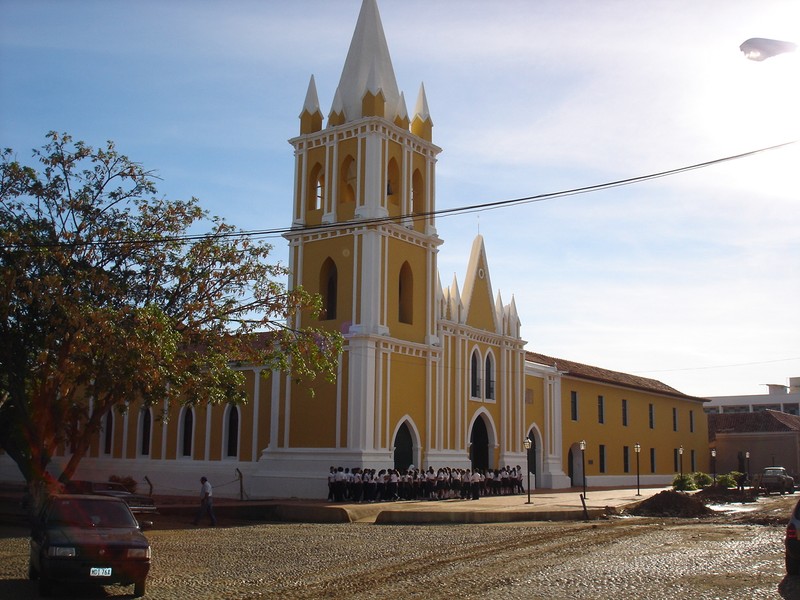

Coro is a historic city in northwestern Venezuela, in Falcón State, not far from the Caribbean coast. It is known for its colonial architecture, old churches, cobbled streets, and traditional houses built from earth and clay. Together with the nearby port town of La Vela, Coro forms a UNESCO World Heritage property inscribed in 1993.
History of Coro
Coro was founded by the Spanish in 1527 and is one of the oldest colonial settlements in South America. During the first decades of Spanish rule, the city played an important role in governing the territory of present-day Venezuela. In 1531, the first bishopric on the continental Americas was established here.
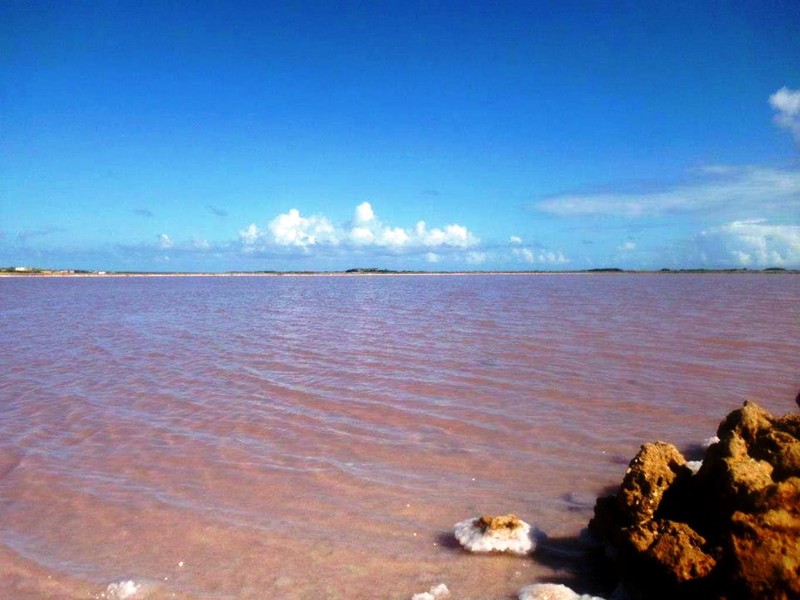
The history of Coro reflects the interaction of different cultures. Before Europeans arrived, Indigenous peoples, including the Caquetío, lived in the region and used local water resources for agriculture. Later, Spanish building traditions and architectural influences introduced through the Dutch Caribbean islands shaped the city’s appearance.
Colonial architecture
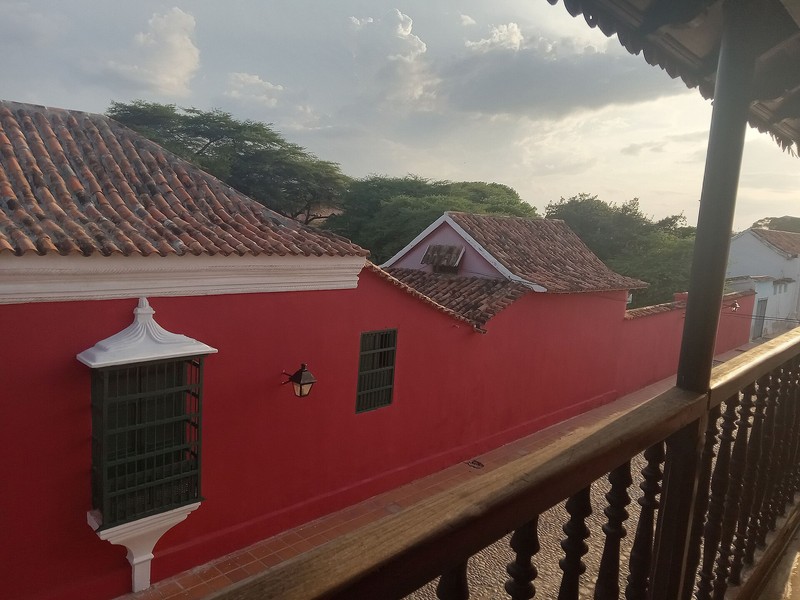
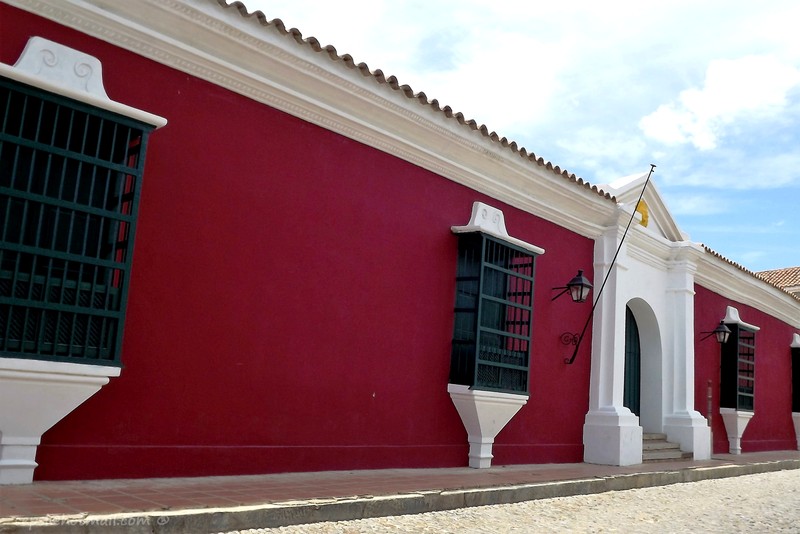
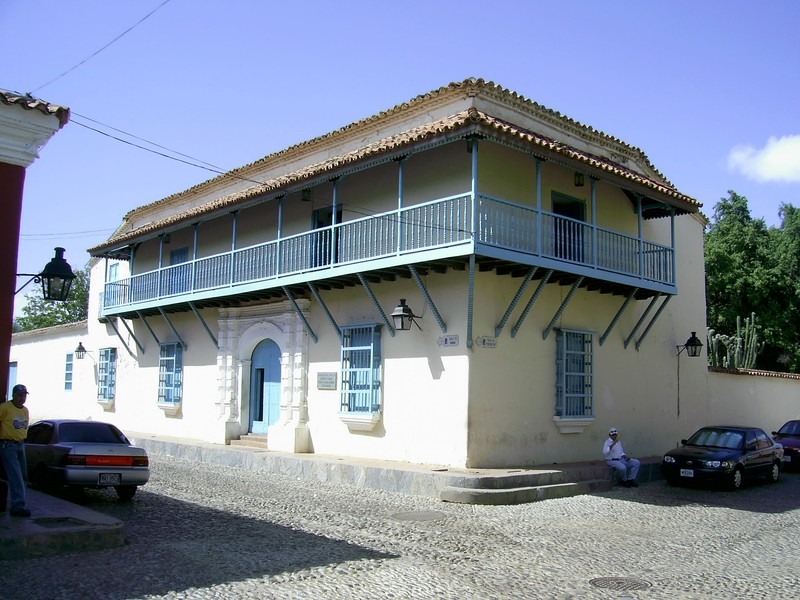
Coro’s defining feature is its traditional buildings made from earth, clay, and other local materials. Construction techniques included adobe, rammed earth, and bahareque, a system using a wooden framework with clay infill. These methods were adapted to the local climate and passed down through generations.
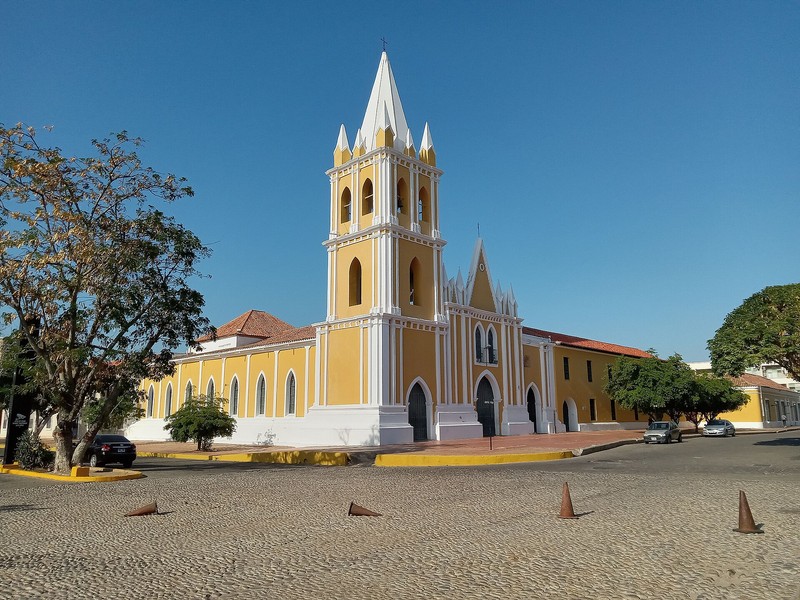
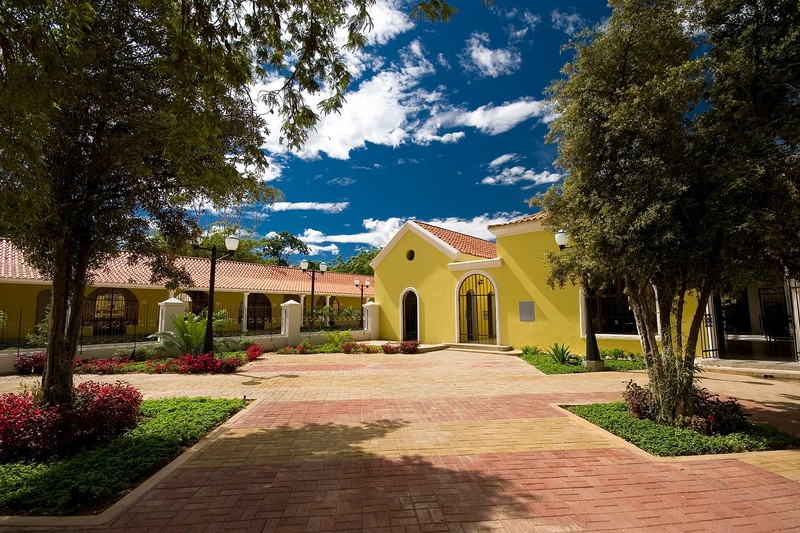
The historic center preserves houses with inner courtyards, old churches, civic buildings, and façades that combine local building traditions with Spanish Mudéjar and Dutch architectural influences. Notable landmarks include Coro Cathedral, the Church of Santa Ana, the House of the Sun, and the House of Iron Windows.
Coro and the Port of La Vela: UNESCO heritage
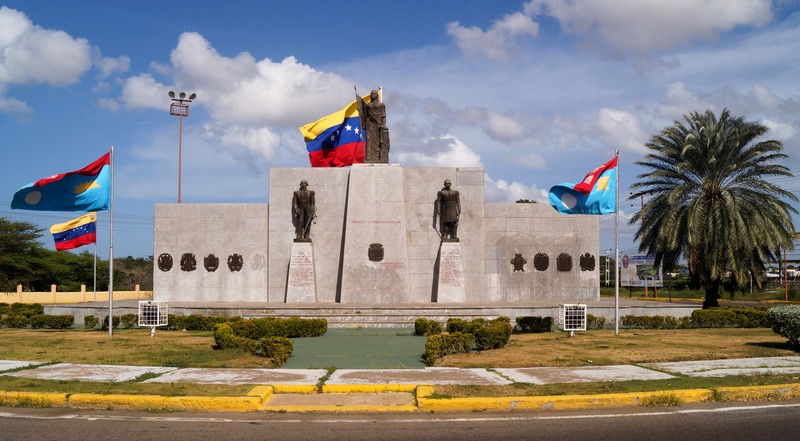
The World Heritage property includes the historic areas of Coro and coastal La Vela. Their significance lies not only in individual monuments but also in the preserved urban layout and traditional earthen architecture, which is unusual in the Caribbean region. La Vela also has a special place in Venezuelan history: the port town was among the first South American settlements to declare independence from Spain.
The historic buildings are vulnerable to heavy rain and environmental change. After damage caused by extreme rainfall in 2004–2005, the property was added to the List of World Heritage in Danger and remains on it. Preserving the old houses requires regular repairs using traditional building techniques.
What to see in Coro
Start exploring the city in the historic center and its squares, where colonial façades and traditional houses can be seen. Look out for the cathedral, the Church of Santa Ana, the House of the Sun, and the House of Iron Windows. Narrow streets and small courtyards help visitors imagine the layout of the city during the colonial period.
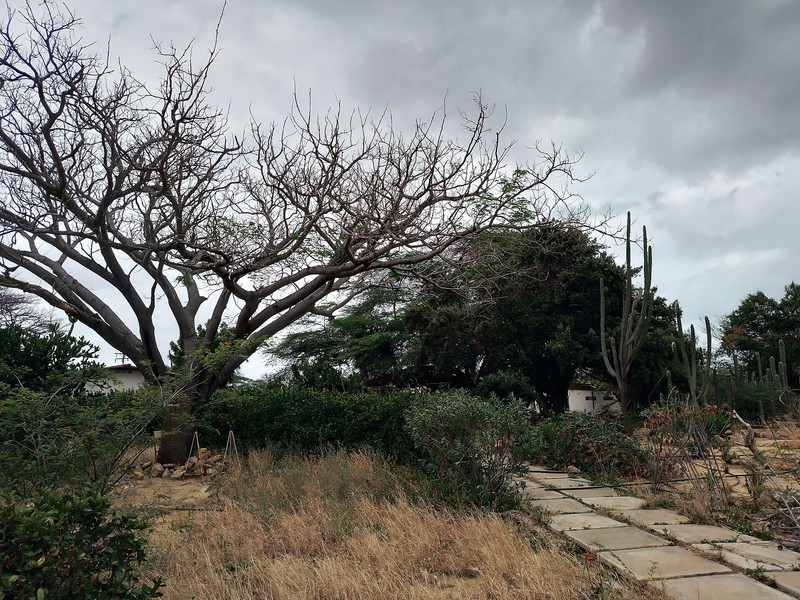
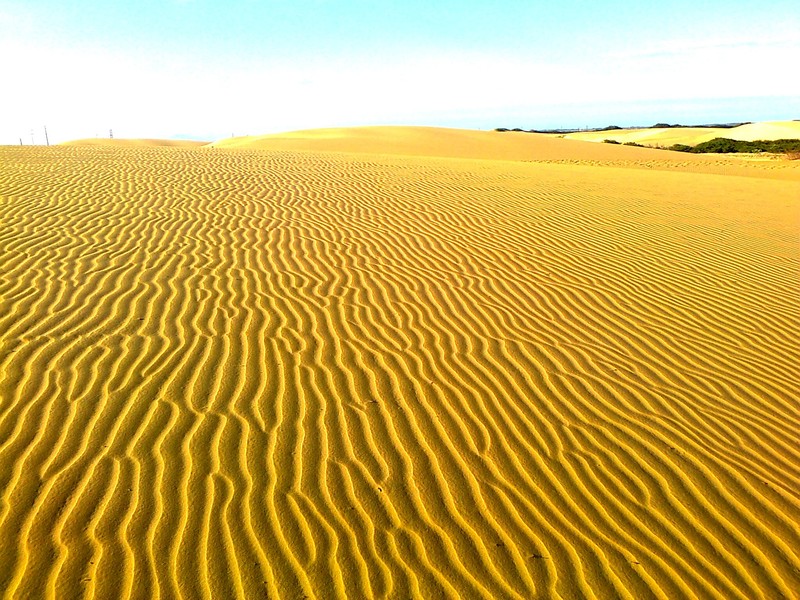
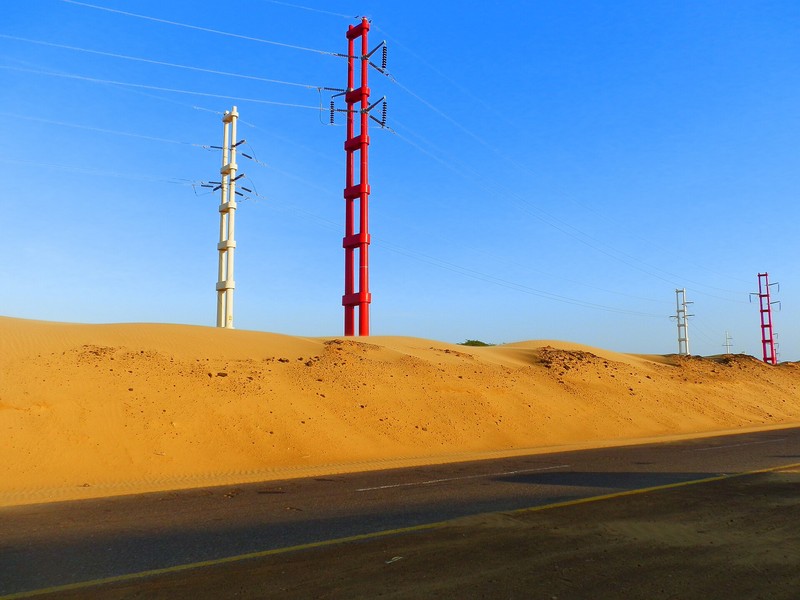
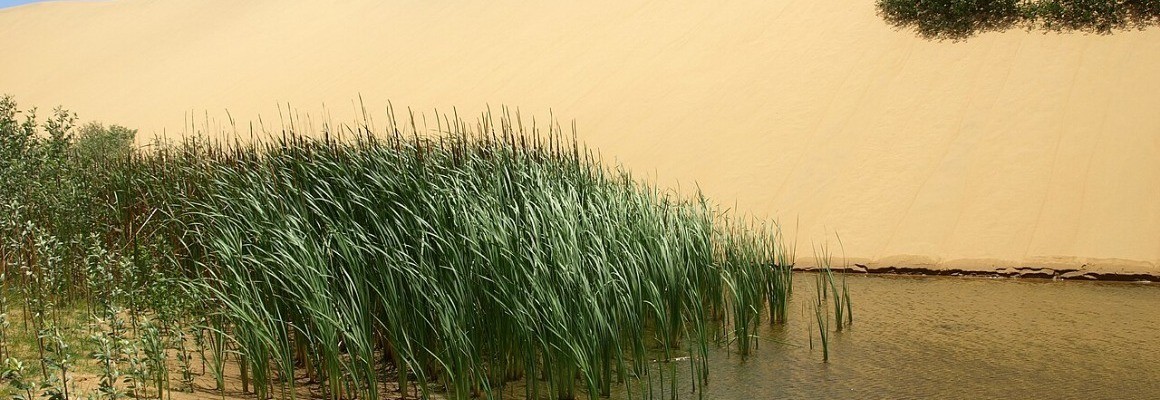
A separate trip to La Vela offers a look at the historic port and the coastal part of the World Heritage property. Near Coro is Médanos de Coro National Park, a natural area of sand dunes and arid landscapes that complements the region’s cultural attractions.
Best time to visit
The climate around Coro is hot and dry, so mornings and evenings are usually more comfortable for walking through the historic center. During the day, bring a hat, sun protection, and drinking water. Check local weather conditions and the accessibility of individual landmarks before travelling.
How to get to Coro
Coro is located in Falcón State in northwestern Venezuela. It can be reached by road from other towns in the region, and nearby La Vela is also accessible by road. Travel time depends on the starting point and road conditions, so it is best to plan transport and the route in advance.
Visitor tips
To better understand the city’s history, explore not only the main monuments but also its ordinary residential streets. Do not enter closed buildings or private courtyards without permission, damage historic walls, or disturb heritage sites. Coro is especially appealing to travellers interested in colonial history, traditional building techniques, and the cultural heritage of the Caribbean region.
Gallery