New Forest National Park
The New Forest is one of the UK's many national parks. It is almost completely located in Hampshire and a small part in Wiltshire. After all the efforts to restore the park and increase the diversity of its wildlife, it was decided to establish a national park on the lands of the New Forest in 1999. But its size was determined only in June 2004, and it was publicly opened in April 2005, covering an area of 571 km2.
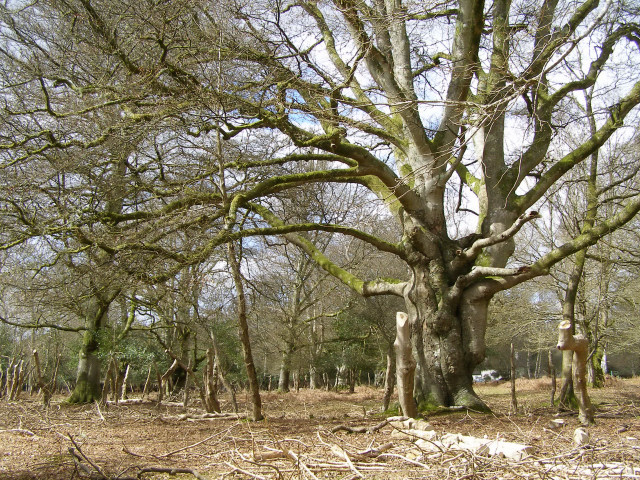
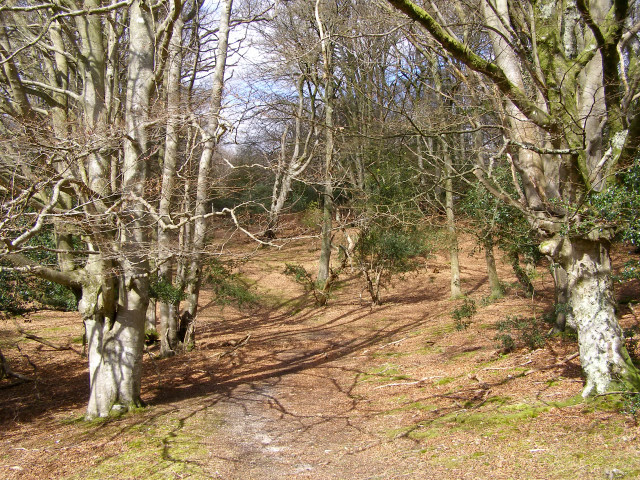
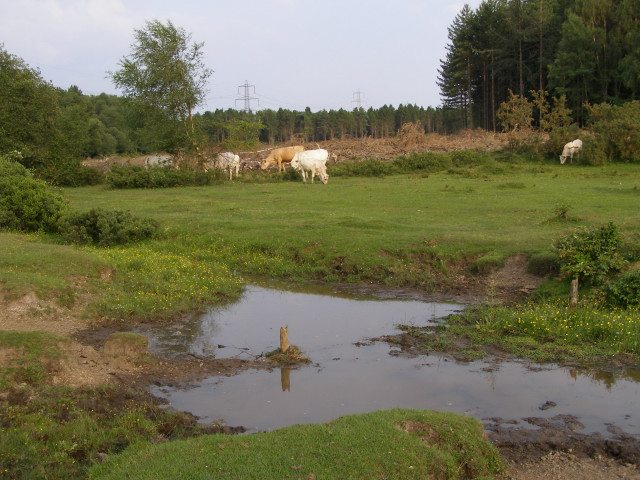
Initially, the entire area of the modern New Forest was covered with lush forests that were cut down during the Bronze Age for arable land. Soon, the farmers realized that the local lands were unsuitable for agriculture and were abandoned, forming a large number of clearings and wastelands. In 1079, these forests were noticed by the English King William I the Conqueror, proclaiming them a royal forest for deer hunting. At some point, the forest was forgotten, but the increasing role of the navy in politics led to the fact that local forests were used to build ships for the Royal Navy and for the army. During the First and Second World Wars, deforestation was especially active. To make up for such losses to nature, the British planted conifers instead of deciduous trees. At the moment, deciduous trees are taking over, displacing coniferous trees. Approximately 90% of the land belonging to the New Forest belongs to the British monarchs, just over 50% of all land owned by the royal family in England.
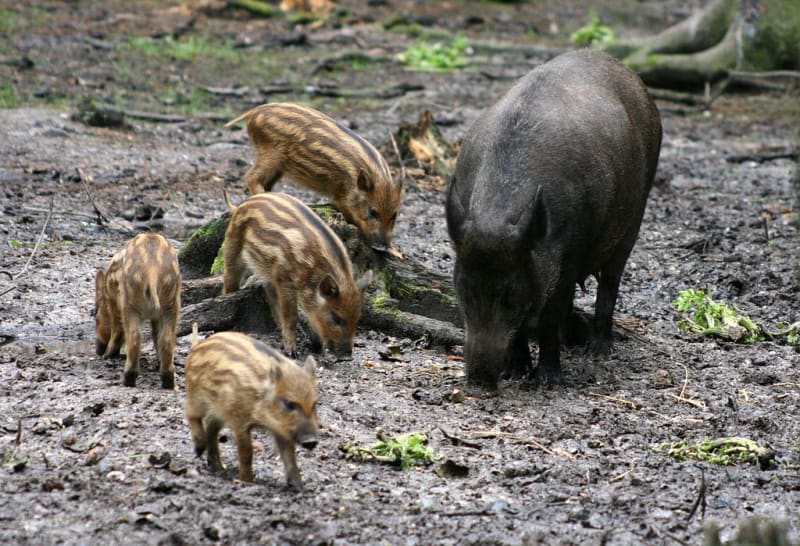
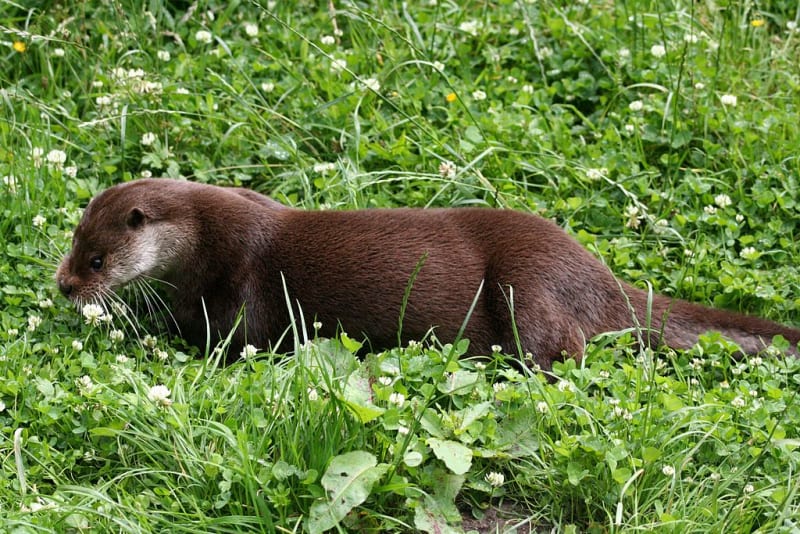
Several species of deer live on the lands of the New Forest Park: fallow deer, red deer, spotted deer, Chinese muntjak. Here is the region of origin of a special type of pony - the New Forest Pony. Of the other animal species, a large number of reptiles should be noted. The park is home to martens, foxes, roe deer, badgers, copperhead, common grass snake, and lizards.
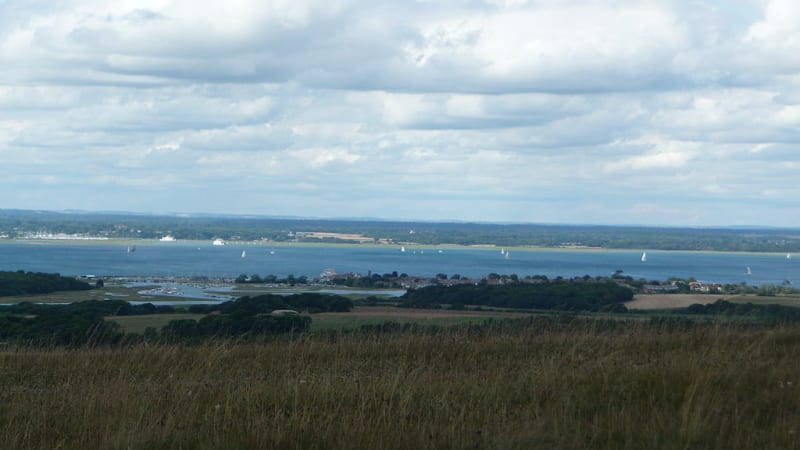
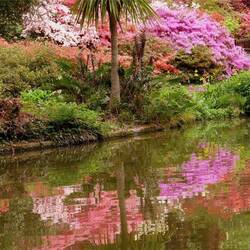
The local scenic spots of the New Forest Park attract more and more tourists every year. The most interesting places are in the village of Byuli. There, in the noble manor house, there is the National Museum of Engines, which contains a collection of more than 300 vintage cars. In the park, it is best to get around by taking a bike, or just take a walk.