
Homilsha Forests is a national nature park in eastern Ukraine, in Kharkiv Oblast. It lies in the valleys of the Siverskyi Donets River and the Homilsha River, approximately 45 km south of Kharkiv. The area is notable for its old broadleaf forests, pine woodlands, river floodplains and diverse wildlife typical of the forest-steppe region.
The national nature park was established in 2004 to protect valuable natural landscapes in the Siverskyi Donets valley. Its total area is 143.148 km², or 14,314.8 hectares. The territory includes protected natural areas, recreation zones and land used for traditional activities. It is therefore important both for nature enthusiasts and for researchers studying forest ecosystems and regional history.
Ancient oak woods and pine forests
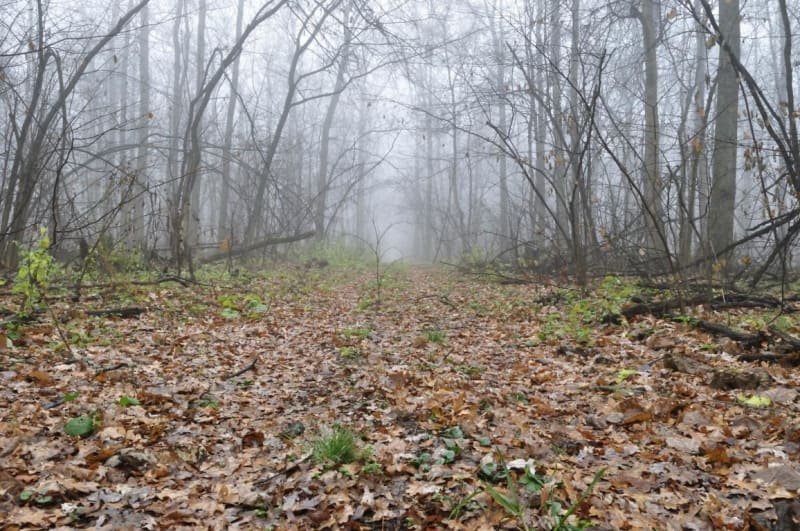
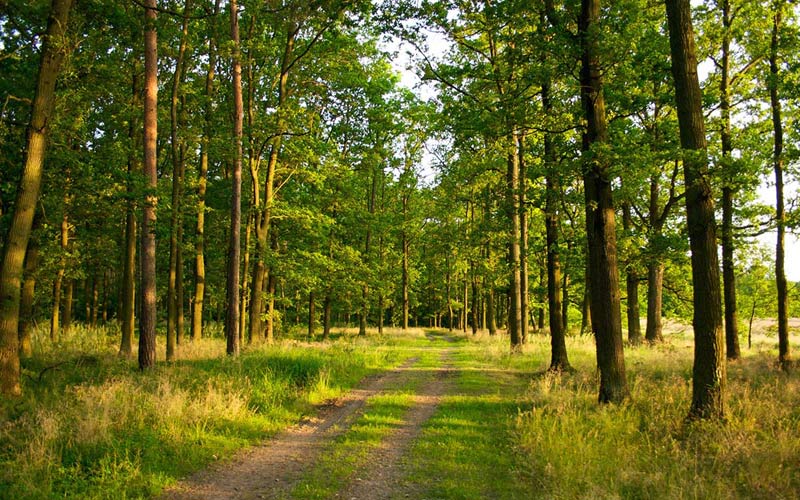
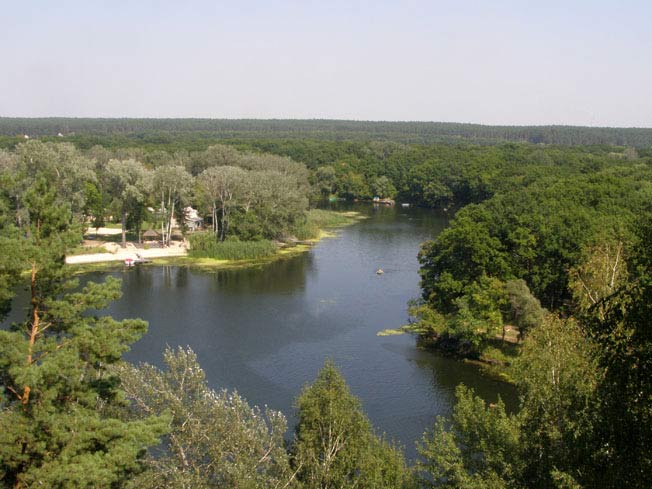
One of the park's main features is the variety of its woodland landscapes. Broadleaf forests containing oak, maple, lime and ash trees grow on the high right bank of the Siverskyi Donets. Some oaks are several centuries old. Pine forests dominate the sandy terraces on the left bank, while the river floodplain contains willow stands, alder woods, other floodplain forests and meadows.
Differences in terrain, soil and moisture create conditions for many plant communities. Visitors can find shaded areas of old oak woodland, open pine forests, riverside thickets and grassy clearings. This combination of habitats is important for conserving the biodiversity of Ukraine's forest-steppe region.
Park area and zones
The national nature park covers 143.148 km², equivalent to approximately 14,315 hectares. It is not one continuous forest of a single type: woodland, river floodplains, meadows and other natural habitats alternate across the territory.
The park is divided into functional zones with different protection and land-use rules. Conservation takes priority in the most valuable natural areas, while designated recreation zones allow visits and outdoor activities under applicable regulations. Before travelling, check which areas are accessible and what restrictions are currently in force.
Wildlife
The variety of forests, meadows and waterways provides habitats for many animals. Roe deer, red deer, wild boar and moose occur in the park, along with numerous bird and insect species. In old forests, hollow trees, standing deadwood and natural shelters are especially important for birds, small mammals and invertebrates.
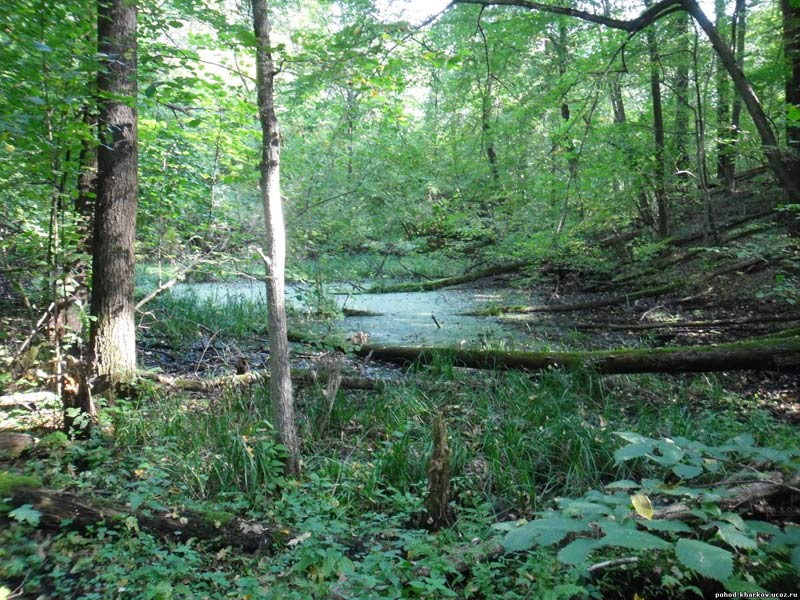
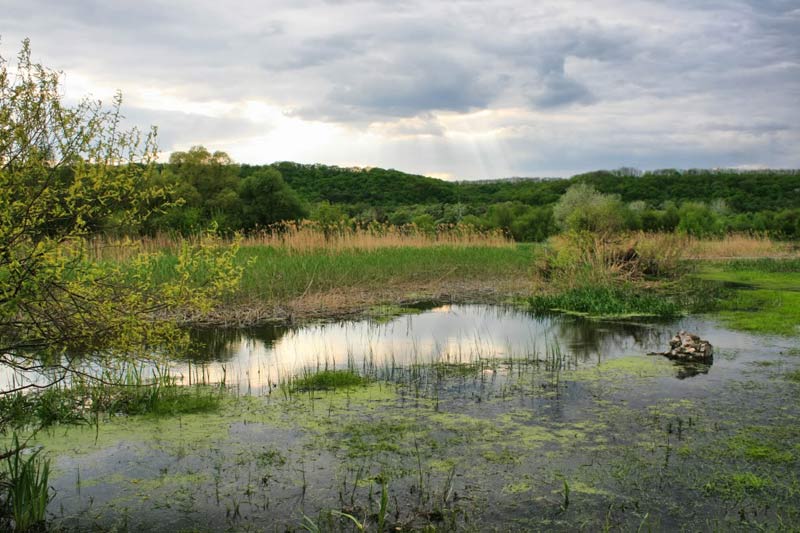
The floodplain of the Siverskyi Donets and nearby wetlands are important for waterbirds and other species associated with water. The birds that can be observed vary by season. To protect wildlife, visitors should keep noise down, take rubbish away, avoid disturbing nests and maintain a safe distance from wild animals.
The Siverskyi Donets and natural landscapes
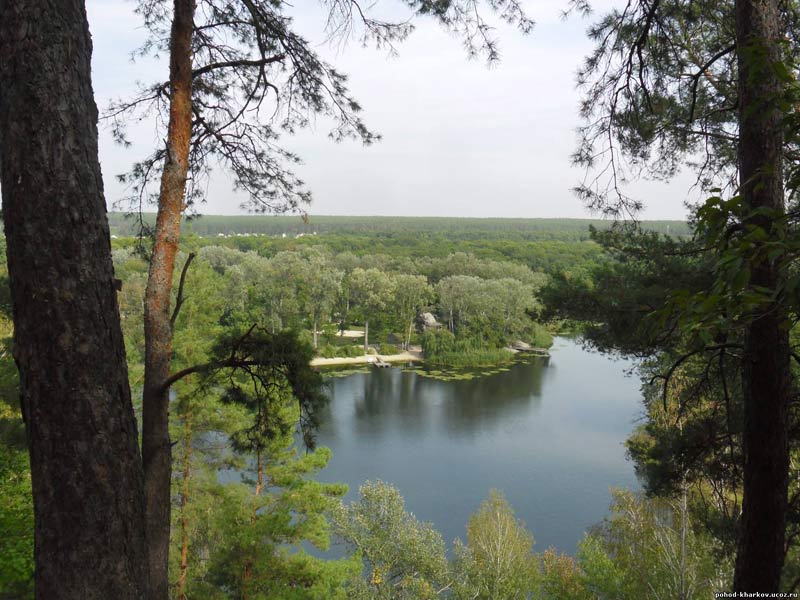
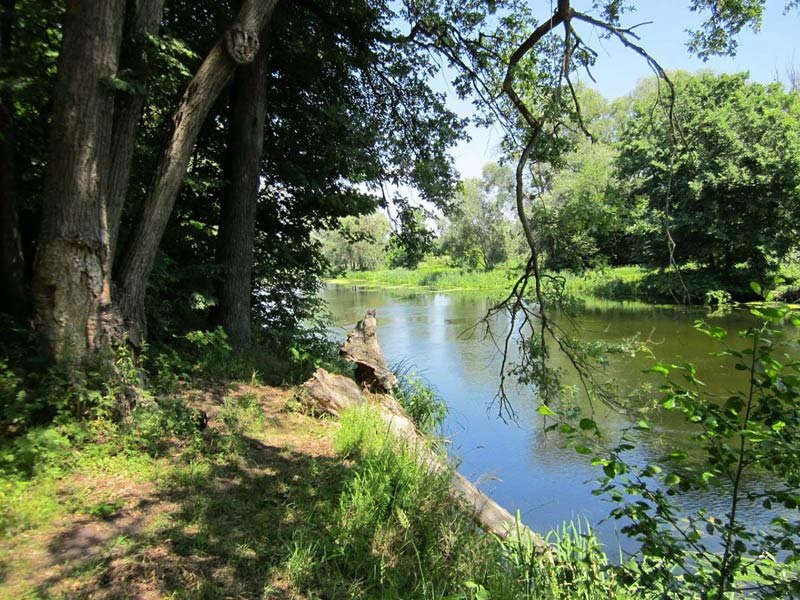
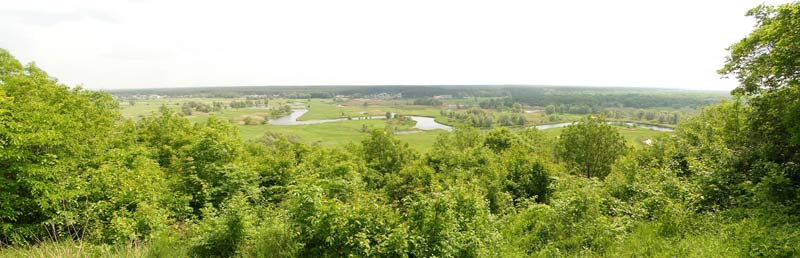
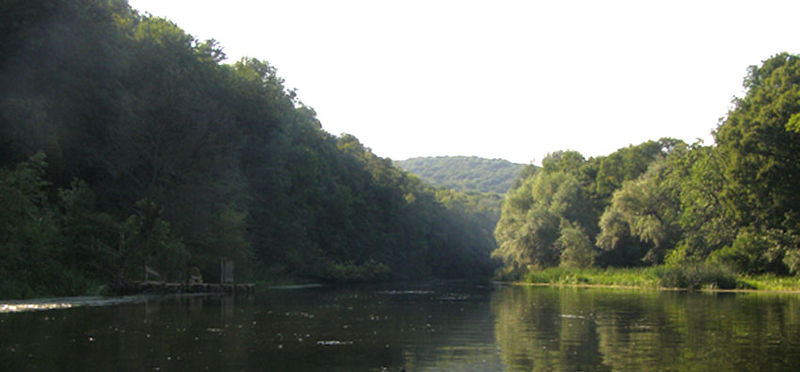
The Siverskyi Donets is the main natural feature of the park. The river and its floodplain create varied habitats, help maintain forest moisture and support aquatic and terrestrial species. Sandy areas, meadows, wetland patches and woodland occur near the river.
Particularly interesting are places where wooded slopes descend towards the river valley. Here, vegetation changes according to elevation, moisture and soil composition. Together, these landscapes reflect the natural diversity of Ukraine's forest-steppe zone.
Archaeological heritage
Homilsha Forests is valuable not only for its natural environment but also for its historical heritage. Archaeological sites from different periods have been identified in and around the park, ranging from ancient settlements to remains associated with the era of Kyivan Rus. One notable site is the Sukhа Homilsha hillfort.
These sites help trace how people settled the Siverskyi Donets valley and used its natural resources throughout history. Visitors should respect heritage protection rules: do not excavate independently, move archaeological finds or damage cultural layers.
Recreation and visiting the park
Under normal conditions, the area is suitable for walking, birdwatching, learning about forest ecosystems and exploring historical sites. When choosing a route, consider its length, the condition of roads and trails, seasonal conditions and your own fitness level.
However, access to Homilsha Forests depends on current restrictions. Due to martial law, authorities in Kharkiv Oblast may prohibit entry into forests or restrict certain recreational activities. Before travelling, check the latest regional administration orders and information from the park management. Do not enter closed areas or ignore warning signs.
When to explore Homilsha Forests
In spring, plants begin to grow and birds become more active. In summer, dense foliage provides shade, while autumn brings golden and copper colours to the woodlands. Wildlife viewing opportunities and the appearance of the river floodplains change throughout the year.
Regardless of the season, the park should only be visited when access is permitted. Homilsha Forests combines ancient oak woods, pine forests, river ecosystems and archaeological sites, giving it considerable natural and historical significance for Kharkiv Oblast.
Gallery