Petrified Forest National Park is located in northeastern Arizona, United States. Its name refers to the remarkable abundance of ancient trees that have turned to stone and now lie scattered across desert hills and rocky plains. This unusual landscape offers a glimpse into Earth's distant past, while its colourful cliffs, fossils and archaeological sites tell a story spanning more than 200 million years.
Petrified Wood
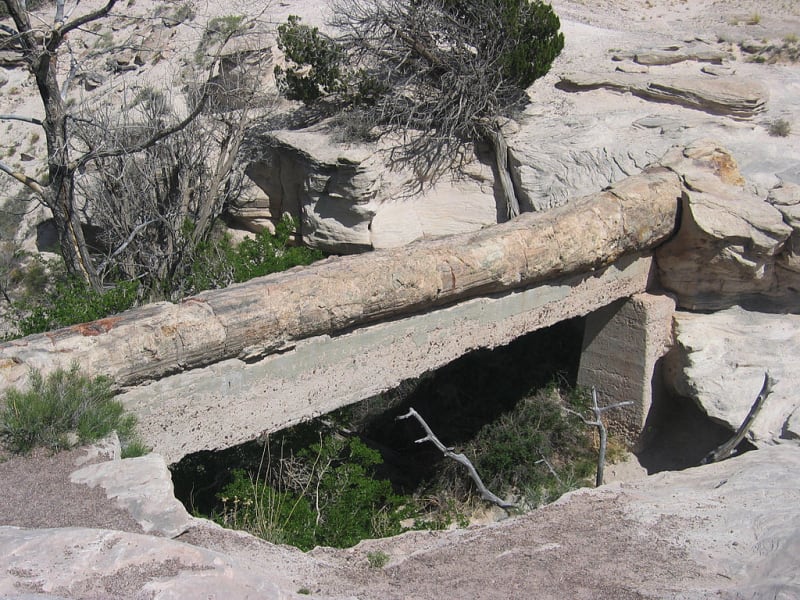
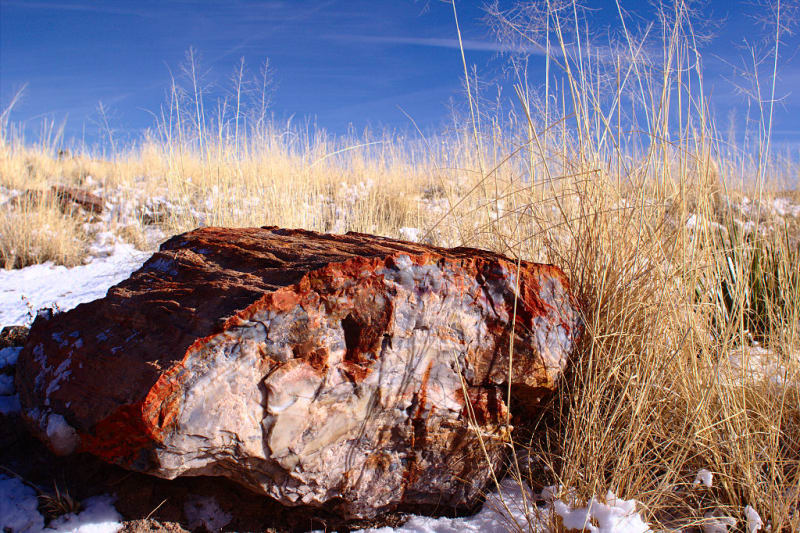
The park's main attraction is its ancient tree trunks, which gradually transformed into stone. During the Late Triassic Period, around 225 million years ago, dense forests grew in this region. Fallen trees became buried in sediment and were gradually covered by layers of sand, silt and volcanic ash. Under suitable conditions, minerals–especially silica–replaced the organic material while preserving the structure of the wood.
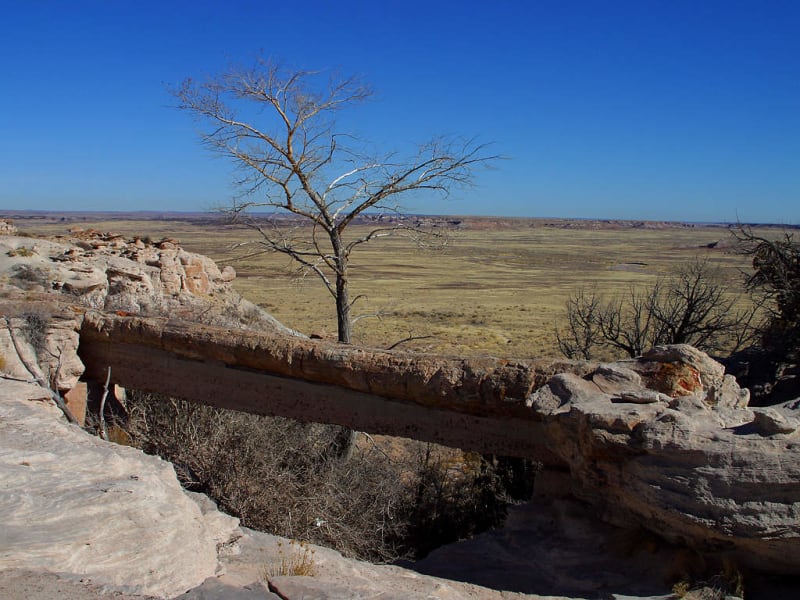
Today, the petrified trunks lie on the ground as large fragments and long sections. Growth rings, fibres and other details typical of real wood can still be seen on their surfaces. Mineral impurities create a range of colours, including red, yellow, brown, purple and almost black. Pieces containing quartz crystals are particularly striking when they sparkle in the sunlight.
The Painted Desert
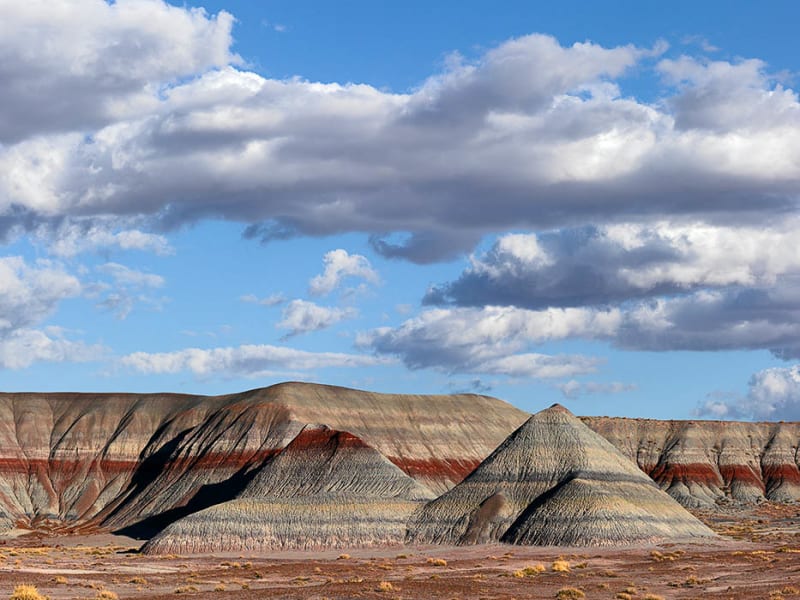
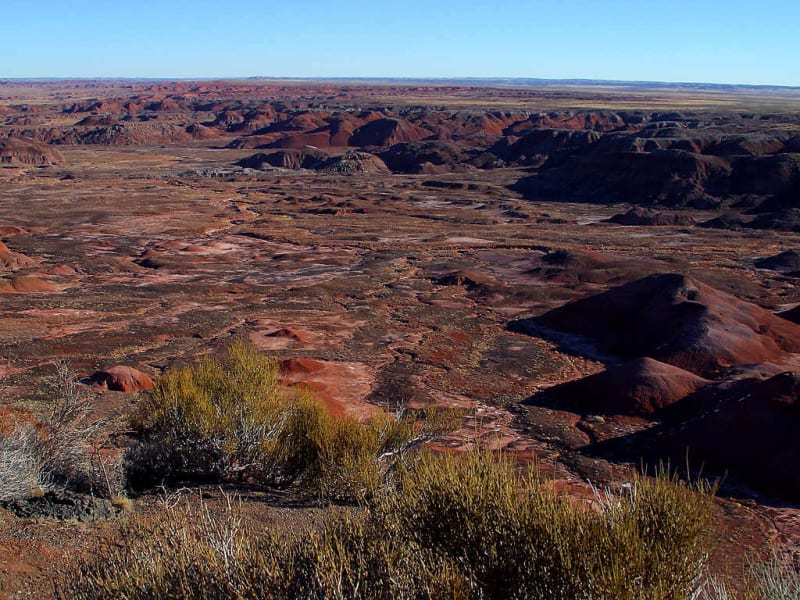
The northern part of the national park forms part of the vast Painted Desert. Its hills and slopes display bands of red, orange, pink, grey and purple. These colours result from the composition of sedimentary rocks, the presence of different minerals and the long-term effects of erosion.
The desert is best viewed from overlooks along the main park road. The colours of the cliffs change noticeably with the light, making early morning and the hours before sunset especially rewarding. The contrast between colourful hills, open sky and dry plains creates a powerful sense of space.
Blue Mesa
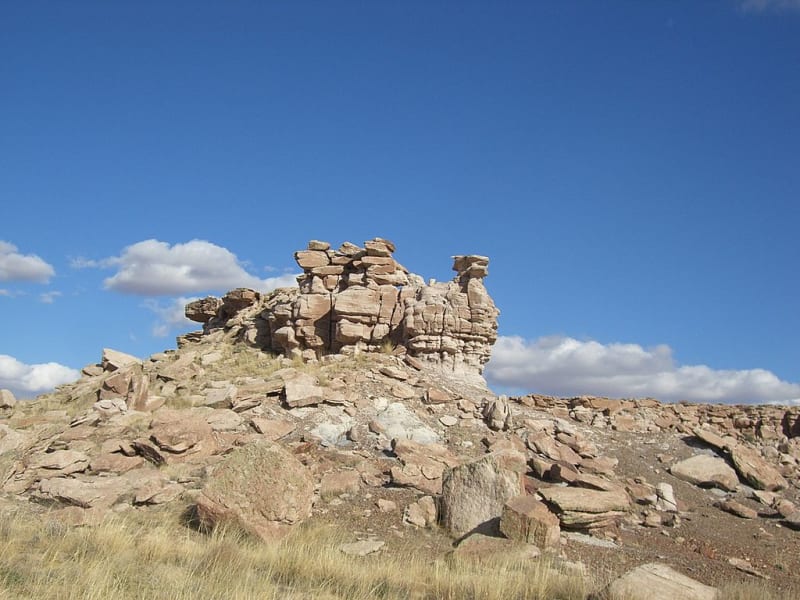
One of the park's most unusual areas is Blue Mesa, where rounded hills display bands of bluish grey, lavender and white. They are made of sedimentary rock that has gradually eroded under the influence of wind and water, creating distinctive shapes.
A walking trail about 1.6 kilometres long passes through the area. It allows visitors to descend closer to the hills and examine the layers of rock that are usually seen from a distance. Blue Mesa is especially appealing to geology enthusiasts and photographers. However, exposed areas can become very hot in summer, so bring water and protect yourself from the sun.
Giant Logs and Crystal Forest
Several established trails offer opportunities to see the petrified wood. Giant Logs Trail, near the Rainbow Forest Museum, features particularly large and colourful sections of ancient trunks. Some are impressive in size and allow visitors to examine the structure of petrified wood at close range.
Another highlight is Crystal Forest, where numerous petrified logs lie scattered across the desert landscape, some containing sparkling quartz crystals. The approximately 1.2-kilometre loop trail can be completed in a relatively short time. Petrified wood is a protected natural resource, so removing stones or other objects from the park is prohibited.
Ancient Settlements and Petroglyphs
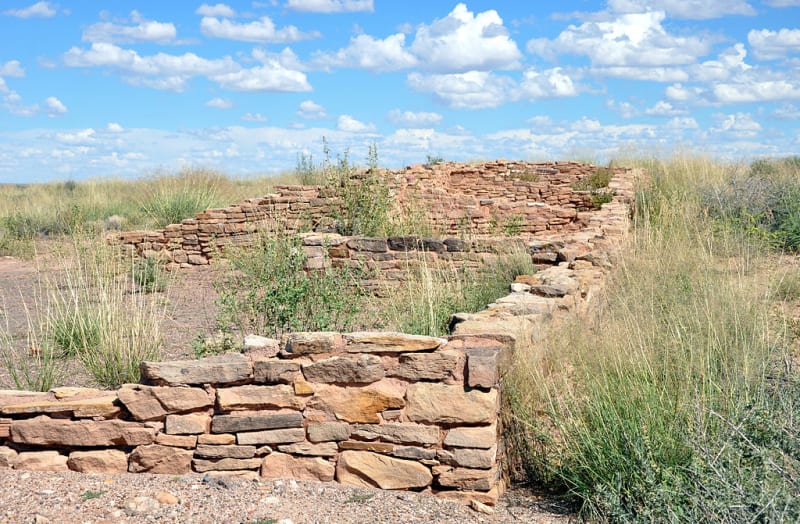
Petrified Forest is important for more than its geology. The park preserves traces of Indigenous communities that lived in the region long before European settlers arrived. One notable archaeological site is Puerco Pueblo, the remains of an ancient settlement where visitors can see sections of stone walls and learn about earlier community life.
Another significant site is Newspaper Rock, where hundreds of petroglyphs created many centuries ago remain visible on the rock surface. The images include geometric symbols and figures of people and animals. They can be viewed from a designated overlook without approaching or disturbing these vulnerable archaeological resources.
Historic Route 66
The famous American highway Route 66 once crossed the area, connecting different parts of the country. Today, visitors can see a remnant of its historic alignment and an old car displayed as a reminder of the golden age of road travel. The site connects the region's natural history with the cultural heritage of twentieth-century America.
The historic Painted Desert Inn is also located in the northern part of the park. The building is associated with travel across the American Southwest and now serves as a museum and viewpoint. Its surroundings offer sweeping views of the colourful hills of the Painted Desert.
Wildlife and Vegetation
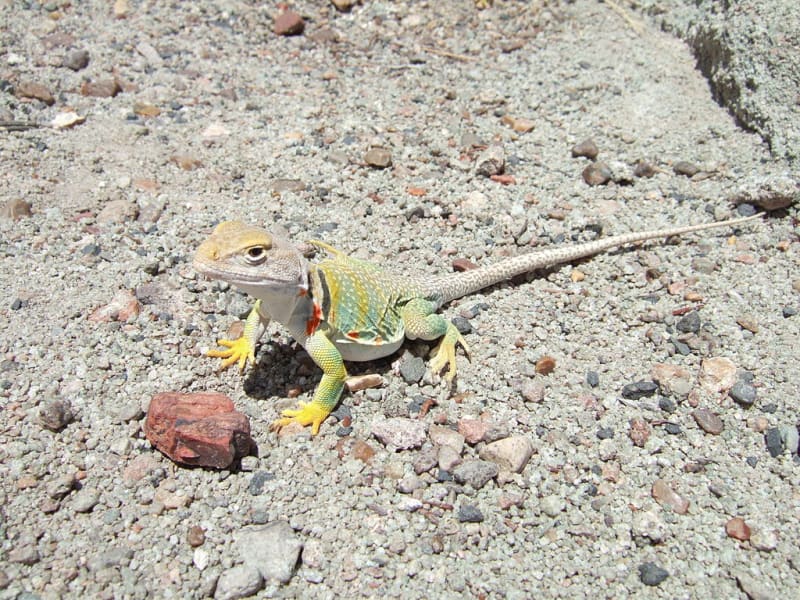
Despite its dry climate, the park supports a variety of plants and animals adapted to desert conditions. Sagebrush, grasses, cacti and other drought-resistant species grow here. Small rodents, lizards, rabbits and birds can be seen on the open plains, while larger animals tend to avoid the busiest areas.
The national park protects much more than petrified wood. Its resources include natural grasslands, fossils of ancient organisms, archaeological sites and historic landmarks. Its importance therefore extends far beyond its unusual stone forest.
When to Visit
Petrified Forest can be visited in different seasons, although conditions depend on the weather. Spring and autumn are generally comfortable for walking because temperatures are more moderate. Summer afternoons can be extremely hot, and there is little shade in exposed areas. Winter may bring cold winds and snow, changing the appearance of the desert landscape.
Allow around two to three hours to see the main attractions, although hikers and photographers may choose to spend an entire day. Before travelling, check the park's official website for current opening hours and trail conditions.
How to Get to Petrified Forest National Park
The park lies between Interstate 40 and Highway 180. Its north and south entrances are connected by a road approximately 45 kilometres long. Along the route, visitors will find overlooks, trails and stopping points where they can explore petrified wood and unusual rock formations.
The nearest convenient town is Holbrook, west of the park. Visitors can drive from Phoenix or Albuquerque, but there is no public transportation directly to the park. A private or rental car is therefore usually necessary. Petrified Forest National Park offers a chance to see extraordinary geological evidence of Earth's ancient past, walk among stone tree trunks and discover Arizona's natural and cultural heritage.
Gallery