Paanajärvi National Park lies in the northwestern part of the Republic of Karelia, in Russia's Loukhsky District, close to the Finnish border. It is one of northern Karelia's most scenic natural areas, protecting extensive taiga forests, mountain summits, deep lakes, fast-flowing rivers, and waterfalls. The park was established in 1992 to preserve the distinctive ecosystems of the northern taiga.
Nature and landscapes
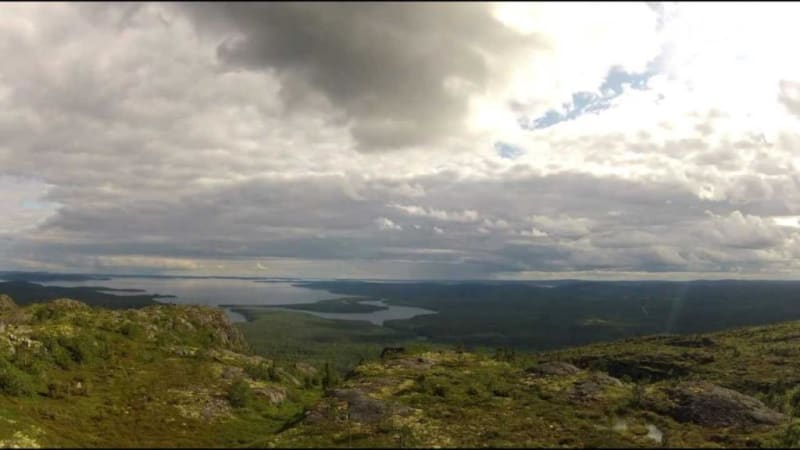
The park has a varied landscape of dense coniferous forests, rocky fells, wetlands, lakes, and river valleys. At higher elevations, forest gradually gives way to sparse woodland and mountain tundra. Mosses and lichens cover many rocky surfaces. Its remote location has helped preserve large areas of relatively undisturbed wilderness.
Spruce and pine dominate the forests, alongside birch and other northern tree species. Wildlife includes moose, reindeer, brown bears, foxes, and many forest birds. The park also protects rare plants and animals that are vulnerable to environmental change.
Lake Paanajärvi
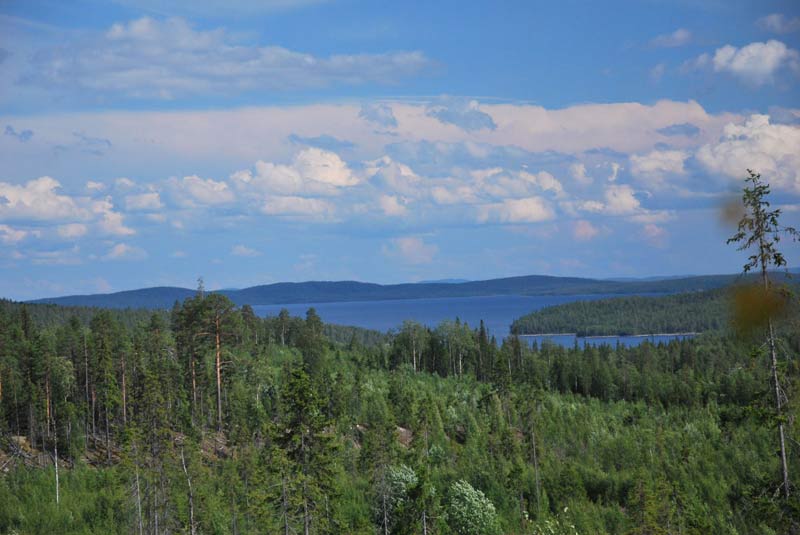
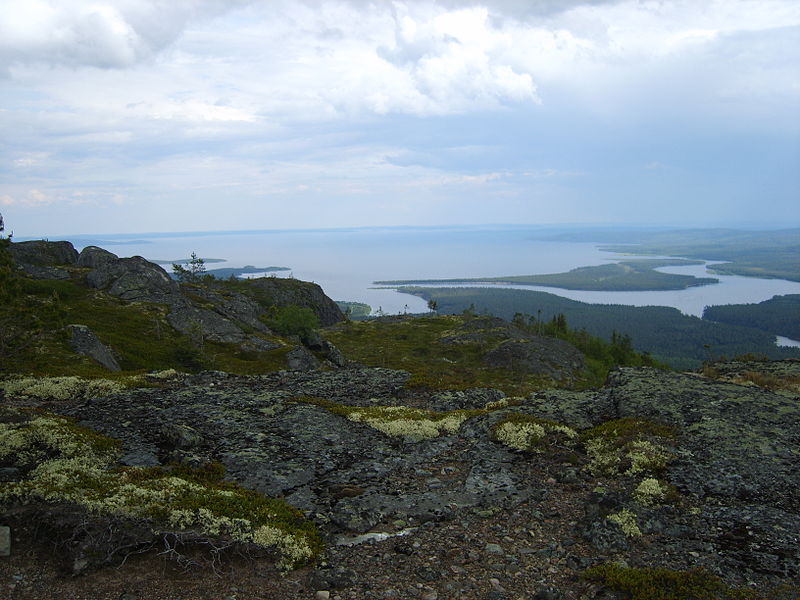
The park's central attraction is Lake Paanajärvi, a long lake surrounded by forested slopes and rocky cliffs. It is about 24 km long and reaches roughly 1.5 km in width in some places. Despite its relatively narrow shape, the lake is exceptionally deep, reaching approximately 128 m. It occupies a deep geological depression enclosed by steep slopes and mountain ridges.
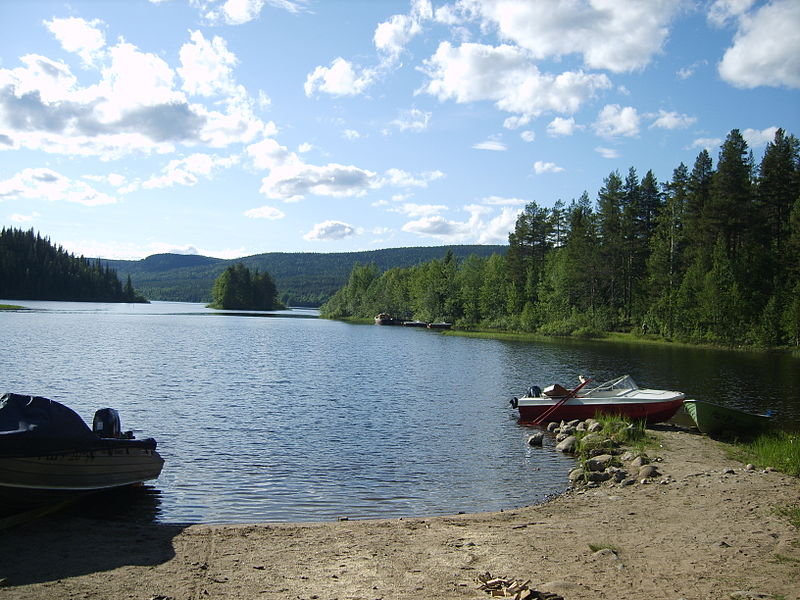
The water is cold and clear, while the shoreline alternates between forest, rocky precipices, and small sandy areas. Boat excursions offer views of Ruskeakallio Cliff, which rises about 60 m above the water. On clear days, the surrounding mountains are reflected in the calm lake, creating striking northern scenery.
Mount Nuorunen
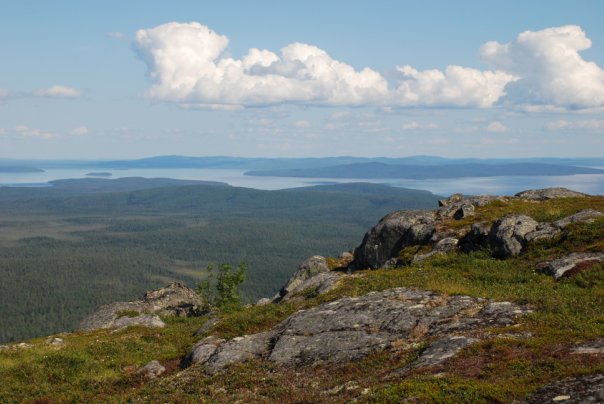
Nuorunen, at 576 m, is the highest mountain in Karelia. Located in the southwestern part of the park, it is a popular destination for hikers. As the trail climbs, dense forest gradually gives way to rocky slopes and patches of mountain tundra. The summit provides broad views across northern forests, lakes, and rolling uplands.
Large stone formations can be found on the mountain, including features associated with seids, sacred natural objects in traditional Sámi culture. A hike to Nuorunen requires preparation: the route is long, weather can change quickly, and trail conditions vary with the season.
Mount Kivakka
Kivakka is another well-known summit in the park, rising to approximately 499 m above sea level. Its rocky top stands above the surrounding taiga and provides one of the area's notable viewpoints. Visitors can see extensive forests, lakes, and the characteristic terrain of northern Karelia.
Ancient stone formations on the summit and slopes are associated with the traditions of northern Indigenous peoples. The ascent also reveals how vegetation changes with elevation and offers a sense of the region's harsh climate.
Kivakkakoski and Mäntykoski waterfalls
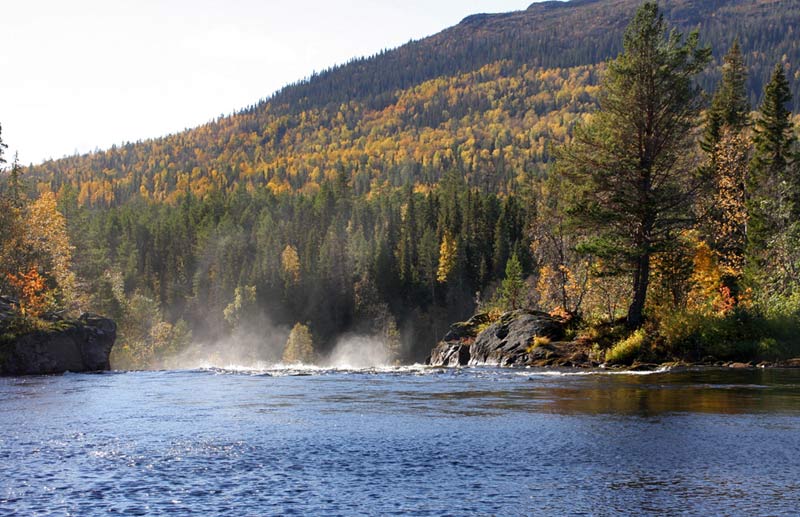
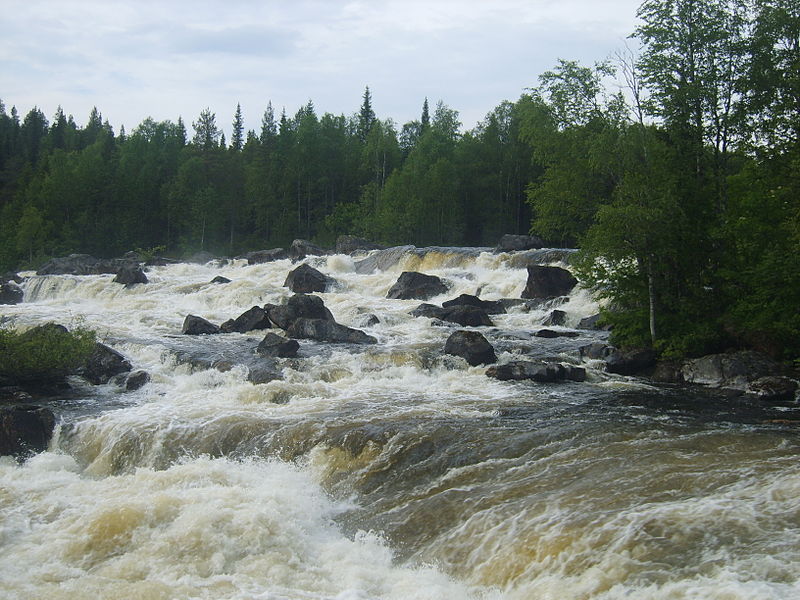
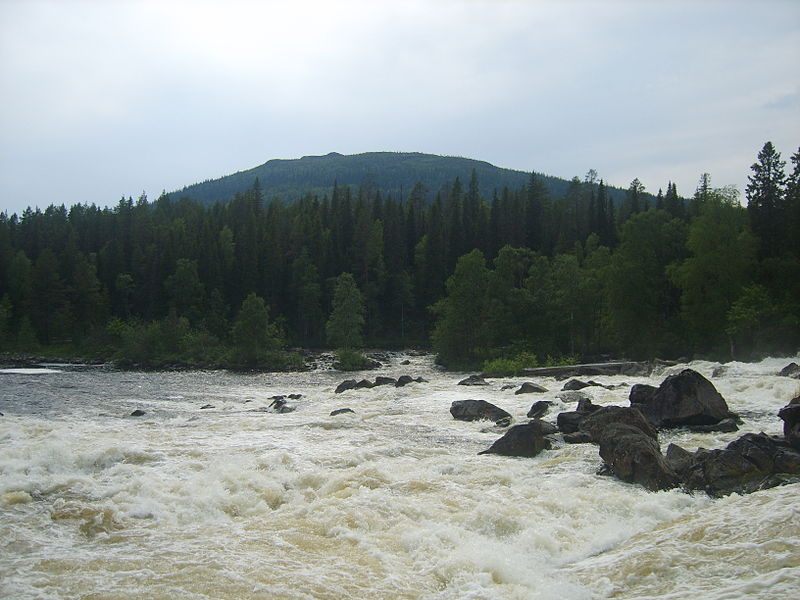
Kivakkakoski lies on the Olanga River. This powerful series of rapids sends water rushing over granite steps, creating foaming currents. The overall drop is about 12 m. The rapids are especially impressive when water levels are high, and the sound carries through the surrounding forest.
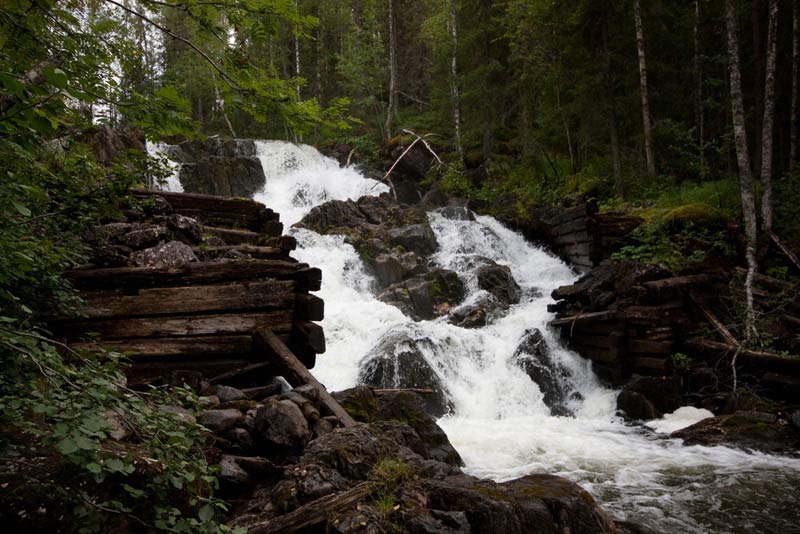
Mäntykoski is on the Mäntyjoki River, which flows into Lake Paanajärvi. This picturesque five-stage cascade has a total height of approximately 9 m. Water spills over rocky ledges beneath coniferous trees, and the remains of an old watermill can be found nearby, recalling the area's former rural life.
History and cultural heritage
Small settlements and farmsteads existed in the area before the national park was established. Traces of earlier land use can still be seen in clearings along Lake Paanajärvi. One notable historic site is the Arola farmstead, connected with the Finnish period in the region's history. These places offer a glimpse into how people once lived in this remote northern landscape and made use of local resources.
The name Paanajärvi is of Finnish origin and is commonly associated with the lake's shape and physical characteristics. The region's history reflects centuries of contact among Finnish, Karelian, and Sámi cultures.
Tourism and visiting the park
Paanajärvi is suited to hiking, wildlife observation, photography, boat excursions, and winter trips. Popular destinations include Lake Paanajärvi, Mount Kivakka, Mount Nuorunen, the waterfalls, and historical sites. Depending on the route and season, travel may involve walking, boat trips, cross-country skiing, or snowmobiling.
Tourist facilities are limited and designed to support low-impact visits. Designated campsites and simple wooden wilderness cabins are available for overnight stays. Some routes must be arranged in advance with park staff, and special access rules apply in certain areas.
The park is remote, so visitors should plan carefully. The road from the village of Pyaozersky to the park includes an unpaved section. Travellers should prepare for changeable weather, limited mobile coverage on many routes, and the need for suitable clothing, footwear, and navigation equipment.
Best time to visit
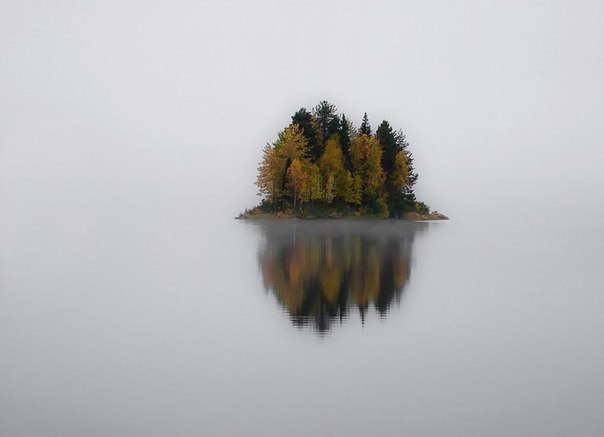
Summer is suitable for hiking, boating, and observing nature. Long daylight hours allow visitors to spend more time outdoors, although conditions can be cool and rainy. In autumn, forests turn golden and reddish, making the scenery particularly striking. Winter attracts visitors interested in snowy landscapes and ski routes, but cold-season trips require more thorough preparation.
Paanajärvi National Park is an excellent destination for travellers seeking Karelia's wilderness away from mass tourism. Its deep lake, mountain summits, powerful waterfalls, and old taiga forests reveal the rugged beauty of Russia's north.
Gallery