Crater Lake National Park is one of the most remarkable natural attractions in the United States, located in southern Oregon. Its centerpiece is a deep mountain lake filled with exceptionally clear, intensely blue water. The lake occupies the caldera of an ancient volcano whose summit collapsed after a major eruption thousands of years ago. Steep crater walls, volcanic formations and the surrounding evergreen forests give the park a distinctive landscape.
Established in 1902, the park covers approximately 741 square kilometres. In addition to the lake, it protects volcanic terrain, mountain meadows, coniferous forests and habitats for many species of wildlife. Visitors come for panoramic views, hiking, photography and the opportunity to explore one of North America's most striking volcanic landscapes.
How Crater Lake formed
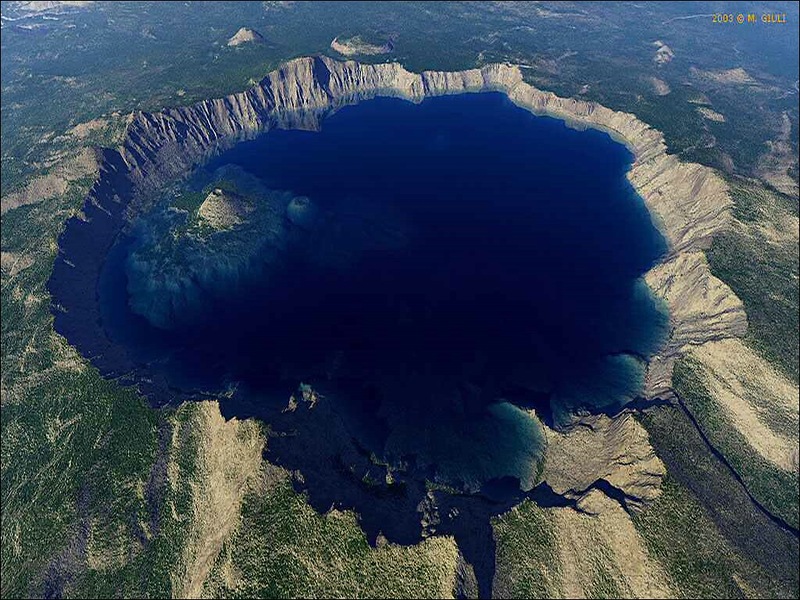
The lake's history is tied to Mount Mazama, a volcano that once stood here. About 7,700 years ago, a massive eruption released enormous quantities of ash and pumice. After the magma chamber emptied, the summit collapsed and created a broad caldera. Over time, rainwater and melting snow filled the basin, forming the lake seen today.
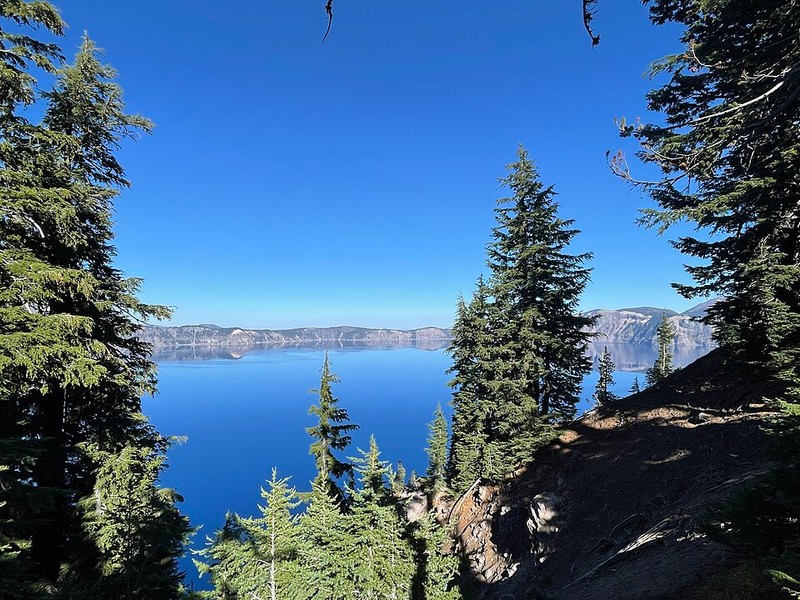
Crater Lake has no permanent surface inlets or outlets. Its water level is maintained mainly by precipitation, snowmelt and evaporation. The lake is exceptionally clear because relatively little sediment and dissolved material enters from outside streams. Its deep blue colour results from the water's depth and the way it absorbs and scatters sunlight.
Depth and distinctive features
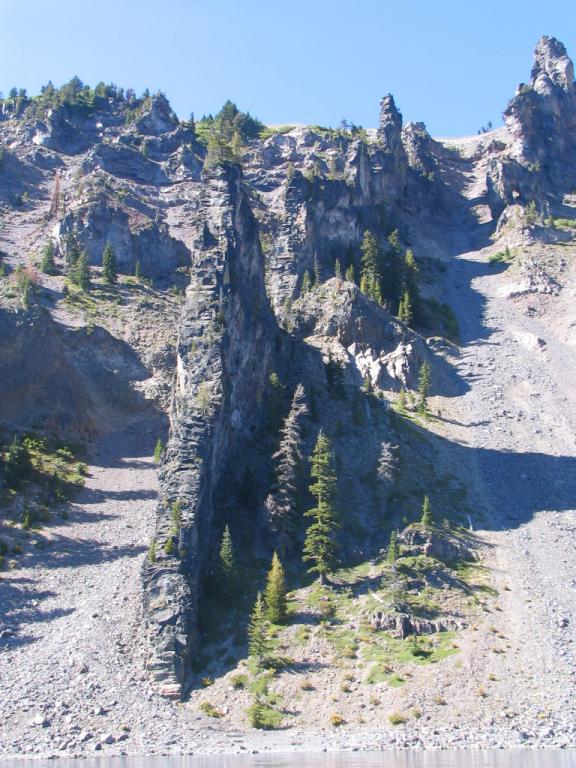
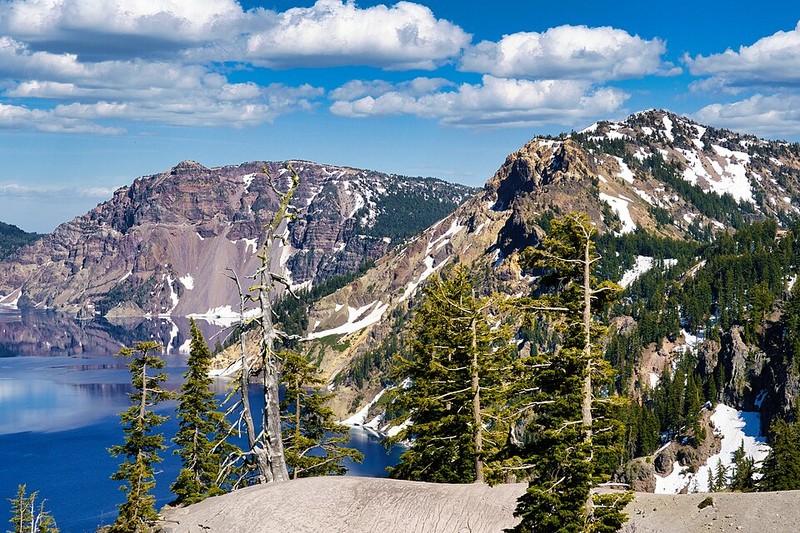
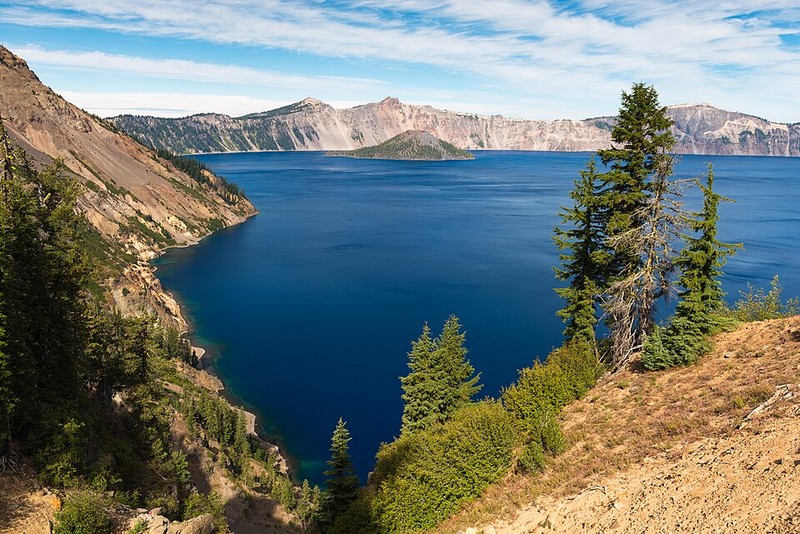
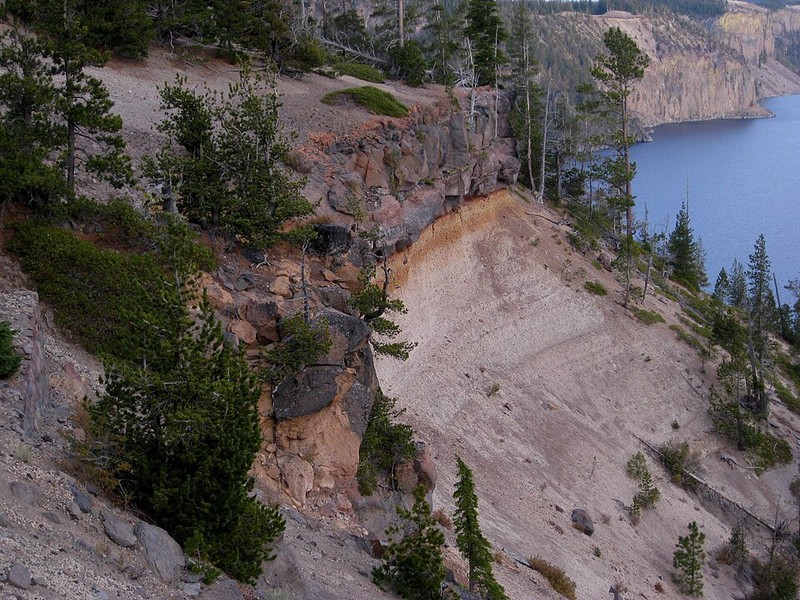
Crater Lake is the deepest lake in the United States, reaching a maximum depth of about 594 metres. High caldera walls rise hundreds of metres above the water in places. Dark mountain ridges and evergreen forests surround the lake, creating a dramatic contrast with its bright blue surface.
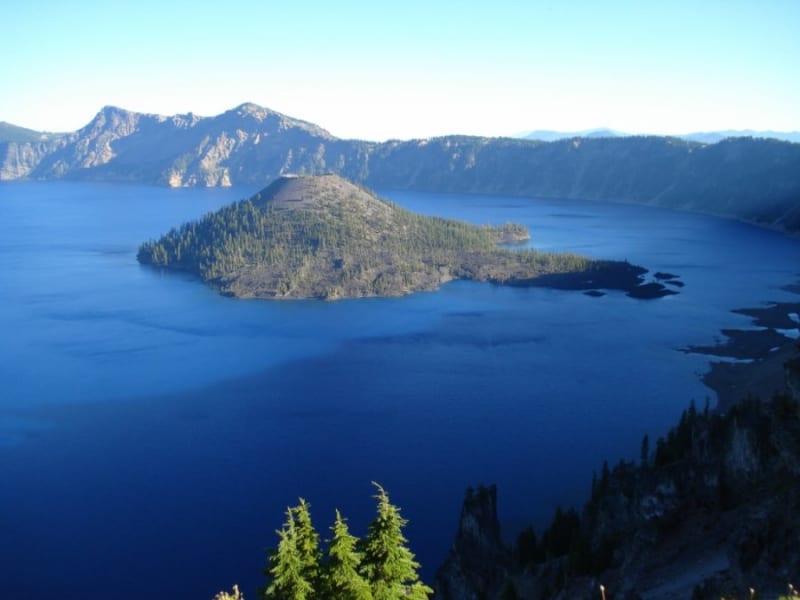
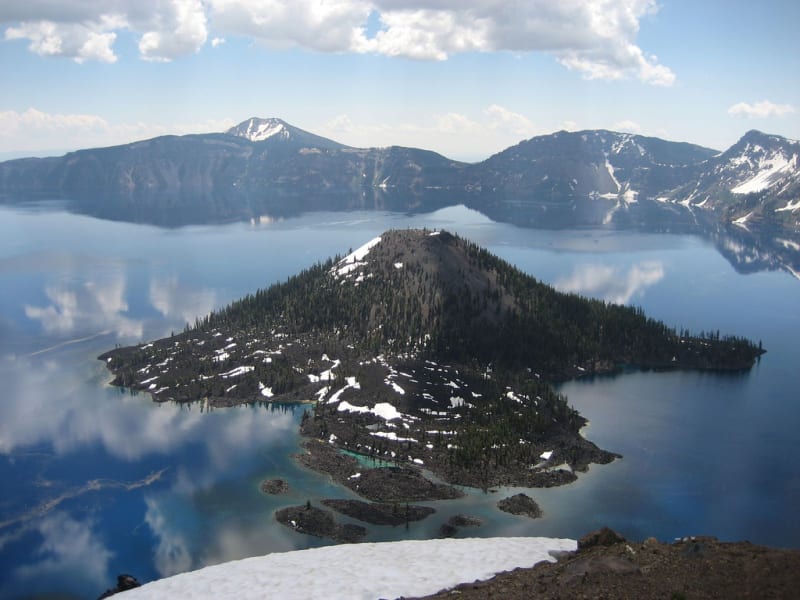
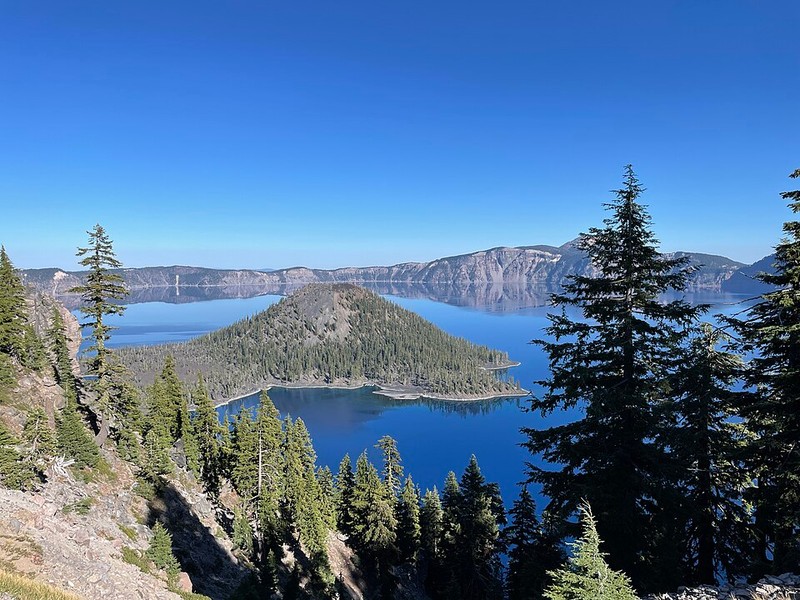
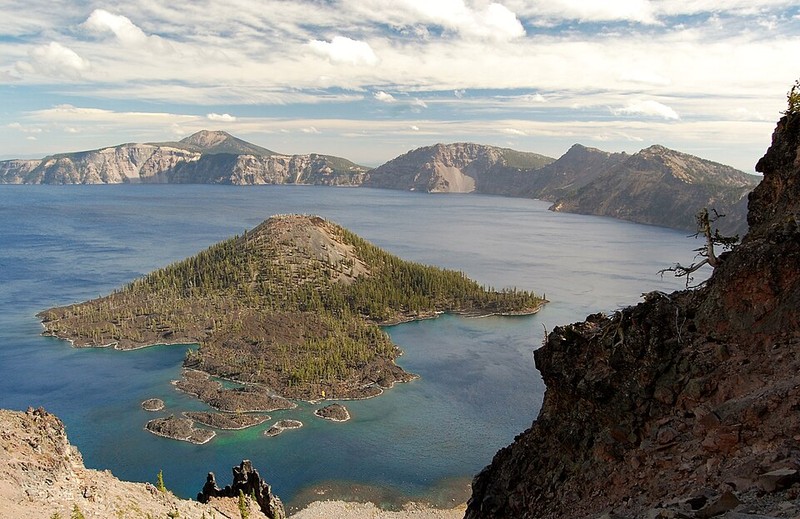
Wizard Island, a volcanic cone that formed after the main caldera, rises from the lake's centre. Its summit resembles a wizard's hat, which inspired its name. Another striking feature is Phantom Ship, a small rocky island whose shape resembles a sailing vessel, especially when viewed in mist or changing light.
Wizard Island and Phantom Ship
Wizard Island is one of the park's best-known landmarks. It is a separate volcanic cone that developed after the caldera formed. During the warmer season, boat tours may take visitors to the island when weather, lake conditions and the operating schedule allow. Hiking opportunities are available there when access is open.
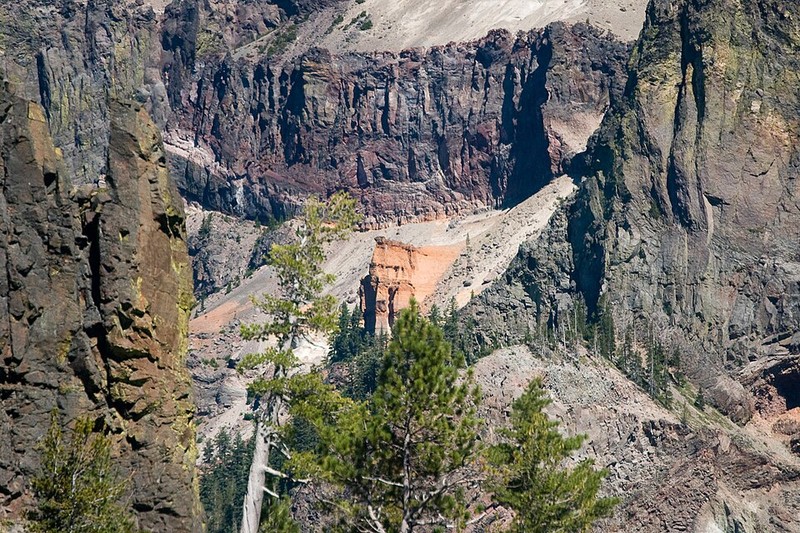
Phantom Ship is a small, rugged rock formation near the edge of the caldera. Its outline changes with the viewing angle and light, sometimes appearing like a tiny ship sailing across the deep-blue water.
Scenic viewpoints and Rim Drive
One of the best ways to explore the park is to travel along Rim Drive, a road that follows much of the caldera's rim. Numerous overlooks provide views of the lake, Wizard Island, Phantom Ship and surrounding mountains. The route makes it possible to see the water from different angles and observe how its colour changes with sunlight and cloud cover.
Western and southern viewpoints are especially popular for panoramic photography. Rim Drive is generally accessible only during the warmer part of the year because heavy winter and spring snowfall can close sections of the road. Check current road conditions before travelling.
Hiking and outdoor activities
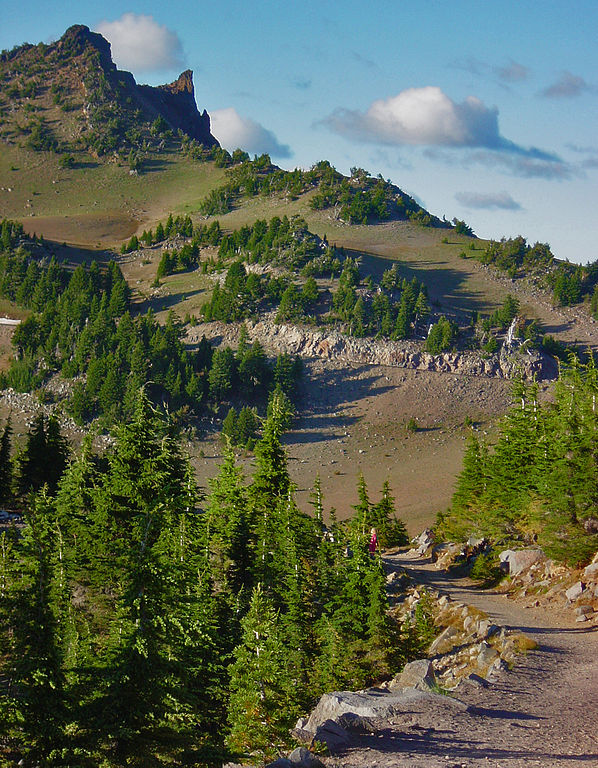
The park offers trails ranging from short walks to longer mountain hikes. Some follow the rim and lead to overlooks, while others pass through coniferous forest and open meadows. Cleetwood Cove Trail is one of the few routes that descends from the caldera rim to the lake shore. The descent is steep, and the return climb requires good physical fitness. Trail and shoreline access depend on the season and current conditions.
Visitors should wear suitable footwear, carry water and bring layers for changing mountain weather. Summer sunshine can be intense, while temperatures may remain cool at elevation. Stay away from unprotected cliff edges and remain on marked trails. Swimming should only be considered where it is permitted and safe under current park rules.
Forests and wildlife
Outside the caldera, much of the park is covered by coniferous forest, including different species of pine, fir and spruce. High elevation, snowy winters and a relatively short growing season shape this mountain ecosystem. Meadows and forest clearings add variety to the landscape during the warmer months.
Wildlife includes deer, squirrels, chipmunks, hares and many bird species. Black bears and other larger animals may also be present, although sightings are never guaranteed. Feeding wildlife or approaching animals is unsafe and can disrupt their natural behaviour.
When to visit
Summer is the most popular season for visiting Crater Lake. More roads, overlooks and hiking trails are usually accessible, and boat tours may operate on a seasonal schedule. Even in summer, mountain weather can be cool, and snow may linger in some areas.
Autumn often brings a quieter atmosphere, but conditions become less predictable and some facilities begin to close. In winter, deep snow transforms the park into a destination for snowshoeing, skiing and winter scenery, while many roads are closed. Spring snowmelt can also limit access to trails and viewpoints. Check official updates before your visit.
History and conservation
The region has long held cultural and spiritual significance for Indigenous peoples, whose oral traditions preserve stories connected with the eruption and the changing volcanic landscape. In the nineteenth century, the lake became known to European American explorers and settlers. The area was designated a national park in 1902 to protect its extraordinary geology, water and surrounding forests.
Today, conservation efforts focus on protecting the caldera, maintaining water quality and preserving the ecological processes that support local habitats. Visitors can help by following park regulations, staying on designated trails and leaving natural features undisturbed.
Why visit Crater Lake
Crater Lake National Park combines a dramatic volcanic history, a remarkably clear deep-blue lake, unusual volcanic islands and mountain forests. It suits both travellers making a short stop at a scenic overlook and visitors planning a longer stay with hikes and nature observation.
The lake itself is the main attraction: its vivid colour, steep caldera walls and remote mountain setting create an unforgettable panorama. Plan your route in advance, check seasonal restrictions and allow time for several stops along Rim Drive.
Gallery