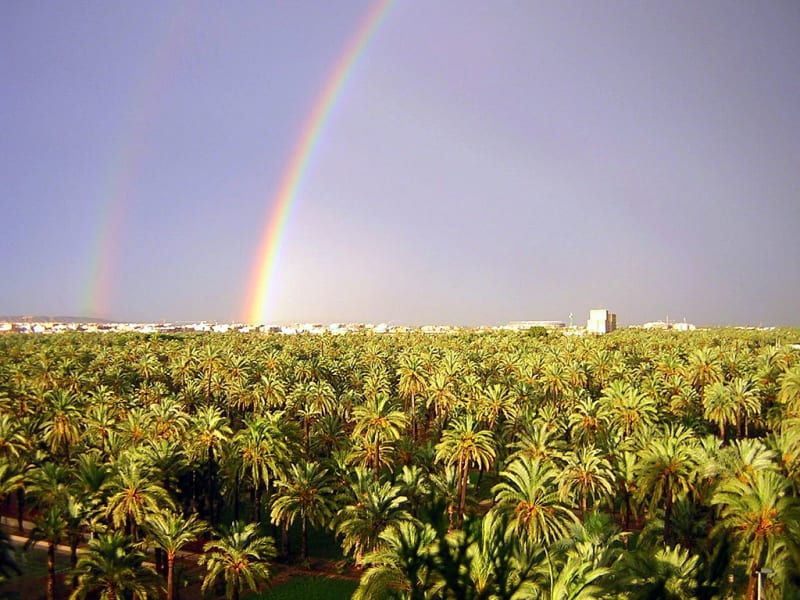
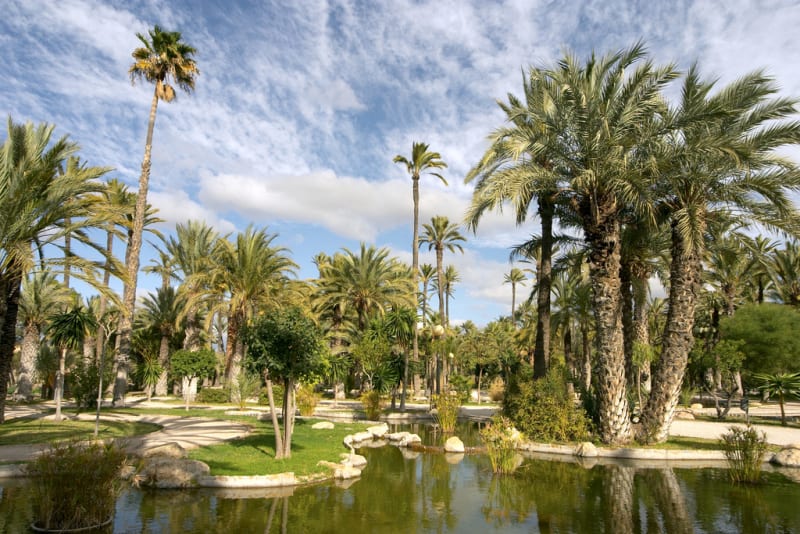
The Elche Palm Grove, known in Spain as Palmeral de Elche, is a unique cultural landscape in the southeast of the country, in the province of Alicante, within the Valencian Community. Thousands of tall date palms surround the historic part of Elche, creating a landscape unusual for Europe and reminiscent of the oases of North Africa. It is not simply a natural attraction but a historic agricultural system shaped by people over many centuries.
In 2000, the Elche Palm Grove was added to the UNESCO World Heritage List. It is recognised as an outstanding example of agricultural traditions transferred from North Africa to Europe and of the preservation of an ancient irrigation system. The UNESCO property covers about 144 hectares divided into 67 historic plots containing date palms.
History of the Palm Grove
Date palms have been cultivated around Elche since ancient times. Archaeological evidence points to palm cultivation during the period of the Iberian peoples, around the fifth century BC. However, the palm grove's present appearance was largely shaped during Muslim rule on the Iberian Peninsula.
In the tenth and eleventh centuries, as the medieval city of Elche developed, palm gardens were established around it and the water distribution system was improved. The layout resembled agricultural oases in North Africa: rows of palms marked plot boundaries, while canals directed water to the crops. This arrangement made it possible to use limited water resources efficiently in an arid climate.
After Christian forces captured the city in the thirteenth century, the palm gardens continued to exist and provide agricultural products for local residents. Over time, urban expansion, industrial development and railway construction threatened the groves. More active protection measures began in the twentieth century, and in 1986 the Valencian authorities adopted a special law to protect the Elche Palm Grove.
How the Palm Grove Is Organised
The historic landscape consists of individual gardens known in Spanish as huertos. Their plots are mostly rectangular or square and are separated by walls or traditional fences made from dried palm leaves. Date palms are planted in rows, often following irrigation canals, so the garden layout reflects both agricultural practices and a carefully planned system of water management.
The UNESCO-protected area contains about 45,000 palms across 144 hectares. The wider historic palm landscape of Elche is much larger: according to Spanish tourism sources, more than 200,000 palms grow in the city and its surroundings. These figures refer to areas of different sizes and should not be confused.
The main species is the date palm, Phoenix dactylifera. Under favourable conditions, it can grow to more than 30 metres and live for over 300 years. In addition to dates, the palms provide leaves that are traditionally processed and bleached to create so-called white palms. These are used for decoration and religious processions on Palm Sunday.
The Ancient Irrigation System
One of the Palm Grove's most important features is its historic water-management system. Its key element is the Acequia Mayor, the main irrigation canal, connected to a network of branches and structures that distribute water among the plots. The system was designed to cope with water scarcity and regulate supplies for agricultural and urban needs.
Water travelled through canals, and its distribution followed established rules. This enabled the palm gardens to survive in an area where hot summers and limited rainfall make many crops difficult to grow. Historic canals, garden boundaries and rows of palms form a single landscape in which engineering and nature are closely connected.
What to See in the Elche Palm Grove
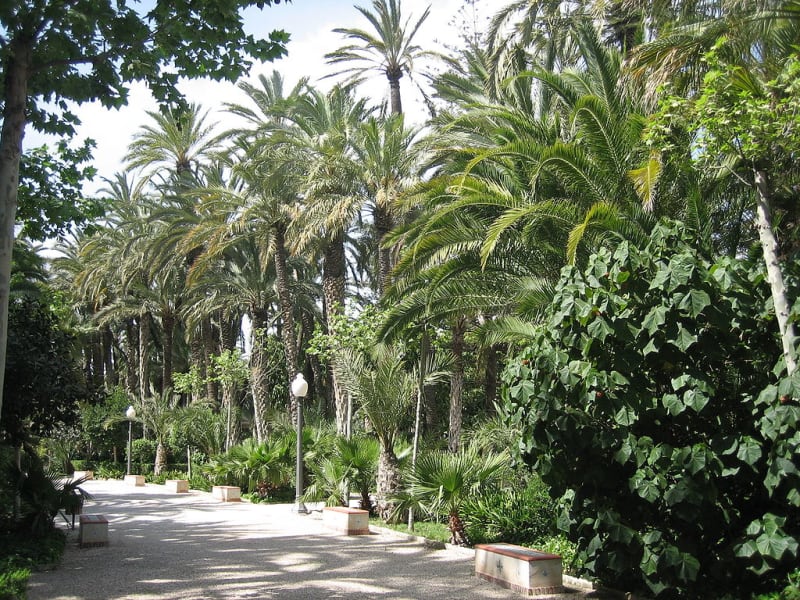
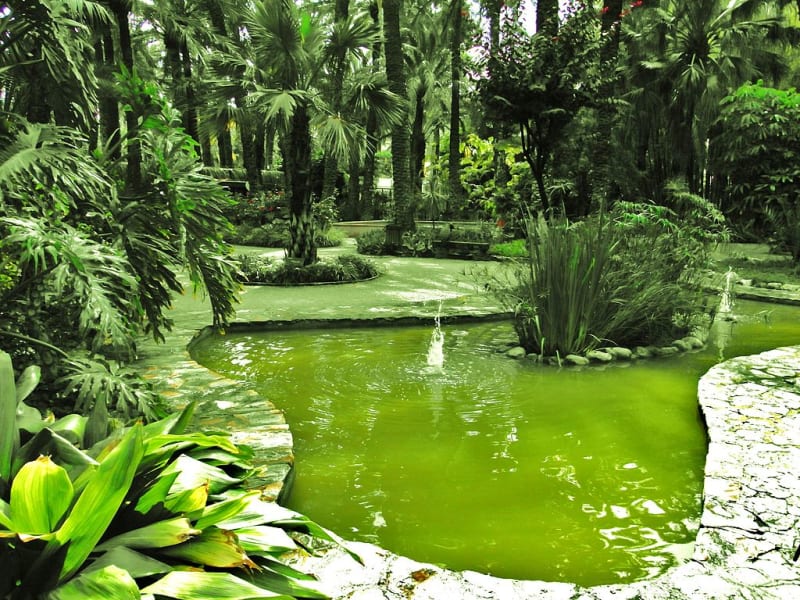
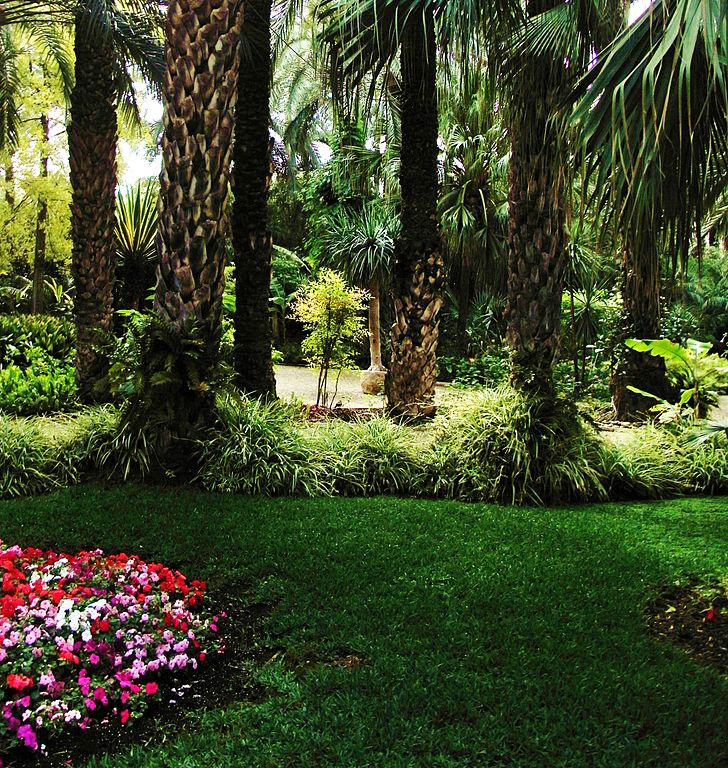
A convenient place to begin exploring is the Municipal Park, a green space near the city centre. Visitors can walk among palms, fountains and shaded paths, and see architectural features reflecting Elche's cultural connections with the Arab world.
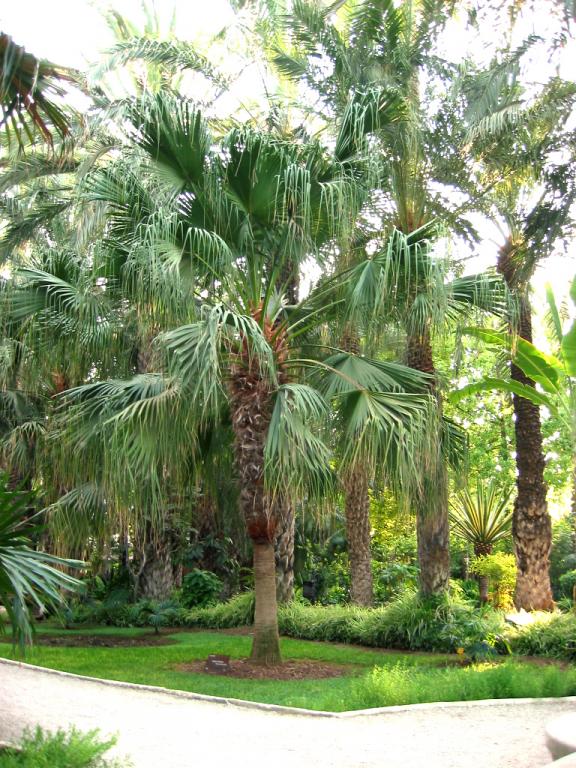
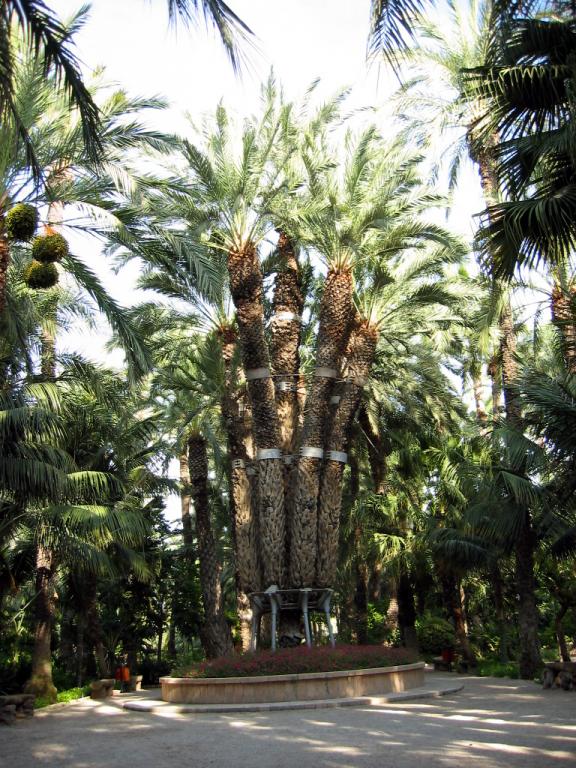
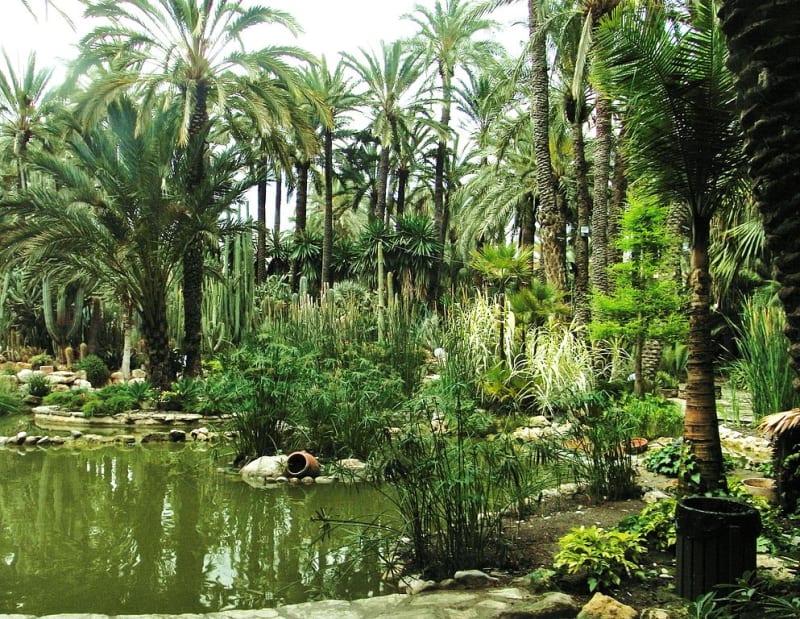
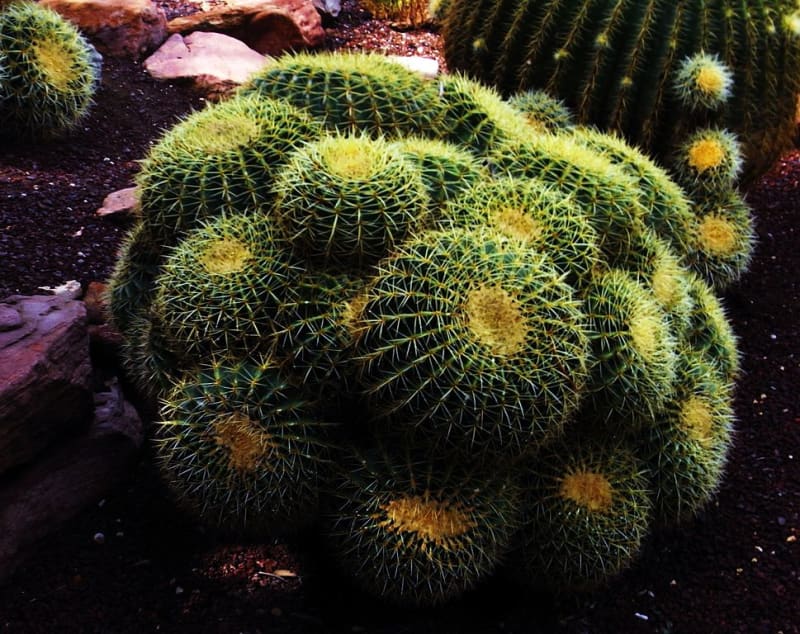
Huerto del Cura is another highlight, known for its collection of palms and other plants. This historic garden has been recognised as a National Artistic Garden of Spain. Its best-known specimen is the Imperial Palm, whose several trunks grow from a common base to form an unusual fan-shaped composition. The garden is ideal for a leisurely walk and for discovering the diversity of palm species.
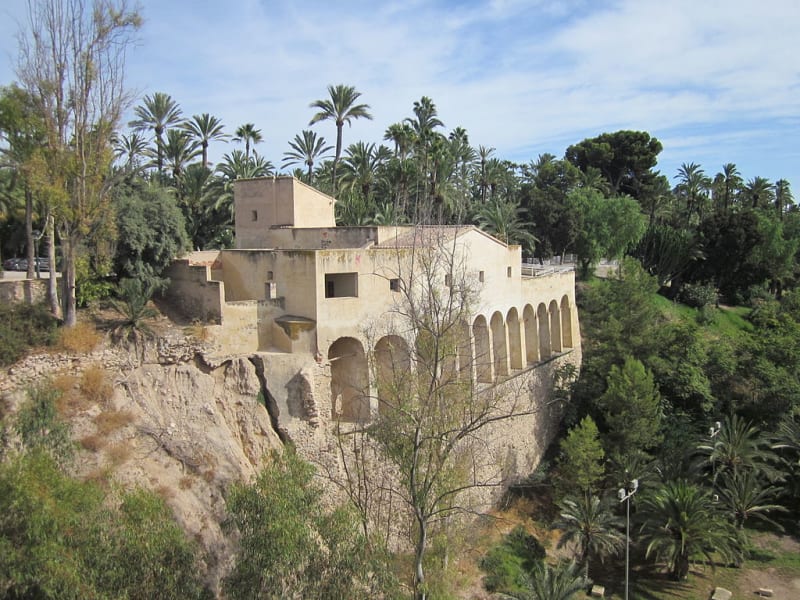
Another option is to follow a route through traditional palm gardens, where visitors can see not only ornamental plantings but also the historic structure of the landscape. To learn more about local traditions, visit the Palm Grove Museum, located in the Huerto de San Plácido garden. Its exhibits explain palm cultivation, traditional care techniques and the importance of this work to the city's residents.
Palms and the Culture of Elche
The palm grove has long been a symbol of the city and an important part of local identity. Palms appear in civic symbols, festivals and craft traditions. White palm leaves, prepared by hand, are especially well known. They are used during Palm Sunday processions, and some are fashioned into elaborate decorative designs.
Elche's cultural heritage extends beyond its palm gardens. The city is also famous for the medieval religious drama known as the Mystery Play of Elche, dedicated to the Assumption of the Virgin Mary. It is closely connected with local festivities and is included on UNESCO's list of Intangible Cultural Heritage. A visit allows travellers to combine walks through the palm groves with the city's historic landmarks and cultural life.
Best Time to Visit
The palm grove can be visited throughout the year. Spring and autumn are often particularly pleasant for walking along the open paths because the weather is milder. Summers in Elche can be very hot, so it is better to explore in the morning or late afternoon and spend the middle of the day in shaded gardens and parks.
When planning a visit, remember that individual gardens and museums may have their own opening hours and admission conditions. If you want to explore specialist garden collections as well as public parks, check the latest schedules in advance. Comfortable shoes, drinking water and sun protection are useful for a pleasant walk.
How to Get to the Elche Palm Grove
The palm grove is located within the city of Elche, in Alicante Province in eastern Spain. It can be reached from Alicante by car or public transport. Many historic palm gardens are close to the centre and other attractions, making them convenient to explore on foot from different parts of the city.
The Elche Palm Grove is a rare example of a human-made agricultural system that has become a cultural landscape of international importance. Visitors can see centuries-old palms, learn about traditional irrigation and discover customs that remain an important part of city life.
Gallery