
Gros Morne National Park lies on the west coast of Newfoundland in Canada's province of Newfoundland and Labrador. It is one of eastern Canada's most remarkable natural areas, combining rugged mountains, deep fjords, waterfalls, lakes, coniferous forests and a rocky Atlantic coastline. The park covers approximately 1,805 square kilometres.
Gros Morne is known not only for its scenery but also for its extraordinary geology. Its rocks reveal features usually hidden deep beneath Earth's crust, including evidence of ancient oceans and tectonic plate movement. In 1987, the park was inscribed on the UNESCO World Heritage List for its exceptional natural beauty and geological significance.
Geology and the formation of the landscape
One of Gros Morne's defining features is the opportunity to study rocks that originated deep inside the Earth. Millions of years ago, tectonic movements brought ancient continental masses together and closed the Iapetus Ocean. Sections of oceanic crust and the upper mantle were pushed to the surface, where they can now be examined without deep drilling.
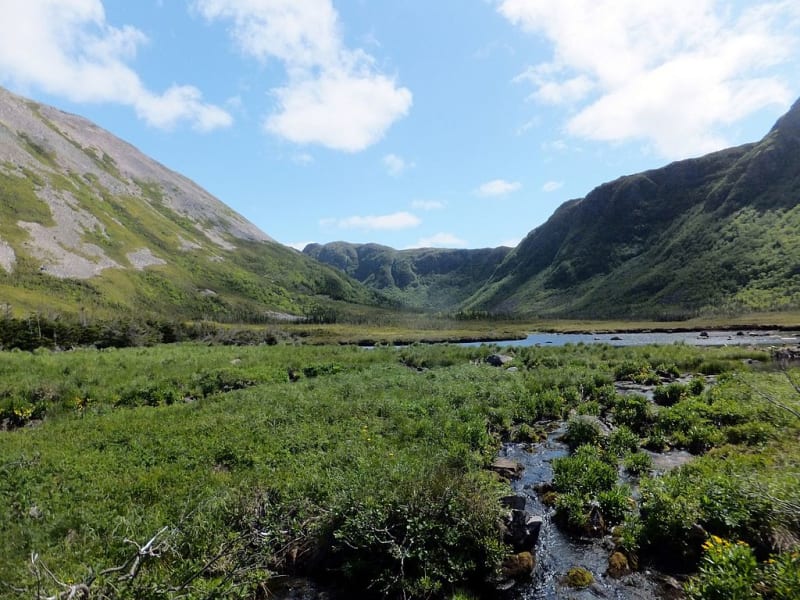
Glaciers later shaped the landscape, carving valleys, deepening lakes and creating steep cliffs and fjords. This combination of tectonic processes and glacial erosion makes the park an important place for understanding Earth's geological history.
The Tablelands
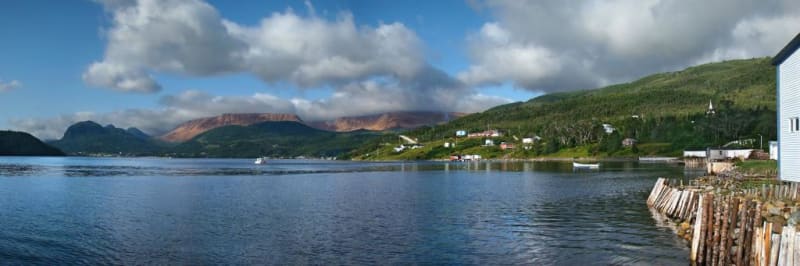
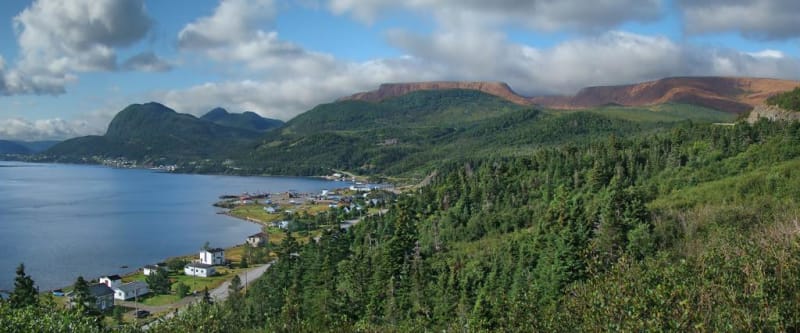
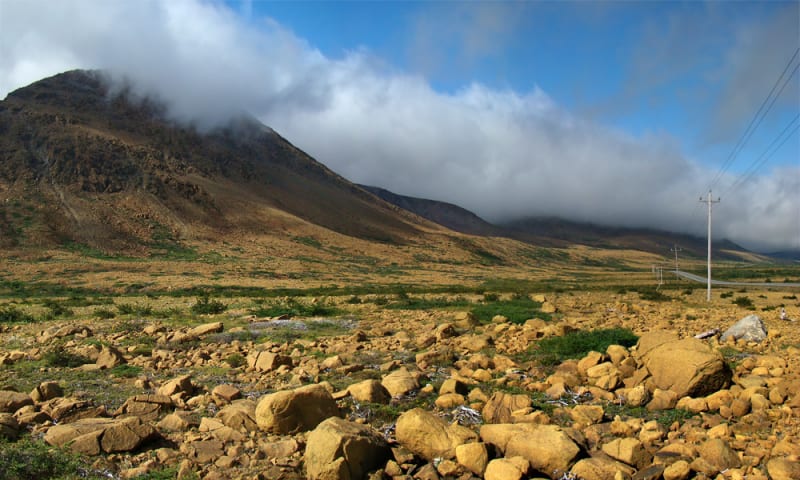
The Tablelands are among the park's best-known features. Peridotite, a rock associated with Earth's upper mantle, is exposed here at the surface. Such rocks normally lie far beneath the crust, making large exposed areas relatively uncommon.
The rock chemistry leaves the soil poor in nutrients and rich in metals that inhibit the growth of many plants. As a result, the landscape looks strikingly different from the surrounding forests, with brown, ochre and reddish tones. Visitors can explore this unusual terrain independently or with a guide by following designated trails.
Western Brook Pond
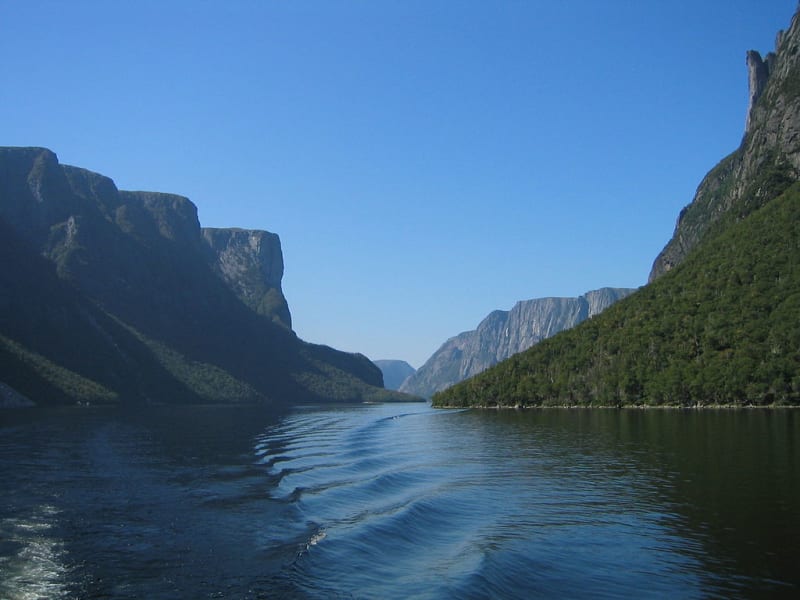
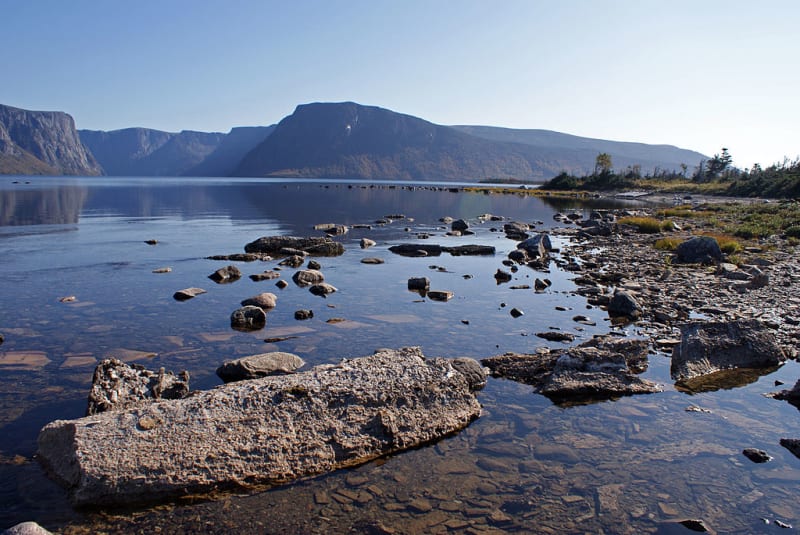
Western Brook Pond is one of Gros Morne's most scenic locations. This freshwater body is surrounded by towering cliffs shaped by ancient glaciers. Although it resembles a sea fjord, it is now separated from the ocean and filled with fresh water.
Steep rock walls and waterfalls descending from the surrounding plateau create a dramatic setting. On clear days, the cliffs are reflected in the water; when clouds descend, their summits may disappear into mist. Boat tours operate during the season. Visitors must walk from the parking area to the departure point, so tour schedules and availability should be checked in advance.
Gros Morne Mountain
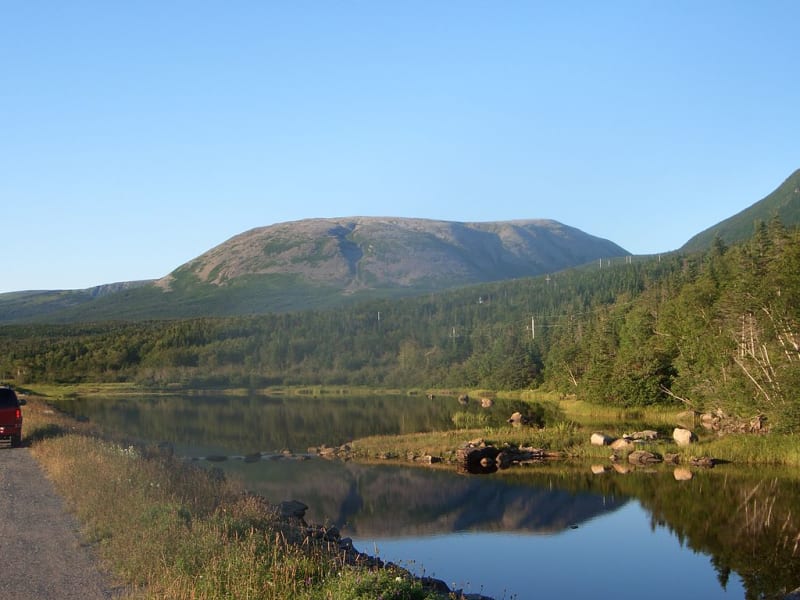
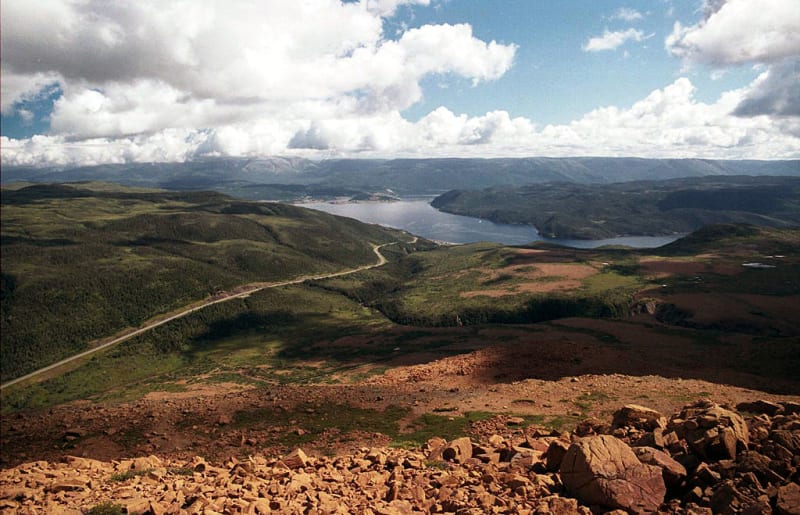
Gros Morne Mountain gave the national park its name and is one of its major natural attractions. It rises to approximately 806 metres. The hike offers views of mountain plateaus, valleys, lakes and the broad landscapes of western Newfoundland.
The summit route is a challenging day hike of about 17 kilometres on a loop trail. The terrain changes from lowland environments to exposed alpine conditions. Weather can change quickly, so suitable footwear, water, warm layers and a forecast check are essential. The trail closes seasonally to protect wildlife; confirm opening dates and restrictions with park authorities before setting out.
Waterfalls, coastline and lakes
Gros Morne contains a surprising variety of landscapes within a relatively compact area. Glacial lakes, fast-flowing rivers, wetlands, coniferous forests and rocky coastal areas are all part of the park. In some places, mountain slopes drop sharply towards the water, creating scenery characteristic of the North Atlantic.
In the Green Gardens area, trails pass through forest before reaching coastal meadows, sea cliffs and small coves. The route illustrates how inland mountain scenery transitions into an ocean landscape. Trail conditions depend on the season, rainfall and ground conditions.
Plants and wildlife
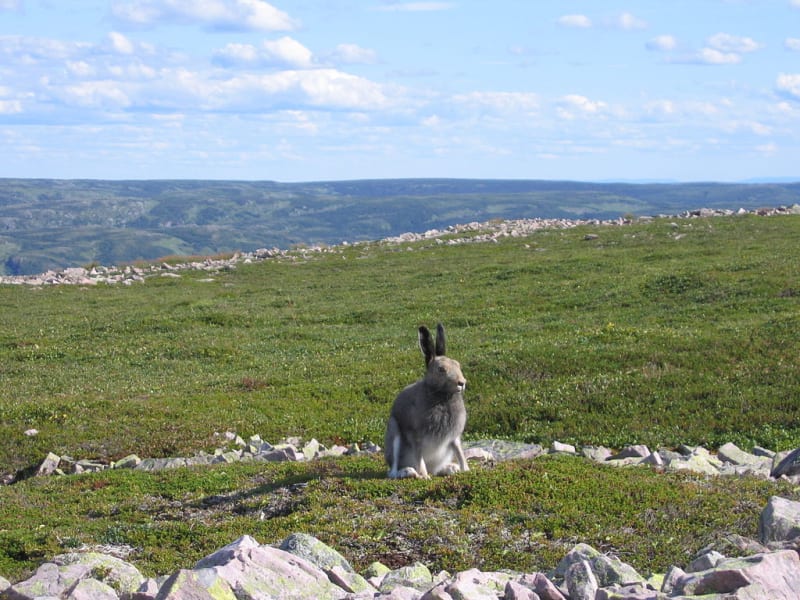
The park protects boreal forests, wetlands, freshwater habitats, coastal environments and cold alpine barrens. Vegetation changes with elevation, moisture and soil composition. Coniferous and deciduous trees grow in more fertile areas, while exposed plateaus support low-growing plants adapted to wind and harsh conditions.
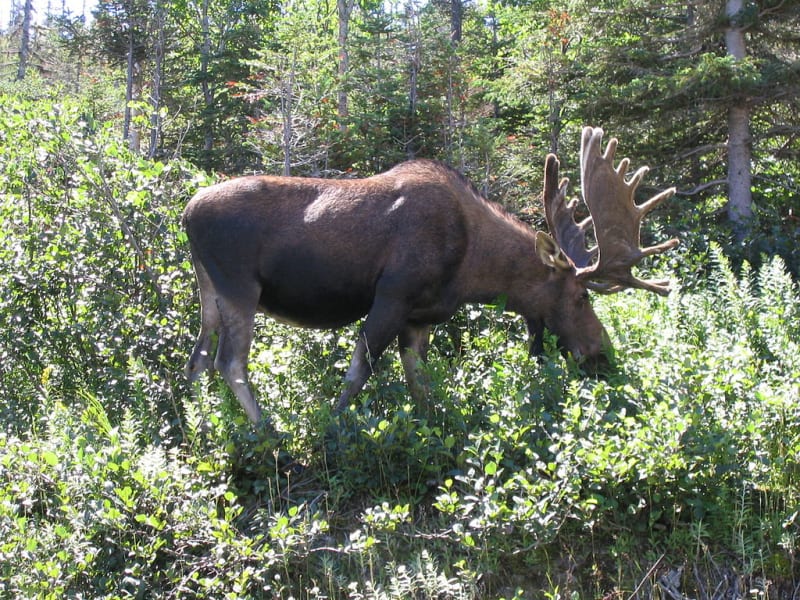
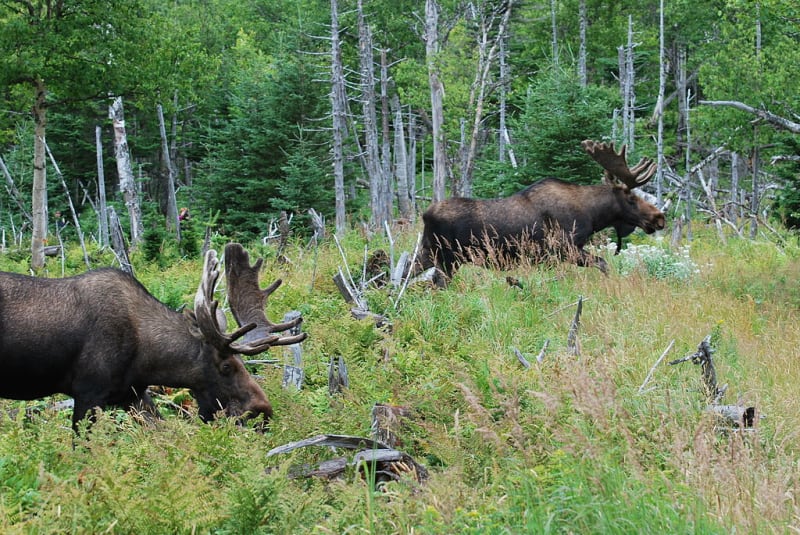
Moose, black bears, foxes and other Newfoundland wildlife inhabit the forests and valleys. Seabirds can be seen along the coast, and whales may be spotted offshore in the appropriate season. Observe wildlife responsibly: never feed or approach animals, and store food and waste according to Parks Canada guidelines.
Things to do in the park
Gros Morne offers hiking, photography, wildlife watching, scenic drives, boat excursions and kayaking in permitted areas. Short trails provide an introduction to the landscape without demanding long hikes, while multi-day routes lead into remote plateaus and valleys.
For a first visit, combine a walk in the Tablelands, a trip to Western Brook Pond and a coastal trail. Experienced hikers may choose Gros Morne Mountain or remote backcountry routes, some of which require registration, specialist equipment and navigation skills.
When to visit
The most popular period runs from late spring to early autumn. Summer generally brings more visitor services, boat tours and accessible hiking routes. Autumn colours the landscape in gold and red, although daylight hours shorten and the weather becomes less predictable.
Even in summer, higher elevations can be cold, windy and foggy. Rain is common on Newfoundland's west coast, so waterproof clothing and footwear are useful. Before travelling, check seasonal closures, trail conditions, tour schedules and safety notices on the park's official website.
How to get to Gros Morne National Park
The nearest airport is in Deer Lake, about a 30-minute drive from the park area. Renting a car is the most convenient way to explore. From the ferry terminal at Port aux Basques, the drive across the island takes approximately four hours, depending on road conditions and the destination.
A car is useful for visiting different parts of the park because attractions are spread over a large area. Accommodation is available in nearby communities such as Rocky Harbour, Norris Point, Woody Point, Trout River and Cow Head. Book lodging and tours in advance during the busy season.
Travel tips
Plan your route around driving distances and hiking times. Bring water, snacks, a rain jacket, warm layers and a charged phone. A map, compass or GPS is helpful on remote trails. Stay within designated safe areas in the Tablelands and avoid difficult hikes without proper preparation.
Gros Morne National Park combines extraordinary scenery with rare geological features. Its fjords, unusual rocks, mountain summits and Atlantic coastline make it a rewarding destination for outdoor enthusiasts and anyone interested in Canada's distinctive natural landscapes.
Gallery