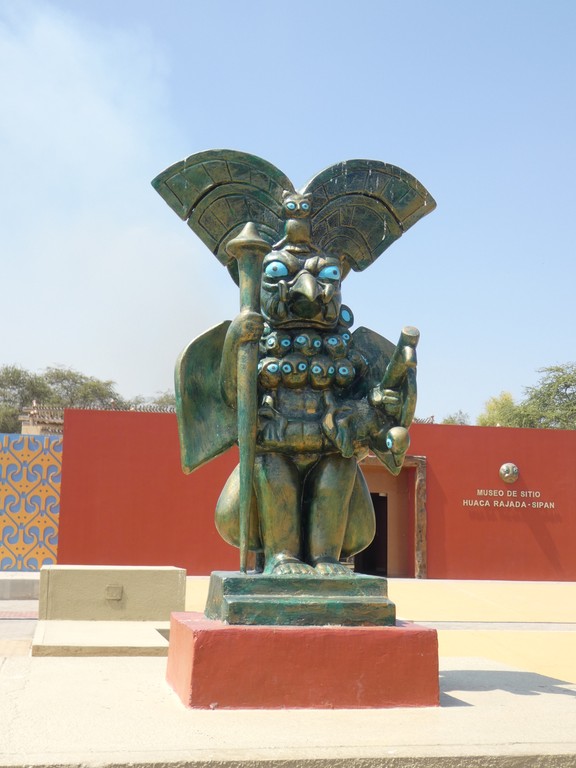
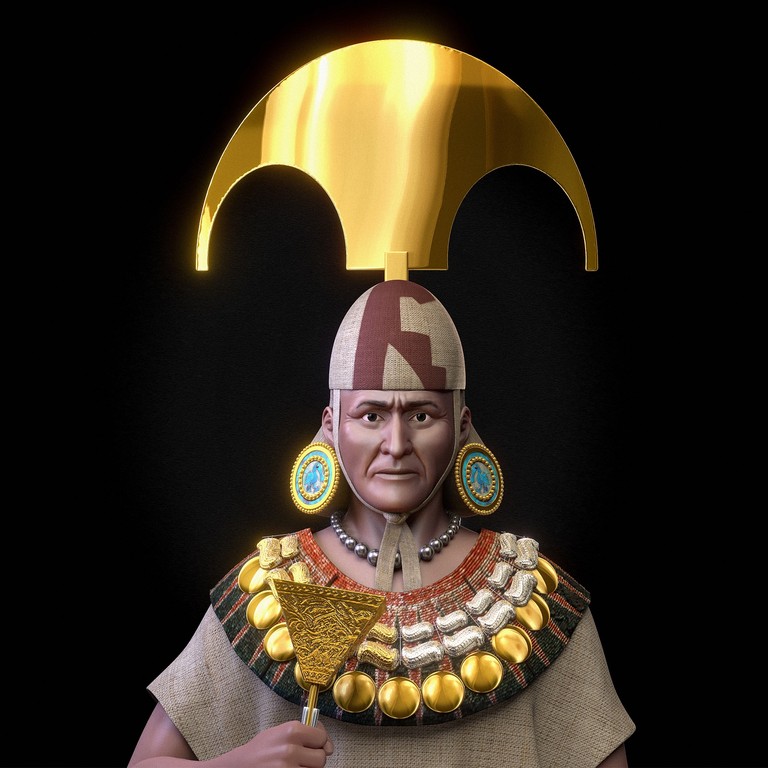
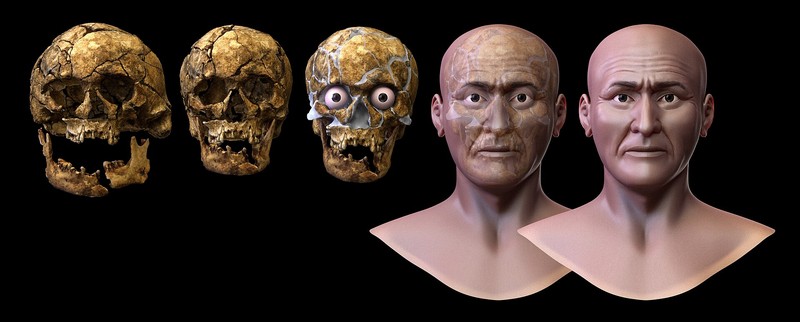
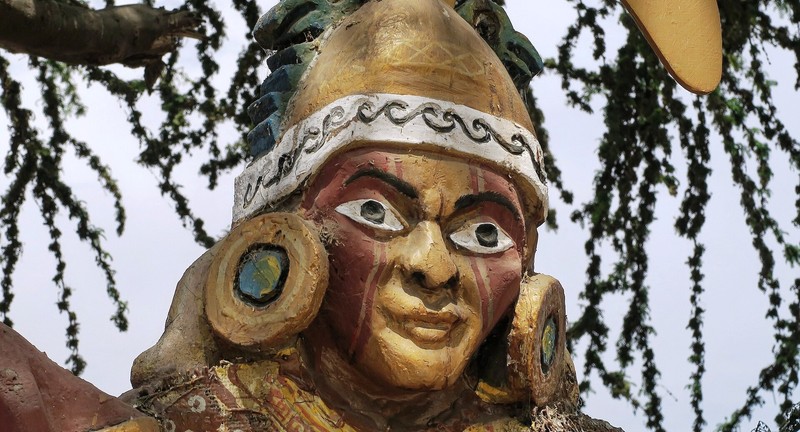
Sipán is one of the best-known archaeological sites in northern Peru, famous for the discovery of an exceptionally rich burial complex belonging to rulers of the ancient Moche culture. At Huaca Rajada, near the village of Sipán in the Lambayeque region, archaeologists uncovered an undisturbed ruler's tomb in 1987. The individual became known as the Lord of Sipán. The discovery was a landmark in American archaeology, making it possible to study Moche burial customs, art, and social organization in unusual detail.
The Moche culture flourished on the northern coast of present-day Peru during the first centuries CE. Its people built major ceremonial centers, produced distinctive pottery, worked sophisticated metals, and developed irrigation systems in dry coastal valleys. Sipán helps reveal how complex this society was long before the rise of the Inca Empire.
The Discovery of the Lord of Sipán's Tomb
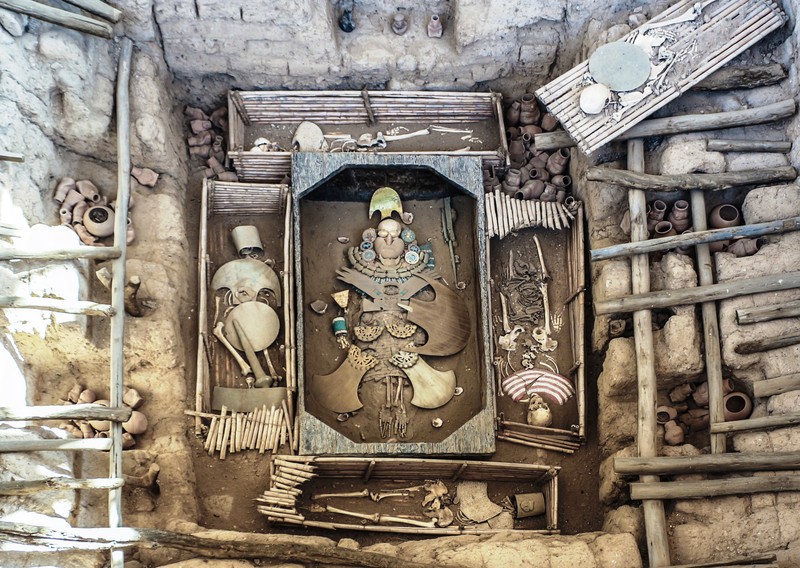
In 1987, Peruvian archaeologists led by Walter Alva began investigating the burial complex at Huaca Rajada. The work took place while ancient tombs were threatened by looting. The team discovered the burial of a high-ranking ruler that had remained almost intact. The find attracted international attention because it offered a rare opportunity to examine an elite burial from an ancient American society in its original archaeological context.
The Lord of Sipán lived around the seventh century CE and probably held an important position in the political and religious system of the Moche. His remains were accompanied by numerous ornaments, symbols of authority, objects associated with warfare, and funerary offerings. The arrangement of the objects, the clothing, and the burial assemblage helped archaeologists reconstruct aspects of Moche social hierarchy.
The discovery was especially important because the tomb could be studied as a complete archaeological context rather than as a collection of isolated treasures. The relationships between the objects provide clues to how the Moche understood authority, death, and existence after death. The investigation of Sipán also demonstrated the importance of protecting archaeological sites from looting.
The Treasures of an Ancient Ruler
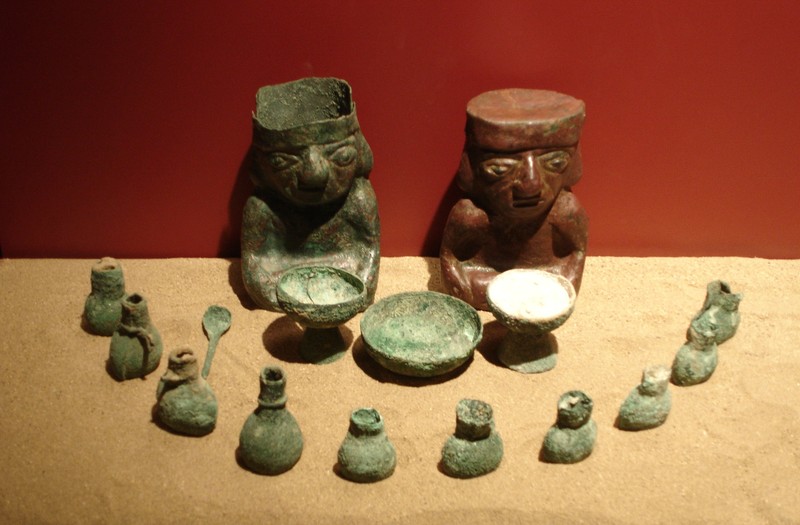
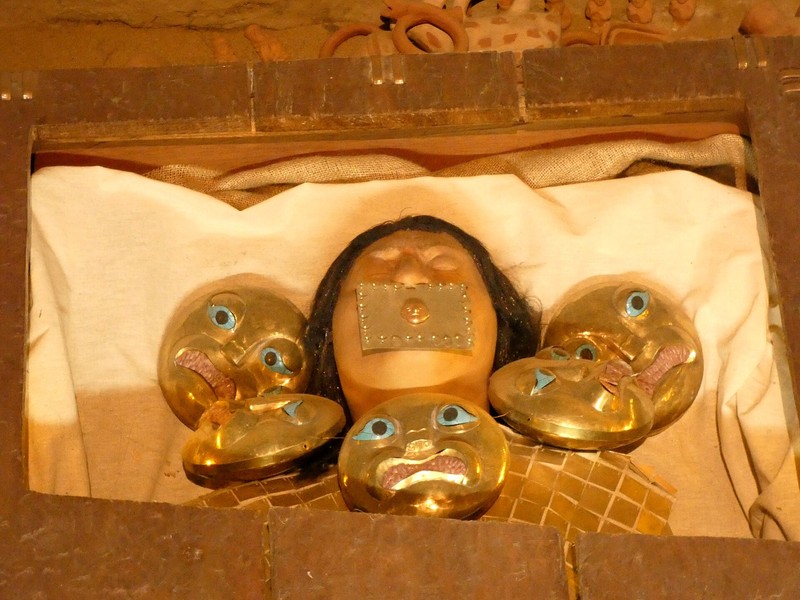
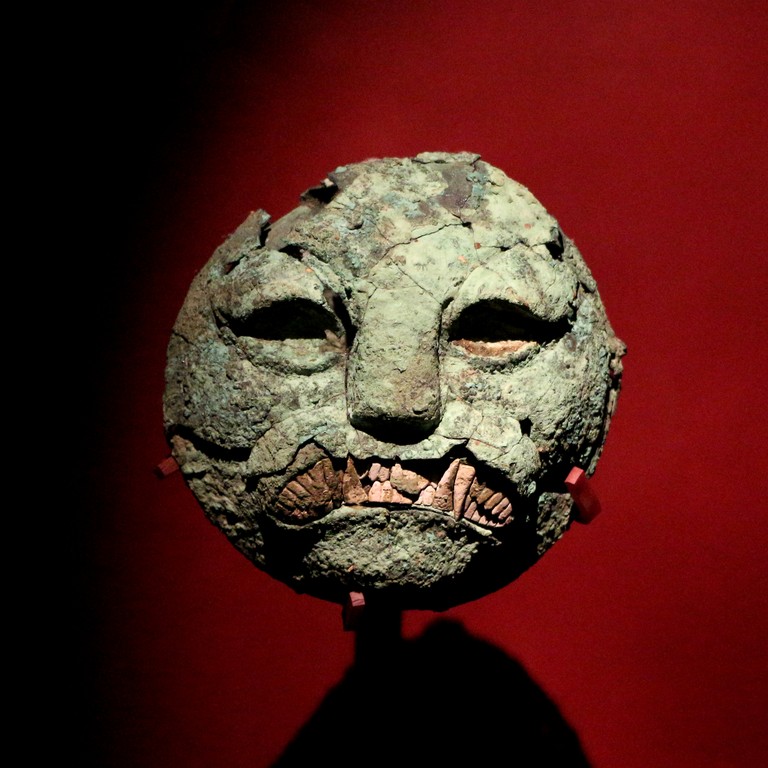
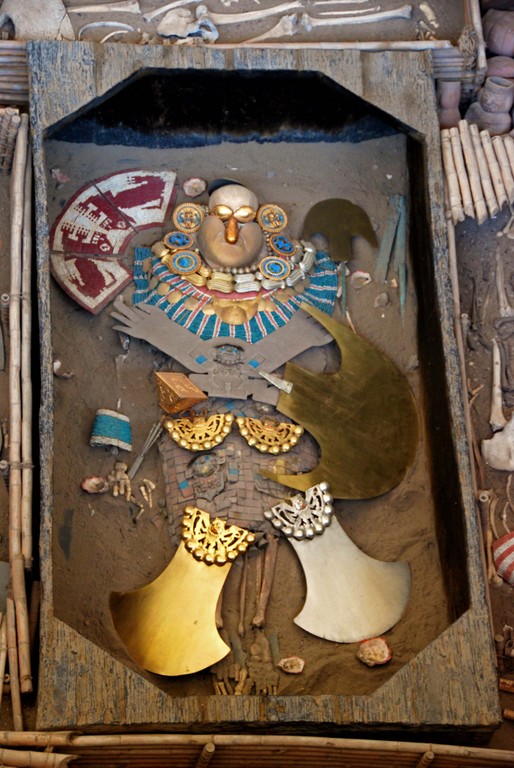
The Lord of Sipán's tomb contained objects made from gold, silver, copper, shells, and turquoise. Among the best-known finds are elaborate chest ornaments, ear ornaments, headdresses, ceremonial objects, and parts of royal attire. Some pieces combine different materials and complex decorative patterns, demonstrating the exceptional skill of Moche artisans.
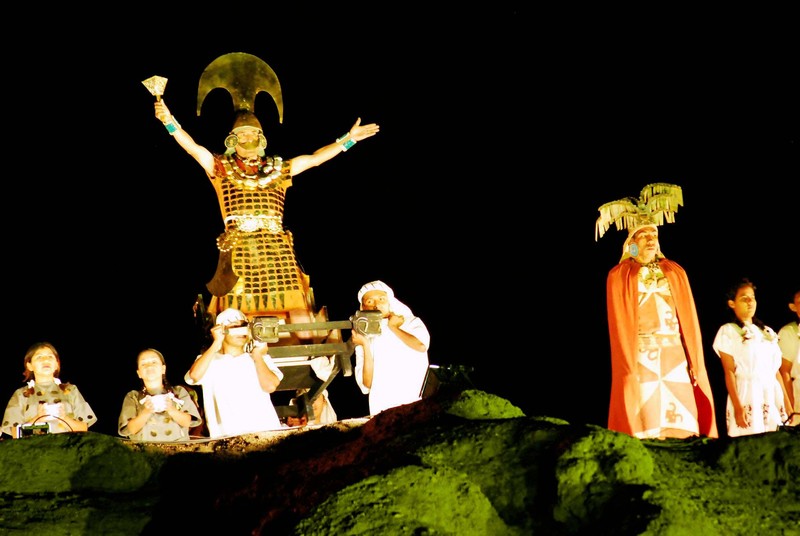
These ornaments were more than signs of wealth. They emphasized the ruler's rank and may have held religious or ceremonial significance. In Moche society, images of animals, mythical beings, and symbols of authority appeared on objects associated with the elite and ritual life. The burial goods help researchers study social hierarchy, technological knowledge, and artistic traditions along Peru's ancient northern coast.
Particularly striking objects include gold and copper chest ornaments, ear ornaments decorated with turquoise, ceremonial emblems, and items connected with warrior status. Metalworking required specialized casting, hammering, and surface-finishing techniques. The finds show that Moche craftspeople mastered complex technologies long before the height of the Inca civilization.
Funerary Rituals and Beliefs About the Afterlife
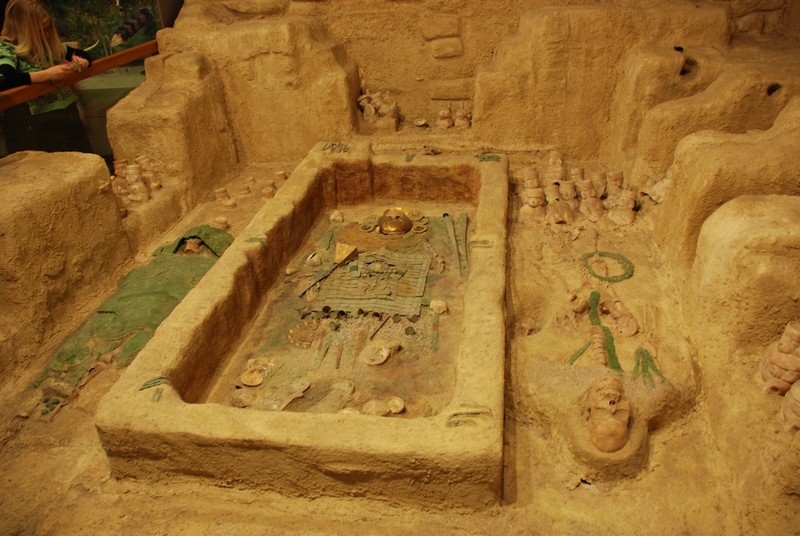
The Sipán burial complex has provided important evidence about Moche funerary customs. The Lord of Sipán's tomb contained not only his remains but also the remains of other individuals and objects arranged according to a deliberate burial pattern. The composition and placement of the finds suggest that the ruler's death involved elaborate ceremonies and reflected his elevated status.
Archaeological evidence indicates that funerary offerings played an important role in Moche ideas about death and existence after it. Ornaments, clothing, symbols of authority, and other objects may have been intended to accompany the deceased into the afterlife. The precise meaning of individual rituals cannot always be established, however, because no written explanations from the Moche themselves have survived.
The Lord of Sipán's burial is especially valuable because its archaeological context was preserved. Alongside other burials in the complex, it allows researchers to compare the status of different elite individuals and investigate changes in funerary practice. These studies help illuminate the religious ideas and social relationships of ancient Moche society.
The Huaca Rajada Archaeological Complex
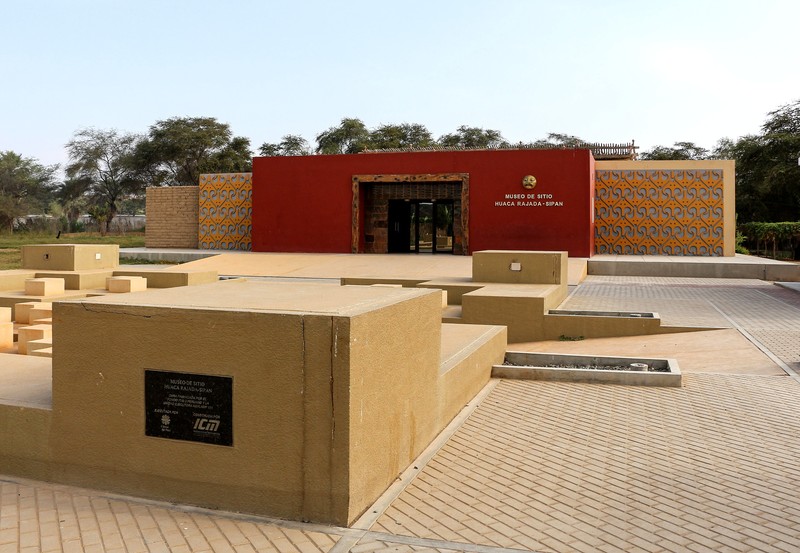
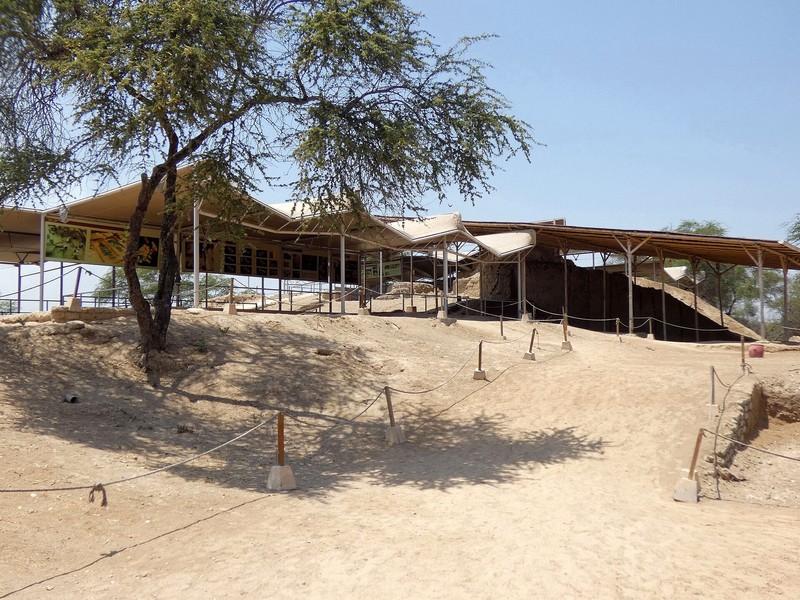
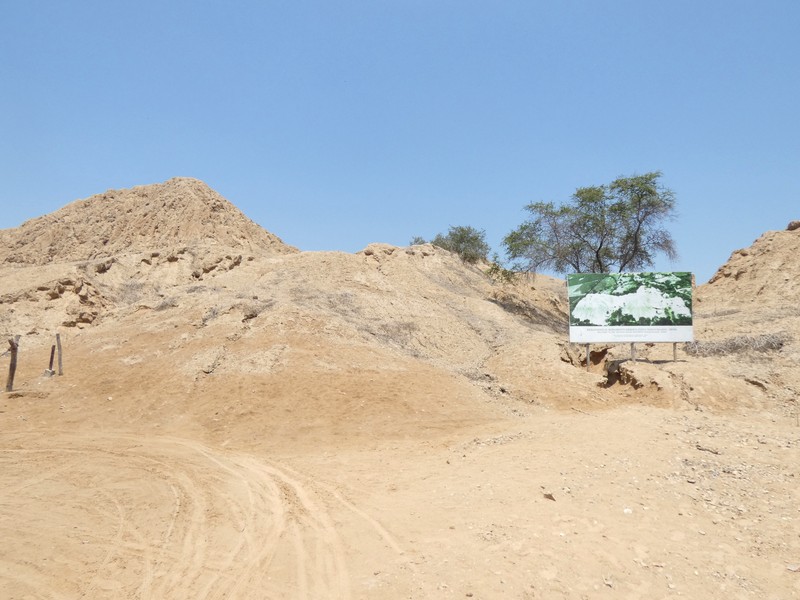
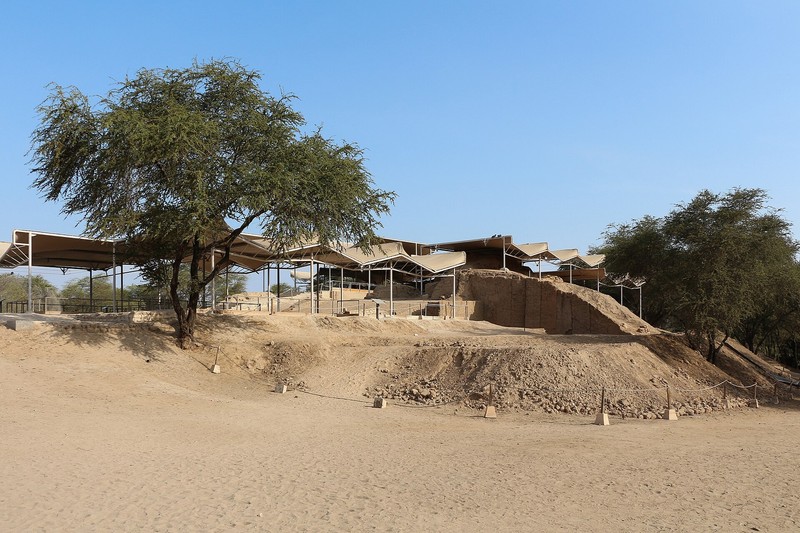
Huaca Rajada is an archaeological complex containing ancient platforms and burial structures associated with the Moche culture. It is the site where Sipán's royal burials were discovered. Such complexes held important religious and social roles, connecting ceremonies, local rulership, and the commemoration of elite individuals.
Excavations at Huaca Rajada showed that the Lord of Sipán's tomb formed part of a larger funerary complex. Other burials of elite individuals were also found, containing ornaments, ritual objects, and human remains. Comparing these tombs helps researchers understand Moche social organization and differences in rank.
Sipán lies in the dry coastal zone of northern Peru. Ancient communities adapted to limited rainfall through irrigation and the use of fertile river valleys. Agriculture provided the material foundation for settlements, craft production, religious centers, and complex political structures.
Moche Culture: Art and Technology
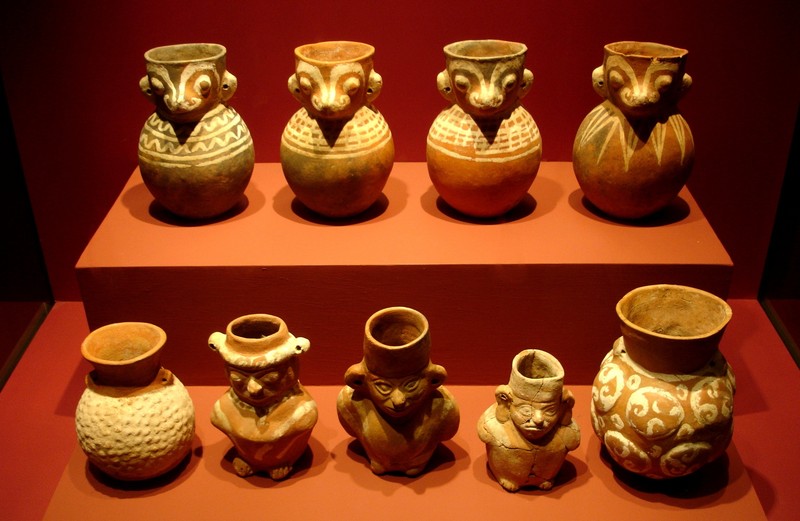
The Moche are renowned not only for their funerary treasures but also for pottery, metallurgy, murals, and monumental architecture. Their ceramic vessels often take the form of human faces, animals, plants, and scenes from everyday life. These objects provide evidence about appearance, clothing, occupations, rituals, and the natural environment.
Metalworking was central to Moche culture. Artisans worked with gold, silver, and copper to create ornaments, ceremonial emblems, and objects associated with authority. The combination of different metals and decorative techniques demonstrates advanced technical skills and sophisticated artistic traditions.
Monumental buildings made from adobe were also important. Moche ceremonial centers included pyramid-shaped platforms and large open spaces that could accommodate public and religious events. Sipán complements these architectural sites: its tombs reveal the personal dimension of rulership and show how elite individuals presented their status.
The Royal Tombs of Sipán Museum
One of the best places to learn about Sipán is the Royal Tombs of Sipán Museum in the city of Lambayeque. Its architecture draws inspiration from the truncated pyramids of Moche culture. The exhibition is arranged to guide visitors through the archaeological investigation and the gradual discovery of the royal burials.
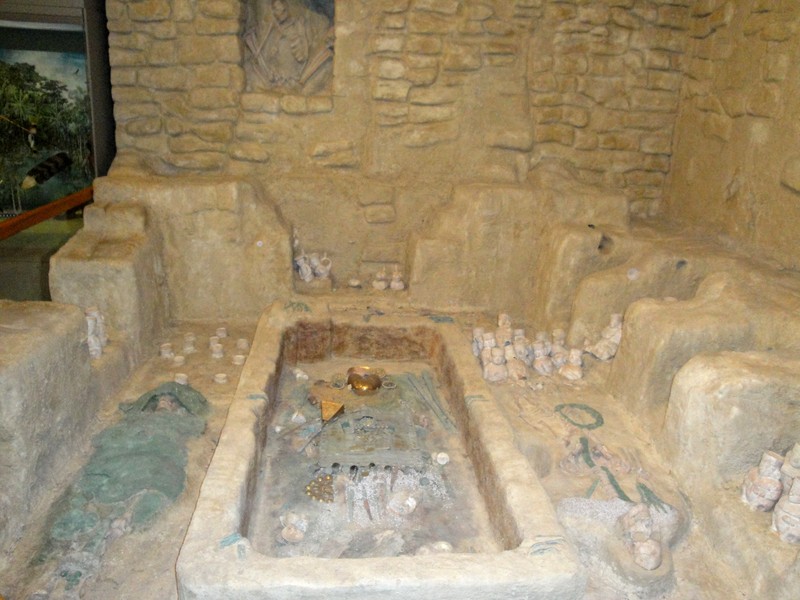
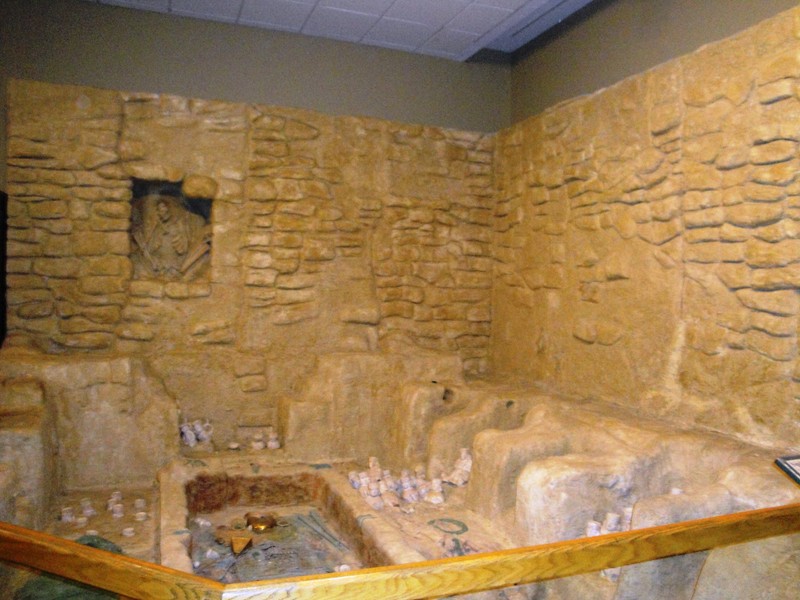
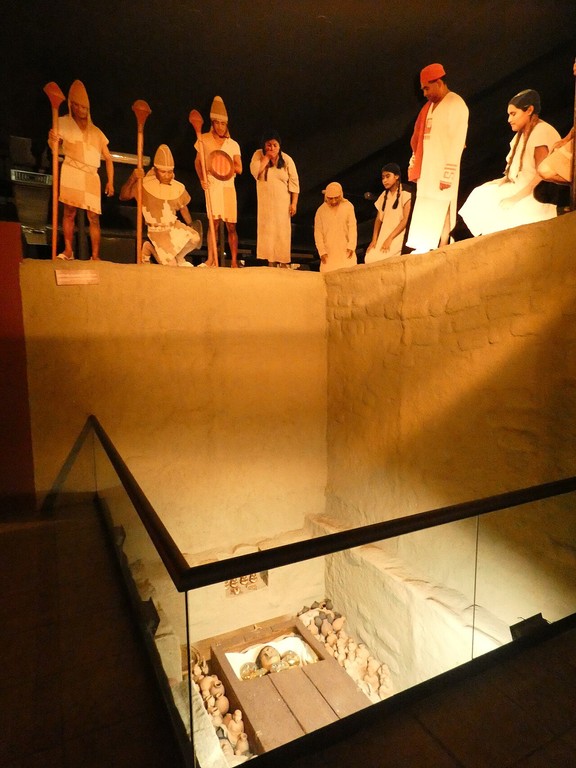
The museum displays ornaments, ceremonial emblems, clothing, objects made of gold, silver, and other materials, as well as reconstructions of burial chambers. Major exhibits include objects associated with the Lord of Sipán, illustrating his high status and the craftsmanship of Moche artisans. The displays explain not only the artistic value of the treasures but also their role in Moche authority and belief systems.
The museum plays an important role in preserving northern Peru's cultural heritage. It allows original archaeological finds to be studied in controlled conditions and explains how researchers reconstructed the history of the burial complex. For travelers, it is one of the most informative ways to explore ancient Moche civilization.
How to Visit Sipán
The Huaca Rajada archaeological site is located in the Lambayeque region of northern Peru. The city of Chiclayo is a major starting point for visiting the area, and Sipán can be reached by road. For a fuller understanding of the discoveries, visitors can combine a trip to the archaeological complex with a visit to the Royal Tombs of Sipán Museum in Lambayeque.
The museum presents important finds and reconstructions, while the archaeological site provides a connection to the place where the royal burials were uncovered. Before traveling, check current visiting arrangements, opening hours, and access restrictions, as these may change.
Sipán is especially rewarding for travelers interested in archaeology, ancient civilizations, South American history, and museum collections. It reveals a side of Peruvian history beyond the famous Inca monuments, introducing earlier societies whose achievements in art, metallurgy, and political organization form an important part of the country's cultural heritage.
Gallery