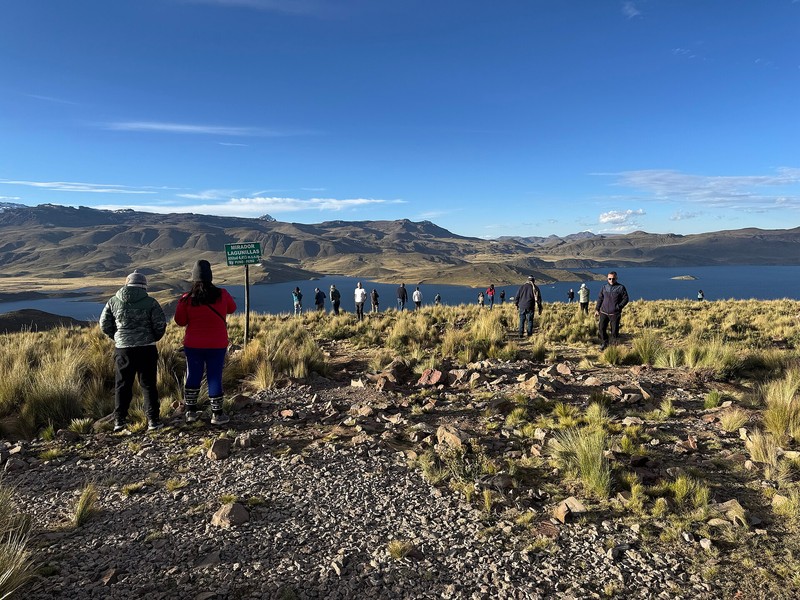
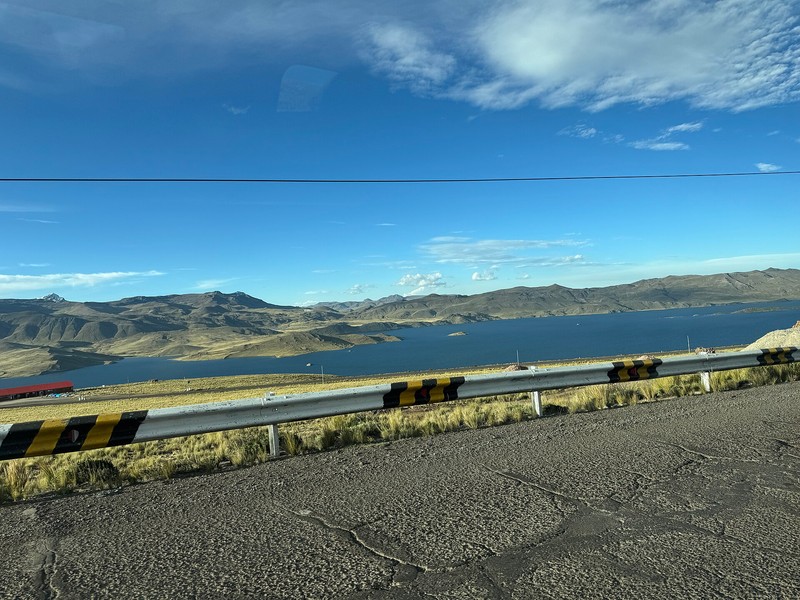
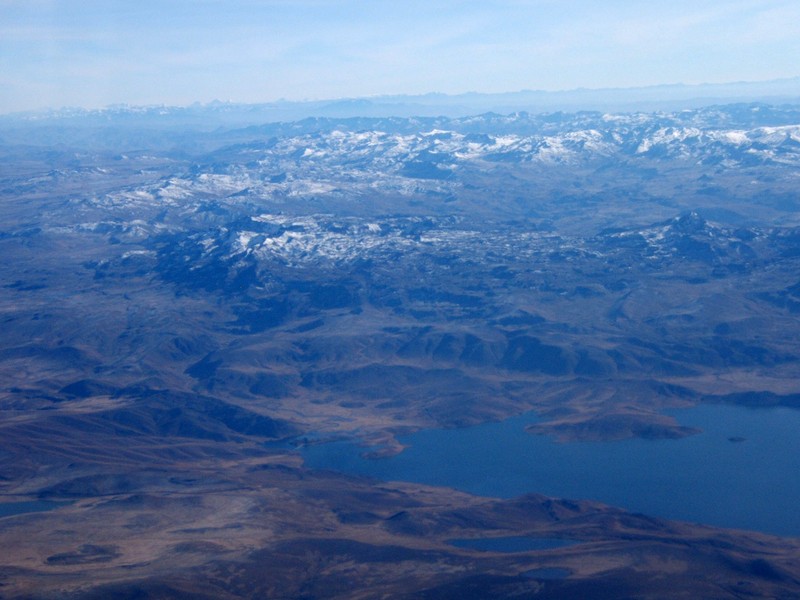
Lake Lagunillas, also known as Laguna Lagunillas, is a high-altitude lake in southeastern Peru, located on the Andean Altiplano in the Puno region. It lies in Lampa Province, near the district of Santa Lucía, at an elevation of approximately 4,179 metres above sea level. Lagunillas attracts visitors with its rugged mountain scenery, broad expanses of water and rich birdlife. Unlike Peru’s most famous tourist destinations, the area around the lake retains a quiet atmosphere and offers an opportunity to experience the natural environment of the high Andes.
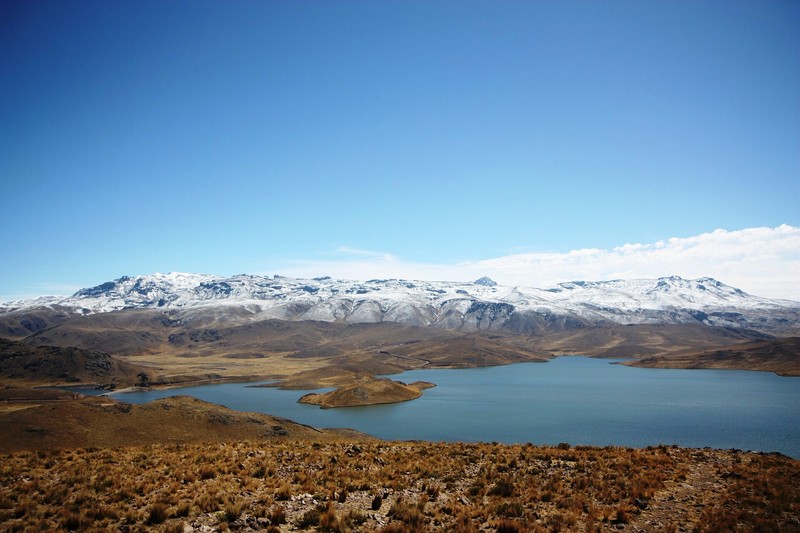
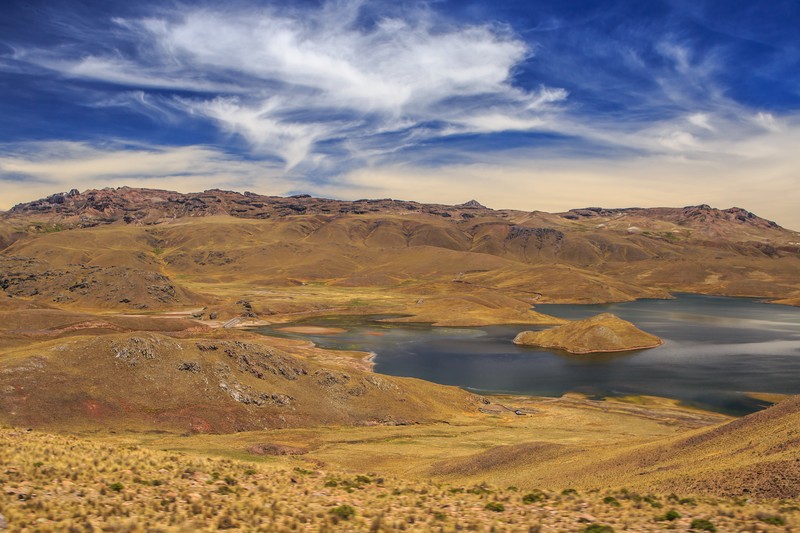
The lake stretches from northwest to southeast. It is about 18.6 kilometres long, reaches a maximum width of 5.8 kilometres and covers approximately 66 square kilometres. Its maximum depth is estimated at around 47.6 metres. Four small islands dot the lake, adding to the distinctive scenery of this remote part of the Puno region.
A high-altitude lake in the Andes
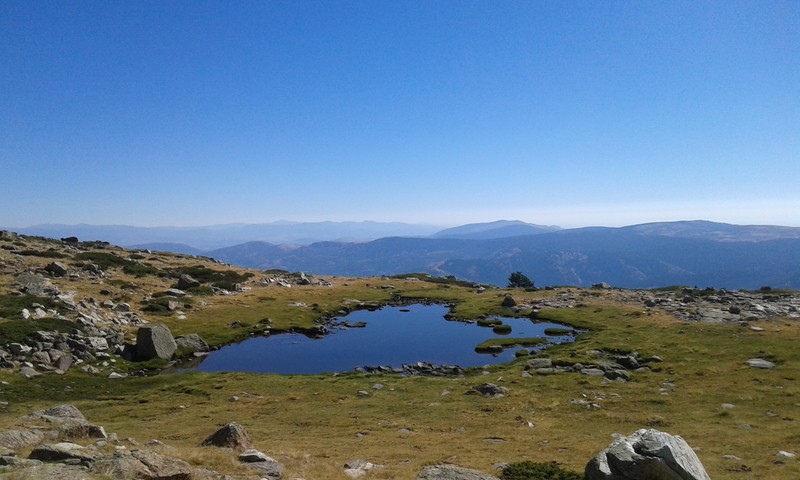
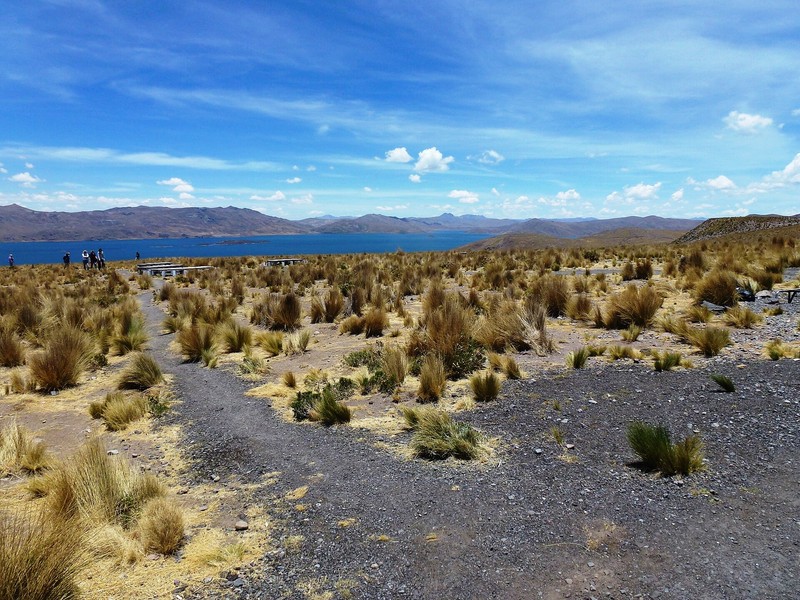
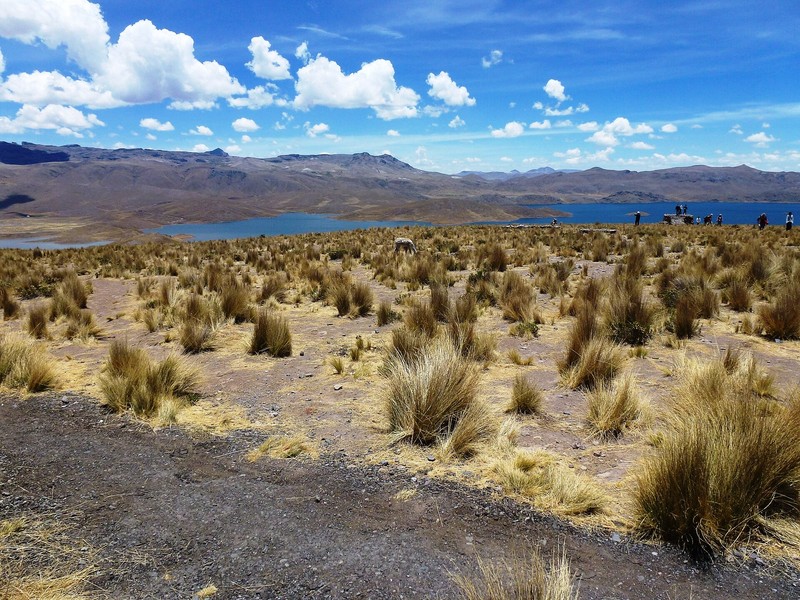
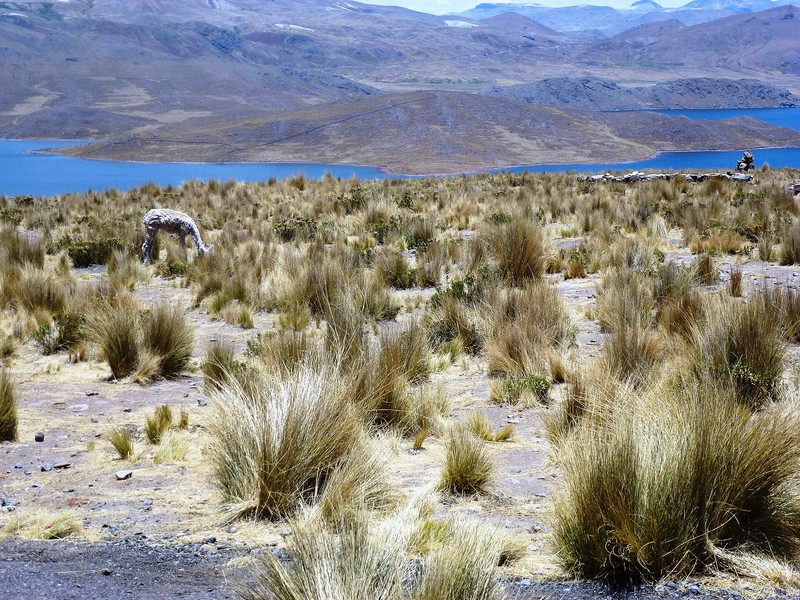
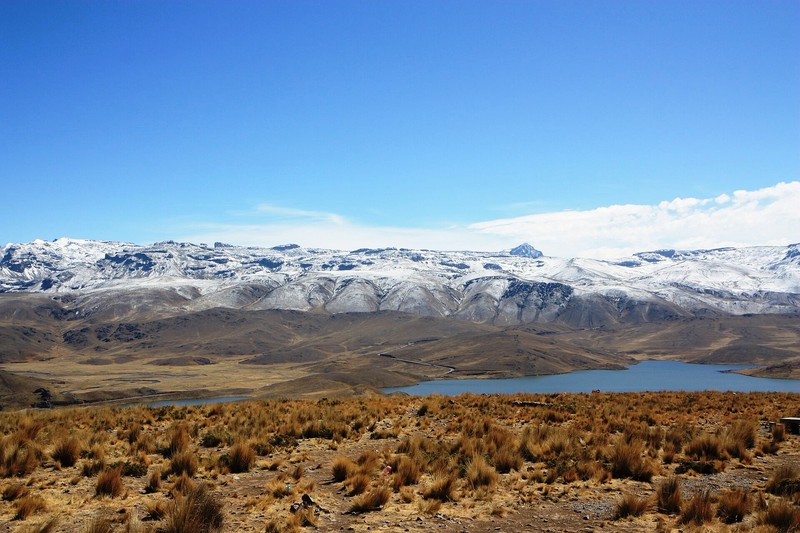
Lagunillas lies in the puna, the high-altitude grassland and plateau environment of the central Andes. The landscape is dominated by open spaces covered with tough grasses, low shrubs and patches of wetland vegetation. Trees are relatively scarce, and the horizon feels especially broad because there are few dense forests. On clear days, the lake contrasts with dry grassy slopes and distant mountain ridges.
An elevation of more than 4,000 metres shapes the local climate and natural environment. The sun can be intense during the day, while temperatures fall significantly in the morning, evening and at night. Winds across the open plateau can be strong, and weather conditions may change quickly. Even when lower areas are relatively warm, a visit to the lake requires warm clothing and preparation for high-altitude conditions.
Size and features of the lake
Lagunillas is one of the larger lakes on the high plateau of Puno. Its long shoreline, small bays and islands create varied habitats for aquatic organisms and birds. Sections of natural vegetation grow along the shore, including totora reeds, aquatic plants characteristic of Andean lakes and wetlands.
The lake is important to local water resources. According to Peru’s tourism inventory, it is considered a potential source of water for the districts of Puno and Juliaca. The lake is also used for fishing and trout farming in floating cages. Its waters contain native fish species as well as introduced rainbow trout. This combination of natural value and economic use makes Lagunillas an important part of life in the region.
Birds and wildlife
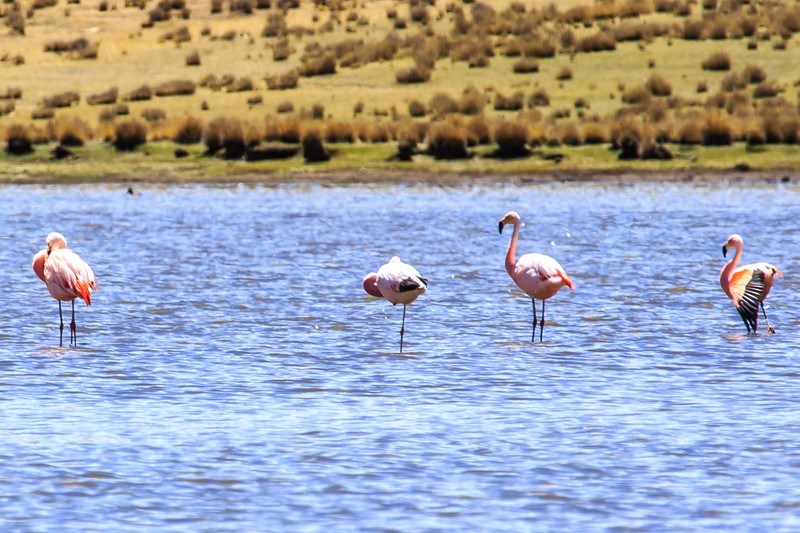
One of the lake’s main natural attractions is its birdlife. Chilean flamingos, ducks and other waterbirds can be seen around the shore, where shallow waters provide feeding and resting areas. Birds are especially visible along open stretches of shoreline, where their silhouettes stand out against the water and the high-altitude sky.
The lake supports native fish, including species of the genus Orestias associated with the Lake Titicaca basin. Rainbow trout, introduced by humans and used in local aquaculture, are also present. An amphibian of particular interest in the region is the giant Titicaca water frog, which is adapted to cold high-altitude waters. Wildlife sightings depend on the season, weather and the particular stretch of shore being visited.
Protecting local wildlife means avoiding disturbance to birds, especially while they are feeding or nesting. Visitors should keep their distance from groups of animals, take all rubbish away and avoid polluting the water. Responsible behaviour helps preserve habitats for wild species and maintains the lake’s natural appeal.
Vegetation around Lagunillas
The lake’s shores are surrounded by grassland communities typical of the puna. Common plants include tough high-altitude grasses such as ichu and low-growing shrubs known as tola. Queñual trees, belonging to the genus Polylepis and adapted to Andean conditions, grow in some areas. Small patches of aquatic vegetation appear along shallow sections of the shore, providing shelter for birds and other organisms.
Plants on the high plateau must withstand intense sunlight, cold nights and significant temperature changes. Vegetation helps protect the soil from erosion and supports the local ecosystem. When walking near the lake, avoid trampling fragile plants and do not enter marshy areas unnecessarily.
Things to do at Lake Lagunillas
Lagunillas is best suited to a quiet experience of Peru’s high-altitude nature. Visitors can photograph the lake and mountain scenery, watch birds, explore the local flora and take walks along accessible sections of the shore. The open landscape is especially appealing to travellers who want to experience the natural Andes beyond the country’s busiest tourist routes.
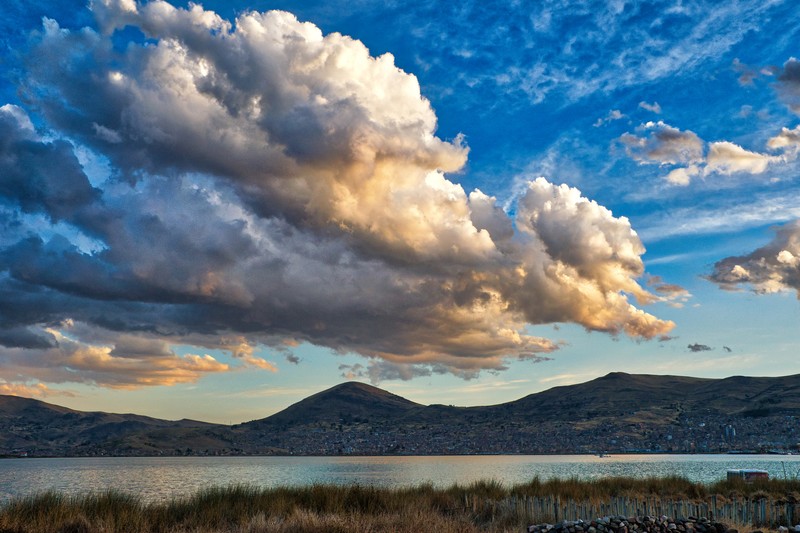
Photographers should pay attention to how the light changes throughout the day. A light mist sometimes lingers above the water in the morning, and in calm weather the lake reflects the sky and surrounding mountains. In the evening, low sunlight highlights the contours of the shore and gives grassy slopes a golden hue. Reflections and lighting conditions, however, depend on cloud cover and wind.
Birdwatching is another rewarding activity. Binoculars or a telephoto lens are useful because many waterbirds remain some distance from the shore. Keep noise to a minimum and avoid approaching places where wildlife is resting. The lake is also of interest to people studying aquatic ecosystems, high-altitude plants and the effects of human activity on natural bodies of water.
Best time to visit
The Puno highlands generally have a dry season from around May to October and a wetter season that falls mainly during the Southern Hemisphere summer. During the dry season, rainfall is usually lower, and roads and trails may be easier to use. Nights can be especially cold, however, while intense sunlight and wind make protection for the skin and eyes important.
During the rainy months, the surrounding plains may become greener, but precipitation, cloud cover and road conditions can complicate travel. Weather on the Altiplano is unpredictable, so check the forecast and local road conditions before setting out. For birdwatching, choose a relatively calm time of day when birds are active and wind is less disruptive.
How to get to Lake Lagunillas
The lake is located in the Puno region, in Lampa Province near Santa Lucía. Visitors generally use the road network connecting settlements across the high plateau, including routes between Juliaca and Arequipa. Access to specific parts of the shore depends on the route chosen and the condition of local roads. Before travelling, confirm transport options, journey time and whether the desired location can be reached by vehicle.
Because Lagunillas is less well known internationally than Lake Titicaca, facilities for independent visitors may be limited. Do not assume that cafés, equipment rental or organised excursions will be available directly beside the water. It is more practical to plan the route in advance, bring drinking water, food and warm clothing, and arrange local transport if needed.
What to know before travelling
The main factor to consider is altitude. At more than 4,100 metres, physical exertion feels more demanding, and people who are not accustomed to high elevations may experience headaches, breathlessness, weakness or dizziness. If arriving from lowland areas, allow time for acclimatisation before undertaking strenuous activity. If you feel significantly worse, stop exerting yourself and descend to a lower elevation.
Bring layered clothing, a windproof and waterproof jacket, comfortable shoes, a hat, sunglasses and sunscreen. Shade is scarce on the open plateau, making protection from ultraviolet radiation particularly important. Charge your phone before leaving, tell someone your route and do not travel to remote areas without enough water and a clear plan for returning.
Lake Lagunillas and local life
Lagunillas is important not only as a natural landmark but also as a lake connected to the livelihoods of local communities. Fishing and trout farming provide employment and contribute to the economy of highland settlements. At the same time, these activities make it important to protect water quality, shoreline vegetation and native species.
Sustainable use of water resources is particularly important in high-altitude ecosystems, where natural conditions are harsh and lakes are valuable to both people and wildlife. Visitors can contribute by travelling responsibly, supporting local services where available and following good waste-management practices.
Why visit Lake Lagunillas?
Lake Lagunillas reveals a quieter, more spacious and less tourist-oriented side of Peru. Rather than famous ruins or crowded viewpoints, the appeal lies in the wide expanse of water, the rugged beauty of the Altiplano and the chance to observe life in a high-altitude environment.
A visit is ideal for travellers interested in Andean landscapes, birdlife, local ecology and lesser-known natural attractions. The lake combines impressive dimensions, a high-altitude setting, a variety of waterbirds and an important role in the Puno region. With respect for the environment, a trip to Lagunillas offers an authentic encounter with the landscapes of southeastern Peru.
Gallery