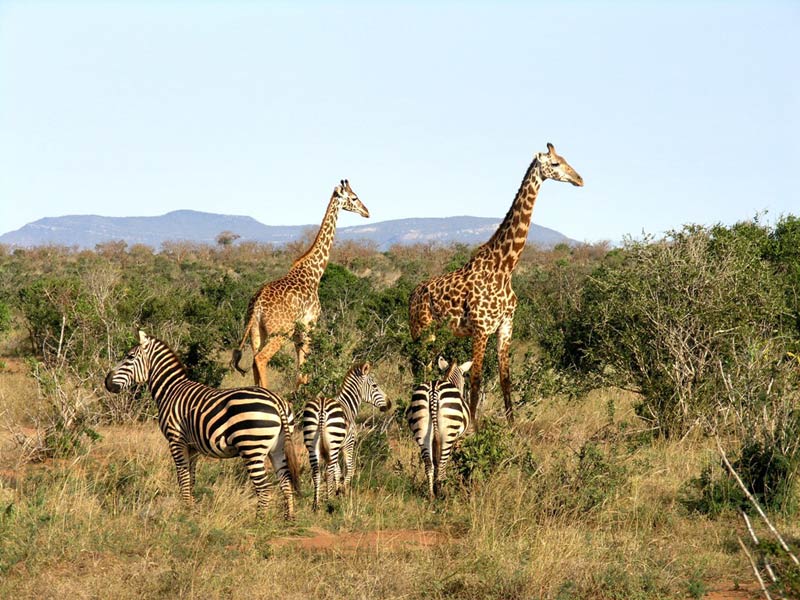
Maasai Mara is one of Africa’s best-known wildlife reserves, located in southwestern Kenya in Narok County, near the Tanzanian border. Vast savannahs, golden grasslands, acacia groves and river valleys support a remarkable variety of wildlife. The reserve is especially famous for lions, leopards, cheetahs, elephants, buffalo and the annual Great Migration of grazing animals.
The name “Mara” is commonly translated from the Maa language as “spotted,” referring to the landscape where scattered trees and shrubs dot open grasslands. The name “Maasai” reflects the people whose culture, land-use history and pastoral traditions are closely connected with the region.
Geography and landscapes
Maasai Mara National Reserve covers approximately 1,510 km². It forms the northern part of the wider Serengeti–Mara ecosystem, which extends into neighbouring Tanzania. The border between the reserve and Serengeti National Park does not divide the natural system completely: many animals move between the two countries in search of water, grazing and suitable breeding areas.
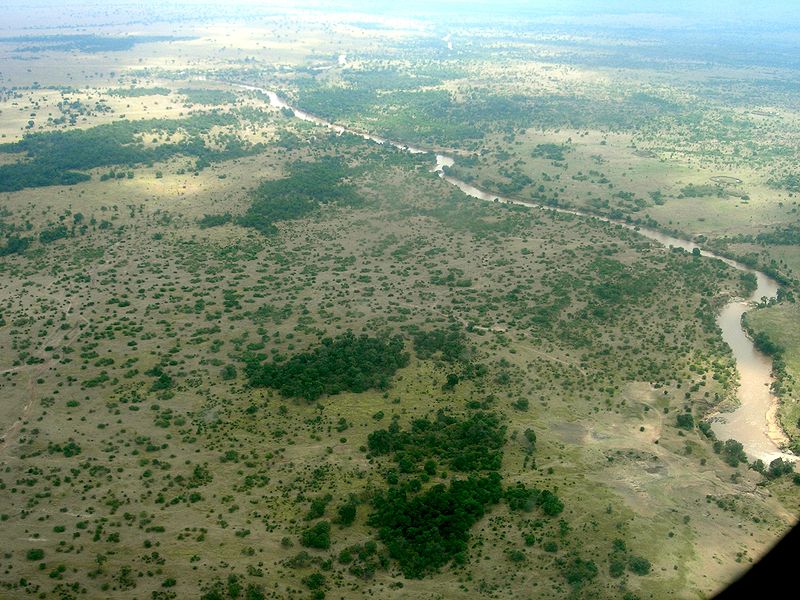
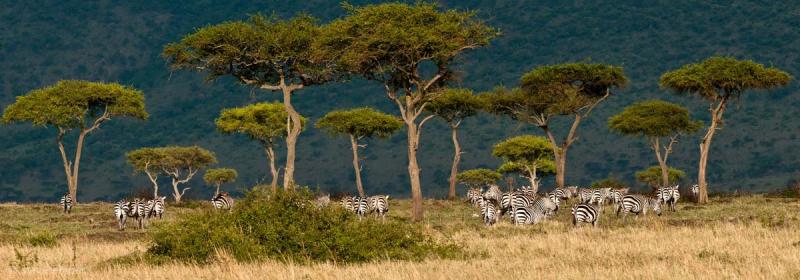
The landscapes of Maasai Mara are varied. Open plains with short grass dominate the east and make wildlife easier to spot. Other areas contain hills, scrubland, acacia woodland, wetlands and riverine forests. The Oloololo Escarpment, also known as the Siria Escarpment, rises in the west and offers expansive views over the savannah.
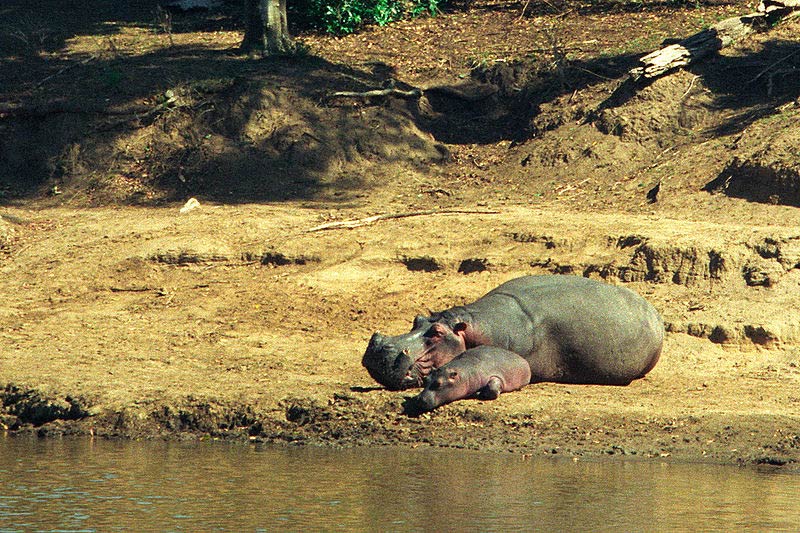
The Mara and Talek rivers and other waterways flow through the reserve. The Mara River is particularly important to the ecosystem: it provides water during dry periods, supports riverside vegetation and forms one of the main seasonal migration routes. Hippos inhabit deep pools, while Nile crocodiles live along the banks.
History of the reserve
The protected area was established in 1948 as a smaller reserve. In 1961, it was expanded to approximately 1,830 km². Boundaries were revised later, including to provide local communities with access to water resources and land. The present national reserve covers about 1,510 km².
Today, the reserve is managed under the authority of Narok County. Its western section, known as the Mara Triangle, is managed by the conservation organisation Mara Conservancy on behalf of the county. Outside the official reserve boundaries are community conservation areas and private conservancies, which play an important role in protecting migration corridors and wildlife habitat.
Maasai Mara is not only a tourist destination but also a landscape where wildlife protection must be balanced with traditional land use and local livelihoods. Maintaining natural corridors beyond the reserve is essential because many species move across the boundaries of protected areas.
The Great Migration
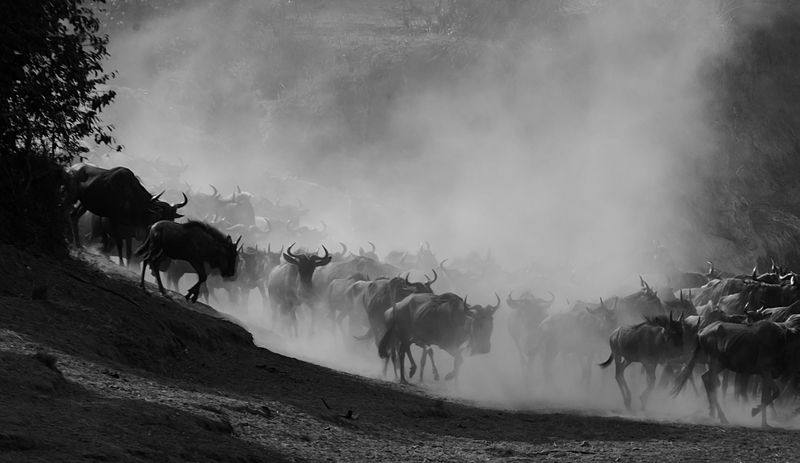
The Great Migration is Maasai Mara’s most famous natural spectacle. It is the seasonal movement of vast herds of wildebeest, zebras and gazelles across the Serengeti–Mara ecosystem. The animals follow rainfall, fresh grass and available water. It is not a single event with fixed dates, but a continuous natural cycle whose timing changes with weather conditions.
Herds usually reach the Kenyan part of the ecosystem between July and October, although the start and duration vary from year to year. During this period, visitors may see enormous concentrations of animals across the plains. One of the best-known sights is the crossing of the Mara River, where wildebeest and zebras face strong currents and steep banks, while crocodiles may be present in the water.
River crossings are unpredictable. Animals may gather at the bank for a long time, change direction or cross elsewhere. Even at the height of the season, a crossing cannot be guaranteed. The migration is also much more than river crossings: visitors can observe moving herds, grazing animals and the activity of predators throughout the season.
Wildlife of Maasai Mara
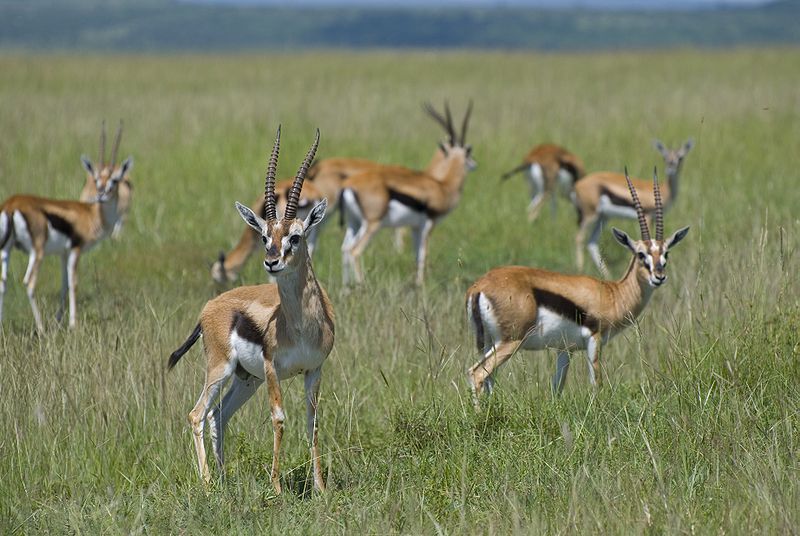
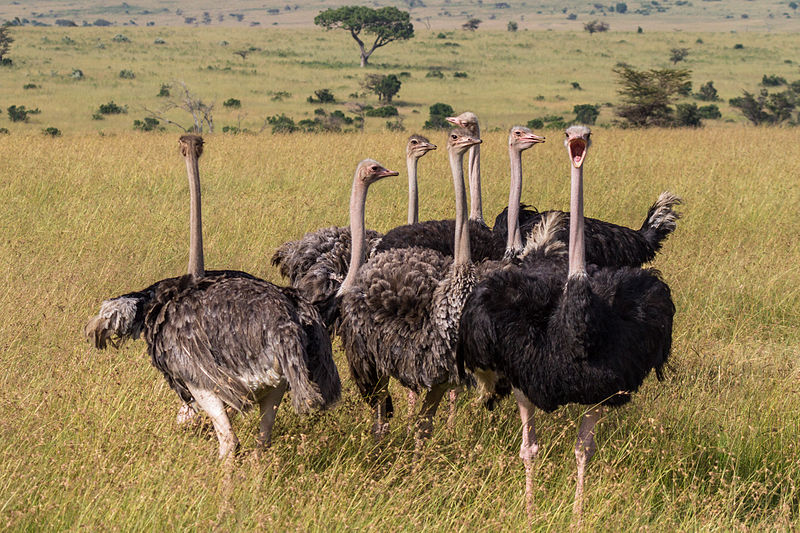
The reserve is renowned for its high numbers of large mammals and predators. It is home to lions, leopards, cheetahs, spotted hyenas, elephants, African buffalo, giraffes, zebras, wildebeest, topi, impalas and gazelles. Hippos and crocodiles inhabit rivers and pools, while ostriches and many other bird species can be seen in open areas.
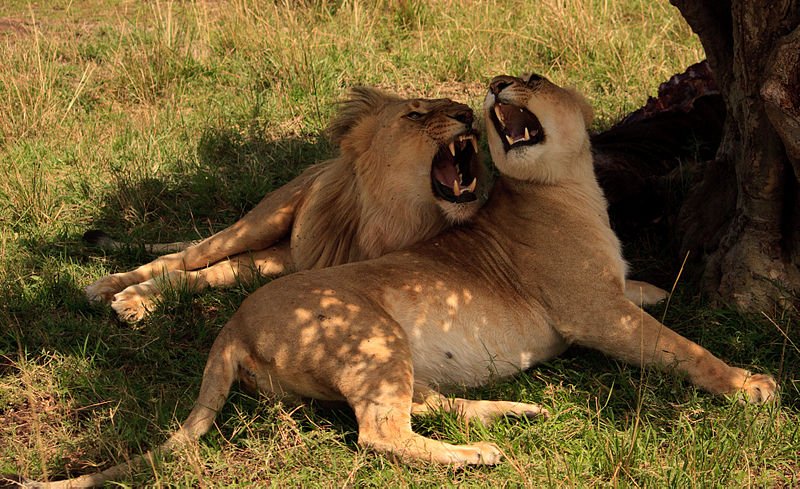
Lions are among Maasai Mara’s best-known residents. They are often seen resting in tall grass or beneath trees and sometimes hunting. Cheetahs favour open areas where they can reach high speeds while chasing prey. Leopards are more elusive and often remain in thickets or trees.
Elephants move between savannah and wooded habitats, while giraffes feed on leaves from trees and shrubs. Buffalo and zebra herds are frequently seen on open plains. With luck and an experienced guide, visitors may spot a rhinoceros, although sightings are never guaranteed.
Predators, herbivores, scavengers and birds form a complex ecological system. Abundant grazing animals provide food for lions, hyenas and cheetahs, while carcasses support vultures and other scavengers. Maasai Mara’s value therefore lies not only in its variety of species but also in the ecological relationships connecting them.
Birdlife and river ecosystems
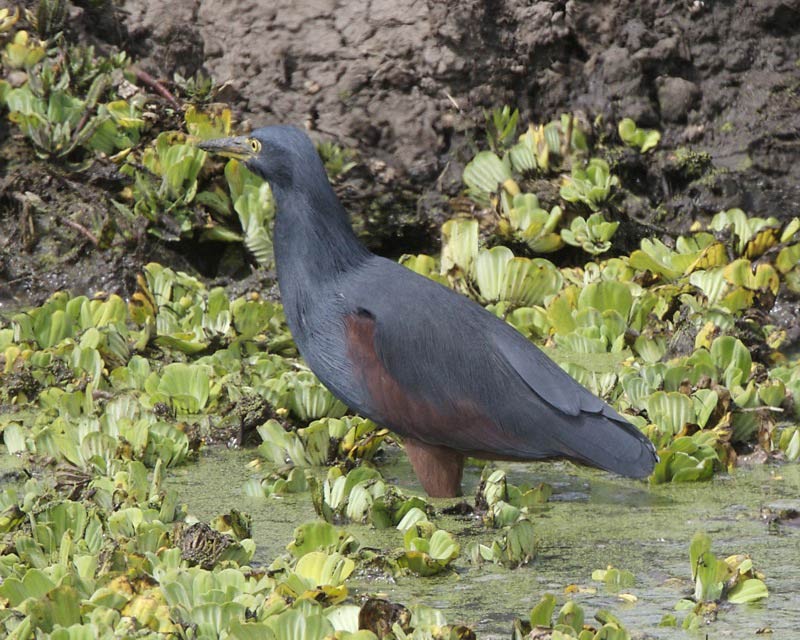
Maasai Mara is interesting for more than its large mammals. Savannah, riverine woodland and wetlands support many bird species, including ostriches, marabou storks, eagles, guineafowl, kingfishers, storks and vultures. The variety of habitats allows visitors to observe both large birds of prey and smaller species associated with shrubs and riverside vegetation.
River valleys play a vital role in the reserve. Trees and shrubs along the water provide shelter, nesting sites and food for many animals. During dry months, rivers and permanent pools become essential water sources for wildlife.
Climate and the best time to visit
The climate of Maasai Mara depends on elevation and seasonal rainfall. There are generally two rainy periods: the longer rains, approximately from March to May, and shorter rains, roughly from October to December. Exact dates and rainfall intensity vary each year, affecting road conditions and wildlife movements.
July to October is often chosen for trips focused on the Great Migration, although the presence of herds depends on rainfall and pasture conditions. Safaris can also be rewarding in other months because many wildlife populations live in the reserve year-round.
During the rainy season, the savannah becomes greener and the scenery can be particularly striking, while some areas may receive fewer visitors. However, roads can become difficult to navigate. When choosing travel dates, consider not only migration timing but also the species you hope to see, your budget and your tolerance for changing weather.
Safaris and accommodation
The main way to explore Maasai Mara is on a guided safari in a four-wheel-drive vehicle. Game drives usually take place early in the morning and later in the afternoon, when animals are more active and temperatures are lower. Guides help locate wildlife, explain animal behaviour and select routes according to road conditions and reserve rules.
The region offers campsites, tented safari camps and lodges at different comfort levels. Some are inside the reserve, while others are on surrounding community lands. Accommodation affects access to particular areas, driving times and the overall cost of a safari. Booking well in advance is advisable during the high season, especially during migration months.
Some areas offer sunrise hot-air-balloon flights, with views over the savannah, river valleys and moving herds. Flights depend on weather and are usually charged separately. Before booking, check the launch site, programme duration and included services.
Maasai culture
Maasai Mara is not only a wildlife area but also part of the Maasai people’s historical homeland. Traditional life in many Maasai communities is connected with livestock keeping, family homesteads and the use of grazing land. Local knowledge of seasonal changes, water sources and the landscape remains important for understanding the region.
Some communities near the reserve offer cultural visits that may include traditional homes, crafts, dances and everyday life. Choose experiences that respect local customs and are organised with the participation of the communities themselves, so that tourism benefits residents rather than reducing their culture to a performance for photographs.
Conservation and environmental challenges
Maasai Mara is internationally important for conserving African savannah and the migration of large mammals. However, the ecosystem faces challenges including the expansion of farms and settlements, fencing of land, disruption of migration corridors, conflicts between people and wildlife, and excessive tourism pressure at popular sites.
Maintaining connections between the national reserve, surrounding conservancies and Tanzania’s Serengeti is particularly important. If traditional animal routes are blocked, herds may struggle to reach seasonal grazing areas and water. Conservation organisations and local communities work to protect land, reduce conflicts and develop more sustainable tourism models.
Responsible safari practices include following reserve rules, keeping a safe distance from wildlife and never feeding or deliberately disturbing animals. Visitors should not ask drivers to chase animals or block their path for photographs. Respectful behaviour helps reduce disturbance and preserve wildlife-viewing opportunities for future visitors.
How to reach Maasai Mara
Most visitors begin their journey in Nairobi. The region can be reached by road, usually via the town of Narok, or by domestic flight to one of the local airstrips. Road travel time depends on the chosen entrance, road conditions, weather and traffic.
The reserve has several gates, including Sekenani, Talek and Oloololo. The best entrance depends on the location of the camp and the planned itinerary. Before travelling, check current access conditions, permit fees and visiting rules with the reserve authorities or safari operator.
Maasai Mara offers the chance to experience one of Africa’s most impressive ecosystems in its natural rhythm. Open savannah, large predators, ancient migration routes and Maasai cultural heritage make the region special. A visit is an opportunity not only to observe wildlife but also to understand how natural processes, local communities and environmental protection are interconnected.
Gallery